Obsessive-compulsive disorder is a relatively common diagnosis. Some people feel like they know at least a little about it, even if they’ve never personally known anyone who has it. However, there are just as many falsehoods that are generally understood about this condition as there are legitimate medical facts to which the public has access.
Counseling is available for anyone who has received this diagnosis. However, in some instances, their family members may also want to speak to someone. It can be frustrating to have a person in your family with OCD unless you understand the condition and what it entails.
In this article, we’ll break down what it means to have OCD. It’s something you should know about whether you’ve received this diagnosis or you know someone in your life who has.
[caption id="attachment_65347" align="aligncenter" width="333"]
 Photo by Zina Zabudkina
[/caption]
What Exactly is OCD?
To put it simply, OCD is a condition where an individual has repetitive thoughts or engages in repetitive behaviors that are unwanted or objectionable. Such a person will feel that they can’t control these thoughts, actions, or emotions, or else that they can control them, but only with great concentration.
Generally, OCD is not considered to be a dangerous condition for either the person who has it or anyone close to them. It’s not the same as something like schizophrenia, where, if left untreated, the individual who has it might harm themselves or others.
Someone with OCD might be unhappy, though, and that’s the main problem usually associated with the condition. If left untreated, the individual who’s dealing with it might resort to extreme measures to try and curb the unwanted, intrusive thoughts that keep entering their head.




 Dr. Diaz[/caption]
Lucia Diaz, M.D., is chief of pediatric dermatology, dermatology residency associate program director and assistant professor of medicine and pediatrics at Dell Medical School. She is also co-director of the dermatology-rheumatology combined clinic at Dell Children’s Medical Center.
[caption id="attachment_52796" align="alignleft" width="150"]
Dr. Diaz[/caption]
Lucia Diaz, M.D., is chief of pediatric dermatology, dermatology residency associate program director and assistant professor of medicine and pediatrics at Dell Medical School. She is also co-director of the dermatology-rheumatology combined clinic at Dell Children’s Medical Center.
[caption id="attachment_52796" align="alignleft" width="150"]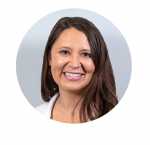 Dr. Jaquez[/caption]
Sasha Jaquez, Ph.D. is a pediatric psychologist at Dell Children's Medical School/Dell Children's Medical Center and specializes in seeing children with chronic medical illness, including skin disorders.
[caption id="attachment_52791" align="alignleft" width="294"]
Dr. Jaquez[/caption]
Sasha Jaquez, Ph.D. is a pediatric psychologist at Dell Children's Medical School/Dell Children's Medical Center and specializes in seeing children with chronic medical illness, including skin disorders.
[caption id="attachment_52791" align="alignleft" width="294"]