MedicalResearch.com Interview with:
[caption id="attachment_74329" align="alignleft" width="150"]

Chun Sing Lam, PhD[/caption]
Chun Sing (Jason) Lam, PhD
Postdoctoral Research Fellow
Integrative Medicine and Wellness Service
Department of Medicine
Memorial Sloan Kettering Cancer Center
MedicalResearch.com: What is the background for this study? What are the main supplements utilized by Americans?
Response: Dietary supplement use is very common among U.S. adults, but patterns of use have changed substantially over time. The supplement market has expanded, with many products now marketed for different uses. But long-term national data are limited. In this study, we analyzed 25 years of nationally representative data from the
National Health and Nutrition Examination Survey, from 1999 through August 2023, including 63,442 U.S. adults.
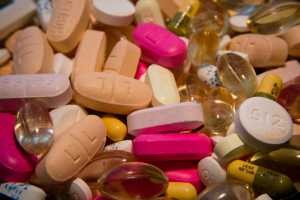
Overall supplement use increased from about 51% of U.S. adults in 1999–2000 to about 60% in 2021–2023. Use of four or more supplements also increased, from 8.8% to 15%. One notable finding was that multivitamin/multimineral use declined modestly while use of individual vitamins, minerals, and specialty supplements increased. One important finding was the increase among older adults. Supplement use among adults aged 65 years and older increased from about 62% to 78%, which was the largest increase among demographic subgroups.
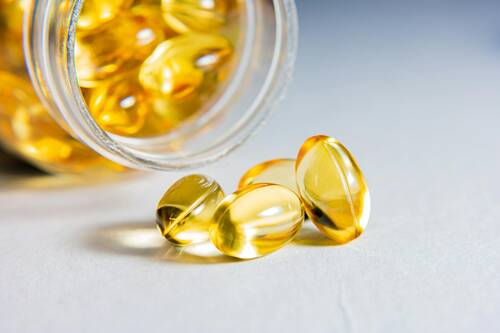
Notable increases were seen for vitamin D, zinc, vitamin K, biotin, vitamin B12, and omega-3. Emerging trends were also seen for non-vitamin non-mineral supplements such as turmeric/curcumin, probiotics/prebiotics, collagen, elderberry, ashwagandha, and hyaluronic acid. These trends likely reflect growing consumer interest in immune support, gut health, and skin and joint health.

 Dr. Orkaby[/caption]
Ariela Orkaby, MD, MPH
Geriatrics & Preventive Cardiology
Associate Epidemiologist
Division of Aging, Brigham and Women's Hospital
Assistant Professor of Medicine, Harvard Medical School
MedicalResearch.com: What is the background for this study?
Response: As the population is living longer, there is increased risk of frailty and vulnerability. Frailty is defined as reduced physiological reserve and decreased ability to cope with even an acute stress. Up to half of adults over the age of 85 are living with frailty and preventative measures are greatly needed. We tested the effect of vitamin D and marine omega-3 fatty acid supplementation on the risk of developing frailty in healthy older adults in the US enrolled in the VITamin D and OmegA-3 TriaL (VITAL) trial.
Dr. Orkaby[/caption]
Ariela Orkaby, MD, MPH
Geriatrics & Preventive Cardiology
Associate Epidemiologist
Division of Aging, Brigham and Women's Hospital
Assistant Professor of Medicine, Harvard Medical School
MedicalResearch.com: What is the background for this study?
Response: As the population is living longer, there is increased risk of frailty and vulnerability. Frailty is defined as reduced physiological reserve and decreased ability to cope with even an acute stress. Up to half of adults over the age of 85 are living with frailty and preventative measures are greatly needed. We tested the effect of vitamin D and marine omega-3 fatty acid supplementation on the risk of developing frailty in healthy older adults in the US enrolled in the VITamin D and OmegA-3 TriaL (VITAL) trial.