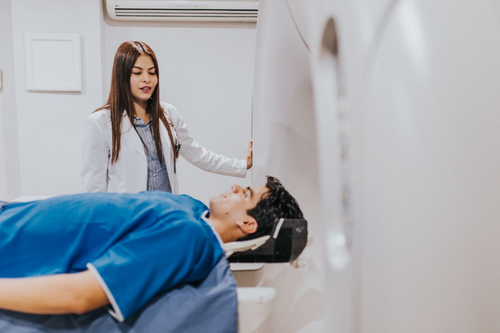
#patientexperience Tag

Online scheduling now sits close to the start of care, before a nurse, receptionist, or clinician speaks with the patient. A booking page can show available times, accepted plans, visit categories, office addresses, and preparation notes. That early information matters. It helps families compare practical details, avoid missed requirements, and arrive with records, medications, and questions ready for the clinical encounter.

Understanding how to navigate online scheduling effectively connects directly to the broader experience inside a healthcare setting, including how front desk staff, nurses, and clinicians coordinate records and appointments on their end of each visit.

[caption id="attachment_74772" align="aligncenter" width="500"]scheduling-doctors appointment online pexels Photo by Letícia Alvares[/caption]

When people look for a new dentist, their search often starts online. Before making a call or booking an appointment, they visit a dental practice's website to learn more. In just a few seconds, that website can shape their first impression and influence how much they trust the practice.

A modern, professional website does more than look good; it helps patients feel confident, informed, and comfortable about choosing a provider. From clear information and patient reviews to easy appointment booking, every detail matters. In today's digital world, a strong website plays a key role in building patient trust and credibility.

[IMAGEwebsites_influence_patient_trust_.jpg GOES HERE]

Clinical knowledge remains at the center of training, but healthcare organizations are focusing more on another part of care that patients remember long after appointments end. A patient may not recall every medical term discussed during a visit, yet they often remember whether someone listened carefully, explained things clearly, or helped them feel comfortable during an uncertain moment. Experiences like those are becoming increasingly important in conversations about healthcare quality. Graduate healthcare programs are responding to this reality. Future healthcare leaders are being prepared to think about patient care as a combination of clinical expertise, communication, engagement, and system-wide coordination. Healthcare is no longer viewed solely through the lens of diagnosis and treatment. Educational programs are exploring how interactions, decision-making processes, and organizational practices influence the way patients experience care. Focus on Patient Experience

Source

[caption id="attachment_74263" align="aligncenter" width="468"]Key Factors That Influence Quality Patient Care.jpg Image source[/caption] When people visit a healthcare facility, they expect more than medical treatment. They want to feel safe, respected, understood, and confident that they are receiving the best possible care. Quality patient care is not determined by a single doctor, nurse, or piece of equipment. Instead, it results from several interconnected factors working together to create positive patient experiences and better health outcomes. Healthcare organizations today face growing expectations from patients, families, regulators, and communities. From strong leadership and skilled professionals to efficient systems and modern technology, every aspect of a facility plays a role in shaping the level of care patients receive. Understanding these factors can help healthcare providers identify opportunities for improvement and maintain high standards across all services.

Effective Healthcare Administration and Leadership

Behind every well-functioning healthcare facility is a strong administrative team responsible for coordinating resources, developing policies, and ensuring that services operate efficiently. Administrators play a critical role in managing budgets, staffing decisions, compliance requirements, and organizational goals. When these responsibilities are handled effectively, healthcare providers have the support they need to perform their jobs efficiently. Patients benefit from shorter wait times, smoother processes, and more consistent care. As healthcare systems become increasingly complex, the demand for skilled administrators continues to grow. Many professionals are pursuing advanced education to prepare for leadership positions within the industry. Institutions such as the University of Louisiana Monroe now offer specialized programs like the Master of Public Administration Health Management online degree. Programs like this help future healthcare leaders develop expertise in management, policy, finance, and organizational strategy while maintaining the flexibility of online learning.


  [caption id="attachment_74183" align="aligncenter" width="500"]Patients Struggle to Find the Right Specialist Online Unsplash[/caption] Finding the right medical specialist should be easier than ever in a world where information is available at the click of a button. Yet many patients still struggle to locate qualified providers who meet their healthcare needs. Resources from a best healthcare seo agency often explain how medical practices can improve their online visibility, making it easier for patients to discover accurate information, relevant services, and appropriate specialists. As healthcare searches continue to shift online, visibility challenges are becoming a significant issue for both patients and providers.

The Modern Patient Search Journey

Most patients begin their healthcare journey online. Whether they are searching for a cardiologist, dermatologist, orthopedic surgeon, or another specialist, search engines have become the primary starting point for gathering information and comparing options. However, the abundance of information can create confusion rather than clarity. Patients are often presented with hundreds of search results, advertisements, directories, review websites, and social media profiles, making it difficult to identify the most relevant healthcare provider. The search process becomes even more complicated when patients are dealing with unfamiliar medical terminology. Many individuals may not know the exact specialty they need, causing them to rely heavily on search engines to guide their decisions. As a result, online visibility plays a crucial role in connecting patients with appropriate care. If relevant specialists are difficult to find, patients may delay treatment or choose providers who are not the best fit for their needs.

[caption id="attachment_73809" align="aligncenter" width="500"]Well-Run Clinic Image source[/caption]

What Patients Actually Notice About a Well-Run Clinic

Most patients form an opinion about a clinic within the first few minutes of arriving. They notice whether the front desk feels organized, whether staff members seem calm, and whether the visit feels smooth or stressful. For many people, healthcare appointments already come with anxiety. A confusing check-in process or poor communication adds to that frustration quickly. Patients rarely think about operations, staffing systems, or scheduling workflows. They focus on experience. They remember long waits without updates, rushed conversations, and unanswered phone calls. They also remember clinics where things felt easy, respectful, and well managed. A well-run clinic creates confidence before treatment even begins, and small details shape patient trust far more than many practices realize.