
17 Nov The Importance of Individualized Treatment Plans in Neurological Rehabilitation
Health Notice: This article is for general educational purposes only and is not a substitute for medical advice. Call 911 right away for signs of a possible stroke, such as sudden face drooping, arm or leg weakness, trouble speaking, vision loss, severe headache, or loss of balance. New or worsening neurological symptoms should be evaluated by a physician.
Editorial Notice: This content is not specific medical advice. Providers mentioned in this article are not warranted or endorsed by MedicalResearch.com or Eminent Domains Inc. “Functional neurology” is a specialty practiced mainly by chiropractors with postgraduate neurology training; it is distinct from care by a medical neurologist (MD or DO), and evidence for some functional neurology approaches is still limited. Discuss rehabilitation options with your physician.
Neurological conditions can affect people in very different ways, even when they share the same diagnosis. Differences in symptoms, medical history, and physical abilities mean that rehabilitation often requires a personalized approach rather than a standard treatment program.
Understanding the importance of personalized rehabilitation can help patients make informed decisions about their recovery and long-term neurological health.
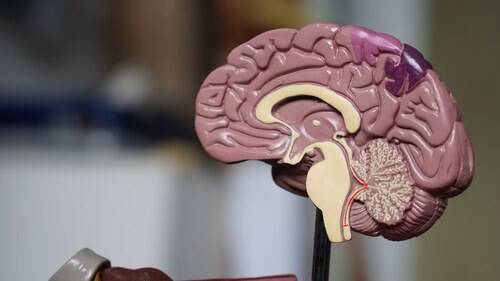
Photo by Robina Weermeijer via Unsplash
Individuals exploring tailored neurological assessments and rehabilitation services can learn about the approach offered by a functional chiropractic neurologist in Wood Dale, IL, including how care plans are developed around individual neurological concerns.
Why Neurological Rehabilitation Requires a Personalized Approach
The nervous system controls essential functions such as movement, balance, coordination, memory, and communication. When neurological conditions or injuries disrupt these functions, patients may experience symptoms that vary considerably in severity and duration. An individualized rehabilitation plan considers these differences and focuses on the specific challenges affecting each person’s daily activities.
For example, two individuals recovering from similar brain injuries may require completely different rehabilitation strategies. One patient might struggle with balance and physical coordination, while another experiences difficulties with concentration, memory, or communication. Recognizing these differences allows healthcare professionals to establish realistic treatment goals and select interventions appropriate for each patient’s needs.
The Role of Comprehensive Neurological Assessments
Effective neurological rehabilitation begins with understanding how a patient’s nervous system is functioning. Healthcare professionals may evaluate movement patterns, reflexes, balance, cognitive abilities, and other neurological functions to identify areas requiring attention. These assessments provide valuable information that helps guide treatment decisions and establish measurable rehabilitation goals.
A comprehensive evaluation also considers medical history, existing health conditions, medications, and lifestyle factors that may influence recovery. For patients experiencing multiple neurological symptoms, this broader perspective can help clinicians understand how different difficulties interact. Combining clinical findings with patient-reported concerns supports the development of a rehabilitation plan that addresses meaningful functional limitations.
How Individualized Treatment Plans Support Recovery
Personalized neurological rehabilitation allows healthcare professionals to select treatments based on a patient’s specific impairments and recovery goals. Depending on the diagnosis, rehabilitation may involve physical therapy, occupational therapy, speech therapy, balance training, or cognitive rehabilitation. Care is often coordinated by an interdisciplinary team that may include physicians such as neurologists or rehabilitation medicine specialists (physiatrists), therapists, and neuropsychologists. These interventions can be combined or adjusted according to clinical findings, patient tolerance, and progress over time.
Individualized care also recognizes that neurological recovery rarely follows a predictable timeline. Some patients make steady improvements, while others experience periods of slower progress or temporary setbacks. Regular reassessments allow rehabilitation professionals to modify exercises, introduce new challenges, or reconsider treatment strategies when necessary.
Understanding Neuroplasticity in Rehabilitation
Neuroplasticity refers to the nervous system’s ability to adapt and reorganize connections in response to learning, experience, and injury. This process plays an important role in neurological rehabilitation because repeated, meaningful activities can help support the development of functional skills. However, the extent of recovery depends on factors such as the underlying condition, injury severity, and the patient’s overall health.
Personalized rehabilitation programs can incorporate activities designed to encourage appropriate motor learning and cognitive engagement. For example, patients with coordination difficulties may practice specific movements repeatedly while gradually increasing task complexity. Rehabilitation professionals can adjust the intensity and difficulty of these activities to encourage progress without placing unnecessary demands on the patient.
Improving Patient Engagement and Long-Term Outcomes
Patients are often more motivated to participate in rehabilitation when treatment goals relate directly to their everyday lives. Someone recovering from a neurological injury may prioritize returning to work, walking independently, or managing household responsibilities. Connecting rehabilitation activities to these personal objectives can make treatment more meaningful and encourage consistent participation.
Individualized treatment planning also creates opportunities for patients and healthcare professionals to evaluate progress together. Regular discussions about improvements, persistent symptoms, and changing priorities help ensure that rehabilitation remains relevant. Although personalized treatment cannot guarantee recovery, it can support informed decision-making, realistic expectations, and better coordination throughout the rehabilitation process.
The Importance of Ongoing Monitoring and Adjustments
Neurological rehabilitation is an evolving process that requires continued observation and clinical judgment. As patients regain abilities or encounter new challenges, their rehabilitation needs may change significantly. Monitoring functional progress helps healthcare professionals determine whether current interventions remain appropriate or require modification.
Long-term management may also involve education about symptom monitoring, physical activity, fatigue management, and strategies for maintaining independence. Patients with chronic neurological conditions may benefit from periodic reassessments even after completing an intensive rehabilitation program. This ongoing approach helps align treatment recommendations with changing abilities and supports continued attention to neurological health.
Conclusion
Individualized treatment plans are an important part of effective neurological rehabilitation because they recognize that every patient’s symptoms, abilities, and recovery goals are different. Through comprehensive assessments, evidence-based interventions, ongoing monitoring, and meaningful patient involvement, healthcare professionals can develop rehabilitation strategies that address specific functional challenges. As neurological research continues to improve understanding of recovery and adaptation, personalized care remains a valuable approach to supporting independence, improving daily functioning, and helping patients work toward achievable long-term health goals.
For a broader overview of neurological recovery, see this MedicalResearch.com overview of stroke recovery.
The information on MedicalResearch.com is provided for educational purposes only, and is in no way intended to diagnose, cure, or treat any medical or other condition. Some links are sponsored. MedicalResearch.com and Eminent Domains Inc. do not warrant or endorse products or claims made by third party links. Always seek the advice of your physician or other qualified health provider and ask your doctor any questions you may have regarding a medical condition. In addition to all other limitations and disclaimers in this agreement, service provider and its third party providers disclaim any liability or loss in connection with the content provided on this website.
Last Updated on November 17, 2026 by Marie Benz MD FAAD