
14 Jul Understanding the Hidden Link Between Gut Health and Your Oral Microbiome
Your mouth is the gateway to your body, and it is not just a saying. More research is continuing to confirm that oral health plays a significant role in determining your overall well-being. For this reason, dental care has now moved beyond fixing cavities or whitening teeth. It is now viewed as an essential component of preventive health care.
If you’re in Australia, working with expert Melbourne dentists can help you stay ahead of these health connections. Let’s explore how your oral health influences key areas of your body and why dental care should be a priority.
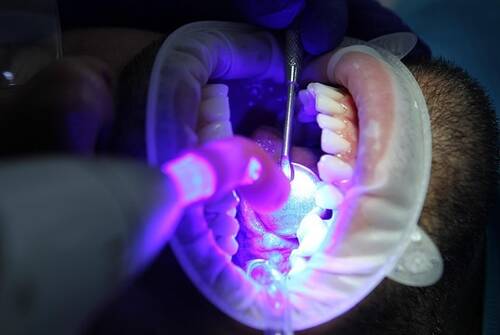
Dental health from Pixabay
The Science of the Oral-Systemic Health Connection
The oral cavity is home to over 700 bacterial species. These bacteria, when in balance, maintain a healthy environment. However, when the balance is disrupted — a state called dysbiosis — harmful bacteria can proliferate. This can lead to gum disease (periodontitis) and tooth decay and can allow bacteria to enter the bloodstream, potentially causing inflammation in other parts of the body.
Research has increasingly shown links between poor oral health and a range of systemic conditions. Understanding these connections underscores why maintaining good dental care is such an important part of overall preventive health.
Cardiovascular Disease
One of the most studied links is between oral bacteria and cardiovascular disease. Bacteria from periodontal disease can enter the bloodstream and travel to the heart. Studies have shown that oral pathogens like Porphyromonas gingivalis have actually been found in atherosclerotic plaques — the fatty deposits that build up in arteries — promoting their formation.
People with periodontitis are at a significantly higher risk of developing heart disease, having a stroke, or experiencing other cardiovascular events. Research has also linked poor oral health to hypertension — oral bacteria may be linked to hypertension risk, particularly in post-menopausal women, according to studies published through MedicalResearch.com.
Diabetes
The relationship between oral health and diabetes runs in both directions. People with diabetes are more susceptible to infections, including gum disease, because high blood sugar creates an environment where bacteria thrive. At the same time, severe gum disease can make it harder to control blood sugar levels, potentially worsening diabetes management.
Inflammation caused by periodontal bacteria can interfere with insulin function, contributing to insulin resistance. By treating gum disease, some studies have shown improvements in blood sugar control in people with type 2 diabetes. This bidirectional relationship means that dentists and physicians increasingly need to work together when managing diabetic patients.
Respiratory Health
The mouth’s proximity to the lungs makes it a potential entry point for harmful bacteria that can affect respiratory health. Oral bacteria can be inhaled into the lungs or travel via the bloodstream to cause or worsen respiratory conditions.
Studies have found links between poor oral health and an increased risk of pneumonia, chronic obstructive pulmonary disease (COPD), and other respiratory infections. For people who are already immunocompromised or elderly, this connection is particularly significant. Hospital-acquired pneumonia, in particular, has been associated with oral bacteria.
Pregnancy Outcomes
Hormonal changes during pregnancy can make the gums more sensitive and susceptible to inflammation, a condition often called pregnancy gingivitis. But the implications go beyond discomfort. Research has found that severe gum disease during pregnancy is associated with adverse outcomes, including premature birth and low birth weight.
The bacteria from the mouth can enter the bloodstream and reach the placenta, potentially triggering inflammatory responses that interfere with fetal development. For this reason, dental check-ups during pregnancy are not just safe — they are recommended. Early treatment of gum disease may help reduce the risk of these complications.
Cognitive Health and Dementia
Emerging research has highlighted a potential link between oral health and brain health. Studies have found that certain oral bacteria, particularly Porphyromonas gingivalis, have been detected in the brains of Alzheimer’s patients. The toxins produced by these bacteria, known as gingipains, may contribute to the neuroinflammation and neurodegeneration associated with the disease.
While more research is needed to establish a definitive causal relationship, the findings suggest that maintaining oral health could be an important factor in preserving cognitive function as we age. Chronic inflammation caused by untreated gum disease may play a role in the development of dementia.
How to Take Care of Your Oral Health
The good news is that many of these health risks can be reduced with proper oral hygiene and regular dental visits. Here are key practices to protect both your oral and overall health:
Brush and Floss Daily
Brush your teeth at least twice a day using fluoride toothpaste and floss daily to remove plaque and bacteria from between your teeth, where a toothbrush cannot reach.
Use Mouthwash
An antimicrobial mouthwash can help reduce bacterial levels in the mouth, particularly in hard-to-reach areas.
Visit Your Dentist Regularly
Regular check-ups and professional cleanings are essential. Your dentist can detect early signs of gum disease, tooth decay, oral cancer, and other conditions before they become serious.
Eat a Balanced Diet
Limit sugary and acidic foods and drinks, which contribute to tooth decay and feed harmful bacteria. A diet rich in fruits, vegetables, lean proteins, and calcium supports both oral and overall health.
Avoid Smoking and Excessive Alcohol
Both smoking and heavy alcohol consumption significantly increase the risk of gum disease, oral cancer, and tooth loss. Quitting or reducing these habits benefits both your mouth and your overall health.
Stay Hydrated
Saliva is one of the mouth’s natural defenses against bacteria. Drinking enough water helps maintain adequate saliva flow, which protects against tooth decay and gum disease.
Conclusion: A Healthier Mouth for a Healthier Life
The evidence is clear: oral health is not separate from the rest of your health. It is deeply connected to your heart, lungs, blood sugar, pregnancy outcomes, and even brain function. Investing in your dental care is one of the most effective ways to protect your overall health and quality of life.
Whether you need a routine check-up, treatment for gum disease, or cosmetic improvements, prioritizing dental visits is a smart and proactive health decision. Your mouth may be small, but its impact on your health is immense.
Disclaimer: The information on MedicalResearch.com is provided for educational purposes only, and is in no way intended to diagnose, cure, or treat any medical or other condition. Some links are sponsored. Products, services and providers are not warranted or endorsed by MedicalResearch.com or Eminent Domains Inc. Always seek the advice of your physician or other qualified health provider and ask your doctor any questions you may have regarding a medical condition. In addition to all other limitations and disclaimers in this agreement, service provider and its third party providers disclaim any liability or loss in connection with the content provided on this website.
Last Updated on July 14, 2026 by Marie Benz MD FAAD