
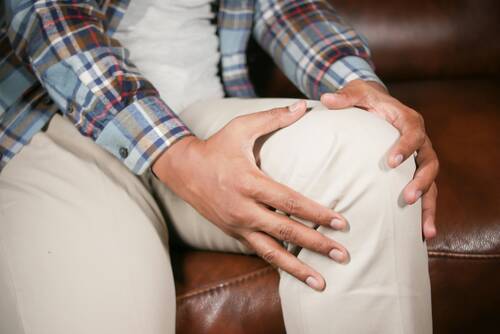
08 Apr The Evolution of Evidence-Based Therapy for Knee Pain in Modern Orthopaedics
Musculoskeletal research has undergone a significant transformation over the last decade. Historically, patients presenting with chronic joint degeneration were often directed toward invasive surgical procedures or relied heavily on pharmacological interventions to mask their symptoms. Today, clinical paradigms have shifted profoundly toward conservative joint preservation. Recent updates in orthopaedic care emphasise managing osteoarthritis pain without relying on medication, noting that targeted physical therapy, weight management, and customised movement regimens can be truly transformative in preserving long-term joint function.
This transition away from immediate surgery is not merely a passing medical trend but a rigorously validated approach supported by extensive clinical trials and peer-reviewed data. As the global population ages, researchers continue to explore robust pathways to delay or entirely prevent the need for joint replacements, focusing instead on sustainable biomechanical correction.
Clinical Guidelines Prioritise Conservative Care
The global medical community has increasingly recognised the profound efficacy of non-surgical interventions. Leading medical institutions now officially recommend exhausting all conservative treatment avenues before even considering arthroplasty or other invasive measures. For individuals managing chronic discomfort, participating in targeted therapy for knee pain yields functional outcomes that are often comparable, if not superior, to early surgical intervention. The foundation of this shift lies in robust clinical data demonstrating that structured rehabilitation is highly effective for patients with mild to moderate joint issues.
According to the latest evidence-based clinical practice guidelines from the American Academy of Orthopaedic Surgeons (AAOS), conservative management strategies such as supervised exercise and neuromuscular training are strongly recommended to improve joint function and reduce discomfort before considering surgical intervention. Their systematic reviews confirm with moderate to strong evidence that these non-operative interventions significantly elevate the quality of life for patients.
By focusing on improving the structural support around the affected joint, practitioners can fundamentally alter the trajectory of degenerative conditions. Furthermore, educating patients on the physiological mechanisms of their discomfort fosters better adherence to prescribed recovery protocols.
Modern Approaches to Joint Rehabilitation
Translating these rigorous clinical guidelines into real-world patient care requires a highly structured and individualised approach. Clinicians are moving swiftly away from generic, one-size-fits-all exercise sheets. Instead, they are designing comprehensive rehabilitation programmes based on detailed biomechanical assessments and objective movement data. This precision medicine model enables therapists to identify specific muscular imbalances and structural deficits that contribute to joint overload.
For patients experiencing chronic discomfort, participating in evidence-based rehabilitation provides access to precise diagnostics and targeted interventions that address the root cause of musculoskeletal dysfunction. Modern physiotherapy clinics utilise a combination of manual techniques, advanced therapeutic modalities, and progressive load management to restore mobility and joint stability. This evidence-based model ensures that each stage of a patient’s recovery is carefully monitored and adjusted according to their physiological response. It bridges the critical gap between academic orthopaedic research and practical, patient-facing rehabilitation strategies, giving individuals a clear roadmap to sustained recovery.
Key Components of Effective Non-Operative Treatment
The success of conservative management ultimately depends on a multifaceted, comprehensive approach. Clinical evidence points to several core elements that must be integrated into a patient’s recovery plan to achieve optimal, long-lasting outcomes. When treating complex musculoskeletal presentations, leading practitioners typically focus on the following foundational pillars:
- Targeted Strengthening: Building the load-bearing capacity of the quadriceps, hamstrings, and gluteal muscles to absorb impact efficiently and reduce direct stress on the articular cartilage.
- Neuromuscular Re-education: Enhancing proprioception, balance, and movement mechanics to correct the subconscious compensatory patterns that often exacerbate joint wear and tear.
- Manual Therapy: Utilising precise, hands-on joint mobilisation techniques to restore a normal range of motion, decrease surrounding tissue stiffness, and facilitate better fluid dynamics within the joint capsule.
- Load Management Education: Teaching patients how to intelligently modify their daily activities and recreational exercise routines to prevent acute symptom flare-ups while maintaining vital cardiovascular fitness.
- Weight Management Strategies: Incorporating nutritional guidance or collaborating with dietitians to reduce overall systemic inflammation and decrease the mechanical burden placed on the lower extremities.
The Future of Joint Preservation
As the field of orthopaedics continues to evolve, the distinction between high-level clinical research and practical rehabilitation becomes increasingly seamless. The robust data supporting conservative management validates a proactive, rather than reactive, approach to joint health. By prioritising evidence-based interventions over immediate surgical solutions, medical professionals are empowering patients to take an active, informed role in their recovery journey.
The strategic integration of supervised exercise, manual therapy, and biomechanical correction offers a sustainable, scientifically backed pathway to overcoming chronic joint conditions. Ultimately, this comprehensive methodology ensures that patients can maintain their independence, mobility, and quality of life for years to come.
Benefits of a Conservative-First Approach at a Glance
- Reduced dependence on pain medications
- Improved long-term joint stability and function
- Shorter recovery times compared to post-surgical rehabilitation
- Lower healthcare costs and reduced surgical risk
- Empowerment through patient education and self-management
- Potential to delay or avoid arthroplasty entirely
Disclaimer: The information on MedicalResearch.com is provided for educational purposes only, and is in no way intended to diagnose, cure, or treat any medical or other condition. Some links are sponsored. Products, services and providers are not warranted or endorsed. Always seek the advice of your physician or other qualified health and ask your doctor any questions you may have regarding a medical condition. In addition to all other limitations and disclaimers in this agreement, service provider and its third party providers disclaim any liability or loss in connection with the content provided on this website.
Last Updated on April 10, 2026 by Marie Benz MD FAAD