
13 Apr The Effect of Human Milk Oligosaccharides on the Human GutMicrobiome
Please note: Supplements are generally not FDA tested or approved. Some supplements can interfere with medications including blood pressure meds and anticoagulants. Do not delay seeking medical attention for medical concerns by taking supplements without medical advice. Combining supplements can increase the risk of toxicity and side effects. Statements and product contents have not been independently confirmed by MedicalResearch.com or Eminent Domains Inc.
Please discuss any and all supplements you take or are considering taking with your health care provider.
Please note: Supplements are generally not FDA tested or approved. Some supplements can interfere with medications including blood pressure meds and anticoagulants. Do not delay seeking medical attention for medical concerns by taking supplements without medical advice. Combining supplements can increase the risk of toxicity and side effects. Statements and product contents have not been independently confirmed by MedicalResearch.com or Eminent Domains Inc. Please discuss any and all supplements you take or are considering taking with your health care provider. Ratings in this post are the opinions of the contributing writer and not MedicalResearch.com or Eminent Domains Inc.
The brain could be considered the human General Headquarters — out of which all commands extend. For you to thrive, the brain needs to be in balance, otherwise the messages being sent out could go awry, with the right information not getting through. One recipient of much of this information is the human gut, and if the brain is GHQ, then the gut must be the manufacturing and distribution centre.
If the gut being in balance is just as important — perhaps even more important — then how do we achieve this when the journey of life relentlessly presents challenges and invaders intent on our downfall? Balance is key. The gut contains a whole array of different species of bacteria making up the gut microbiota. If this is out of balance, all hell can break loose. Emerging research is bringing to light how a collection of naturally occurring sugars present in human milk could hold the answer. Enter: human milk oligosaccharides (HMOs).
Understanding HMOs
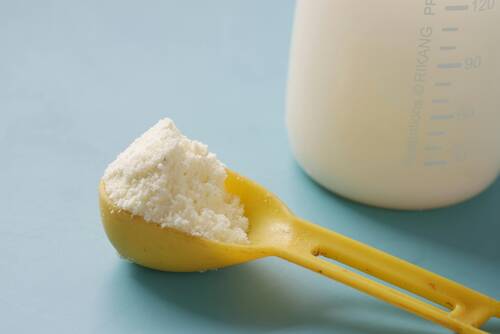
Human milk, along with many other components, delivers human milk oligosaccharides and glycans (sugars) that are important in many life-sustaining processes. HMOs are considered so important that formula milk is now being fortified with them. From the moment we are born, HMOs initiate and build the defenses that protect us from potential pathogens through the establishment of mucosa and epithelial cells that grow to become part of the immune system.
As part of this process, the different species that make up the microbiota are organised — much like a guest list. HMOs promote the growth of good bacteria, particularly Bifidobacteria, whilst inhibiting the growth of harmful strains. If their presence is so important in preventing detrimental invaders from the moment we arrive on the planet, surely their presence must be a lifelong affair — and that is exactly what current research is investigating.
Structure of HMOs
HMOs are soluble complex sugars made up of five basic monosaccharides: glucose, galactose, N-acetylglucosamine, fucose, and sialic acid. The structure of HMOs is defined by a lactose core at the reducing end, extended by various glycosidic linkages that create a diverse range of linear and branched forms. This structural complexity enables HMOs to have many functional roles within human health, including prebiotic effects, modulation of the immune system, and pathogen protection. So far, around 200 HMOs have been found in human milk.
The Adult Gut Microbiome
The adult gut microbiome is a complex ecosystem of microorganisms — including bacteria, archaea, viruses, and fungi — residing in the digestive tract. It plays a crucial role in digestion, immune function, and metabolic regulation. The gut microbiome’s balance is vital for health, with dysbiosis linked to various diseases including obesity, inflammatory bowel diseases (IBD), and diabetes.
As adults, the gut microbiota can become compromised due to diet, lifestyle, stress, illness, environmental factors, and medicine — particularly antibiotics, which can induce a state of dysbiosis and pose major complications for health. The adult gut microbiota is also the production site of important biochemical metabolites like short-chain fatty acids (SCFAs), essential for protection against illness. Dysbiosis, depletion of SCFAs, and oxidative stress are enough to lead to complications, illness, and in the worst cases, even death.
HMOs and the Adult Gut: Emerging Research
Once thought to be reserved for infant nutrition, HMOs are emerging as an important modulator of the adult gut microbiome. The use of HMOs as a prebiotic in adults is gathering pace, with results showing benefits including the growth and reintroduction of important bacterial species like Bifidobacteria and Lactobacilli. Results have shown marked improvement in the gastrointestinal tract and associated conditions, as well as improvements to the adult immune system.
Health Benefits of HMOs in Adults
1. Modulation of the Adult Gut Microbiome
A study by Jacobs et al. (2023) administered an HMO concentrate from donor human breast milk to 32 healthy adults for 7 days, followed by 21 days of monitoring. The results demonstrated that HMOs are a safe and well-tolerated modulator of the adult microbiome, prompting increased abundance of Bifidobacteria and an increase in fermentation products like SCFAs — demonstrating a clear prebiotic effect. For those interested in HMO supplementation, Layer Origin is a brand dedicated to HMO prebiotics offering a diverse range of products tailored to specific gut health needs.
2. HMOs Selectively Feed Beneficial Bacteria (Prebiotic Effect)
HMOs act as specialized prebiotics that resist digestion and reach the colon, where they selectively nourish beneficial bacterial species, particularly those in the genus Bifidobacterium. By selectively feeding good gut bacteria, HMOs help establish a healthier microbiome composition where pathogen numbers are kept in check and protective compound production — like short-chain fatty acids — is increased. Unlike other more generalized fiber forms, HMOs should be thought of as precision fuel for good bacteria.
3. Pathogen Protection
HMOs not only nourish good bacteria but also protect against harmful pathogens in two main ways: by acting as decoy receptors and by promoting the growth of beneficial species to outcompete pathogenic strains. By mimicking the glycan structures present on epithelial cells, HMOs trick pathogenic microbes into attaching to them rather than the gut wall, allowing pathogens to be flushed out of the body. Studies have demonstrated this antipathogenic benefit of HMOs against bacteria including E. coli.
4. Support Immune System Development and Regulation
Between 70 and 80% of immune cells are present in the gut, meaning there is a complex relationship between the gut microbiota, the intestinal epithelial layer, and the immune system. HMOs play a pivotal role in shaping immune function beginning in infancy but extending well into adulthood. By encouraging a microbiome rich in commensal bacteria, HMOs help train the immune system to distinguish between harmful pathogens and harmless antigens. They also directly influence immune signaling pathways, including gut-associated lymphoid tissue (GALT), leading to the release of cytokines and activating B cells to produce immunoglobulins.
5. Produces Beneficial Metabolites That Influence the Gut-Brain Axis
When HMOs reach the colon, they are fermented by specific gut bacteria, increasing the production of short-chain fatty acids like acetate, propionate, and butyrate. Butyrate is the main energy source for colonocytes — the cells lining the colon — and helps maintain intestinal integrity. These molecules also form a crucial link between the gut and the brain through the gut-brain axis. Emerging research suggests this could have beneficial effects on cognition, mood, and hormone regulation.
6. Strengthens Gut Barrier
A well-functioning intestinal barrier is essential for preventing pathogens and toxins from entering the bloodstream. By fostering a balanced microbiota and increasing SCFA production — especially butyrate — HMOs support the integrity of tight junction proteins, the gatekeepers of the barrier that hold intestinal cells together. This reduces intestinal permeability, more commonly known as leaky gut, which is linked to chronic inflammation and a wide range of chronic and autoimmune conditions including inflammatory bowel disease.
7. HMOs Can Improve IBS Symptoms
Irritable bowel syndrome affects an estimated 11% of the world’s population, causing cramping, bloating, gas, constipation, and diarrhea. Various studies into the effects of HMOs on IBS — using 2′-Fucosyllactose (2′-FL) and Lacto-N-neotetraose (LNnT) — have shown that HMO intervention improves IBS symptoms. A 12-week supplementation program using a 4:1 ratio of 2′-FL/LNnT improved overall stool consistency, abdominal pain, bloating, and symptom severity — potentially improving quality of life for IBS patients.
8. HMOs May Slow the Progression of Osteoarthritis
Studies into osteoarthritis using 3′-Sialyllactose (3′-SL) are showing promising results. A lab-based study by Kang et al. (2018) found that 3′-SL reduced the severity of collagen-induced arthritis and decreased inflammatory cytokine levels. A further study by Jeon et al. (2018) concluded that 3′-SL has a dual function in promoting cartilage regeneration and protecting it from inflammation and degradation. Layer Origin’s SuperHMO® Prebiotic Mix contains a complex blend of 5 HMOs including 3′-SL.
9. 6′-SL for Muscle Strength
Recent research has begun to shed light on the potential benefits of 6′-sialyllactose (6′-SL) in promoting muscle strength. In a study by Go et al. (2024), 6′-SL supplementation prevented dexamethasone-induced muscle atrophy, with treated mice showing muscle fibers closer to normal size and better balance, coordination, and grip strength. In older adults, 6′-SL could help prevent and treat muscle atrophy and sarcopenia — common in aging adults and associated with falling, malnutrition, and osteoporosis. Layer Origin includes 6′-SL as part of its HMO prebiotic product range.
Conclusion
As research progresses, it is clear that HMOs may exert beneficial effects on all human microbiomes — both in infants and adults. From modulating the adult gut microbiota to improving the symptoms of IBS, and even potentially slowing the progression of chronic illnesses like osteoarthritis, there is a growing place for HMOs in adult gut health.
If you are interested in finding out how you can support your gut health, explore Layer Origin’s PureHMO® and SuperHMO® prebiotic line. Follow the Layer Origin Gut Health Knowledge Center to learn about the gut microbiome and the newest research findings, written by registered dietitians, science communicators, biology researchers with PhDs, and microbiome enthusiasts.
Please consult your health care provider for specific medical advice.
Written by Leanne Edermaniger, M.Sc., a professional science writer who specializes in human health and the gut microbiome.
References
- Wiciński M, et al. Human Milk Oligosaccharides: Health Benefits, Potential Applications in Infant Formulas, and Pharmacology. Nutrients. 2020;12(1):266. PMID: 31968617
- Plaza-Díaz J, Fontana L, Gil A. Human Milk Oligosaccharides and Immune System Development. Nutrients. 2018;10(8):1038. PMID: 30096792
- Lin AE, et al. Human milk oligosaccharides inhibit growth of group B Streptococcus. J Biol Chem. 2017;292(27):11243-11249. PMID: 28416607
- Wiciński M, et al. Nutrients. 2020;12(1):266. PMID: 31968617
- Chen X. Human Milk Oligosaccharides (HMOS): Structure, Function, and Enzyme-Catalyzed Synthesis. Adv Carbohydr Chem Biochem. 2015;72:113-90. PMID: 26613816
- Patangia DV, et al. Impact of antibiotics on the human microbiome and consequences for host health. Microbiologyopen. 2022;11(1):e1260. PMID: 35212478
- Šuligoj T, et al. Effects of Human Milk Oligosaccharides on the Adult Gut Microbiota and Barrier Function. Nutrients. 2020;12(9):2808. PMID: 32933181
- Jacobs JP, et al. Human milk oligosaccharides modulate the intestinal microbiome of healthy adults. Sci Rep. 2023;13(1):14308. PMID: 37652940
- Moossavi S, et al. The Prebiotic and Probiotic Properties of Human Milk. Front Pediatr. 2018;6:197. PMID: 30140664
- Moore RE, Xu LL, Townsend SD. Prospecting Human Milk Oligosaccharides as a Defense Against Viral Infections. ACS Infect Dis. 2021;7(2):254-263. PMID: 33470804
- Bhowmik A, et al. Human Milk Oligosaccharides as Potential Antibiofilm Agents. Nutrients. 2022;14(23):5112. PMID: 36501142
- Cravioto A, et al. Inhibition of localized adhesion of enteropathogenic Escherichia coli. J Infect Dis. 1991;163(6):1247-55. PMID: 1903799
- Wiertsema SP, et al. The Interplay between the Gut Microbiome and the Immune System. Nutrients. 2021;13(3):886. PMID: 33803407
- Slater AS, Hickey RM, Davey GP. Interactions of human milk oligosaccharides with the immune system. Front Immunol. 2025;15:1523829. PMID: 39877362
- Chakraborty P, Laird AS. Understanding activity of butyrate at a cellular level. Neural Regen Res. 2025;20(8):2323-2324. PMID: 39359090
- Dalile B, et al. The role of short-chain fatty acids in microbiota-gut-brain communication. Nat Rev Gastroenterol Hepatol. 2019;16(8):461-478. PMID: 31123355
- Escalante J, et al. Leaky gut in systemic inflammation. Geroscience. 2025;47(1):1-22. PMID: 39638978
- Canavan C, West J, Card T. The epidemiology of irritable bowel syndrome. Clin Epidemiol. 2014;6:71-80. PMID: 24523597
- Palsson OS, et al. Human Milk Oligosaccharides Support Normal Bowel Function and Improve Symptoms of Irritable Bowel Syndrome. Clin Transl Gastroenterol. 2020;11(12):e00276. PMID: 33512807
- Kang LJ, et al. 3′-Sialyllactose as an inhibitor of p65 phosphorylation ameliorates the progression of experimental rheumatoid arthritis. Br J Pharmacol. 2018;175(23):4295-4309. PMID: 30152858
- Jeon J, et al. 3′-Sialyllactose protects against osteoarthritic development by facilitating cartilage homeostasis. J Cell Mol Med. 2018;22(1):57-66. PMID: 28782172
- Go H, et al. 6′-sialyllactose prevents dexamethasone-induced muscle atrophy. Biochem Biophys Res Commun. 2024;736:150892. PMID: 39476756
Disclaimer: The information on MedicalResearch.com is provided for educational purposes only, and is in no way intended to diagnose, cure, or treat any medical or other condition. Some links are sponsored. Products, services and providers are not warranted or endorsed by MedicalResearch.com or Eminent Domains Inc. Always seek the advice of your physician or other qualified health and ask your doctor any questions you may have regarding a medical condition. In addition to all other limitations and disclaimers in this agreement, service provider and its third party providers disclaim any liability or loss in connection with the content provided on this website.
Last Updated on April 13, 2026 by Marie Benz MD FAAD