
08 Jun Commonly Asked Questions About Botox, Answered
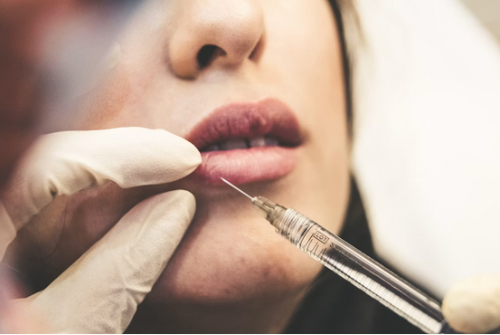
Photo by Sam Moghadam on Unsplash
Botox has long been seen as a medical treatment exclusive to celebrities. They use it to address their fine lines and wrinkles and maintain their youthful glow. However, Botox isn’t as exclusive as you think, nor is it just for wrinkles and staying young. Learn more about this globally popular treatment below.
What Does Botox Do to Your Body?
When you receive a Botox injection, also known as the botulinum toxin, it temporarily blocks the nerve chemical in your body called acetylcholine. This prevents nerve signals from reaching specific muscles, resulting in local relaxation. Over time, your nerves regenerate, and your muscle function returns as your body metabolizes the protein.
This process has meant that Botox is a versatile treatment option for a range of conditions and issues beyond cosmetic purposes, such as chronic migraines, hyperhidrosis, and muscle spasms.
What Is the Typical Duration of Botox?
As our bodies naturally metabolize Botox, the effects are temporary. To maintain them, whether it’s for stopping muscle contractions, sweat, or pain signals, multiple treatments are necessary. The length of each treatment depends on the treatment area.
Most people who receive Botox in their forehead and crow’s lines notice that it lasts for three to four months, but when applied for excessive sweating, the effects can last six months or longer. If you’re receiving Botox for chronic migraines, you may need repeated treatment every three months.
Is 40 Too Late to Start Botox?
If you’re thinking about starting Botox for cosmetic reasons, it’s common to question the best age. Many people start injecting Botox in their late 20s or early 30s as a preventative measure, but you don’t have to. Starting in your 40s is still highly effective for treating wrinkles. The best time to start is when your lines bother you, no matter your age.
What Should You Not Do After Botox?
Being treated with the botulinum toxin by a licensed and trained medical professional is largely viewed as safe. However, healthcare professionals provide their patients with a list of things they shouldn’t do after treatment to stop the Botox from migrating: Follow your provider’s recommendations for specific advice.
● Don’t bend over or lie down for four hours
● Don’t touch or rub your face for four hours
● Avoid strenuous exercise for 24 hours
● Skip blood thinners and alcohol for 24 hours to minimize bruising
● Avoid excessive heat for 48 hours
● Hold off on receiving facial treatments for two weeks
● Avoid caffeine for 24 to 48 hours to reduce the risk of bruising and swelling
Where Can I Get Botox?
Botox is a versatile treatment option for many different parts of the body, whether you want to reduce muscle tension, smooth wrinkles, or reduce sweating:
● Facial and neck areas, such as the forehead, around the eyes, nose bridge, chin, lips, and neck
● Underarms, palms, and soles of feet to address severe underarm sweating, known as hyperhidrosis
● The jaw to relieve TMJ pain and for teeth grinding, called bruxism
● Shoulders and trapezius to relieve muscle stiffness and chronic tension
Medical professionals administer Botox all around the world, yet not everyone understands its many uses and value. If you’re thinking about receiving Botox for fine lines, wrinkles, or to manage the symptoms of a health condition, talk to your local certified medical professional.
For more on cosmetic treatments and dermatology research, see MedicalResearch.com’s dermatology research coverage.
Disclaimer: The information on MedicalResearch.com is provided for educational purposes only, and is in no way intended to diagnose, cure, or treat any medical or other condition. Some links are sponsored. Products, services and providers are not warranted or endorsed by MedicalResearch.com or Eminent Domains Inc. Always seek the advice of your physician or other qualified health and ask your doctor any questions you may have regarding a medical condition. In addition to all other limitations and disclaimers in this agreement, service provider and its third party providers disclaim any liability or loss in connection with the content provided on this website.
Last Updated on June 8, 2026 by Marie Benz MD FAAD