
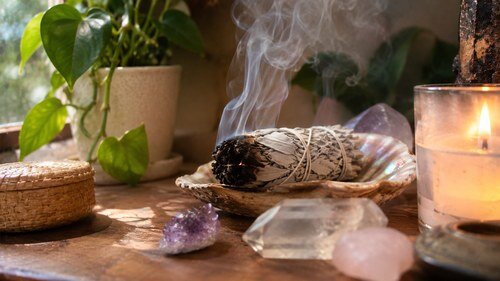
16 Nov Burning Sage Benefits: Understanding Its Potential Role in Health and Wellness
Health Notice: Burning sage releases smoke that can irritate the lungs and eyes, and research on its health effects is still developing. This article is for general information only and should not replace medical advice. If you have asthma, COPD, heart disease, or another respiratory condition, or are pregnant, speak with your healthcare provider before burning sage indoors. Never leave burning sage unattended.
Editorial Notice: This content is not specific medical advice. Products and retailers mentioned in this article are not warranted or endorsed by MedicalResearch.com or Eminent Domains Inc.
Burning sage has become one of the most recognizable wellness rituals in recent years. Whether it’s used to begin the day, unwind after work, or create a more peaceful atmosphere at home, many people describe the practice as calming and restorative.
Some believe that one of the benefits of burning sage is that it cleanses negative energy. Others say it purifies the air or promotes better health. While science doesn’t support every popular claim, researchers have begun exploring how rituals, aromatics, and mindfulness can influence well-being.
Here’s what current evidence says about the potential benefits of burning sage, where research is still evolving, and how to enjoy the practice safely.
A Tradition That Extends Far Beyond Modern Wellness
Burning sacred plants has been practiced for centuries across many cultures. Among numerous Indigenous nations in North America, ceremonial smoke plays an important spiritual role. Depending on the community, different plants such as white sage, cedar, sweetgrass, or tobacco may be used, and not every nation refers to the practice as smudging.
For these communities, the purpose is often spiritual connection, prayer, purification, or gratitude rather than physical health. Understanding these cultural roots helps place today’s wellness trends into proper context.
As interest in the benefits of burning sage has grown, so has concern over sustainability. Reports have highlighted the overharvesting of wild white sage, making it increasingly important to choose responsibly sourced products that support ethical cultivation rather than wild collection.
Burning Sage May Encourage Relaxation and Mindfulness
Perhaps the most meaningful benefit of burning sage isn’t the smoke itself but the ritual surrounding it.
Lighting a bundle naturally encourages people to slow down for a few moments. The gentle scent, the visual movement of the smoke, and the intention behind the practice can help create a transition from a busy day into a calmer state of mind.
Research on aromatherapy offers some insight. A 2023 systematic review by researchers at Trinity College Dublin, covering 76 studies and more than 6,500 participants in clinical settings, found that most of the inhaled aromatherapy interventions studied were associated with reduced anxiety compared with control groups. The researchers also noted considerable differences between studies and called for more rigorous research.
It’s important to note that these studies examined essential oils rather than sage smoke specifically. Even so, they suggest that pleasant aromas combined with intentional relaxation may contribute to emotional well-being.
For many people, the benefits of burning sage are similar to those of meditation, deep breathing, or lighting a candle before journaling. The ritual creates a moment to slow down, reflect, and become more present.
For more on stress and mood, browse the MedicalResearch.com mental health research section.
The Scent May Help Create a More Peaceful Environment
Scents are closely connected to memory and emotion. A familiar fragrance can remind someone of home, signal the end of a stressful day, or simply make a space feel more comfortable.
Although researchers haven’t established unique psychological benefits of burning sage and the smoke it produces, creating a pleasant sensory environment is itself a recognized part of many wellness practices. For some people, burning sage before meditation, yoga, prayer, or quiet reflection becomes a personal cue that it’s time to slow down. Over time, these repeated associations may strengthen the feeling of relaxation whenever the ritual is performed.
Enjoy the Ritual While Keeping Indoor Air in Mind
Like incense, candles, fireplaces, and other burning materials, sage produces smoke containing fine particles, so it adds to indoor air pollution rather than purifying the air. The EPA (U.S. Environmental Protection Agency) lists burning candles and incense among the household sources of indoor particulate matter.
For most healthy adults, occasional use in a well-ventilated room is generally considered unlikely to cause significant problems. However, people with asthma, allergies, chronic lung disease, or heart conditions may be more sensitive to smoke exposure, as may children and older adults.
If you notice coughing, headaches, eye irritation, or shortness of breath, extinguish the sage, improve ventilation, and avoid further exposure. Seek medical care if breathing problems are severe or don’t improve.
Simple precautions can make the experience more comfortable:
- Burn sage in a well-ventilated room with an open window or exhaust fan.
- Keep burning sessions brief.
- Use a fireproof bowl or shell, and never leave burning sage unattended.
- Make sure the bundle is fully extinguished before walking away.
- Keep burning sage away from children and pets.
- Purchase sage from ethical, sustainably sourced suppliers whenever possible.
Respecting the Cultural Tradition
As sage has become more commercially available, many Indigenous communities have encouraged consumers to learn about its cultural significance rather than viewing it simply as another wellness product.
Reaping the benefits of burning sage also means understanding its history, recognizing that spiritual traditions differ across cultures, and supporting growers who cultivate sage sustainably.
For many people, appreciating the origins of the practice adds greater meaning to the experience itself.
The Bottom Line
Burning sage isn’t a proven medical treatment, and many of the claimed benefits of burning sage are not supported by strong scientific evidence. That said, the practice can still hold personal, cultural, and spiritual value for many people.
Its greatest strengths appear to lie in what it encourages: slowing down, creating moments of mindfulness, and setting aside time for reflection. Combined with pleasant aromas and intentional routines, these qualities can contribute to a greater sense of calm for many people.
When practiced in moderation, with good ventilation and respect for its cultural roots, burning sage can be a meaningful addition to a personal wellness routine. Rather than expecting dramatic health effects, it may be most helpful to think of burning sage as one of many simple rituals that support relaxation and emotional well-being.
For a fuller rundown of the popular claims, see this guide to the benefits of burning sage. Then weigh those claims against the evidence above. MedicalResearch.com’s guide on how to evaluate a clinical trial can help you read studies with a sharper eye.
The information on MedicalResearch.com is provided for educational purposes only, and is in no way intended to diagnose, cure, or treat any medical or other condition. Some links are sponsored. MedicalResearch.com and Eminent Domains Inc. do not warrant or endorse products or claims made by third party links. Always seek the advice of your physician or other qualified health provider and ask your doctor any questions you may have regarding a medical condition. In addition to all other limitations and disclaimers in this agreement, service provider and its third party providers disclaim any liability or loss in connection with the content provided on this website.
Last Updated on November 16, 2026 by Marie Benz MD FAAD