
Sports

Health notice: This article is for general education and is not medical advice. After a car accident or other injury, seek emergency care right away for warning signs such as a severe or worsening headache, repeated vomiting, confusion, loss of consciousness, seizures, slurred speech, weakness, numbness, or loss of bladder or bowel control. Chiropractic care does not replace medical evaluation, and neck manipulation may not be appropriate for everyone, particularly after trauma. Talk with a physician about which type of care is right for your injury.
Editorial note: This article features a named chiropractic practice, and statements about the practitioner's experience and credentials are provided by the practice. MedicalResearch.com does not endorse specific providers. Readers can verify credentials directly with the certifying boards.

When people hear that a chiropractor is board-certified in sports medicine, they often assume that credential is relevant only to professional athletes, college competitors, or people who regularly participate in sports. But the principles of sports medicine extend far beyond athletic competition.
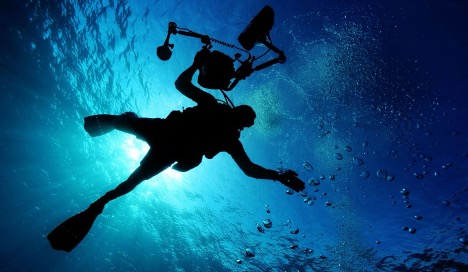

Diving Safety Notice: Decompression sickness is a medical emergency. If you or a dive buddy develop joint or muscle pain, numbness, weakness, dizziness, trouble breathing, confusion, or unusual fatigue after a dive, give 100% oxygen if available and trained to do so, call local emergency services, and contact the Divers Alert Network (DAN) 24/7 Emergency Hotline at +1-919-684-9111. Do not wait to see whether symptoms improve. This content is for general information only and is not medical advice or a substitute for dive training. Follow the guidance of your training agency, dive computer, and a diving medicine physician. Products and companies linked in this post are not warranted or endorsed by MedicalResearch.com or Eminent Domains Inc.

Decompression sickness is one of the main safety concerns of scuba diving. It occurs when inert gas (usually nitrogen) that has dissolved in the body's tissues and blood forms bubbles as the surrounding pressure drops during or after ascent. While depth and bottom time are key factors, research has also shown that the way a diver returns to the surface can affect decompression stress.

Controlling ascent rate and making shallow safety stops are therefore central to modern guidance. Both are used to reduce unnecessary decompression stress and give the body extra time to eliminate dissolved gas; neither can completely eliminate the risk of decompression sickness.

[caption id="attachment_76869" align="alignleft" width="200"]julia-gallini-200 Julia Gallini[/caption]

Julia Gallini PhD Candidate, Biostatistics Boston University

Because chronic traumatic encephalopathy (CTE) can currently be diagnosed only after death, estimates of how common it is depend on brain bank data, and brain donors are not a random sample of players.