
28 Oct Is It Mum Burnout or Perimenopause? The Signs Busy Mums Often Miss
Health Notice: Hormone replacement therapy, including bioidentical and pellet therapy, should only be prescribed and monitored by your healthcare provider. The Menopause Society and ACOG don’t recommend compounded pellets for routine use. The doses aren’t FDA-approved, can’t be adjusted or removed once placed, and can raise hormone levels too high. See a doctor promptly for very heavy or prolonged bleeding, bleeding between periods, or any bleeding after menopause as well as your regular checkups. If you are experiencing persistent low mood or thoughts of harming yourself, call or text 988 (Suicide & Crisis Lifeline) or text HOME to 741741 in the U.S.; in the UK, call Samaritans free on 116 123.
Editorial Notice: This article is for general information and is not specific medical advice. Clinics and providers named or linked in this article are not warranted or endorsed by MedicalResearch.com or Eminent Domains Inc.
It’s 3 pm, and you’ve hit the wall. You’ve done the school run, answered a pile of work emails, tracked down a missing PE kit, and forgotten why you walked upstairs. By teatime, you’re snapping at the kids over nothing, and at 3 a.m., you’re wide awake with your mind racing. Most of us shrug and call it mum life. Yet hormone specialists, including the team at Bio Hormone Center, a physician-led hormone replacement clinic headed by board-certified gynecologist Dr. Michael Augustino, according to the clinic, list fatigue, brain fog, moodiness, and poor sleep among the most common signs of shifting hormones.
So if you’re knackered in a way a lie-in never fixes, it’s worth asking a different question. Is this burnout, or could it be perimenopause? The honest answer is that it can be both, and knowing the difference changes what actually helps.
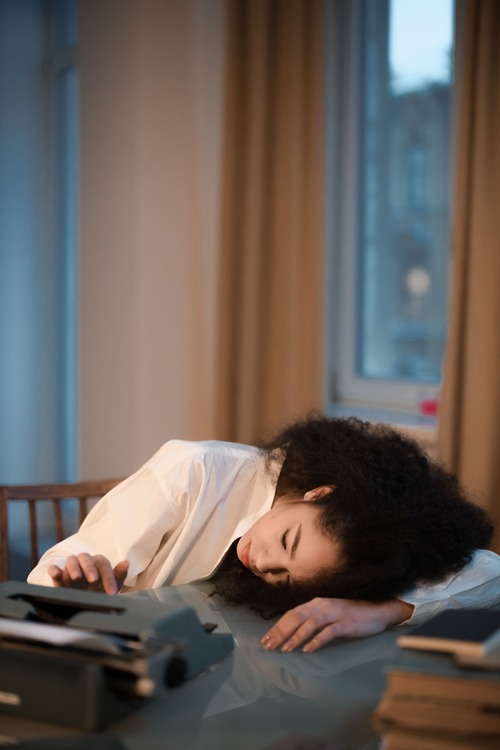
Photo by Ron Lach via Pexels
How do I know if it’s burnout or perimenopause?
Burnout usually improves when the pressure eases, whether that’s rest, a holiday, or extra help at home. Perimenopause symptoms tend to hang around whatever you do, and they often come with physical changes like irregular periods, night sweats, or new anxiety. If a week off makes no real difference, hormones may be part of the picture.
Where the two overlap
The tricky part is how alike they look. Both can bring:
- Exhaustion that sleep doesn’t touch
- Brain fog and forgetfulness
- Irritability and a much shorter fuse
- Low mood or feeling flat
- Broken, restless sleep
Signs that point to hormones
A few clues lean more towards perimenopause:
- Periods becoming heavier, lighter, closer together, or further apart
- Night sweats or hot flushes, even mild ones
- Anxiety that feels new or out of character
- Aching joints, headaches, or suddenly dry skin
- Symptoms that follow a monthly pattern
A familiar story
Picture a mum of three in her early forties. Her youngest has just started Reception, her eldest is sitting mocks, and she’s back at work part-time. She puts the exhaustion down to the juggle. Then a fortnight in Cornwall comes and goes, and she still wakes at 3 am hot, wired, and unable to switch off. That detail, the fact that rest didn’t help, is often the moment women start to wonder whether something else is going on.
What is depleted mom syndrome?
Depleted mother syndrome, or depleted mum syndrome as we’d say here, isn’t a medical diagnosis. It’s an informal term for the deep physical and emotional exhaustion that builds when a mother gives out far more energy than she gets back, often for years.
It shows up as tiredness, guilt, resentment, and feeling tapped out. Sound familiar? It also sounds a lot like perimenopause. Because the term is so relatable, many women latch onto it and look no further. That isn’t wrong, but it can mean a hormonal cause goes unchecked for years.
At what age are perimenopause symptoms the worst?
Perimenopause most often begins in the mid-forties, though it can start in the late thirties. In the UK, the average age of menopause (when periods have stopped for 12 months) is 51. Symptoms are often at their most intense in the later stage of perimenopause, the year or two before periods stop, when hormone levels swing most unpredictably.
Those swings matter. Estrogen doesn’t drop in a neat straight line. It rises and falls, which is why you can feel fine one week and unlike yourself the next. And it lands right in the years of teenagers, aging parents, and peak work pressure.
The effects aren’t small. A large US study that followed thousands of women through midlife found that hot flushes lasted a median of about 7 years. Closer to home, a 2022 Fawcett Society survey found that one in ten women who had worked during menopause left their jobs because of their symptoms.
Why is it so often missed?
- Symptoms get blamed on stress, the kids, or simply getting older
- Many women assume menopause is something that happens in their fifties
- Low mood may be treated on its own, without the hormonal link being explored
How long does depleted mother syndrome last?
There’s no fixed timeline. If it comes mainly from overload, it often lifts within weeks to months once the load is shared and you get proper rest. If hormones are driving it, though, rest alone rarely sorts it. Perimenopause lasts around four years on average and can stretch closer to a decade for some women, so simply pushing through can mean years of feeling below par.
Practical steps to take now
- Keep a simple symptom diary for two or three months, noting sleep, mood, energy, and your cycle.
- Look for patterns, such as symptoms that cluster around your period or worsen month by month.
- Book a GP appointment, take the diary with you, and say plainly, “I think this could be perimenopause.”
- Ask about testing. GPs often diagnose women over 45 from symptoms alone, while blood tests can rule out thyroid problems or anemia.
- Ask for a referral to a menopause or hormone specialist if you feel dismissed.
Treatment options worth discussing
Support doesn’t have to mean medication, but it can. Strength training, less alcohol, and better sleep help many women feel steadier. Standard HRT is the most widely studied option and works well for lots of women, and several licensed HRT products already use body-identical hormones such as estradiol and micronized progesterone.
Others look into bioidentical hormone replacement, which uses hormones chemically identical to the ones the body makes. Some clinics, such as Bio Hormone Center in Weston, Florida, offer this as hormone pellet therapy, where a tiny pellet placed under the skin releases hormones over several months. Pellets are custom-compounded rather than FDA-approved, their dose can’t be adjusted or removed once placed, and hormone levels can run higher than intended, so major menopause societies don’t recommend them as a first choice. If you’re curious how thera P hormone replacement works in practice, it’s a useful read before talking options through with your own doctor.
Limitations to keep in mind
- A symptom diary spots patterns, but it can’t diagnose anything on its own.
- Hormones fluctuate daily, so a single blood test can appear normal even when symptoms are real.
- Thyroid issues, low iron, and depression share many of the same symptoms, so it’s worth ruling them out.
- Regulation varies. In the UK and the US, licensed HRT goes through stricter approval than custom-compounded hormones, so ask any provider what they’re prescribing, how it’s monitored, and why.
Key takeaways
- Burnout and perimenopause share many symptoms, and you can have both at once.
- Symptoms that don’t ease with rest are a clue worth following up.
- A symptom diary turns a vague “I’m just tired” into something your GP can act on.
- There are several routes to feeling better, from lifestyle changes to HRT and bioidentical options, and a doctor can help you weigh the benefits and risks of each.
You’re Not Imagining It
Mums are brilliant at noticing when everyone else is off color. We spot the teenager who’s quiet at dinner and the toddler coming down with something long before anyone else does. Yet when it’s us, we tell ourselves to get on with it. Perhaps the kindest thing you can do this year is turn that same attention inward and ask: if my best friend described feeling like this, would I tell her it’s just mum life?
For a broader overview of perimenopause treatment, see this MedicalResearch.com overview of considering HRT for perimenopause.
The information on MedicalResearch.com is provided for educational purposes only, and is in no way intended to diagnose, cure, or treat any medical or other condition. Some links are sponsored. MedicalResearch.com and Eminent Domains Inc. do not warrant or endorse products or claims made by third party links. Always seek the advice of your physician or other qualified health provider and ask your doctor any questions you may have regarding a medical condition. In addition to all other limitations and disclaimers in this agreement, service provider and its third party providers disclaim any liability or loss in connection with the content provided on this website.
Last Updated on October 28, 2026 by Marie Benz MD FAAD