dizziness Tag

As we age, it is easy to brush off a dizzy spell or a nagging headache after reading to our grandchildren. We often blame dizziness, headaches, eye strain, reading trouble, or trouble focusing on normal aging, stress, fatigue, or screen use. However, sometimes the issue may involve how both eyes work together as a team, rather than just how clearly each eye sees. This article will explain how eye alignment problems can affect your daily comfort, balance, focus, and reading. If you notice these symptoms recurring or disrupting your routine, please seek a professional evaluation.

Research on visual impairment among U.S. adults and age-related eye diseases highlights how common and often overlooked vision changes can be — and why regular evaluation matters, especially as we get older.

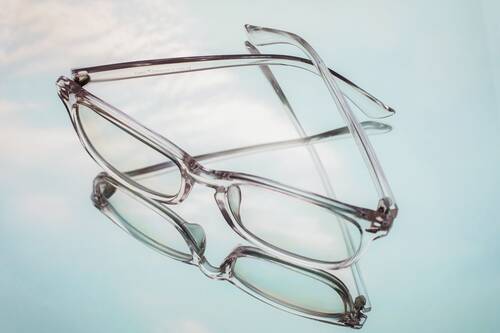
[caption id="attachment_74815" align="aligncenter" width="500"]How Eye Alignment Problems Can Affect Balance Photo by Harrison Haines[/caption]

MedicalResearch.com Interview with: Chao Cao, MPH PhD student in Movement Science, Program in Physical Therapy, Washington University School of Medicine. Senior author: Lin Yang, PhD Research Scientist/Epidemiologist Department of Cancer Epidemiology and Prevention Research Cancer Care Alberta | Alberta Health Services | Canada MedicalResearch.com: What is the background for this study? dizziness-vertigoResponse: Dizziness and imbalance are common among US adults and increases the risk of serious injuries. However, research related to balance overwhelmingly focuses on functional outcomes among older adults, therefore our understanding on how balance function may affect the long-term health outcomes in adults of different age group is limited. MedicalResearch.com: What are the main findings?  Response: We found that balance disorder affects nearly 2/3 of older Americans (65+ yr) as well as 1/3 of those middle-aged (50-64 yr). Our study, for the first time, found that for middle-aged and older Americans, their overall and sensory-specific balance disorders (visual, proprioceptive, and vestibular) were associated with higher mortality risks driven by cancer and CVD death over 12 years.  

MedicalResearch.com Interview with: [caption id="attachment_30046" align="alignleft" width="150"]Daniel M. Merfeld, Ph.D. Professor of Otolaryngology Harvard Medical School Massachusetts Eye and Ear Director, Jenks Vestibular Physiology Laboratory Senior Scientist Dr. Daniel M. Merfeld[/caption] Daniel M. Merfeld, Ph.D. Professor of Otolaryngology Harvard Medical School Massachusetts Eye and Ear Director, Jenks Vestibular Physiology Laboratory Senior Scientist MedicalResearch.com: What is the background for this study? Response: Nearly half of the population will see a clinician at some point in their lives with symptoms related to the vestibular system (e.g., dizziness, vertigo, imbalance and blurred vision). The vestibular system, made up of tiny fluid-filled membranes in the inner ear, is responsible for receiving information about motion, balance and spatial orientation. With the goal of determining whether age affected the function of the vestibular system, our research team administered balance and motion tests to 105 healthy people ranging from 18 to 80 years old and measured their vestibular thresholds (“threshold” refers to the smallest possible motion administered that the subject is able to perceive correctly).