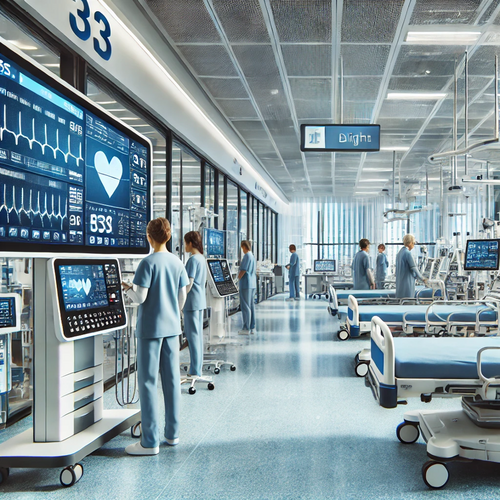
Medical Equipment / 06.09.2025

[caption id="attachment_70557" align="aligncenter" width="500"]medicala-equipment-storage Freepik image[/caption] Medical equipment is useful in remaining healthy, but equipment like wheelchairs, oxygen tanks, walking aid equipment, and monitoring equipment takes a substantial amount of space in the home. The equipment needs to be stored somewhere for it to stay in operational condition. Chaotic homes create issues of safety and decreasing expedient access to equipment. Off-site storage is the answer, for equipment is stored safely, conveniently, and protected from environmental factors in climate-controlled warehouses. Not only does it free up space at home but also provides peace of mind that essential equipment is on hand at short notice. Historical Note: Off-site storage of medical equipment traces its beginnings in military field hospitals of the 19th century. Military groups stored supply stocks in designated storing quarters or tents to keep supplies away from damage and to have order in the treatment area. The system was used to keep critical equipment at a state of readiness and have it safe and operational in the event of emergency. Off-site storage now continues that tradition by giving homes a modern means of safeguarding healthcare items.

Why storage matters

Storing medical devices properly is essential for both safety and efficiency at home. Large equipment like mobility aids or oxygen tanks can quickly take up space, creating clutter that makes it harder to move around freely. Smaller devices, when scattered, are easy to misplace or damage. That is why many families are turning to secure off-premises solutions. With New Hampshire finds quiet order through NSA Storage, households can rely on a well-organized system that keeps vital medical devices safe, accessible, and protected in the right environment. Having a dedicated storage solution allows families to focus on care instead of worrying about clutter.
  • Keeps bulky equipment from crowding living spaces
  • Protects sensitive devices from damage and dust
  • Ensures quick access when the equipment is needed most
 The importance of proper storage cannot be overstated. When devices are kept in the right conditions, they last longer and perform reliably. This not only saves money on replacements but also provides peace of mind for caregivers and patients alike. Organized storage supports healthier living by reducing stress and creating a safer, more functional home environment.
Laboratories, Medical Devices / 09.08.2025

[caption id="attachment_70232" align="aligncenter" width="500"]maintaining-medical-equipment Photo by CDC[/caption] Introduction Medical equipment forms the backbone of diagnosis, treatment, and care in healthcare facilities. Safe, well-maintained devices protect both patients and medical staff from harm while enhancing clinical effectiveness. Whether in hospitals, private practices, or clinics, establishing robust safety and maintenance protocols is a non-negotiable standard. For healthcare providers seeking to ensure reliability and compliance, partnering with trusted industry leaders like Medinat can provide access to quality equipment and expert advice. With an ever-changing regulatory landscape and constant innovation, preventive care and well-documented processes are more vital than ever to avoid costly breakdowns and safeguard patient well-being. This guide details essential steps and the latest best practices for medical equipment safety and maintenance, serving as a resource for healthcare administrators, biomedical engineers, and clinical staff.

Medical Equipment, Surgical Research / 28.02.2025

[caption id="attachment_66938" align="aligncenter" width="500"]medical-vacuums-operating-room Photo by Chan Walrus[/caption] In a hospital setting, even the smallest system failure can have life-threatening consequences. Medical vacuum pumps are one of those critical systems that often go unnoticed—until they stop working. These pumps provide continuous suction for surgeries, clear airways in emergencies, and remove fluids to prevent infections. When a vacuum system fails, patient care is directly impacted. To ensure reliability, hospitals must invest in proper medical gas installation and ongoing maintenance. A well-designed system not only enhances efficiency but also meets NFPA 99 safety standards. Certified medical gas installers play a key role in ensuring these systems function as intended, preventing disruptions in care and maintaining compliance with healthcare regulations.

Key Applications of Medical Vacuum Pumps

Medical vacuum pumps serve multiple roles in healthcare, with their primary function being to provide suction for various medical procedures. These applications require precision and reliability, as any disruption can impact patient safety.
Legal-Malpractice, Technology / 05.09.2024

Medical negligence claims can have serious financial and reputational consequences for hospitals and medical businesses. In recent years, there has been a concerted effort within the healthcare industry to mitigate these risks by improving practices, upgrading equipment, and implementing more robust training programs. By taking proactive measures, hospitals and medical businesses aim to reduce the likelihood of medical errors, enhance patient safety, and provide the highest standard of care. This article explores the various strategies that healthcare providers are adopting to prevent potential medical negligence claims and ensure patient trust and safety. One of the most significant ways hospitals and medical businesses are leveling up is by investing in state-of-the-art medical equipment. Modern, reliable equipment is crucial for accurate diagnosis, effective treatment, and overall patient safety. Outdated or malfunctioning equipment can lead to misdiagnosis, delayed treatment, and, ultimately, medical negligence claims.