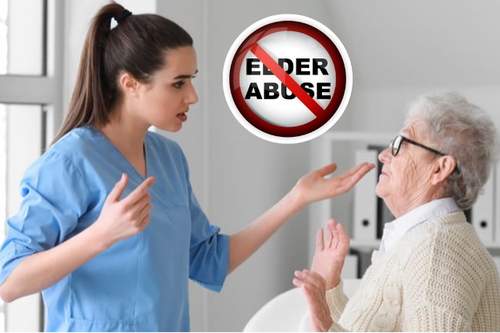
#nursinghomeabuse Tag

When a loved one develops a bedsore in a nursing home, the instinct is to focus on treatment. Families often miss a second and equally urgent reality: the injury is usually preventable, federal law requires facilities to prevent it, and missing the window to act legally can permanently close the door to accountability. Bedsores, also known as pressure ulcers or pressure injuries, are one of the most common signs that something might be off in nursing homes and long-term care places. They can be an indicator of potential neglect, even if no one says it out loud. nursing-home-bedsores-legal-rights Despite an estimated 4.5% of long-term nursing home patients in the United States, the recent historical records from the Centers for Disease Control and Prevention show that about 11% of nursing home patients had pressure ulcers, totaling approximately 159,000 patients in the whole nation. When a loved one enters a nursing home, family members expect their loved one to be taken care of. Unfortunately, according to Morgantown nursing home abuse lawyer Edmund L. Wagoner, Esq., due to systemic understaffing issues and stigma surrounding the level of care for elders, many face abuse and neglect in their daily lives. Understanding the law's requirements for nursing facilities and what your family can do when they are violated changes what is possible from here.



[caption id="attachment_74440" align="aligncenter" width="500"]financial-exploitation-long-term-care.jpg Pexels[/caption] Warning Signs of Financial Exploitation in Akron Nursing Homes

Akron has long been a community where families take pride in supporting and protecting one another, especially when aging loved ones require long-term care. As more residents turn to nursing homes and assisted living facilities for daily assistance, families place a great deal of trust in caregivers, administrators, and staff members to safeguard not only a resident's health and well-being but also their personal affairs. While many facilities provide compassionate care, concerns can arise when unusual financial activity surfaces without a clear explanation.

Financial exploitation in long-term care settings is often difficult to detect because it can develop quietly over time. Small irregularities may appear insignificant on their own, yet together they can point to a larger pattern of misconduct. Recognizing these warning signs early can help families protect vulnerable relatives and prevent further losses. When questions arise about missing funds, unauthorized transactions, or financial manipulation, an Akron nursing home abuse lawyer can help evaluate the situation and determine which legal options may be available.

[caption id="attachment_73610" align="aligncenter" width="500"]Tracking Nursing Home Abuse Pexels[/caption]

A look at the landmark reports, federal reforms, and persistent measurement gaps that have shaped how the United States counts abuse in long-term care.

In 1986, the Institute of Medicine (now the National Academy of Medicine) published a study that would reshape American long-term care policy for a generation. Commissioned by Congress, "Improving the Quality of Care in Nursing Homes" concluded that quality of care and quality of life in many U.S. nursing homes were not satisfactory and that abuse and neglect were common in facilities receiving Medicare and Medicaid funds. That report led directly to the 1987 Omnibus Budget Reconciliation Act, which contained the Federal Nursing Home Reform Act, the most significant overhaul of nursing home regulation since the creation of Medicare itself in 1965. Forty years on, the historical data tells a more complicated story than a clean before-and-after. The reforms changed what facilities are required to do. They also changed what gets measured, how it gets measured, and what we now know is being missed.

[caption id="attachment_67043" align="aligncenter" width="500"]steps-to-prevent-elder-abuse Photo courtesy of Pexels[/caption] Growing old comes with different health issues and loss of cognitive abilities. As people age, they become physically frail and struggle to protect and stand up for themselves. Elder abuse is the mistreatment of an older person, which can occur in different forms, including physical, emotional, and sexual harm, financial exploitation, or neglect of their welfare and basic needs by those entrusted with their care. It is a serious issue and a violation of human rights that can lead to physical injuries and can have long-term psychological and emotional consequences.  According to the World Health Organization (WHO), around one out of every six elders face abuse each year, and this risk is even higher in places like nursing homes and long-term care facilities. This can be prevented to some extent by following these steps: 1. Recognize the Signs of Elder Abuse Being aware of the warning signs of elder abuse is the first step in its prevention. If you suspect abuse but aren't sure, the following are the common signs that you should look for: 
  • Unusual financial transactions or missing cash or items.
  • Unexplained bruises, burns, or injuries.
  • Withdrawal from social activities or sudden changes in behavior.
  • Poor hygiene or signs of malnutrition.
  • Fear or hesitation when speaking about a caregiver or family member.
  These indicators can alert loved ones or caregivers so they can intervene and take precautions before the situation worsens. 

[caption id="attachment_66775" align="aligncenter" width="500"]elder-abuse-louisville.png Image source[/caption] Have you ever wondered what really happens behind the doors of a nursing home when no one is watching? Families place their trust in these facilities, believing their loved ones will receive the care and dignity they deserve. But what if that trust is broken? What if signs of neglect, mistreatment, or even outright abuse start to emerge? Louisville is home to numerous nursing facilities catering to a growing elderly population in Kentucky. With its expanding healthcare sector, the city has seen a rise in both quality care institutions and distressing reports of elder mistreatment. State inspections have revealed cases where residents were left unattended, suffered from preventable injuries, or endured emotional and physical abuse. Families dealing with such situations often struggle with what to do next. In this article, we will explore the steps you should take if you suspect elder abuse in a Louisville nursing home. We will also discuss why it’s important to consult nursing home abuse lawyers in Louisville to protect your loved one’s rights and hold negligent facilities accountable.

[caption id="attachment_66192" align="aligncenter" width="500"]nursing-home-abuse-image Image Source[/caption] Oakland has its fair share of nursing home facilities that provide care to seniors and disabled individuals. Unfortunately, some of these facilities have been reported for abuse or neglect, leaving loved ones worried about their family members' well-being. Abuse in nursing homes threatens the safety and dignity of some of society's most vulnerable individuals. It encompasses various harmful actions or acts of neglect inflicted upon residents by caregivers or others in the facility. If you know someone who’s in a similar situation, it’s important to contact an Oakland nursing home abuse lawyer for legal advice. The sections below dive deeper into the concept of nursing home abuse.

Types of Nursing Home Abuse

Being aware of the different types of abuse that occur in nursing homes is crucial for identifying and addressing it. Abuse can generally be categorized into five primary types:
  • Physical Abuse: It consists of using force intentionally, leading to injuries such as bruises, cuts, or broken bones. Unexplained injuries, fearfulness around staff, or reluctance to be touched are potential red flags.
  • Emotional Abuse: This abuse can involve verbal assaults, threats, or actions that cause mental anguish. Signs include sudden changes in mood, withdrawal from social interactions, or symptoms of depression and anxiety.
  • Neglect: It occurs when caregivers fail to provide basic necessities such as food, water, hygiene, or medical care. Indicators include malnutrition, dehydration, poor personal hygiene, or untreated medical issues.
  • Financial Abuse: This involves the unauthorized use of a resident's funds, property, or assets. Warning signs might include sudden financial difficulties, missing personal belongings, or unexplained changes to legal documents.
  • Sexual Abuse Any non-consensual sexual interaction constitutes sexual abuse. This can be particularly difficult to detect but may be indicated by torn clothing, unexplained infections, or changes in behavior.

  [caption id="attachment_62396" align="alignleft" width="200"]elder abuse Image Source[/caption] Over 60 million, that's the number of seniors living in the US. But for some, independent living just isn't possible anymore. Moving into nursing homes happens to be the most viable option for these seniors. These homes are supposed havens with staff dedicated to providing the care and safety their families might not be able to manage at home. Amenities, medical attention, and a sense of community, all wrapped up in one place. But there's a disturbing reality. Even in these places that are designed to be a safety net, elders are at risk of a whole other kind of danger. Abuse is a common reality for most elders in nursing homes. If you think a loved one might be facing nursing home abuse, then you need to talk to a nursing home abuse attorney. They can fight to get your loved one the justice they deserve. Now, let's go deeper and see exactly what kind of abuse we're talking about here.