Cannabis, OBGYNE, Pediatrics / 30.10.2024
JAMA Peds Study Finds Prenatal Exposure to Cannabis Linked to Aggressive Behavior and Decreased Executive Function in Children
MedicalResearch.com Interview with:
[caption id="attachment_64423" align="alignleft" width="150"]
Dr. Keim[/caption]
Sarah Keim, PhD
Associate Professor, Epidemiology
College of Public Health
The Ohio State University
MedicalResearch.com: What is the background for this study?
Response: Marijuana is the illicit substance most commonly used during pregnancy, and use is increasing. Some evidence suggests that marijuana is associated with deficits in executive function and increased delinquent behavior in school-age children and adolescents, with potential downstream impacts on achievement and social functioning.
However, this evidence comes largely from only 2 studies several decades old. Today cannabis is more than 10 times more potent than it was several decades ago.
Dr. Keim[/caption]
Sarah Keim, PhD
Associate Professor, Epidemiology
College of Public Health
The Ohio State University
MedicalResearch.com: What is the background for this study?
Response: Marijuana is the illicit substance most commonly used during pregnancy, and use is increasing. Some evidence suggests that marijuana is associated with deficits in executive function and increased delinquent behavior in school-age children and adolescents, with potential downstream impacts on achievement and social functioning.
However, this evidence comes largely from only 2 studies several decades old. Today cannabis is more than 10 times more potent than it was several decades ago.
Dr. Walline[/caption]
Jeffrey J. Walline, OD PhD
Associate Dean for Research
The Ohio State University
Columbus, OH 43210-1240
MedicalResearch.com: What is the background for this study?
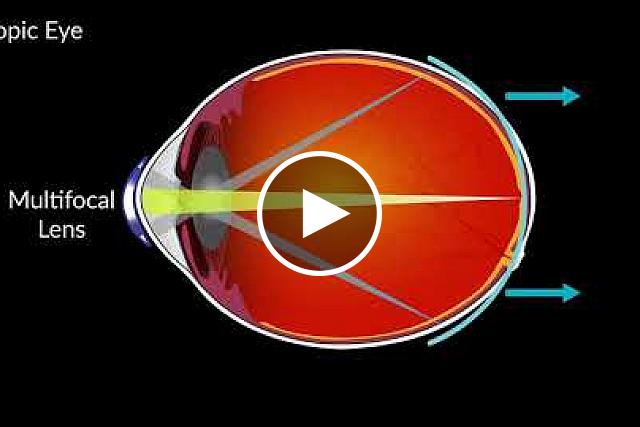
Response: Greater amounts of nearsightedness are related to higher risks of sight-threatening complications in adulthood, so anything we can do to slow the progression of nearsightedness in childhood can have meaningful benefits in the future.
As the prevalence of nearsightedness increases worldwide and affects approximately 1/3 of the people in the United States, a treatment that provides clear vision AND slows the progression of nearsightedness can have a profound effect.