
18 Oct The Science of Nostalgia: How Revisiting Meaningful Photos Can Affect Mood
Mental Health Notice: Revisiting old photographs is not a treatment for depression, grief or other mental health conditions. If memories bring persistent sadness, distress or thoughts of self-harm, reach out to a qualified mental health professional. In a crisis, call or text 988 (Suicide & Crisis Lifeline, US) or text HOME to 741741 (Crisis Text Line). This post is for general information only. Products and tools linked in this post are not warranted or endorsed by MedicalResearch.com or Eminent Domains Inc.
Nostalgia is more than simply remembering the past. It is an emotional experience that connects personal memories with feelings of love, happiness, belonging, and sometimes sadness. A photograph from a childhood birthday, a family vacation, or a special milestone can bring back emotions that have remained hidden for years. These experiences demonstrate how closely memory and emotional well-being are connected.
In today’s digital world, people can preserve thousands of personal photographs and revisit them whenever they wish. Although photographs cannot capture every detail of an experience, they can serve as powerful reminders of meaningful moments. Understanding the psychology of nostalgia helps explain why looking at old pictures can influence mood, strengthen personal identity, and bring people closer to important relationships.
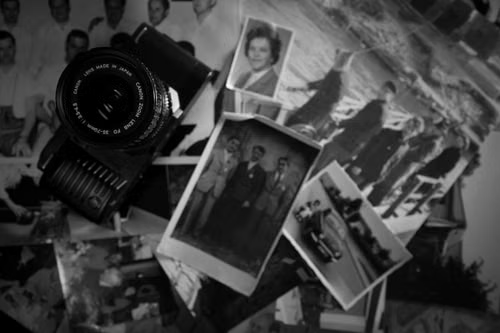
Photo by Wolfgang Vrede via Pexels
Understanding the Science Behind Nostalgia
Nostalgia is generally described as a sentimental feeling associated with personally meaningful experiences from the past. Unlike ordinary remembering, it often combines autobiographical memories with emotional responses. A familiar face, a childhood home, or a photograph from a memorable celebration can bring back not only details of an event but also feelings associated with that period.
Psychological research suggests that nostalgia may support social connectedness, self-continuity, and a sense of meaning in life. However, its effects depend on the individual and the memories involved. While some photographs evoke comfort and happiness, others may bring back grief, regret, or longing.
How Photographs Trigger Personal Memories
Photographs act as visual cues that can help people retrieve autobiographical memories. Details such as familiar locations, facial expressions, clothing, and surrounding objects may remind viewers of experiences they have not consciously recalled for a long time.
For example, an old graduation photograph might bring back memories of friendships, personal achievements, and challenges overcome during an important stage of life. Similarly, a family photograph may remind someone of traditions and relationships that helped shape their identity.
Memory is not a perfect recording of the past. People reconstruct memories using personal interpretations, current knowledge, and information available in the present. As a result, the same photograph can evoke different memories and emotions in different people.
The meaning of an image can also change over time. A photograph that once seemed ordinary may become deeply significant after a major life transition. This changing emotional value illustrates how personal memories evolve alongside people’s experiences and perspectives.
Why Nostalgia Can Influence Emotional Well-Being
Nostalgic reflection may help people reconnect with experiences that provide comfort, meaning, and a sense of belonging. Researchers have explored several psychological processes that could explain this relationship.
However, nostalgia does not always improve mood, and viewing photographs should not be considered a substitute for professional mental health care. Its effects are influenced by personal circumstances, emotional state, and the nature of the memories being revisited.
The Emotional Effects of Revisiting Meaningful Photos
Looking at old photographs can produce a variety of emotional responses. Understanding these responses can help explain why personal images remain meaningful long after the original events have passed.
- A stronger sense of connection: Photographs of friends, relatives, and shared experiences may remind people of supportive relationships. Recalling these connections can provide emotional reassurance, particularly during periods of loneliness or change.
- Improved mood through positive recollection: Pictures associated with enjoyable experiences may encourage people to remember moments of happiness, achievement, or personal satisfaction. These memories can sometimes provide a temporary emotional lift.
- Greater appreciation of personal growth: Comparing photographs from different stages of life may help individuals recognize how their circumstances, relationships, and priorities have changed. This perspective can strengthen their sense of continuity and identity.
- Mixed feelings about the past: Not every memory is comforting. Images associated with bereavement, separation, or difficult experiences can evoke sadness alongside affection. These reactions are a normal part of remembering events that hold personal significance.
- Opportunities for shared reflection: Looking through photographs with family members or friends can encourage conversations about shared experiences. Different perspectives may bring forgotten details to light and help people understand the importance of their relationships.
These potential effects are not universal. Some individuals may find revisiting old photographs comforting, while others may experience distress or become preoccupied with circumstances they cannot change. The emotional response depends on both the memory and the person viewing it.
The Role of Digital Photography and Creative Editing
Digital photography has made preserving and revisiting memories easier than ever. Smartphones, online albums, and cloud storage allow people to organize personal images and share them with friends and family regardless of distance.
Creative editing adds another dimension to this experience. People may adjust brightness, improve image composition, or apply visual effects to express the atmosphere of a particular event. For instance, someone creating a collection of celebration photographs might use a tool to add fireworks to photo, giving the image a more festive appearance.
These techniques can support personal expression and help people present their memories in a style that reflects their feelings about an occasion. Nevertheless, visual enhancements do not necessarily make a memory more accurate or improve psychological well-being. The emotional significance of a photograph usually extends beyond its appearance to include the people, experiences, and circumstances it represents.
It is also important to recognize that digital photographs provide only a partial record of an event. They preserve selected visual details but cannot fully reproduce the conversations, sounds, physical sensations, or emotions experienced at the time.
Practical Ways to Revisit Photographs Mindfully
Revisiting personal photographs can be a meaningful activity when approached with awareness and balance. A few simple practices may help people reflect on their experiences without becoming overwhelmed by the past.
- Select meaningful images: Choose photographs connected to important relationships, achievements, or positive experiences instead of scrolling through hundreds of images without purpose.
- Reflect on the complete experience: Think about the circumstances surrounding the photograph, including the people involved, the challenges faced, and the events that followed. This can provide a broader understanding of why the memory matters.
- Share stories with others: Discussing photographs with friends or relatives can encourage social connection and reveal details that may have been forgotten. These conversations can also help preserve family histories and traditions.
- Allow different emotions: Memories can bring happiness, gratitude, sadness, or several emotions simultaneously. There is no need to force a positive interpretation of every experience.
- Stay connected to the present: Remembering the past can provide perspective, but it is equally important to invest in current relationships and activities. Photographs are most useful when they enrich present life rather than replace it.
If viewing particular photographs repeatedly causes significant distress, taking a break may be helpful. People experiencing persistent emotional difficulties may benefit from speaking with a qualified mental health professional. The NIMH (National Institute of Mental Health) offers guidance on finding mental health support.
What Research Says About Nostalgia and Mood
Scientific interest in nostalgia has expanded as researchers investigate its relationships with social connection, self-esteem, mood, and meaning in life. Experimental studies suggest that nostalgic reflection can influence some psychological outcomes under specific conditions.
However, it is important to distinguish research on nostalgia from research specifically examining photographs. Findings about recalling meaningful experiences cannot automatically establish that looking at old pictures will produce the same effects. Similarly, short-term changes in mood do not necessarily indicate lasting improvements in mental health.
Individual differences also influence how nostalgia is experienced. Age, personal history, cultural background, current stress levels, and the emotional nature of a memory can all affect a person’s response. More research is needed to understand how frequently revisiting photographs influences well-being over time and which individuals may benefit most.
A balanced interpretation recognizes nostalgia as a potentially valuable emotional experience rather than a guaranteed psychological intervention. Personal photographs can encourage reflection and connection, but their effects vary from person to person.
Conclusion
Nostalgia illustrates the close relationship between autobiographical memory and emotional life. Revisiting meaningful photographs can help people reconnect with important relationships, reflect on personal growth, and remember experiences that have shaped their identities.
At the same time, memories can bring mixed emotions, particularly when photographs remind people of loss or significant changes. Recognizing these responses allows individuals to approach their personal histories with greater understanding.
Ultimately, the value of meaningful photographs lies in their ability to connect past experiences with present perspectives. When viewed thoughtfully, they can serve as reminders of important relationships, personal milestones, and the experiences that continue to influence how people understand themselves and their lives.
For a broader overview of mental health and well-being, see this MedicalResearch.com overview of mental health.
The information on MedicalResearch.com is provided for educational purposes only, and is in no way intended to diagnose, cure, or treat any medical or other condition. Some links are sponsored. MedicalResearch.com and Eminent Domains Inc. do not warrant or endorse products or claims made by third party links. Always seek the advice of your physician or other qualified health provider and ask your doctor any questions you may have regarding a medical condition. In addition to all other limitations and disclaimers in this agreement, service provider and its third party providers disclaim any liability or loss in connection with the content provided on this website.
Last Updated on October 18, 2026 by Marie Benz MD FAAD