
19 Oct How to Choose Glasses and Contact Lenses Without Regretting It Later
Contact Lens Safety Notice: If you wear contacts and develop eye pain, redness, light sensitivity, discharge or blurred vision, remove your lenses and contact an eye doctor promptly, since these can be signs of a serious eye infection. Do not sleep in contact lenses unless your eye doctor has prescribed lenses approved for overnight wear, and never rinse or store lenses in tap water or saliva. Contact lenses require a valid prescription and fitting. This post is for general information only. Providers linked in this post are not warranted or endorsed by MedicalResearch.com or Eminent Domains Inc.
Picking between glasses and contact lenses sounds easy until you’re staring at fifty frame shapes, ten lens coatings, and a contact lens schedule that looks like a chemistry lab checklist.
If you live in Northwest Georgia, local factors such as pollen, humidity, screen-heavy school or workdays, and long commutes can affect what feels comfortable on your eyes. A smart choice comes from knowing how your vision needs match your lifestyle, budget, and daily habits.
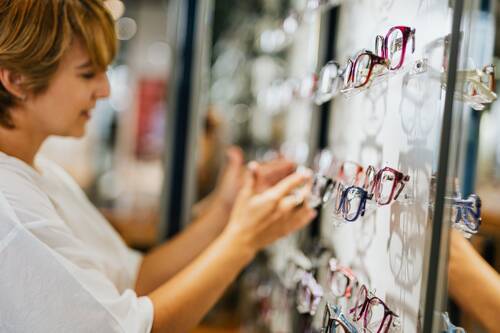
Photo via Pexels
Contact Lenses Need Honest Habit Assessment
Contacts can be excellent, but they reward consistency and punish laziness. If you rub your eyes a lot, forget to wash your hands, or fall asleep anywhere with the confidence of a housecat, contacts may require more discipline than you expect. Sleeping in lenses that aren’t approved for overnight wear significantly raises the risk of eye infections.
Daily disposable lenses are convenient and reduce cleaning tasks. Monthly lenses cost less per lens but need careful cleaning and storage. Specialty lenses may help with astigmatism or dry eye, though they can cost more.
A fitting exam is essential because base curve, diameter, tear film, and corneal shape all matter. Consider consulting professionals like Professional Eye Associates in Northwest Georgia, who offer comprehensive eye care services, personalized guidance, and a range of eyeglasses and contact lens options to help patients maintain clear vision and find eyewear that suits their needs and lifestyle. The CDC (Centers for Disease Control and Prevention) also offers guidance on healthy contact lens wear and care.
Start With How You Actually Use Your Eyes Every Day
Your prescription matters, but your routine matters just as much. If you spend six hours on a laptop, drive at night, play sports, and scroll on your phone before bed, your eyewear choice needs to support all of that. A pair of trendy frames that slide down your nose during practice won’t feel stylish for long.
Think about practical questions:
- Do you work or study on screens for long stretches?
- Do your eyes dry out in air conditioning?
- Do you need sharp distance vision for driving?
- Do you want something low-maintenance?
- Are you likely to forget cleaning routines?
Glasses are often easier to manage. Contacts can feel more natural for sports and wider field of vision. Many people do best with both, which is less glamorous than a dramatic either-or decision, but far more useful.
Your Prescription Affects More Than Just Blurriness
Not all prescriptions behave the same way in glasses and contacts. Nearsightedness, farsightedness, astigmatism, and presbyopia each come with different fitting issues and comfort concerns. If you have a stronger prescription, lens thickness and weight can change how glasses feel on your face.
Contacts may reduce some of the edge distortion that stronger glasses prescriptions can cause. On the other hand, certain astigmatism prescriptions need toric lenses, which must sit in the correct position on the eye. That adds a layer of fitting precision.
If you need multifocal correction, both glasses and contacts can work, but adaptation sometimes takes patience. Your eyes and brain need time to stop acting like picky critics. A proper exam helps sort out what is realistic, comfortable, and worth paying for.
Frame Fit Is Not a Minor Detail
A lot of people choose frames like they’re picking a phone case. It’s understandable, but your glasses sit on your face all day, not on a coffee table. A good fit affects comfort, clarity, and how often you actually wear them.
Pay attention to:
- Bridge fit so frames don’t slide or pinch
- Temple length so they stay secure behind your ears
- Lens width that suits your prescription and face shape
- Frame material if you have skin sensitivity
- Weight for all-day wear
Large frames may look great, but they can make thick prescriptions more noticeable. Small frames can limit field of view. An experienced optical team can help you balance looks, function, and lens performance without turning the process into a fashion hostage situation.
Lens Technology Can Quietly Improve Your Life
People often focus on the frame and ignore the lens details, which is a bit like shopping for a car based only on paint color. Lens design and coatings can make a major difference in comfort and visual quality.
Useful upgrades may include:
- Anti-reflective coating for night driving and screen glare
- Scratch resistance for everyday durability
- UV protection for outdoor exposure
- Blue light filtering, which some people prefer for comfort, although current research has not shown that it reduces eye strain or protects eye health
- High-index lenses for stronger prescriptions
- Photochromic lenses that darken in sunlight
Not everyone needs every upgrade. A student who studies late and drives home at night may value anti-reflective coating more than photochromic lenses. Someone outdoors for work may prioritize UV and sun-responsive options. The smartest setup is usually specific, not maximal.
Budget Matters, but So Does Long-Term Value
The cheapest option can become expensive if it’s uncomfortable, fragile, or wrong for your routine. Glasses involve frame cost, lens type, coatings, and possible backup pairs. Contacts come with recurring costs for lenses, solution, cases, and follow-up care.
When comparing costs, look at the whole year, not just the checkout total. Daily contacts may seem pricey upfront, but some people save time and avoid solution costs. A sturdier frame may outlast two cheaper pairs. Insurance can reduce costs, though coverage varies wildly and loves fine print.
Ask clear questions:
- What does the exam include?
- Are fittings separate from the eye exam?
- How often will lenses need replacement?
- Are warranty or adjustment services included?
- Is there a recommended backup option?
Good eye care planning feels less painful when surprises are limited.
Lifestyle and Eye Health Should Drive the Final Choice
Some jobs and hobbies make one option clearly better. Athletes often prefer contacts for stability and peripheral vision. People with dry eye, allergies, or sensitive eyes may do better in glasses, at least part-time. Northwest Georgia’s seasonal pollen can turn contact wear into an endurance event for some patients.
Your eye health history also matters. Conditions such as chronic dryness, blepharitis, corneal irregularities, or frequent eye infections can influence what is safe and comfortable. If you’ve had headaches, squinting, or fatigue, mention it during your exam. Those details can point to fit problems, prescription changes, or visual strain.
A mixed strategy often works best: glasses for regular use, contacts for sports, events, or occasional convenience. That setup gives you flexibility without forcing your eyes into one role every day.
What to Expect During an Eye Care Visit
A comprehensive visit should do more than hand you a prescription and send you toward a display wall. You want an exam that looks at visual acuity, eye health, prescription accuracy, and practical fitting needs. If you’re trying contacts, expect measurements, trial lenses, and some teaching on insertion, removal, and care.
Bring useful information with you:
- Your current glasses or contact boxes
- Notes about discomfort or blurry situations
- Questions about sports, screens, or driving
- Insurance details if you have coverage
- A realistic summary of your daily habits
Being honest helps more than trying to sound responsible. If you know you won’t follow a complicated lens routine, say so. The best recommendation is the one you will actually use correctly.
For a broader overview of eye health, see this MedicalResearch.com overview of ophthamology.
The information on MedicalResearch.com is provided for educational purposes only, and is in no way intended to diagnose, cure, or treat any medical or other condition. Some links are sponsored. MedicalResearch.com and Eminent Domains Inc. do not warrant or endorse products or claims made by third party links. Always seek the advice of your physician or other qualified health provider and ask your doctor any questions you may have regarding a medical condition. In addition to all other limitations and disclaimers in this agreement, service provider and its third party providers disclaim any liability or loss in connection with the content provided on this website.
Last Updated on October 19, 2026 by Marie Benz MD FAAD