
27 May Does a Weighted Vest Help with Bone Density?

Bone density naturally decreases with age, increasing the risk of fractures and conditions such as osteoporosis. Maintaining strong bones is essential for mobility, independence, and long-term health. While calcium, vitamin D, and regular exercise are widely recognised as key factors in bone health, many people are now exploring whether a weighted vest can help improve bone density.
A weighted vest adds extra resistance to the body during movement and exercise. From walking and hiking to strength training and bodyweight workouts, these vests are becoming increasingly popular among people seeking to improve fitness and support stronger bones. But do they actually help with bone density?
The short answer is that weighted vests may help support bone health when used correctly as part of a broader exercise and nutrition programme.
What Is Bone Density?
Bone density, also called bone mineral density (BMD), refers to the amount of mineral content—primarily calcium and phosphorus—within bone tissue. Higher bone density generally means stronger bones that are less likely to fracture.
Bone is living tissue that constantly remodels itself. Throughout life, old bone is broken down and replaced with new bone. However, ageing, hormonal changes, inactivity, and poor nutrition can disrupt this balance, causing bone loss to occur faster than bone formation.
Low bone density may lead to:
Osteopenia
Osteoporosis
Increased fracture risk
Reduced mobility and independence
This is why activities that encourage bone maintenance and growth are important. For more on how bone health connects to long-term wellness, see MedicalResearch.com’s aging and bone health research coverage.
How Does a Weighted Vest Work?
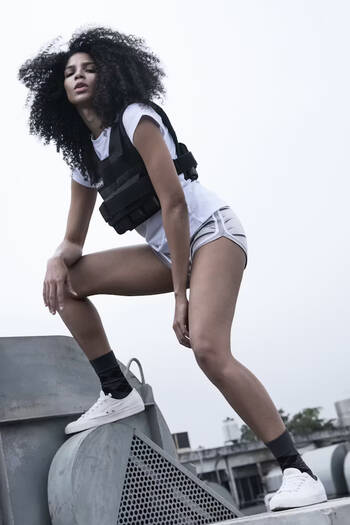
A weight vest is a wearable piece of fitness equipment containing fixed or adjustable weights. The vest distributes added resistance across the upper body and torso.
When you wear a weighted vest during physical activity, your muscles and bones work harder to support and move the additional load. This increases the mechanical stress placed on the skeletal system.
Bone responds to this stress through adaptation. According to Wolff’s Law, bones become stronger over time when exposed to appropriate loading forces. This principle forms the basis of many bone-strengthening exercise programmes.
Can a Weighted Vest Increase Bone Density?
According to the study, a weighted vest may help improve or maintain bone density, particularly when combined with weight-bearing exercise.
Weight-bearing activities force the body to work against gravity. Examples include:
Walking
Stair climbing
Jogging
Resistance training
Hiking
Bodyweight exercise
Adding a weighted vest increases resistance during these activities, potentially enhancing the bone-loading stimulus.
Research on bone health consistently shows that bones respond positively to progressive loading and resistance training. Although a weighted vest alone is not a guaranteed solution for increasing bone density, it may contribute to stronger bones when incorporated into a structured exercise routine.
The greatest benefits are often seen when weighted vests are used alongside strength training and impact-based movement where appropriate.
Benefits of Using a Weighted Vest for Bone Health
Increases Weight-Bearing Resistance
One of the main reasons weighted vests may support bone density is that they increase the load placed on the skeleton.
Regular walking is beneficial for health, but walking with additional resistance may create a stronger bone-building stimulus. The body must adapt to carrying more weight, encouraging both muscular and skeletal strengthening.
This makes a weighted vest a practical way to intensify familiar activities without requiring complex gym equipment.
Supports Muscle Strength
Bone and muscle health are closely connected.
Stronger muscles pull against bones during movement, creating forces that stimulate bone remodelling. A weighted vest increases muscular effort, especially in the:
Legs
Core
Back
Hips
Greater muscular strength can help support bone health and reduce the likelihood of falls and injuries.
May Help Maintain Bone Density with Age
Bone loss accelerates with ageing, particularly after menopause.
For older adults who cannot perform high-impact exercise comfortably, a weight vest may offer an alternative method of adding resistance to low-impact activities. Walking or strength training with moderate additional weight may help slow bone loss and preserve functional strength.
While results vary between individuals, maintaining bone density can be just as valuable as increasing it.
Improves Balance and Functional Fitness
Bone fractures are often caused by falls rather than weak bones alone.
Weighted training may improve:
Stability
Coordination
Posture
Functional strength
Improved balance and body control can reduce fall risk, which is particularly important for people concerned about osteoporosis and ageing-related injuries.
Limitations and Risks
Not a Standalone Solution
A weighted vest is not a replacement for a complete bone-health strategy.
Strong bones depend on multiple factors, including:
Adequate calcium intake
Vitamin D
Protein consumption
Hormonal health
Consistent exercise
Medical guidance when needed
Without these foundations, simply wearing a weighted vest is unlikely to produce major improvements.
Too Much Weight Can Be Harmful
More weight is not always better.
A vest that is too heavy can strain joints, compromise posture, and increase injury risk. Excessive loading may lead to:
Back pain
Knee discomfort
Muscle strain
Poor movement patterns
Gradual progression is essential.
May Not Be Appropriate for Severe Osteoporosis
People with advanced osteoporosis or a history of fractures should exercise caution.
Additional load may place stress on weakened bones, especially in the spine and hips. In some cases, a weighted vest could increase fracture risk if used incorrectly.
Medical advice should always be sought before beginning weighted exercise with diagnosed osteoporosis.
How to Use a Weighted Vest for Bone Density Safely
Start with Light Resistance
Beginners should avoid heavy loads. A common recommendation is to begin with around 5–10% of body weight and increase gradually based on comfort and ability. The focus should remain on posture and movement quality rather than maximum resistance.
Choose Bone-Friendly Exercises
Weighted vests work best during safe, controlled weight-bearing exercise. Good options include:
Walking
Stair climbing
Bodyweight squats
Lunges
Strength training
Hiking
These activities provide loading benefits while allowing controlled movement patterns.
Maintain Proper Posture
Good posture is critical when carrying extra weight. Keep the:
Chest upright
Core engaged
Shoulders neutral
Spine aligned
Poor posture under load may place unnecessary stress on the back and joints.
Progress Gradually
Bone adaptation takes time. Consistency and progressive overload are generally more effective than sudden increases in weight or workout intensity. Small, sustainable improvements often produce better long-term results.
Conclusion
So, does a weighted vest help with bone density?
The evidence suggests that it can support bone health by increasing weight-bearing resistance, strengthening muscles, and making exercise more challenging. However, a weighted vest is not a miracle solution or a replacement for proper nutrition, strength training, and medical care.
When used safely and progressively, a weighted vest may become a valuable tool for maintaining or improving bone density, particularly when paired with regular exercise and healthy lifestyle habits. For those concerned about osteoporosis or bone loss, consulting a healthcare professional before starting weighted training is the safest approach.
Disclaimer: The information on MedicalResearch.com is provided for educational purposes only, and is in no way intended to diagnose, cure, or treat any medical or other condition. Some links are sponsored. Products, services and providers are not warranted or endorsed by MedicalResearch.com or Eminent Domains Inc. Always seek the advice of your physician or other qualified health and ask your doctor any questions you may have regarding a medical condition. In addition to all other limitations and disclaimers in this agreement, service provider and its third party providers disclaim any liability or loss in connection with the content provided on this website.
Last Updated on June 10, 2026 by Marie Benz MD FAAD