
11 Nov How Long Can Dental Implants in Tucson Last With Proper Care?
Dental implants are one of the longest-lasting ways to replace a missing tooth. If you live in Tucson and are thinking about getting one, you may have a simple question. How long will it really last? Knowing the answer can help you plan, set clear expectations, and care for your smile properly.
The honest answer is that it depends. The small post in the jawbone can last decades. The crown on top often wears out sooner. Daily habits, gum health, bone support, and regular checkups all affect the final result.
This article explains how long each part of an implant lasts and what helps implants stay healthy for years. It also covers warning signs to watch for, how implants compare with bridges and dentures, and what to ask a dentist before you decide. The goal is to give you clear, balanced facts in plain language.
How Long Do Tucson Dental Implants Last?
An implant is made to work like a tooth root. Healing usually takes a few months. During that time, the bone grows around the post and holds it firmly in place. For people considering dental implants in Tucson Arizona, this process gives the new tooth a strong base for chewing and speaking.
Many implants stay in place for decades. Still, no dentist can promise that an implant will last forever. Every mouth is different.
Research gives a helpful picture. One large cohort study, published in CIDRR (Clinical Implant Dentistry and Related Research), followed 10,871 implants in 4,247 patients for up to 22 years. About 96.8% of the implants were still in place at 10 years. About 94.0% were still in place at 15 years.
Keep in mind what “survival” means in studies like this. It means the implant was still in the mouth. It does not mean the implant never had a problem. The patients in this study were also treated in one dental office, so results in other places may differ.
How Long Does Each Part of an Implant Last?
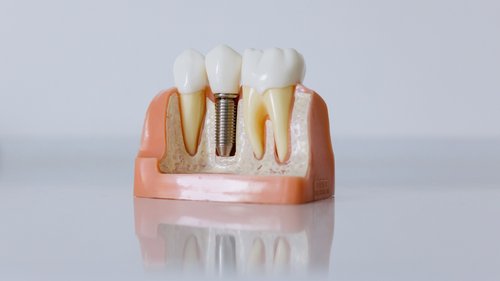
An implant has three main parts. Each part does a different job, so each part has a different lifespan.
| Part | What it does | How long it may last |
|---|---|---|
| Implant post | Sits in the jawbone like a tooth root | Often decades with healthy bone and gums |
| Abutment | Connects the post to the crown | May need to be tightened or replaced |
| Crown | The visible tooth used for chewing | May need repair or replacement sooner |
The crown takes the most daily wear. It can chip, crack, or wear down over time. When that happens, a Tucson dentist can often fix or replace the crown without removing the implant post.
This is why “how long do implants last” has two answers. The post may last for many years. The crown may need attention earlier.
What Affects How Long an Implant Lasts?
Several things decide how well an implant holds up. Some are in your control. Others depend on your health and your treatment plan.
Oral Hygiene and Gum Health
Implants cannot get cavities. The gums and bone around them can still get infected, though. This problem is called peri-implantitis. It starts when plaque builds up around the implant and the gums become inflamed.
If it is not treated, the infection can damage the bone that holds the implant. In the same study, peri-implantitis was found in 7.1% of implants at 8 to 10 years. Good cleaning and early treatment can lower this risk.
Smoking and Health Conditions
The study also linked cigarette smoking and diabetes with a higher chance of implant failure. Other health conditions and some medicines can slow healing too. Tell your dentist about your full health history so your care plan fits you.
Teeth Grinding and Bite Force
Grinding or clenching puts extra pressure on an implant. Over time, this can wear down the crown or loosen small parts. A dentist may suggest a night guard to protect your teeth and implants.
Bone Support and Treatment Planning
An implant needs enough healthy bone around it. The implant’s position, the crown’s shape, and how your teeth fit together also matter. Careful planning at the start can make a big difference later.
Daily Habits That Help Implants Last
Good habits are the best way to protect an implant. Most of them are simple.
- Brush twice a day: Use a soft-bristled toothbrush and brush gently around the implant.
- Clean between your teeth daily: Floss, interdental brushes, or a water flosser can all help. Your dentist can show you which tool works best.
- Keep your checkups: Regular visits let a dentist catch problems early, before you feel them.
- Avoid smoking: Smoking can slow healing and raise the risk of gum infection.
- Skip hard objects: Do not chew ice or pen caps. Do not use your teeth to open packages.
- Ask about a night guard: This is useful if you grind your teeth while you sleep.
Some people have several implants that support a bridge or a full set of teeth. These need special cleaning. Follow your dentist’s advice for your type of restoration.
Signs an Implant May Need Attention
Peri-implantitis can start with little or no pain. That is why checkups matter. Still, some signs should not be ignored. See a dentist if you notice any of these:
- Bleeding or swelling: The gums near the implant look red, puffy, or bleed easily.
- Pain when chewing: The discomfort does not go away.
- Pus or a bad taste: These can point to an infection.
- A loose crown or part: Something feels like it is moving or clicking.
- Bite changes: Your teeth no longer fit together the way they used to.
- Movement of the implant: The implant itself feels loose.
A loose crown does not always mean the implant has failed. Often, the problem is a small part that needs tightening. Only a dentist can tell which part is causing the trouble. Early care usually leads to simpler treatment.
Implants vs. Bridges and Dentures
Implants, bridges, and dentures all need upkeep. Bridges and dentures can also need repairs, adjustments, or replacement over time. Implants often last longer, but that is not true for everyone.
Cost, bone health, gum health, and personal goals also matter. A dentist can explain the pros and cons of each option for your situation. The right choice is the one that fits your health and your budget.
What to Look for in Long-Term Implant Care
Getting an implant is only the first step. Post-procedure care matters just as much. The crown may need work years later, and the gums need regular checks.
Patients comparing dental implants in Tucson, Arizona should ask who handles checkups and crown repairs after surgery. A Tucson dentist who offers ongoing follow-up care can spot small problems early. This is true whether you choose a private office or a larger dental clinic in Tucson.
Many patients also compare tooth replacement services in Tucson to see which option fits their needs. It helps to think about long-term care and not just the first appointment. An implant is a long-term investment in your health, so the support you receive over the years matters.
Here are some useful questions to ask before treatment:
- Follow-up care: How often will I need checkups and X-rays?
- Crown repairs: Who fixes or replaces the crown if it breaks?
- Emergencies: What should I do if something feels loose after hours?
- Warranties: What does any warranty cover and for how long?
- Moving or changing dentists: Can my records be shared with a new provider?
FAQs
Can dental implants last 30 years?
Some can. Long-term studies have followed implants for up to about 22 years, and many were still in place. Still, no dentist can promise a set number of years.
Does an implant crown need to be replaced?
It may. The crown wears down with daily chewing. A dentist can often replace it without removing a healthy implant post.
How often should implants be checked?
Follow your dentist’s advice. Your dentist will set a schedule that fits your needs. Some people need more frequent visits because of their gum health or risk of infection.
Can an implant fail after 10 years?
Yes. Problems can appear later, often from gum infection or heavy bite forces. Good cleaning habits and regular checkups help lower the risk.
Final Thoughts
Dental implants can be a long-term choice. The implant post often lasts for decades, while the crown may need repair along the way. Clean gums, healthy bone, regular visits, and good daily habits give an implant the best chance to last.
If you are thinking about an implant, write down your questions and your health history before your visit. Ask a qualified Tucson dentist what to expect and how care will work over time.
More on MedicalResearch.com: A Practical 2026 Guide to Reducing Peri-Implantitis Risk in Everyday Dental Care
The information on MedicalResearch.com is provided for educational purposes only, and is in no way intended to diagnose, cure, or treat any medical or other condition. Always seek the advice of your physician or other qualified health and ask your doctor any questions you may have regarding a medical condition. In addition to all other limitations and disclaimers in this agreement, service provider and its third party providers disclaim any liability or loss in connection with the content provided on this website.
Last Updated on November 11, 2026 by Marie Benz MD FAAD