
23 Jun Bone Loss After Tooth Loss: How Implants Preserve Jaw Structure
Bone Loss After Tooth Loss: How Implants Help Preserve Jaw Structure
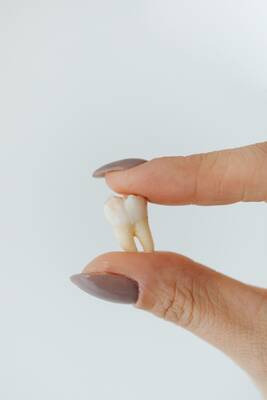
Losing a tooth feels like a single, finished event. The tooth is gone, you adjust, life moves on. What most people do not realize is that the loss sets off a slow, quiet process underneath — in the bone — and that process keeps going long after the gap has stopped feeling new. Months later, years later, the jaw is still responding to what happened.
That process has a name: resorption. And understanding it explains why dentists push so hard to replace missing teeth rather than just leaving the space and hoping for the best.
Why Bone Disappears When a Tooth Does
Jawbone is not static. It behaves a lot like the rest of your skeleton, constantly remodeling itself based on the demands placed on it. This is the same principle behind why astronauts lose bone loss in zero gravity, or why a cast leaves a limb thinner than before. Bone responds to load. Use it, and the body maintains it. Stop using it, and the body — ever efficient — stops investing resources there.
A natural tooth root delivers a steady stream of small forces into the surrounding bone every single time you chew, speak, or clench. Those forces are the signal that tells the body to keep that section of jaw dense and well-supplied. Remove the root, and the signal stops. The bone in that area no longer has a reason, as far as the body is concerned, to maintain itself at full strength.
The bone does not vanish overnight. But studies tracking patients after extraction show meaningful loss within the first year, with the steepest decline happening in the first few months after the tooth comes out. Width tends to go before height. Over several years, a ridge that once comfortably held a tooth can shrink dramatically, both in volume and in shape.
What That Loss Actually Costs You
The effects are not just abstract numbers on a scan. As the bone recedes, several real consequences follow, often gradually enough that the person does not connect the dots:
- Neighboring teeth lose some of their lateral support and may start to drift or tip toward the empty space.
- The opposing tooth — the one that used to bite against the missing one — can begin to over-erupt, growing into the gap.
- The bite shifts as a result, which can throw off how the upper and lower teeth meet and put strain on the jaw joint.
- When enough bone is lost across the lower face, the vertical distance between chin and nose shrinks, which is part of why long-term, widespread tooth loss can make a face look prematurely aged.
There is also a compounding problem that catches many people off guard. The more bone you lose, the harder it becomes to replace the tooth later, because some of the best replacement options need a certain amount of healthy bone to anchor into. Procrastination, in other words, narrows your future choices.
How Implants Change the Equation
This is where dental implants do something the older replacement options simply could not. A traditional bridge sits on top of the gum and relies on grinding down the teeth on either side for support. A removable denture rests on the surface of the ridge. Neither one sends meaningful force down into the bone the way a natural root does, which means neither one stops the underlying loss.
An implant is fundamentally different by design. It is a small post, most often made of titanium, placed surgically into the jawbone itself, where it integrates with the surrounding bone through a remarkable process called osseointegration. Bone cells actually grow onto and bond with the implant surface. Once that fusion is complete, the implant functions much like a natural root. Chewing forces pass through the crown, into the implant, and down into the bone — restoring the very signal that was lost when the original tooth came out.
Preserving What’s Left
That is the key insight, and it is why researchers find implants so compelling. An implant does not just fill a visible gap for cosmetic reasons. It re-engages the bone biologically, which helps slow or halt the resorption that would otherwise quietly continue for years. For patients weighing their choices, that preservation effect is one of the strongest arguments in the implant’s favor, separate from how natural it looks or feels.
The clinical literature on this is fairly consistent. Areas of the jaw with functioning, loaded implants tend to maintain bone volume far better than empty sites or sites restored only with non-load-bearing appliances. It is not perfect — individual outcomes vary with health, habits, and biology — but the direction of the evidence points clearly the same way across study after study.
Timing Matters More Than People Think
Because the worst of the bone loss happens early, the conversation about replacement ideally starts soon after a tooth is removed — not years down the line once a problem becomes visible. In some carefully selected cases, an implant can even be placed at or near the time of extraction, preserving the socket before it has a chance to collapse. In other cases, the site needs time to heal first, or a bone graft is required to rebuild lost volume before an implant can be placed at all.
That last point is worth sitting with. People who wait a long time often discover they now need bone grafting before they can even be considered candidates, which adds cost, extra healing time, and an additional surgical step. Acting earlier frequently means a simpler, cheaper, faster path. For anyone facing a missing tooth, looking into modern implant solutions sooner rather than later tends to keep far more options open.
The Bigger Takeaway
Tooth loss is rarely the end of the story, even when it feels like one. The bone underneath keeps responding to what is happening — or not happening — above it, and it does so for years. Implants matter not only because they restore a confident smile and a fully working bite, but because they communicate with the bone in a language it understands. That ongoing biological conversation is what keeps the foundation intact, and the foundation, in the end, is what everything else depends on.
Disclaimer: The information on MedicalResearch.com is provided for educational purposes only, and is in no way intended to diagnose, cure, or treat any medical or other condition. Opinions expressed are those of the Contributing Writer and do not represent the views of MedicalResearch.com or Eminent Domains Inc. Some links are sponsored. Products, services and providers are not warranted or endorsed by MedicalResearch.com or Eminent Domains Inc. Always seek the advice of your physician or other qualified health provider and ask your doctor any questions you may have regarding a medical condition. In addition to all other limitations and disclaimers in this agreement, service provider and its third party providers disclaim any liability or loss in connection with the content provided on this website.
Last Updated on June 23, 2026 by Marie Benz MD FAAD