
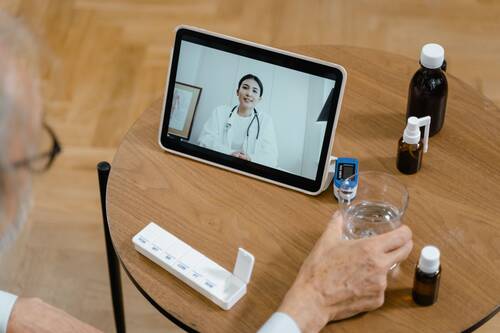
08 Jul The Impact of Precision Telehealth on Preventive Care and Healthy Ageing
Supplements, Peptide & Hormone Therapy Notice: The treatments, supplements, peptides, and hormone optimization therapies referenced in this article are not FDA monitored or approved for all uses described. These therapies should only be undertaken under the supervision of a qualified, licensed healthcare provider following a thorough clinical assessment. Dosing is variable and individualized; self-administration without medical oversight is not recommended. These therapies may interfere with existing medications and may be contraindicated in individuals with certain health conditions, including cardiovascular disease, hormone-sensitive cancers, liver conditions, or clotting disorders. Do not use hormone therapies or peptide compounds if you are pregnant, nursing, or may become pregnant. Keep all therapeutic compounds out of reach of children. Always consult your physician before beginning, modifying, or discontinuing any hormone, peptide, or supplement protocol.
The pursuit of a longer life has dominated medical science for decades, but the conversation is rapidly shifting toward the quality of those additional years. Today, healthcare professionals are focusing on the distinction between lifespan and healthspan. As researchers evaluating proactive healthcare and telehealth innovations frequently explore, modern medicine is transitioning away from reactive symptom management. Instead, there is a strong global emphasis on early lifestyle interventions and increasing patient access to preventive medical assessments via virtual care.
This evolution in care delivery is also reshaping how aging populations engage with technology, a shift explored in detail in this overview of tech-smart aging for home, help and health.
Bridging the Healthspan Gap Through Telehealth
Recent comprehensive data from the World Health Organisation highlights a pressing need for these proactive care models. Australia currently faces a healthspan-lifespan gap of 12.1 years, meaning the average citizen spends over a decade at the end of their life managing chronic illness, mobility loss, or disability. This prolonged period of declining health places immense strain on both public medical resources and families. The disparity is even wider for women, whose healthspan gap is roughly 2.4 years longer than that of men. This difference is heavily influenced by post-menopausal endocrine shifts, metabolic changes, and natural bone density loss — changes documented in research on factors associated with later menopause and longer reproductive lifespan.
To combat these challenges, clinicians are leveraging digital platforms to offer targeted interventions much earlier in a patient’s life. For individuals experiencing the natural decline of endocrine function, specialised virtual clinics provide highly tailored treatments. For example, hormone optimisation therapy is now frequently used to address metabolic imbalances and support long-term wellbeing. By evaluating unique biomarker data, doctors can develop customised plans that safely restore optimal physiological function and improve daily energy levels.
Advancing Targeted Treatments in Precision Medicine
Historically, patients would only seek medical advice once symptoms became unmanageable, often leading to complex and expensive interventions. The shift toward precision medicine involves tailoring treatments to the unique physiological needs of each patient rather than applying a broad, standardised approach to ageing. Economic modelling demonstrates the vast value of this methodology, revealing that every dollar invested in preventive health measures saves the Australian economy over 14 dollars in long-term medical costs. Medicare has also implemented permanent telehealth coverage for general practitioner and specialist consultations to support this initiative. As a result, older adults living with multimorbidities are now among the highest adopters of virtual care.
The clinical evidence supporting these targeted longevity interventions continues to grow steadily. According to the National Institute on Aging, clinical studies have found that appropriate interventions can reduce the severity of age-related hormonal symptoms, maintain bone density, improve mood, and decrease insulin resistance without major adverse cardiovascular events. As researchers continue to monitor these outcomes, the medical community is gaining confidence in prescribing these preventive measures to a broader demographic. Accessing these evidence-based therapies through telehealth ensures that patients receive continuous, specialised support regardless of their geographic location.
Key Advantages of a Proactive Healthcare Model
The Australian Academy of Health and Medical Sciences reports that nearly 40 percent of the nation’s overall disease burden is entirely preventable. Transitioning to a proactive, precision-based telehealth model provides several crucial advantages for an ageing population.
- Early Risk Mitigation: Virtual care allows for more frequent check-ins, enabling doctors to identify and address minor metabolic or hormonal shifts before they develop into chronic conditions.
- Individualised Care Plans: Treatments are based on personal biomarker data rather than broad demographic averages, ensuring higher efficacy and fewer side effects.
- Unprecedented Accessibility: Rural communities and older demographics no longer face the physical and geographic barriers associated with traditional clinic visits.
- Economic Efficiency: By focusing on prevention and early intervention, both individual out-of-pocket costs and the broader economic burden on the public health system are drastically reduced.
The Future of Healthy Ageing in Australia
The Australian Government’s National Preventive Health Strategy is actively working to reorient the healthcare system toward proactive, early-stage risk mitigation. Official frameworks outlined by Australia’s Chief Scientist target the year 2030 as a major milestone for this transition. By 2030, policymakers hope to see a significant reduction in chronic disease hospital admissions, driven by earlier diagnosis and better patient engagement. The goal is to move entirely away from average care for the average patient and establish a system defined by predictive, universal precision care. The rapid expansion of the precision medicine market, projected to reach over 3.6 billion dollars by 2034, highlights the immense public demand for tailored health solutions.
Ultimately, integrating sophisticated telehealth platforms with evidence-based longevity treatments represents the most effective way to close the healthspan gap. As these virtual care models become more sophisticated, they will undoubtedly play a central role in redefining geriatric and preventive medicine. By empowering individuals to take control of their ageing process through accessible, science-backed care, the medical industry is ensuring that longer lives are also vibrant and healthy ones.
Disclaimer: The information on MedicalResearch.com is provided for educational purposes only, and is in no way intended to diagnose, cure, or treat any medical or other condition. Some links are sponsored. Products, services and providers are not warranted or endorsed by MedicalResearch.com or Eminent Domains Inc. Always seek the advice of your physician or other qualified health provider and ask your doctor any questions you may have regarding a medical condition. In addition to all other limitations and disclaimers in this agreement, service provider and its third party providers disclaim any liability or loss in connection with the content provided on this website.
Last Updated on July 8, 2026 by Marie Benz MD FAAD