Posted at 11:53h
in
Dental Research
[caption id="attachment_66179" align="aligncenter" width="468"]
 Image source
[/caption]
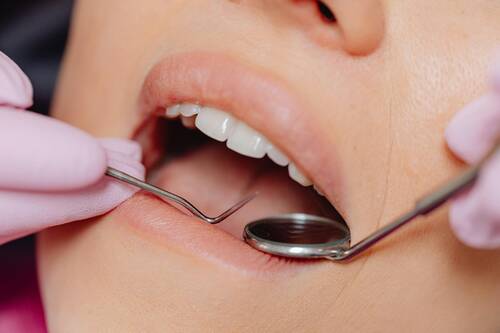
Oral health is more than just maintaining a great smile - it’s a critical part of overall well-being. Research shows that poor oral health is linked to systemic conditions like heart disease, diabetes, and even certain cancers. Yet, despite the clear connection, oral health issues remain alarmingly common. Nearly 80% of Americans experience at least one cavity by age 34, and about 50% of adults grapple with gum disease. These numbers are a wake-up call to prioritize oral hygiene and learn about common dental problems, their causes, and solutions. Understanding these issues empowers you to protect not just your teeth and gums but also your overall health.
This article will take you through these issues step by step, empowering you to take charge of your oral health.
- Tooth Decay: The Silent Culprit
Tooth decay, or dental caries, is one of the most common oral health problems worldwide. It occurs when plaque, a sticky film of bacteria, interacts with sugars from food to produce acid that erodes tooth enamel. Over time, this process can create cavities, leading to pain, sensitivity, and, if untreated, infection or tooth loss.
The factors behind tooth decay include poor brushing habits, high-sugar diets, and infrequent dental visits. Even genetics can play a role, as some people may naturally have weaker enamel. However, the good news is that tooth decay is preventable and treatable. Regular brushing and flossing, combined with fluoride toothpaste, can protect your teeth. Dietary adjustments, such as reducing sugar intake, are equally crucial.
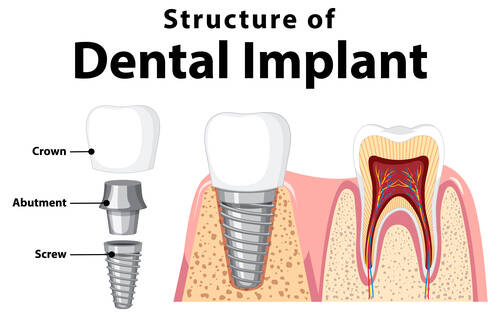
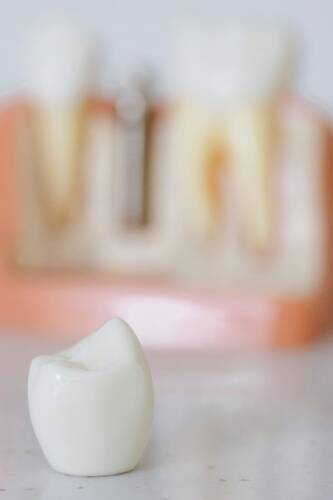
For those who have already experienced tooth decay, there are solutions. Cavities can be treated with fillings or crowns, and more severe cases may require root canal therapy or tooth extraction. Modern dental advancements, such as teeth implants, can replace missing teeth and improve both function and aesthetics, ensuring
restored smiles and renewed confidence.




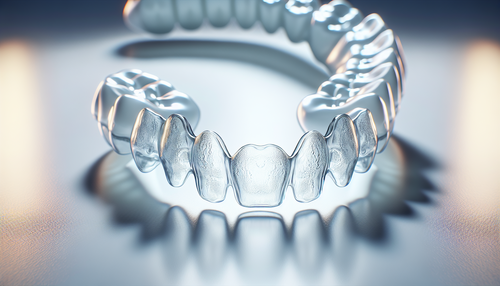





 Advancements in dental technology are transforming patient care, making procedures more precise, efficient, and comfortable. These innovations, from digital diagnostics to minimally invasive treatments, help dentists enhance oral health while improving patient experiences.
Digital Imaging and AI-Assisted Diagnostics
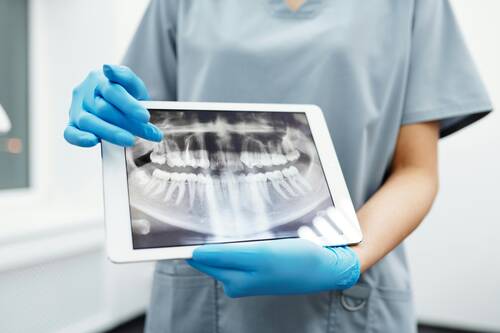
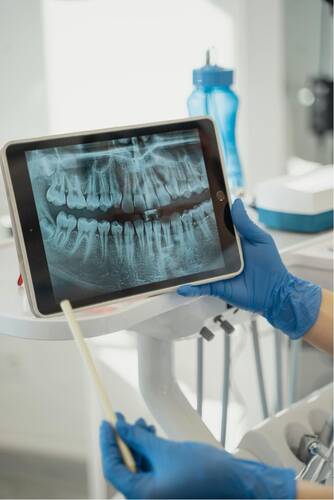
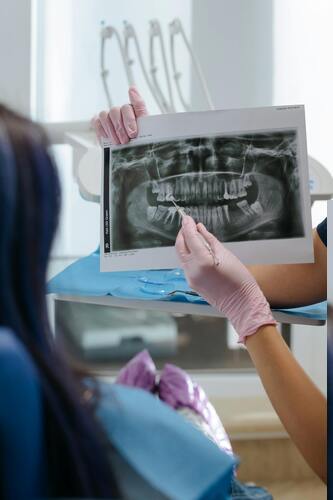
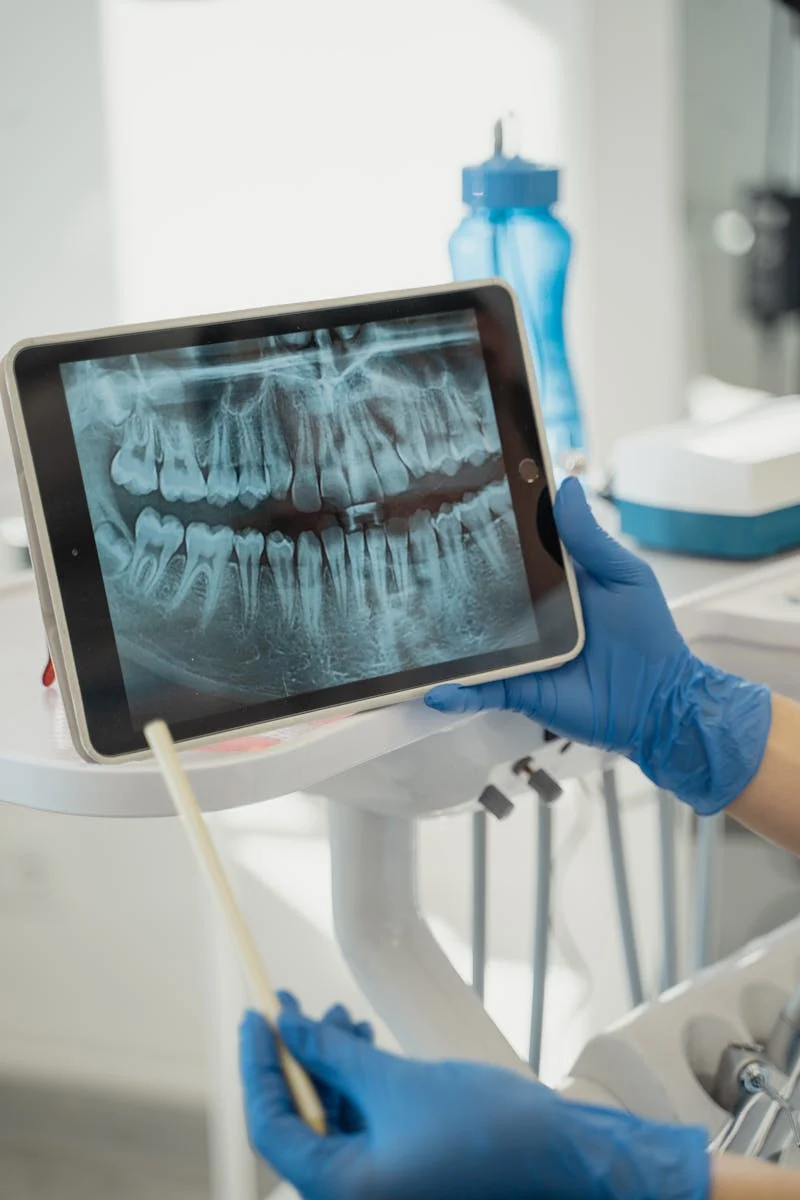
Traditional X-rays are being replaced by advanced digital imaging systems that provide clearer, more detailed views of teeth and gums. Cone beam computed tomography (CBCT) offers 3D imaging, allowing dentists to diagnose issues with unprecedented accuracy. Artificial intelligence (AI) is also making an impact by analyzing images to detect cavities, gum disease, and other conditions earlier than ever before. This leads to faster, more effective treatment plans.
Laser Dentistry for Painless Procedures
Advancements in dental technology are transforming patient care, making procedures more precise, efficient, and comfortable. These innovations, from digital diagnostics to minimally invasive treatments, help dentists enhance oral health while improving patient experiences.
Digital Imaging and AI-Assisted Diagnostics
Traditional X-rays are being replaced by advanced digital imaging systems that provide clearer, more detailed views of teeth and gums. Cone beam computed tomography (CBCT) offers 3D imaging, allowing dentists to diagnose issues with unprecedented accuracy. Artificial intelligence (AI) is also making an impact by analyzing images to detect cavities, gum disease, and other conditions earlier than ever before. This leads to faster, more effective treatment plans.
Laser Dentistry for Painless Procedures