
PTSD
14 Feb Ketamine Before Stressful Event May Reduce Risk of PTSD
MedicalResearch.com Interview with: [caption id="attachment_31986" align="alignleft" width="200"] Dr. Christine Ann Denny[/caption]
Christine Ann Denny, Ph.D.
Assistant Professor
Department of Psychiatry
Columbia University
Division of Integrative Neuroscience
Research Foundation for Mental Hygiene, Inc.
New York, NY 10032-2695
MedicalResearch.com: What is the background for this study? What are the main findings?
Response: Post-traumatic stress disorder (PTSD) is one of the most common psychiatric illnesses, affecting about 8 million adult Americans, and an annual prevalence of about 3.5% worldwide. At-risk populations such as soldiers and veterans are at a higher risk to develop PTSD. Stress exposure is one of the major risk factors for PTSD and major depressive disorder (MDD), a disorder which is often co-morbid with PTSD.
There are currently very limited treatments for PTSD and MDD. In addition, these disorders are treated in a symptom-suppression approach, which only mitigate symptoms and work in only a small fraction of patients. Prevention is rarely an approach considered except in the form of behavioral intervention. However, pharmacological approaches to preventing psychiatric diseases has not yet been developed.
Our laboratory has previously found that ketamine, a general anesthetic and rapid-acting antidepressant, administered sub-anesthetically prior to stress can prevent against stress-induced depressive-like behaviors. We decided to delve into the literature to determine whether ketamine has any effects on PTSD in the clinic. We found numerous reports linking ketamine to PTSD, but the results were varied. We realized that the main difference in all of these studies was the timing of administration. We decided to systematically test the efficacy of ketamine in mice at various time points relative to a stressor to determine when would be the most effective window to buffer against heightened fear expression.
We found that ketamine administered 1 week, but not 1 month or 1 day, prior to a stressor was the most effective time point to administer the drug to buffer fear. This is critical, as it suggests that a pharmacological approach to enhance resilience can be more effective at protecting against PTSD symptoms than attempting to mitigate symptoms after it has already affected an individual.
Dr. Christine Ann Denny[/caption]
Christine Ann Denny, Ph.D.
Assistant Professor
Department of Psychiatry
Columbia University
Division of Integrative Neuroscience
Research Foundation for Mental Hygiene, Inc.
New York, NY 10032-2695
MedicalResearch.com: What is the background for this study? What are the main findings?
Response: Post-traumatic stress disorder (PTSD) is one of the most common psychiatric illnesses, affecting about 8 million adult Americans, and an annual prevalence of about 3.5% worldwide. At-risk populations such as soldiers and veterans are at a higher risk to develop PTSD. Stress exposure is one of the major risk factors for PTSD and major depressive disorder (MDD), a disorder which is often co-morbid with PTSD.
There are currently very limited treatments for PTSD and MDD. In addition, these disorders are treated in a symptom-suppression approach, which only mitigate symptoms and work in only a small fraction of patients. Prevention is rarely an approach considered except in the form of behavioral intervention. However, pharmacological approaches to preventing psychiatric diseases has not yet been developed.
Our laboratory has previously found that ketamine, a general anesthetic and rapid-acting antidepressant, administered sub-anesthetically prior to stress can prevent against stress-induced depressive-like behaviors. We decided to delve into the literature to determine whether ketamine has any effects on PTSD in the clinic. We found numerous reports linking ketamine to PTSD, but the results were varied. We realized that the main difference in all of these studies was the timing of administration. We decided to systematically test the efficacy of ketamine in mice at various time points relative to a stressor to determine when would be the most effective window to buffer against heightened fear expression.
We found that ketamine administered 1 week, but not 1 month or 1 day, prior to a stressor was the most effective time point to administer the drug to buffer fear. This is critical, as it suggests that a pharmacological approach to enhance resilience can be more effective at protecting against PTSD symptoms than attempting to mitigate symptoms after it has already affected an individual.
27 Jan Cognitive Behavior Therapy Most Effective Treatment for OCD, Anxiety and PTSD
[caption id="attachment_31445" align="alignleft" width="200"] Prof. Mataix-Cols[/caption]
MedicalResearch.com Interview with:
David Mataix-Cols PhD
Centre for Psychiatry Research, Department of Clinical Neuroscience, Karolinska Institutet, Stockholm Health Care Services, Stockholm County Council
Stockholm, Sweden
MedicalResearch.com: What is the background for this study?
Response: Exposure-based Cognitive Behavior Therapy (CBT) is the treatment of choice for patients with anxiety, obsessive compulsive disorder (OCD) and post-traumatic stress disorders. Some patients do not respond sufficiently to such treatment. This has led researchers to find ways to augment (enhance) CBT with pharmacological agents, such as D-cycloserine (DCS).
Because CBT is such a powerful treatment for most patients, we suspected that the effects of DCS would probably be small. This means that very large samples of patients are needed to show statistically significant differences between groups. Previous studies and meta-analyses were underpowered to detect such small effects. Combining the raw data from all available studies to date gave us the power we needed to address the question of whether DCS is an efficacious augmenting strategy, over and above CBT.
We also had a second research question. Previous research from our group had suggested that there may be undesirable interactions between DCS and antidepressants, whereby patients taking both types of drugs would have significantly worse outcomes (see Andersson et al JAMA Psychiatry. 2015 Jul;72(7):659-67.
doi: 10.1001/jamapsychiatry.2015.0546).
Prof. Mataix-Cols[/caption]
MedicalResearch.com Interview with:
David Mataix-Cols PhD
Centre for Psychiatry Research, Department of Clinical Neuroscience, Karolinska Institutet, Stockholm Health Care Services, Stockholm County Council
Stockholm, Sweden
MedicalResearch.com: What is the background for this study?
Response: Exposure-based Cognitive Behavior Therapy (CBT) is the treatment of choice for patients with anxiety, obsessive compulsive disorder (OCD) and post-traumatic stress disorders. Some patients do not respond sufficiently to such treatment. This has led researchers to find ways to augment (enhance) CBT with pharmacological agents, such as D-cycloserine (DCS).
Because CBT is such a powerful treatment for most patients, we suspected that the effects of DCS would probably be small. This means that very large samples of patients are needed to show statistically significant differences between groups. Previous studies and meta-analyses were underpowered to detect such small effects. Combining the raw data from all available studies to date gave us the power we needed to address the question of whether DCS is an efficacious augmenting strategy, over and above CBT.
We also had a second research question. Previous research from our group had suggested that there may be undesirable interactions between DCS and antidepressants, whereby patients taking both types of drugs would have significantly worse outcomes (see Andersson et al JAMA Psychiatry. 2015 Jul;72(7):659-67.
doi: 10.1001/jamapsychiatry.2015.0546).
19 Jul Veterans with PTSD Have High Prevalence of Sleep Disorders
MedicalResearch.com Interview with: [caption id="attachment_26240" align="alignleft" width="170"] Dr. Jim Burch[/caption]
Jim Burch, MS, PhD
Associate Professor
Dept. of Epidemiology & Biostatistics
Cancer Prevention & Control Program
Arnold School of Public Health
University of South Carolina, Columbia, SC and
Health Science Specialist
WJB Dorn Department of Veterans Affairs Medical Center
Columbia, SC
MedicalResearch.com: What is the background for this study?
Response: Over 21 million Veterans live in the U.S., and nearly 9 million of them receive healthcare through the Veterans Health Administration, which is the largest integrated healthcare system in the U.S. The military population is particularly vulnerable to sleep disturbances due to their work schedules, living conditions, and other physical and psychological factors that accompany their jobs. However, previous studies have not comprehensively described the scope and characteristics of sleep disorders among Veterans. Sleep is considered a physiological necessity. Inadequate sleep has been associated with a wide range of adverse health outcomes, including an increased risk of chronic diseases such as heart disease and cancer, psychiatric disorders, reduced quality of life, and increased mortality.
Dr. Jim Burch[/caption]
Jim Burch, MS, PhD
Associate Professor
Dept. of Epidemiology & Biostatistics
Cancer Prevention & Control Program
Arnold School of Public Health
University of South Carolina, Columbia, SC and
Health Science Specialist
WJB Dorn Department of Veterans Affairs Medical Center
Columbia, SC
MedicalResearch.com: What is the background for this study?
Response: Over 21 million Veterans live in the U.S., and nearly 9 million of them receive healthcare through the Veterans Health Administration, which is the largest integrated healthcare system in the U.S. The military population is particularly vulnerable to sleep disturbances due to their work schedules, living conditions, and other physical and psychological factors that accompany their jobs. However, previous studies have not comprehensively described the scope and characteristics of sleep disorders among Veterans. Sleep is considered a physiological necessity. Inadequate sleep has been associated with a wide range of adverse health outcomes, including an increased risk of chronic diseases such as heart disease and cancer, psychiatric disorders, reduced quality of life, and increased mortality.
01 Jul Telehealth System Improved Mental Health and Depression in Army Study
MedicalResearch.com Interview with: [caption id="attachment_25744" align="alignleft" width="200"] Dr. Bradley Belsher[/caption]
Bradley E. Belsher, Ph.D.
Chief of Research Translation and Integration,
Deployment Health Clinical Center,
Defense Center of Excellence for PH
and TBI
Research Assistant Professor, Department of Psychiatry
Uniformed Services University of the Health Sciences
MedicalResearch.com: What is the background for this study? What are the main findings?
Response: One out of five U.S. military service members returning from overseas military conflicts meets screening criteria for at least one mental health condition, yet fewer than half of service members will receive help from a mental health professional. The consequences of inadequate mental health treatment are considerable and can lead to significant social and functional problems for service members and their families. In response to these mounting concerns, the Military Health System (MHS) has increased efforts to expand and improve the identification and treatment of mental health disorders. Given that the average service member visits primary care three times each year, the MHS has invested considerable resources into the integration of mental health services into the primary care setting. Collaborative care is an effective model for integrating mental health services into primary care and has demonstrated effectiveness in treating different mental health conditions to include depression and anxiety disorders. However, no previous studies have examined whether the concept can work in the MHS.
Recently, the first large-scale, randomized effectiveness trial evaluating an integrated health care model in primary care for PTSD and depression in the DoD was conducted. This trial randomized 666 military members treated across six large Army bases to a centrally-assisted collaborative telecare (CACT) approach for PTSD and depression or to the existing standard of care (usual collaborative care). This effectiveness trial targeted a large population of service members as they came into primary care and minimized exclusion criteria to improve the generalizability of the findings and broaden the applicable reach of the intervention.
Dr. Bradley Belsher[/caption]
Bradley E. Belsher, Ph.D.
Chief of Research Translation and Integration,
Deployment Health Clinical Center,
Defense Center of Excellence for PH
and TBI
Research Assistant Professor, Department of Psychiatry
Uniformed Services University of the Health Sciences
MedicalResearch.com: What is the background for this study? What are the main findings?
Response: One out of five U.S. military service members returning from overseas military conflicts meets screening criteria for at least one mental health condition, yet fewer than half of service members will receive help from a mental health professional. The consequences of inadequate mental health treatment are considerable and can lead to significant social and functional problems for service members and their families. In response to these mounting concerns, the Military Health System (MHS) has increased efforts to expand and improve the identification and treatment of mental health disorders. Given that the average service member visits primary care three times each year, the MHS has invested considerable resources into the integration of mental health services into the primary care setting. Collaborative care is an effective model for integrating mental health services into primary care and has demonstrated effectiveness in treating different mental health conditions to include depression and anxiety disorders. However, no previous studies have examined whether the concept can work in the MHS.
Recently, the first large-scale, randomized effectiveness trial evaluating an integrated health care model in primary care for PTSD and depression in the DoD was conducted. This trial randomized 666 military members treated across six large Army bases to a centrally-assisted collaborative telecare (CACT) approach for PTSD and depression or to the existing standard of care (usual collaborative care). This effectiveness trial targeted a large population of service members as they came into primary care and minimized exclusion criteria to improve the generalizability of the findings and broaden the applicable reach of the intervention.
06 Apr Psychiatric Research Focuses On Major Hubs of Complex Brain Systems
MedicalResearch.com Interview with: [caption id="attachment_22994" align="alignleft" width="149"] Dr. Glenn Saxe[/caption]
Glenn Saxe, MD
Arnold Simon Professor of Child and Adolescent Psychiatry and
Chair, Department of Child and Adolescent Psychiatry
NYU Langone’s Child Study Center
Dr. Saxe’s bio page
MedicalResearch.com: What is the background for this approach? What are the main advantages and drawbacks to the CS-CN method in psychiatry research?
Dr. Saxe: Psychiatric disorders are complex and, in all likelihood, emerge and are sustained over time because they form what is called a complex system, involving the interaction between a great many variables of different types (e.g. molecules, neurons, brain circuits, developmental, social variables). There is a strong literature on complex systems in other fields that show remarkably similar properties between vastly different types of systems. Unfortunately, data methods used in research in psychiatry are not designed to ‘see’ the possible complex systems nature of a psychiatric disorder. Our method is designed to identify networks of variables related to psychiatric disorders that, together, have properties of complex systems. If such a system is identified, it may reveal new ways to treat these disorders.
Dr. Glenn Saxe[/caption]
Glenn Saxe, MD
Arnold Simon Professor of Child and Adolescent Psychiatry and
Chair, Department of Child and Adolescent Psychiatry
NYU Langone’s Child Study Center
Dr. Saxe’s bio page
MedicalResearch.com: What is the background for this approach? What are the main advantages and drawbacks to the CS-CN method in psychiatry research?
Dr. Saxe: Psychiatric disorders are complex and, in all likelihood, emerge and are sustained over time because they form what is called a complex system, involving the interaction between a great many variables of different types (e.g. molecules, neurons, brain circuits, developmental, social variables). There is a strong literature on complex systems in other fields that show remarkably similar properties between vastly different types of systems. Unfortunately, data methods used in research in psychiatry are not designed to ‘see’ the possible complex systems nature of a psychiatric disorder. Our method is designed to identify networks of variables related to psychiatric disorders that, together, have properties of complex systems. If such a system is identified, it may reveal new ways to treat these disorders.
27 Mar PTSD Linked To Worse Vascular Function in Veterans
MedicalResearch.com Interview with: [caption id="attachment_22802" align="alignleft" width="143"] Dr Marlene Grenon[/caption]
S. Marlene Grenon, MDCM, MMSc, FRCSC
Associate Professor of Surgery
Division of Vascular and Endovascular Surgery
University of California, San Francisco
Veterans Affairs Medical Center- Surgical Services
San Francisco, CA
MedicalResearch.com: What is the background for this study? What are the main findings?
Dr. Grenon: In this study, we investigated the impact of PTSD on endothelial function using flow-mediated brachial artery vasodilation.
After adjustments for different risk factors and comorbidities, we found that patients with PTSD had worse endothelial function.
Dr Marlene Grenon[/caption]
S. Marlene Grenon, MDCM, MMSc, FRCSC
Associate Professor of Surgery
Division of Vascular and Endovascular Surgery
University of California, San Francisco
Veterans Affairs Medical Center- Surgical Services
San Francisco, CA
MedicalResearch.com: What is the background for this study? What are the main findings?
Dr. Grenon: In this study, we investigated the impact of PTSD on endothelial function using flow-mediated brachial artery vasodilation.
After adjustments for different risk factors and comorbidities, we found that patients with PTSD had worse endothelial function.
18 Mar Nightmares Linked to Increased Suicide Risk in PTSD
MedicalResearch.com Interview with: Donna L. Littlewood PhD Student School of Psychological Sciences University of Manchester, UK MedicalResearch.com: What is the background for this study? What are the main findings? Response: Every year over 800,000 people die by suicide, and for every individual’s death, it is estimated that another 20 people will make a suicide attempt. Therefore, to be able to prevent suicide, we need to understand the different factors that can combine to make an individual think about ending their own life. Recent research indicates that nightmares are associated with suicidal thoughts and behaviours, and that this association is independent of other related suicide risk factors, such as, depression and PTSD. However, it is now important for research to examine the mechanisms that underpin this association, as this information will support the development of clinical interventions to prevent subsequent suicide attempts and deaths07 Jan 10% of ICU Patients At Risk of Developing PTSD
[caption id="attachment_20476" align="alignleft" width="133"] Dr. Mayur Patel[/caption]
MedicalResearch.com Interview with:
Mayur Patel, MD, MPH, FACS
Assistant Professor of Surgery & Neurosurgery
Vanderbilt University Medical Center
Staff Surgeon and Surgical Intensivist
Nashville VA Medical Center
Medical Research: What is the background for this study?
Dr. Patel: Post-traumatic stress disorder (PTSD) can occur in patients after the traumatizing events of critical illness. Survivors of critical illness have reported PTSD symptoms months to even years after critical illness, possibly related to nightmare-like experiences, safety restraints creating communication barriers, and protective mechanical ventilation causing feelings of breathlessness and fear of imminent death. But, the epidemiology of PTSD after critical illness is unclear with wide ranging estimates (0-64%) and largely fails to distinguish past PTSD from new PTSD specifically resulting from the critical care experience.
Our study provides estimates on new cases of PTSD stemming specifically from the ICU experience. Pre-existing PTSD has rarely been systematically assessed in prior cohorts, and our work took extra effort to distinguish pre-existing PTSD from new PTSD cases. Civilian populations have dominated the literature of PTSD after critical illness, and this research is the first to also include the expanding and aging Veteran population.
Dr. Mayur Patel[/caption]
MedicalResearch.com Interview with:
Mayur Patel, MD, MPH, FACS
Assistant Professor of Surgery & Neurosurgery
Vanderbilt University Medical Center
Staff Surgeon and Surgical Intensivist
Nashville VA Medical Center
Medical Research: What is the background for this study?
Dr. Patel: Post-traumatic stress disorder (PTSD) can occur in patients after the traumatizing events of critical illness. Survivors of critical illness have reported PTSD symptoms months to even years after critical illness, possibly related to nightmare-like experiences, safety restraints creating communication barriers, and protective mechanical ventilation causing feelings of breathlessness and fear of imminent death. But, the epidemiology of PTSD after critical illness is unclear with wide ranging estimates (0-64%) and largely fails to distinguish past PTSD from new PTSD specifically resulting from the critical care experience.
Our study provides estimates on new cases of PTSD stemming specifically from the ICU experience. Pre-existing PTSD has rarely been systematically assessed in prior cohorts, and our work took extra effort to distinguish pre-existing PTSD from new PTSD cases. Civilian populations have dominated the literature of PTSD after critical illness, and this research is the first to also include the expanding and aging Veteran population.
24 Oct Veterans with PTSD Require More Sedatives in Critical Care Units
Posted at 11:54h
in Anesthesiology, Author Interviews, CHEST, Critical Care - Intensive Care - ICUs, PTSD, Pulmonary Disease
[caption id="attachment_18766" align="alignleft" width="200"]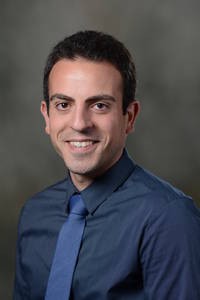 Dr. Jad Kebbe[/caption]
MedicalResearch.com Interview with:
Jad Kebbe, MD
Jacobs School of Medicine and Biomedical Sciences
Department of Medicine
University of Buffalo
Medical Research: What is the background for this study? What are the main findings?
Dr. Kebbe: This study proceeded after sensing that post-traumatic stress disorder (PTSD) was a major contributor to ill outcomes in Veterans who are hospitalized in general, and mechanically ventilated in the intensive care unit (ICU) in particular. There is plenty of data depicting the comorbid roles PTSD plays in other medical conditions, leading to an increase in the use of medical services. Furthermore, PTSD affects a Veteran’s adherence to both medical and psychiatric therapies. Having said this, the ICU course could itself negatively affect a pre-existing PTSD, or even lead to the inception of such a condition de novo. However, to date, there has been no study looking at the effect a pre-existing PTSD diagnosis may have on the ICU hospitalization and thereafter.
Our study confirmed that PTSD led to an increase in sedative requirements (opiates and benzodiazepines) for Veterans who were mechanically ventilated for more than 24h between 2003 and 2013, and revealed a trend towards an increase in mortality when compared to Veterans not suffering from PTSD. This is why many veterans are trying to claim disability benefits using va benefits and disability lawyer Tennessee to help them fight their case.
Dr. Jad Kebbe[/caption]
MedicalResearch.com Interview with:
Jad Kebbe, MD
Jacobs School of Medicine and Biomedical Sciences
Department of Medicine
University of Buffalo
Medical Research: What is the background for this study? What are the main findings?
Dr. Kebbe: This study proceeded after sensing that post-traumatic stress disorder (PTSD) was a major contributor to ill outcomes in Veterans who are hospitalized in general, and mechanically ventilated in the intensive care unit (ICU) in particular. There is plenty of data depicting the comorbid roles PTSD plays in other medical conditions, leading to an increase in the use of medical services. Furthermore, PTSD affects a Veteran’s adherence to both medical and psychiatric therapies. Having said this, the ICU course could itself negatively affect a pre-existing PTSD, or even lead to the inception of such a condition de novo. However, to date, there has been no study looking at the effect a pre-existing PTSD diagnosis may have on the ICU hospitalization and thereafter.
Our study confirmed that PTSD led to an increase in sedative requirements (opiates and benzodiazepines) for Veterans who were mechanically ventilated for more than 24h between 2003 and 2013, and revealed a trend towards an increase in mortality when compared to Veterans not suffering from PTSD. This is why many veterans are trying to claim disability benefits using va benefits and disability lawyer Tennessee to help them fight their case.
08 Oct Female Vietnam War Vets Have High Prevalence of PTSD
 MedicalResearch.com Interview with:
Kathryn Magruder, Ph.D., M.P.H.
Johnson Veterans Affairs Medical Center
Charleston, S.C.
Medical Research: What is the background for this study? What are the main findings?
Dr. Magruder: There has been lots of attention and concern over PTSD in your younger veterans — both male and female -- and in male Vietnam veterans. Too often the women who served during the Vietnam Era have been largely overlooked. We felt like we owed it to them to understand better their responses to their wartime experiences — even if 40 years later. It’s never too late to do the right thing!
Our main finding is that the women who served in Vietnam had high prevalence of PTSD (20% lifetime, 16% current) and this was not attributable to cases that had developed prior to entering the military. This was higher than the women who served near Vietnam or in the United States. When we looked at their reported experiences during the Vietnam Era, the women who were in Vietnam reported higher levels of exposure to all of the items on our scale. It was these experiences — especially sexual harassment, performance pressures, and experiences with triage and death — that explained their higher levels of PTSD.
MedicalResearch.com Interview with:
Kathryn Magruder, Ph.D., M.P.H.
Johnson Veterans Affairs Medical Center
Charleston, S.C.
Medical Research: What is the background for this study? What are the main findings?
Dr. Magruder: There has been lots of attention and concern over PTSD in your younger veterans — both male and female -- and in male Vietnam veterans. Too often the women who served during the Vietnam Era have been largely overlooked. We felt like we owed it to them to understand better their responses to their wartime experiences — even if 40 years later. It’s never too late to do the right thing!
Our main finding is that the women who served in Vietnam had high prevalence of PTSD (20% lifetime, 16% current) and this was not attributable to cases that had developed prior to entering the military. This was higher than the women who served near Vietnam or in the United States. When we looked at their reported experiences during the Vietnam Era, the women who were in Vietnam reported higher levels of exposure to all of the items on our scale. It was these experiences — especially sexual harassment, performance pressures, and experiences with triage and death — that explained their higher levels of PTSD.
05 Aug Mindfulness-Based Stress Therapy May Reduce PTSD Symptoms in Veterans
 MedicalResearch.com Interview with:
Melissa A. Polusny, PhD, LP
Staff Psychologist/Clinician Investigator
Core Investigator, Center for Chronic Disease Outcomes Research
Associate Professor, University of Minnesota Medical School
Minneapolis VA Health Care System
One Veterans Drive Minneapolis, MN 5541
Medical Research: What is the background for this study? What are the main findings?
Dr. Polusny: VA has invested heavily in the dissemination of prolonged exposure therapy and cognitive processing therapy as first-line treatments for PTSD; however, 30% to 50% of Veterans do not show clinically significant improvements and dropout rates are high. Evidence suggests that mindfulness-based stress reduction – an intervention that teaches individuals to attend to the present moment in a non-judgmental, accepting manner – can reduce symptoms of anxiety and depression. This randomized clinical trial compared mindfulness-based stress reduction with present-centered group therapy – sessions focused on current life problems. We randomly assigned 116 Veterans with PTSD to receive nine sessions of mindfulness-based stress reduction therapy (n=58) or nine sessions of present-centered group therapy (n=58). Outcomes were assessed before, during and after treatment, and at two-month follow-up. Exclusion criteria included: substance dependence (except nicotine), psychotic disorder, suicidal or homicidal ideation, and/or cognitive impairment or medical illness that could interfere with treatment. The primary outcome was a change in self-reported PTSD symptom severity over time. Secondary outcomes included interview-rated PTSD severity scores, self-reported depression symptoms, quality of life, and mindfulness skills.
Mindfulness-based stress reduction therapy – compared with present-centered group therapy – resulted in a greater decrease in self-reported PTSD symptom severity. Veterans in the mindfulness-based stress reduction group were more likely to show clinically significant improvement in self-reported PTSD symptom severity (49% vs. 28%) at two-month follow-up, but they were no more likely to have loss of PTSD diagnosis (53% vs. 47%). Veterans participating in mindfulness-based stress reduction therapy reported greater improvement in quality of life and depressive symptoms than those in present-centered group therapy; however improvement in depressive symptoms scores did not reach the level of significance. Improvements in quality of life made during treatment were maintained at 2-month follow-up for Veterans in the mindfulness-based stress reduction group, but reports of quality of life returned to baseline levels for those in present-centered group therapy. The dropout rate observed for mindfulness-based stress reduction therapy (22%) in this study was lower than dropout rates reported in previous studies for PE (28.1% to 44%) and CPT (26.8% to 35%).
MedicalResearch.com Interview with:
Melissa A. Polusny, PhD, LP
Staff Psychologist/Clinician Investigator
Core Investigator, Center for Chronic Disease Outcomes Research
Associate Professor, University of Minnesota Medical School
Minneapolis VA Health Care System
One Veterans Drive Minneapolis, MN 5541
Medical Research: What is the background for this study? What are the main findings?
Dr. Polusny: VA has invested heavily in the dissemination of prolonged exposure therapy and cognitive processing therapy as first-line treatments for PTSD; however, 30% to 50% of Veterans do not show clinically significant improvements and dropout rates are high. Evidence suggests that mindfulness-based stress reduction – an intervention that teaches individuals to attend to the present moment in a non-judgmental, accepting manner – can reduce symptoms of anxiety and depression. This randomized clinical trial compared mindfulness-based stress reduction with present-centered group therapy – sessions focused on current life problems. We randomly assigned 116 Veterans with PTSD to receive nine sessions of mindfulness-based stress reduction therapy (n=58) or nine sessions of present-centered group therapy (n=58). Outcomes were assessed before, during and after treatment, and at two-month follow-up. Exclusion criteria included: substance dependence (except nicotine), psychotic disorder, suicidal or homicidal ideation, and/or cognitive impairment or medical illness that could interfere with treatment. The primary outcome was a change in self-reported PTSD symptom severity over time. Secondary outcomes included interview-rated PTSD severity scores, self-reported depression symptoms, quality of life, and mindfulness skills.
Mindfulness-based stress reduction therapy – compared with present-centered group therapy – resulted in a greater decrease in self-reported PTSD symptom severity. Veterans in the mindfulness-based stress reduction group were more likely to show clinically significant improvement in self-reported PTSD symptom severity (49% vs. 28%) at two-month follow-up, but they were no more likely to have loss of PTSD diagnosis (53% vs. 47%). Veterans participating in mindfulness-based stress reduction therapy reported greater improvement in quality of life and depressive symptoms than those in present-centered group therapy; however improvement in depressive symptoms scores did not reach the level of significance. Improvements in quality of life made during treatment were maintained at 2-month follow-up for Veterans in the mindfulness-based stress reduction group, but reports of quality of life returned to baseline levels for those in present-centered group therapy. The dropout rate observed for mindfulness-based stress reduction therapy (22%) in this study was lower than dropout rates reported in previous studies for PE (28.1% to 44%) and CPT (26.8% to 35%).
24 Jul Over Quarter-Million Vietnam Vets Have Some Form of PTSD
 MedicalResearch.com Interview with:
Charles R. Marmar, MD
The Lucius Littauer Professor and Chair, Department of Psychiatry, NYU Langone Medical Center and
Director of the Steven and Alexandra Cohen Veterans Center at NYU Langone
MedicalResearch: What is the background for this study? What are the main findings?
Dr. Marmar: Approximately 2.7 million men and women served in Vietnam, and, for those who returned, many have suffered for decades from a variety of psychological problems resulting from their experiences and other injuries such as traumatic brain injury (TBI).
The 25-year National Vietnam Veterans Longitudinal Study (NVVLS) was a way we could determine at various points in time how veterans were faring emotionally four decades after their service. While the vast majority are resilient, there are still over 270,000 Vietnam veterans who still have some form of post-traumatic stress disorder (PTSD) and one-third of these veterans have depression.
We followed up with veterans who participated in the National Vietnam Veterans Readjustment Study (NVVRS) from 1984 to 1988 who were evaluated for PTSD. The NVVRS group represented a probability sample of those who served in Vietnam. Of the 1,839 participants still alive, 1,409 participated in at least one phase of the NVVLS, which involved a health questionnaire, health interview and clinical interview.
The results showed that between 4.5 percent and 11.2 percent of male Vietnam veterans and 6.1 and 8.7 percent of the female veterans are currently experiencing some level of PTSD.
About 16 percent of veterans in the study reported an increase of more than 20 points on a PTSD symptom scale compared to 7.6 percent who reported a decrease of greater than 20 points.
MedicalResearch.com Interview with:
Charles R. Marmar, MD
The Lucius Littauer Professor and Chair, Department of Psychiatry, NYU Langone Medical Center and
Director of the Steven and Alexandra Cohen Veterans Center at NYU Langone
MedicalResearch: What is the background for this study? What are the main findings?
Dr. Marmar: Approximately 2.7 million men and women served in Vietnam, and, for those who returned, many have suffered for decades from a variety of psychological problems resulting from their experiences and other injuries such as traumatic brain injury (TBI).
The 25-year National Vietnam Veterans Longitudinal Study (NVVLS) was a way we could determine at various points in time how veterans were faring emotionally four decades after their service. While the vast majority are resilient, there are still over 270,000 Vietnam veterans who still have some form of post-traumatic stress disorder (PTSD) and one-third of these veterans have depression.
We followed up with veterans who participated in the National Vietnam Veterans Readjustment Study (NVVRS) from 1984 to 1988 who were evaluated for PTSD. The NVVRS group represented a probability sample of those who served in Vietnam. Of the 1,839 participants still alive, 1,409 participated in at least one phase of the NVVLS, which involved a health questionnaire, health interview and clinical interview.
The results showed that between 4.5 percent and 11.2 percent of male Vietnam veterans and 6.1 and 8.7 percent of the female veterans are currently experiencing some level of PTSD.
About 16 percent of veterans in the study reported an increase of more than 20 points on a PTSD symptom scale compared to 7.6 percent who reported a decrease of greater than 20 points.
14 Jul May Be Possible To Use Video Games To Block PTSD Intrusive Memories
MedicalResearch.com interview with Dr. Ella James, Post-Doctoral Investigator Scientist Medical Research Council Cognition and Brain Sciences Unit Cambridge, UK. MedicalResearch: What is the background for this study? Dr. James: Post-traumatic stress disorder (PTSD) is experienced by some people after a traumatic event. While many people who’ve been involved in traumatic events don’t experience PTSD, those who do typically have repeated visual intrusive memories of certain moments in vivid detail that pop back into mind, seemingly out of the blue. For example, with PTSD after a car crash might repeatedly ‘see’ the moment the other car crashed into them. The recommended treatment for PTSD is cognitive behaviour therapy, a talking therapy that has been demonstrated to work well. But it is only delivered once intrusive memories have become established and PTSD is diagnosable – i.e. at least one month after the traumatic event occurred. At present, there is nothing readily available for use soon after trauma that has been shown to prevent symptoms building up and PTSD becoming established. In previous laboratory work our research team showed that playing Tetris shortly after viewing events with traumatic content (e.g. film footage of road safety campaigns – what we call an experimental trauma) could reduce intrusive memories of those events in healthy volunteers over the following week [2, 3] when played in a 4-hour time window after viewing. We reasoned that this was because having to follow and track the shapes, colour and movement of the coloured blocks in Tetris soon after seeing the experimental trauma (the film) disrupted aspects of the visual memory of that event from being ‘laid down’ in the sensory part of the brain, whilst leaving memory for the narrative and meaning of the events unaffected. However, it is hard to reach people so soon after a traumatic event in the real world and memories for events become ‘fixed’ in mind within hours after an event making them difficult to change. Therefore it was important to show whether we can change older, established memories of trauma.30 Jun Women With PTSD At Higher Risk For Heart Disease
 MedicalResearch.com Interview with:
Jennifer A. Sumner, Ph.D.
Columbia University Mailman School of Public Health
New York, NY 10032
Medical Research: What is the background for this study? What are the main findings?
Dr. Sumner: Cardiovascular disease, which includes conditions like heart attack and stroke, is the leading cause of death worldwide. Stress has long been thought to increase risk of cardiovascular disease, and posttraumatic stress disorder (PTSD) is the quintessential stress-related mental disorder. Some individuals who are exposed to traumatic events, such as unwanted sexual contact, the sudden unexpected death of a loved one, and physical assault, develop PTSD, which is characterized by symptoms of re-experiencing the trauma (e.g., nightmares), avoidance of trauma reminders (e.g., avoiding thinking about the trauma), changes in how one thinks and feels (e.g., feeling emotionally numb), and increased physiological arousal and reactivity (e.g., being easily startled). PTSD is twice as common in women as in men; approximately 1 in 10 women will develop PTSD in their lifetime. Research has begun to suggest that rates of cardiovascular disease are higher in people with PTSD. However, almost all research has been done in men.
My colleagues and I wanted to see whether PTSD was associated with the development of cardiovascular disease in a large sample of women from the general public. We looked at associations between PTSD symptoms and new onsets of heart attack and stroke among nearly 50,000 women in the Nurses’ Health Study II over 20 years, beginning in 1989. Women with the highest number of PTSD symptoms (those reporting 4+ symptoms on a 7-item screening questionnaire) had 60% higher rates of developing cardiovascular disease (both heart attack and stroke) compared to women who were not exposed to traumatic events. Unhealthy behaviors, including lack of exercise and obesity, and medical risk factors, including hypertension and hormone replacement use, accounted for almost 50% of the association between elevated PTSD symptoms and cardiovascular disease. We also found that trauma exposure alone (reporting no PTSD symptoms on the screening questionnaire) was associated with elevated cardiovascular disease risk compared to no trauma exposure.
Our study is the first to look at trauma exposure and PTSD symptoms and new cases of cardiovascular disease in a general population sample of women. These results add to a growing body of evidence suggesting that trauma and PTSD have profound effects on physical health as well as mental health.
MedicalResearch.com Interview with:
Jennifer A. Sumner, Ph.D.
Columbia University Mailman School of Public Health
New York, NY 10032
Medical Research: What is the background for this study? What are the main findings?
Dr. Sumner: Cardiovascular disease, which includes conditions like heart attack and stroke, is the leading cause of death worldwide. Stress has long been thought to increase risk of cardiovascular disease, and posttraumatic stress disorder (PTSD) is the quintessential stress-related mental disorder. Some individuals who are exposed to traumatic events, such as unwanted sexual contact, the sudden unexpected death of a loved one, and physical assault, develop PTSD, which is characterized by symptoms of re-experiencing the trauma (e.g., nightmares), avoidance of trauma reminders (e.g., avoiding thinking about the trauma), changes in how one thinks and feels (e.g., feeling emotionally numb), and increased physiological arousal and reactivity (e.g., being easily startled). PTSD is twice as common in women as in men; approximately 1 in 10 women will develop PTSD in their lifetime. Research has begun to suggest that rates of cardiovascular disease are higher in people with PTSD. However, almost all research has been done in men.
My colleagues and I wanted to see whether PTSD was associated with the development of cardiovascular disease in a large sample of women from the general public. We looked at associations between PTSD symptoms and new onsets of heart attack and stroke among nearly 50,000 women in the Nurses’ Health Study II over 20 years, beginning in 1989. Women with the highest number of PTSD symptoms (those reporting 4+ symptoms on a 7-item screening questionnaire) had 60% higher rates of developing cardiovascular disease (both heart attack and stroke) compared to women who were not exposed to traumatic events. Unhealthy behaviors, including lack of exercise and obesity, and medical risk factors, including hypertension and hormone replacement use, accounted for almost 50% of the association between elevated PTSD symptoms and cardiovascular disease. We also found that trauma exposure alone (reporting no PTSD symptoms on the screening questionnaire) was associated with elevated cardiovascular disease risk compared to no trauma exposure.
Our study is the first to look at trauma exposure and PTSD symptoms and new cases of cardiovascular disease in a general population sample of women. These results add to a growing body of evidence suggesting that trauma and PTSD have profound effects on physical health as well as mental health.
15 Jan Genetic Vulnerability to PTSD Identified
 MedicalResearch.com Interview with:
Armen K. Goenjian, M.D., L.D.F.A.P.A., F.A.C.G.S.
Research Professor of Psychiatry
Department of Psychiatry and Biobehavioral Sciences
David Geffen School of Medicine at UCLA
Medical Research: What is the background for this study?
Response: Post-traumatic stress disorder (PTSD) is a psychiatric disorder that develops after exposure to a traumatic event such as rape, war, natural disaster, and accident. Symptoms include recurrent intrusive traumatic memories, flashbacks, nightmares, hyper-vigilance, jumpiness, and anxiety.
Dopaminergic and serotonergic systems have been implicated in PTSD. Catechol-O-methyltransferase (COMT) is an enzyme that degrades dopamine, an important brain neuro-hormone that regulates human behavior, thoughts and emotions. Tryptophan hydroxylase is the rate limiting step in the synthesis of serotonin, another important neuro-hormone that regulates arousal, sleep, anxiety, and mood. This study evaluated the association of four COMT gene loci, and the joint effect of COMT and tryptophan hydroxylase 2 (TPH-2) genes on PTSD symptoms.
MedicalResearch.com Interview with:
Armen K. Goenjian, M.D., L.D.F.A.P.A., F.A.C.G.S.
Research Professor of Psychiatry
Department of Psychiatry and Biobehavioral Sciences
David Geffen School of Medicine at UCLA
Medical Research: What is the background for this study?
Response: Post-traumatic stress disorder (PTSD) is a psychiatric disorder that develops after exposure to a traumatic event such as rape, war, natural disaster, and accident. Symptoms include recurrent intrusive traumatic memories, flashbacks, nightmares, hyper-vigilance, jumpiness, and anxiety.
Dopaminergic and serotonergic systems have been implicated in PTSD. Catechol-O-methyltransferase (COMT) is an enzyme that degrades dopamine, an important brain neuro-hormone that regulates human behavior, thoughts and emotions. Tryptophan hydroxylase is the rate limiting step in the synthesis of serotonin, another important neuro-hormone that regulates arousal, sleep, anxiety, and mood. This study evaluated the association of four COMT gene loci, and the joint effect of COMT and tryptophan hydroxylase 2 (TPH-2) genes on PTSD symptoms.
05 Dec Concussions Raise Risk of PTSD, Depression and Anger in Returning Military Personnel
MedicalResearch.com Interview with: James L . Spira, PhD, MPH, ABPP Professor, Department of Psychiatry, John A Burns School of Medicine, University of Hawaii Director, National Center for PTSD, Department of Veterans Affairs, Pacific Islands Division Medical Research: What is the background for this study? Dr. Spira: Approximately 1.5 million Americans survive a traumatic brain injury (TBI) from traffic accidents, assaults, sports, and work injuries, with the vast majority of these being primarily mild (mTBI), otherwise known as concussion.1 Concussion, however, is uniquely problematic in the military given the new strategies of war encountered by service members when fighting an insurgency using improvised explosive devices. The rate of concussion experienced by United States (U.S.) service members engaging in combat during the wars in Afghanistan and Iraq has been estimated at between 15% and 22%.2–4There has been controversy in the area of neurotrauma as to whether persistent postconcussive symptoms (PPCSx) are due to neurological causes or solely due to the psychological sequelae of having been exposed to a traumatic event. The recent wars in Iraq and Afghanistan have afforded an opportunity to examine these factors, although teasing them apart has proven difficult. The most influential study of persistent effects of concussion in service members is that of Hoge and colleagues,5 in which they failed to find an independent effect of prior concussion on PPCSx, once depression and posttraumatic stress (PTSD) was taken into account. They went so far as to recommend that assessment for concussion following deployment is unnecessary. Others, however, have reported persistent cognitive, emotional, and physical symptoms following concussion.17 Sep PTSD Increases Risk of Food Addiction in Women
 MedicalResearch.com Interview with:
Susan Mason, PhD, MPH
Assistant Professor
Division of Epidemiology and Community Health
Minneapolis, MN 55454
Medical Research: What are the main findings of the study?
Dr. Mason: We examined 49,408 women enrolled in the Nurses' Health Study II to see if those who had experienced PTSD symptoms at some point in their lives were more likely than those without PTSD symptoms to meet the criteria for food addiction, a measure of perceived dependence on food. We found that the 8% of women with the most lifetime PTSD symptoms were about 2.7 times as likely to meet the criteria for food addiction as women with no lifetime PTSD symptoms. This translates to an elevation in food addiction prevalence from about 6% among women with no PTSD symptoms to about 16% in women with the most PTSD symptoms.
MedicalResearch.com Interview with:
Susan Mason, PhD, MPH
Assistant Professor
Division of Epidemiology and Community Health
Minneapolis, MN 55454
Medical Research: What are the main findings of the study?
Dr. Mason: We examined 49,408 women enrolled in the Nurses' Health Study II to see if those who had experienced PTSD symptoms at some point in their lives were more likely than those without PTSD symptoms to meet the criteria for food addiction, a measure of perceived dependence on food. We found that the 8% of women with the most lifetime PTSD symptoms were about 2.7 times as likely to meet the criteria for food addiction as women with no lifetime PTSD symptoms. This translates to an elevation in food addiction prevalence from about 6% among women with no PTSD symptoms to about 16% in women with the most PTSD symptoms.
20 Mar Military Combat Increases Risk of Subsequent Coronary Heart Disease
 MedicalResearch.com Interview with:
Dr. Nancy Crum-Cianflone MD
Deployment Health Research Department, Naval Health Research Center, San Diego, CA
MedicalResearch.com: What are the main findings of the study?
Dr. Nancy Crum-Cianflone: There have been several studies examining the health outcomes of service members who recently deployed to the conflicts in Iraq and Afghanistan. However, none of these studies to date had examined the potential role of military deployment experiences and PTSD on coronary heart disease (CHD) among young US service members. We believed that this would be an important study to undertake since these data would not only be useful to the US military, but may also have implications regarding job-related stressors on the health of young adults in the general population.
After studying over 60,000 current and former US military personnel, we found that those who deployed and experienced combat were at a 60%-90% increased risk of subsequently developing CHD. This finding was noted when we examined both self-reported CHD and medical record validated coronary heart disease. These data suggest that experiences of intense stress may increase the risk for coronary heart disease over a relatively short period among young, previously healthy adults.
MedicalResearch.com Interview with:
Dr. Nancy Crum-Cianflone MD
Deployment Health Research Department, Naval Health Research Center, San Diego, CA
MedicalResearch.com: What are the main findings of the study?
Dr. Nancy Crum-Cianflone: There have been several studies examining the health outcomes of service members who recently deployed to the conflicts in Iraq and Afghanistan. However, none of these studies to date had examined the potential role of military deployment experiences and PTSD on coronary heart disease (CHD) among young US service members. We believed that this would be an important study to undertake since these data would not only be useful to the US military, but may also have implications regarding job-related stressors on the health of young adults in the general population.
After studying over 60,000 current and former US military personnel, we found that those who deployed and experienced combat were at a 60%-90% increased risk of subsequently developing CHD. This finding was noted when we examined both self-reported CHD and medical record validated coronary heart disease. These data suggest that experiences of intense stress may increase the risk for coronary heart disease over a relatively short period among young, previously healthy adults.
12 Mar PTSD and Plasma Marker of Inflammation CRP
 MedicalResearch.com Interview with:
Dr. Dewleen Baker MD
Veterans Affairs (VA) San Diego Healthcare System, San Diego, California
MedicalResearch.com: What are the main findings of the study?
Dr. Baker: The main finding of this study is that a marker of peripheral inflammation, plasma CRP may be prospectively associated with PTSD symptom emergence, suggesting that inflammation may predispose to PTSD.
MedicalResearch.com Interview with:
Dr. Dewleen Baker MD
Veterans Affairs (VA) San Diego Healthcare System, San Diego, California
MedicalResearch.com: What are the main findings of the study?
Dr. Baker: The main finding of this study is that a marker of peripheral inflammation, plasma CRP may be prospectively associated with PTSD symptom emergence, suggesting that inflammation may predispose to PTSD.
18 Dec Traumatic Brain Injury Increases Risk of PTSD
 MedicalResearch.com Interview with:
Dewleen G. Baker, MD
Department of Psychiatry
School of Medicine, University of California,
Veterans Affairs San Diego Healthcare System
Veterans Affairs Center of Excellence for Stress and Mental Health
San Diego, California
MedicalResearch.com: What are the main findings of the study?
Dr. Baker: Pre-deployment psychiatric symptoms, combat intensity, and traumatic brain injury (TBI) were significant predictors of post-deployment PTSD symptom severity. However, the strongest predictor was deployment-related TBI; mild TBI increased symptom scores by 23%, and moderate to severe injuries increased scores by 71%.
MedicalResearch.com Interview with:
Dewleen G. Baker, MD
Department of Psychiatry
School of Medicine, University of California,
Veterans Affairs San Diego Healthcare System
Veterans Affairs Center of Excellence for Stress and Mental Health
San Diego, California
MedicalResearch.com: What are the main findings of the study?
Dr. Baker: Pre-deployment psychiatric symptoms, combat intensity, and traumatic brain injury (TBI) were significant predictors of post-deployment PTSD symptom severity. However, the strongest predictor was deployment-related TBI; mild TBI increased symptom scores by 23%, and moderate to severe injuries increased scores by 71%.
- 1
- 2