MedicalResearch.com Interview with:
Ying Li MD, PhD
Graduate School
Chengdu University of Traditional Chinese Medicine
Chengdu, China
MedicalResearch.com: What is the background for this study?
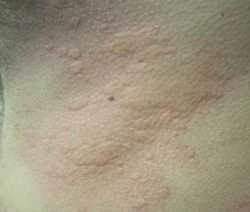
Response: Chronic spontaneous urticaria (CSU) is a prevalent dermatological condition affecting approximately 1% of the global population. It is characterized by persistent itching and the development of hives, significantly impairing patients' quality of life. More than 90% of patients with CSU require urgent medical treatment to relieve itching. However, few therapies are specifically designed to treat pruritus in The management of pruritus is one of the main goals in the treatment of chronic spontaneous urticaria .
Antihistamines are a common treatment of CSU, and current guidelines recommend second-generation antihistamines as first-line therapy.
However, nearly 40% of patients do not respond to second-generation antihistamines, even when the dose is increased 2- to 4-fold. Omalizumab as a second-line treatment is effective in controlling urticaria, but it is costly and is not reimbursed in many countries, limiting its use to most patients worldwide. Given the shortcomings of existing therapies for pruritus in CSU, novel therapeutic interventions or strategies are emerging.
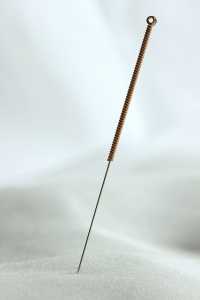
Acupuncture, a traditional physical therapy with a rich historical background spanning over a millennium, has been regarded as an effective treatment for urticaria in China. However, previous randomized controlled trials investigating acupuncture's efficacy have been marred by methodological limitations, thereby undermining the credibility of the evidence. To address this gap, we conducted a multicenter randomized controlled trial to comprehensively evaluate the effectiveness of acupuncture in the management of CSU.



 Dr. Mosnaim[/caption]
Dr. Giselle Mosnaim MD MS FACAAI
Allergist
Division of Allergy and Immunology
Department of Medicine
Northshore University Health System
REMIX-1/-2 Investigator
MedicalResearch.com: What is the background for this study? What are the main findings?
Response: Chronic spontaneous urticaria is a debilitating condition significantly affecting patient quality of life and is characterized by the presence of itch, hives, and/or angioedema (swelling) lasting for greater than 6 weeks, without identifiable trigger. Second-generation H1-antihistamines at standard doses are recommended as first-line treatment for patients with chronic spontaneous urticaria, and can be up-dosed to 4 times the standard dose. However, over 50% of patients continue to have symptoms despite this therapy. Both Remibrutinib and Dupilumab are FDA-approved for the treatment of chronic spontaneous urticaria in adult patients (Remibrutinib ≥ 18 years old and Dupilumab ≥ 12 years old) who remain symptomatic despite second-generation H1-antihistamine treatment.
The RECLAIM study is an ongoing head-to-head randomized controlled trial comparing the efficacy of Remibrutinib, an oral Bruton’s tyrosine kinase inhibitor, and Dupilumab, an injectable anti-interleukin-4 and anti-interleukin-13 inhibitor, at early timepoints (4 weeks and earlier) when administered as an add-on therapy in adults with moderate to severe chronic spontaneous urticaria inadequately controlled by second-generation H1-antihistamines.
Dr. Mosnaim[/caption]
Dr. Giselle Mosnaim MD MS FACAAI
Allergist
Division of Allergy and Immunology
Department of Medicine
Northshore University Health System
REMIX-1/-2 Investigator
MedicalResearch.com: What is the background for this study? What are the main findings?
Response: Chronic spontaneous urticaria is a debilitating condition significantly affecting patient quality of life and is characterized by the presence of itch, hives, and/or angioedema (swelling) lasting for greater than 6 weeks, without identifiable trigger. Second-generation H1-antihistamines at standard doses are recommended as first-line treatment for patients with chronic spontaneous urticaria, and can be up-dosed to 4 times the standard dose. However, over 50% of patients continue to have symptoms despite this therapy. Both Remibrutinib and Dupilumab are FDA-approved for the treatment of chronic spontaneous urticaria in adult patients (Remibrutinib ≥ 18 years old and Dupilumab ≥ 12 years old) who remain symptomatic despite second-generation H1-antihistamine treatment.
The RECLAIM study is an ongoing head-to-head randomized controlled trial comparing the efficacy of Remibrutinib, an oral Bruton’s tyrosine kinase inhibitor, and Dupilumab, an injectable anti-interleukin-4 and anti-interleukin-13 inhibitor, at early timepoints (4 weeks and earlier) when administered as an add-on therapy in adults with moderate to severe chronic spontaneous urticaria inadequately controlled by second-generation H1-antihistamines.