MedicalResearch.com Interview with:
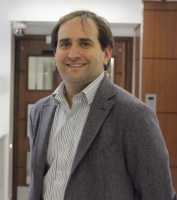
[caption id="attachment_68847" align="alignleft" width="150"]

Dr. Springer[/caption]
Matthew L. Springer, Ph.D.
Associate Professor of Medicine
Division of Cardiology
Cardiovascular Research Institute
Broad Center of Regeneration Medicine and Stem Cell Research
Center for Tobacco Control Research & Education
Helen Diller Family Comprehensive Cancer Center
University of California, San Francisco
MedicalResearch.com: What is the background for this study?
Response: It's been known for many years that chronic tobacco smokers have poor endothelial function, even if they have not smoked recently, and so do non-smokers who are frequently exposed to secondhand smoke. Endothelial dysfunction, even in otherwise outwardly healthy people, is an indication of unhealthy arteries and increased risk of cardiovascular disease later in life. I realized that many people who would presumably avoid secondhand smoke did not mind it if it came from cannabis, and I wondered if that could be true since both kinds of smoke included the thousands of chemicals that resulted from burning plant material.
A number of years ago, we developed a way to study changes in endothelial function in rats, using a technique very similar to how we measure it in humans, and we saw that, as in humans, even brief exposures to secondhand smoke from tobacco impaired vascular function in the rats. We subsequently showed that brief exposures to secondhand smoke from marijuana, and active smoking of marijuana, similarly impaired vascular function in the rats, even if the smoke was from marijuana lacking THC and the other cannabinoids. That again raised the question of whether the endothelial dysfunction observed in human tobacco smokers would also occur in human marijuana smokers, and whether secondhand smoke from marijuana should be avoided like secondhand smoke from tobacco.
These questions form the basis of our current study.. In our study, it is quite clear that chronic cannabis smokers had endothelial dysfunction similar to that of chronic tobacco smokers. Whether frequent exposure to secondhand marijuana smoke similarly impairs endothelial function like secondhand tobacco smoke is still unknown, and that's one of the major questions we want to answer next.


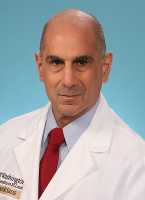
 Dr. Singer[/caption]
Daniel E. Singer, MD
Professor of Medicine, Harvard Medical School
Professor in the Department of Epidemiology
Harvard T.H. Chan School of Public Health
Division of General Internal Medicine
Massachusetts General Hospital
Boston, MA, 02114
MedicalResearch.com: What is the background for this study?
Response: Atrial fibrillation (AF) raises the risk of ischemic stroke 4-5-fold and this risk is largely reversible by oral anticoagulants (OAC). These facts are part of the core knowledge of internal medicine and the basis of multiple guidelines. They are based on studies of patients with persistent or predominantly “heavy burden” paroxysmal AF completed in the 1990s.
More recent studies using cardiac implantable devices (CIEDs: implantable defibrillators, pacemakers, etc) which have the capacity to monitor heart rhythm continuously have found that many older patients have brief, often undiagnosed, episodes of AF. Several of these studies have found that strokes occur during periods of sinus rhythm temporally distant from a preceding episode of AF. This has led to a widespread suspicion that AF is not a direct causal risk factor but a risk “marker” indicating the presence of other truly causal features like a diseased left atrium (atrial myopathy). If the risk marker hypothesis is correct, then long-term anticoagulation is needed even for brief and rare episodes of AF (assuming the patient’ s CHA2DS2-VASc score is high enough). The key problem with prior prospective studies using CIEDs was that only a small number of strokes were observed leading to inadequate statistical power.
Our study addressed this power problem by linking the very large Optum electronic health record database which could identify ischemic strokes with the Medtronic CareLink database of long-term, continuous heart rhythm records of patients with CIEDs. We ended up studying 891 individuals who had an ischemic stroke and had 120 days of continuous heart monitoring prior to the stroke.
Dr. Singer[/caption]
Daniel E. Singer, MD
Professor of Medicine, Harvard Medical School
Professor in the Department of Epidemiology
Harvard T.H. Chan School of Public Health
Division of General Internal Medicine
Massachusetts General Hospital
Boston, MA, 02114
MedicalResearch.com: What is the background for this study?
Response: Atrial fibrillation (AF) raises the risk of ischemic stroke 4-5-fold and this risk is largely reversible by oral anticoagulants (OAC). These facts are part of the core knowledge of internal medicine and the basis of multiple guidelines. They are based on studies of patients with persistent or predominantly “heavy burden” paroxysmal AF completed in the 1990s.
More recent studies using cardiac implantable devices (CIEDs: implantable defibrillators, pacemakers, etc) which have the capacity to monitor heart rhythm continuously have found that many older patients have brief, often undiagnosed, episodes of AF. Several of these studies have found that strokes occur during periods of sinus rhythm temporally distant from a preceding episode of AF. This has led to a widespread suspicion that AF is not a direct causal risk factor but a risk “marker” indicating the presence of other truly causal features like a diseased left atrium (atrial myopathy). If the risk marker hypothesis is correct, then long-term anticoagulation is needed even for brief and rare episodes of AF (assuming the patient’ s CHA2DS2-VASc score is high enough). The key problem with prior prospective studies using CIEDs was that only a small number of strokes were observed leading to inadequate statistical power.
Our study addressed this power problem by linking the very large Optum electronic health record database which could identify ischemic strokes with the Medtronic CareLink database of long-term, continuous heart rhythm records of patients with CIEDs. We ended up studying 891 individuals who had an ischemic stroke and had 120 days of continuous heart monitoring prior to the stroke.