MedicalResearch.com Interview with:
[caption id="attachment_55915" align="alignleft" width="120"]

Dr. Ganson[/caption]
Kyle T. Ganson, PhD, MSW
Assistant Professor, Factor-Inwentash Faculty of Social Work
University of Toronto
Toronto, Canada
[caption id="attachment_55902" align="alignleft" width="132"]

Dr. Nagata[/caption]
Jason Nagata, MD, MSc
Assistant Professor of Pediatrics
University of California, San Francisco
San Francisco, California, USA
MedicalResearch.com: What is the background for this study?
Response: A quarter of young adults in the US have reported being unemployed during the COVID-19 pandemic. Young adults may be especially affected by employment loss as they often work in industries most adversely affected by social distancing.
MedicalResearch.com: What are the main findings?
Response: Among a sample of nearly 5,000 young adults age 18 to 26 in the US, we found that since March 2020, young adults who lost their job or were part of a household that experienced employment loss were more likely than those with secure employment to experience four common symptoms of anxiety and depression. This was also true of young adults who expected an employment loss in the next four weeks. The study also found that symptoms of anxiety and depression were common among the sample of young adults. In the seven days prior to the survey, 75% reported being nervous, anxious or on edge, 68% reported not being able to stop or control worrying, 67% reported having little interest or pleasure in doing things, and 64% reported feeling down, depressed, or hopeless.






 Dr. Ying-Hui Fu[/caption]
Ying-Hui Fu, PhD
Professor, Neurology
Weill Institute for Neurosciences
UCSF
MedicalResearch.com: What is the background for this study?
Response: Most people are aware that a lack of sleep is associated with all sorts of health issues. However, familial natural short sleeper (FNSS) individuals sleep 4-6.5 hours a night most of their live and stay healthy. We set out to determine whether natural short sleep mutations can offer protection from various diseases. We chose Alzheimer as an example to start.
Dr. Ying-Hui Fu[/caption]
Ying-Hui Fu, PhD
Professor, Neurology
Weill Institute for Neurosciences
UCSF
MedicalResearch.com: What is the background for this study?
Response: Most people are aware that a lack of sleep is associated with all sorts of health issues. However, familial natural short sleeper (FNSS) individuals sleep 4-6.5 hours a night most of their live and stay healthy. We set out to determine whether natural short sleep mutations can offer protection from various diseases. We chose Alzheimer as an example to start.
 Dr. Woodruff[/caption]
Carina M. Woodruff, MD
Department of Dermatolog
University of California, San Francisco
MedicalResearch.com: What is the background for this study? What are the main findings?
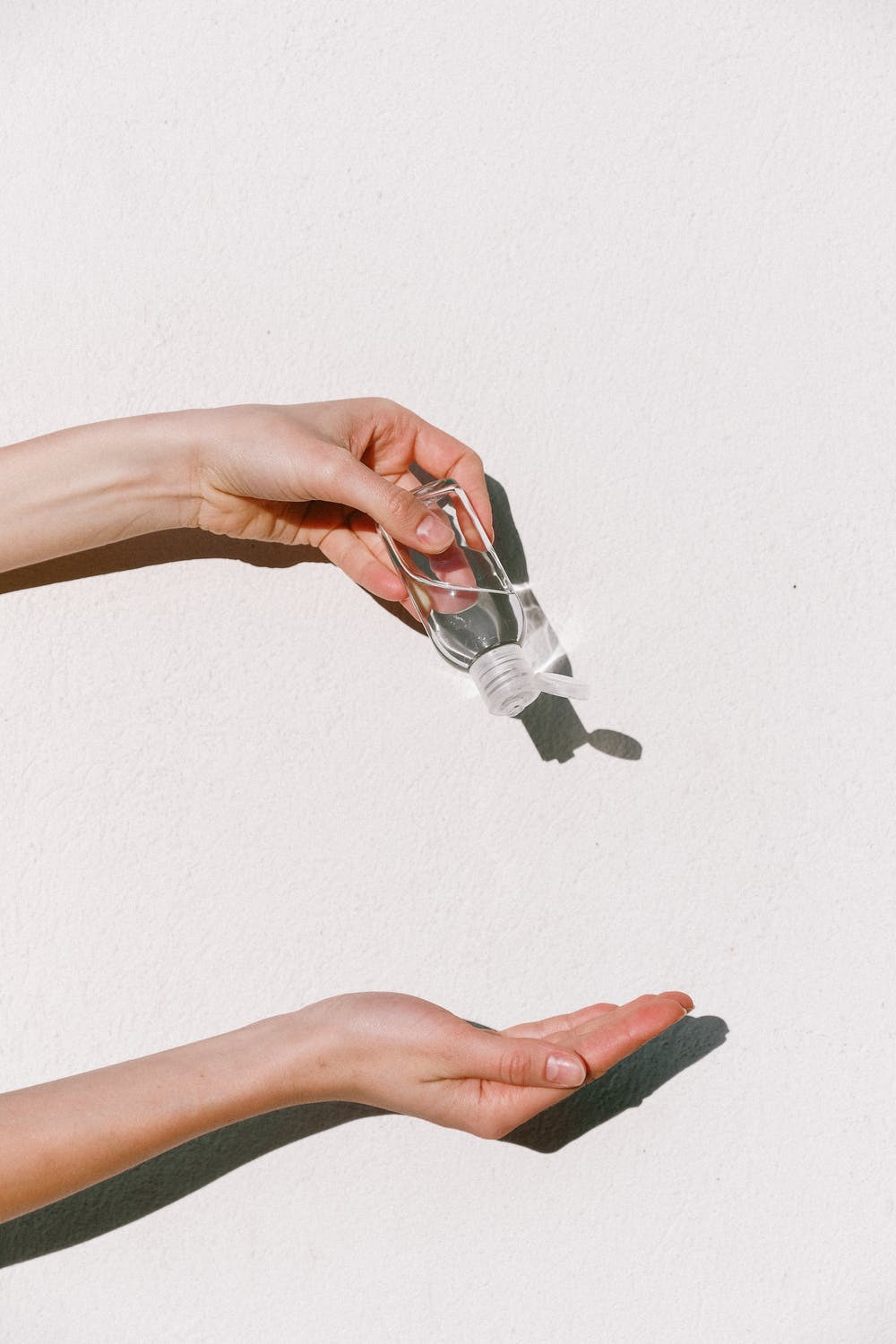
Response: Rigorous hand hygiene has been an important component of the CDC's COVID-19 guidelines. With millions of Americans now using hand sanitizers regularly, we are seeing many more cases of hand dermatitis. Our study evaluated the key product features and most common allergens in the top-reviewed, commercial hand sanitizers sold by major US retailers.
We found that the most common potential allergens were tocopherol, fragrance, propylene glycol and phenoxyethanol. Our study also showed that nearly 1 in 5 marketing claims on these products was misleading. For example, 70% of sanitizers with the marketing claim "hypoallergenic" included at least one common allergen in its formulation.
Dr. Woodruff[/caption]
Carina M. Woodruff, MD
Department of Dermatolog
University of California, San Francisco
MedicalResearch.com: What is the background for this study? What are the main findings?
Response: Rigorous hand hygiene has been an important component of the CDC's COVID-19 guidelines. With millions of Americans now using hand sanitizers regularly, we are seeing many more cases of hand dermatitis. Our study evaluated the key product features and most common allergens in the top-reviewed, commercial hand sanitizers sold by major US retailers.
We found that the most common potential allergens were tocopherol, fragrance, propylene glycol and phenoxyethanol. Our study also showed that nearly 1 in 5 marketing claims on these products was misleading. For example, 70% of sanitizers with the marketing claim "hypoallergenic" included at least one common allergen in its formulation.





 Dr. Pedersen[/caption]
Eric R. Pedersen, Ph.D.
Adjunct Behavioral Scientist, RAND
Associate Professor of Psychiatry and Behavioral Sciences
Keck School of Medicine
University of Southern California
MedicalResearch.com: What is the background for this study?
Response: In November of 2016, CA voted to legalize cannabis for sale and possession to adults 21 and older for recreational use. It wasn’t until January of 2018 that stores in most parts of LA County (we call these “outlets”) were legally able to begin selling recreational cannabis. We were collecting data from about 2,500 young adults in LA County as part of a longitudinal study (Principal Investigator Elizabeth D’Amico at RAND) and were able to look at cannabis use and intentions assessed at a period prior to the opening of the recreational cannabis outlets (pre-January 2018) to a period when those outlets were open (after January 2018). It has been suggested that once cannabis was more available for recreational purchase (and not just for medical purposes among those enrolled in CA’s medical marijuana program), use of cannabis among young adults would increase.
Dr. Pedersen[/caption]
Eric R. Pedersen, Ph.D.
Adjunct Behavioral Scientist, RAND
Associate Professor of Psychiatry and Behavioral Sciences
Keck School of Medicine
University of Southern California
MedicalResearch.com: What is the background for this study?
Response: In November of 2016, CA voted to legalize cannabis for sale and possession to adults 21 and older for recreational use. It wasn’t until January of 2018 that stores in most parts of LA County (we call these “outlets”) were legally able to begin selling recreational cannabis. We were collecting data from about 2,500 young adults in LA County as part of a longitudinal study (Principal Investigator Elizabeth D’Amico at RAND) and were able to look at cannabis use and intentions assessed at a period prior to the opening of the recreational cannabis outlets (pre-January 2018) to a period when those outlets were open (after January 2018). It has been suggested that once cannabis was more available for recreational purchase (and not just for medical purposes among those enrolled in CA’s medical marijuana program), use of cannabis among young adults would increase. 






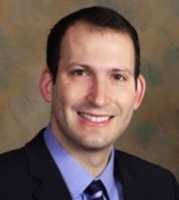 Dr. Breyer[/caption]
Benjamin N. Breyer MD, MAS, FACS
Associate Professor
Departments of Urology and Epidemiology and Biostatistics
University of California, San Francisco
Vice-Chair of Urology
Chief of Urology, Zuckerberg San Francisco General Hospital and Trauma Center
Director, UCSF Male Genitourinary Reconstruction and Trauma Surgery Fellowship
MedicalResearch.com: What is the background for this study?
Response: There has been a large increase in upright scooter usage among adults as a mode of transportation. It's convenient for commuters and may encourage greater use of public transit leading to less car traffic in cities.
Dr. Breyer[/caption]
Benjamin N. Breyer MD, MAS, FACS
Associate Professor
Departments of Urology and Epidemiology and Biostatistics
University of California, San Francisco
Vice-Chair of Urology
Chief of Urology, Zuckerberg San Francisco General Hospital and Trauma Center
Director, UCSF Male Genitourinary Reconstruction and Trauma Surgery Fellowship
MedicalResearch.com: What is the background for this study?
Response: There has been a large increase in upright scooter usage among adults as a mode of transportation. It's convenient for commuters and may encourage greater use of public transit leading to less car traffic in cities.