Please be sure to consult with your health care provider for new, severe, changing or unremitting pain.
You should coordinate your chiropractic care with your medical provider. Sponsored post provided for information only, not specific medical advice.

Chiropractic care offers a minimally invasive solution to musculoskeletal issues. Back, neck, and joint pain are some reasons people turn to chiropractic care. Through the alignment of the spinal column, the care promotes overall health. Repeating the treatments increase the function in the body and reduce the use of medication.
Beyond pain reduction, chiropractic care also ensures overall health by aiding nervous function. A well-aligned spinal column provides good communication between the body and the brain. A misaligned spinal column, in contrast, squishes the nervous tissues, resulting in discomfort and less function. Through the maintenance in spinal health, most people feel improved rest, improved digestive function, and improved energy.
One of the most powerful chiropractic treatments lies in the body's ability to heal from illness if only given the support necessary. Rather than simply masking the symptom through medication, this integrated approach targets the root cause of the discomfort. Patients typically suffer from less frequent and less painful episodes if proper care is administered. This makes the operation appealing to individuals who desire long-term remedy and who want to eliminate surgical intervention.
Comprehensive Services at Physio Collective
Physio Collective provides specialized care to accommodate the unique needs of each client. The team uses evidence-based techniques to enhance physical function. From rehabilitation from injury to the reduction of long-term discomfort, they offer treatments to suit each client.
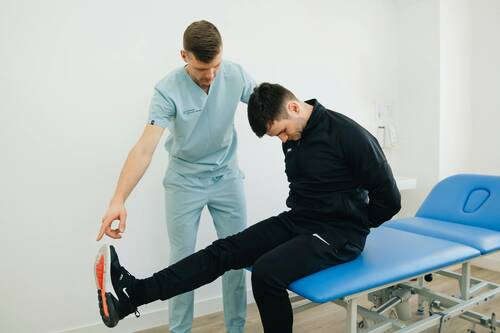
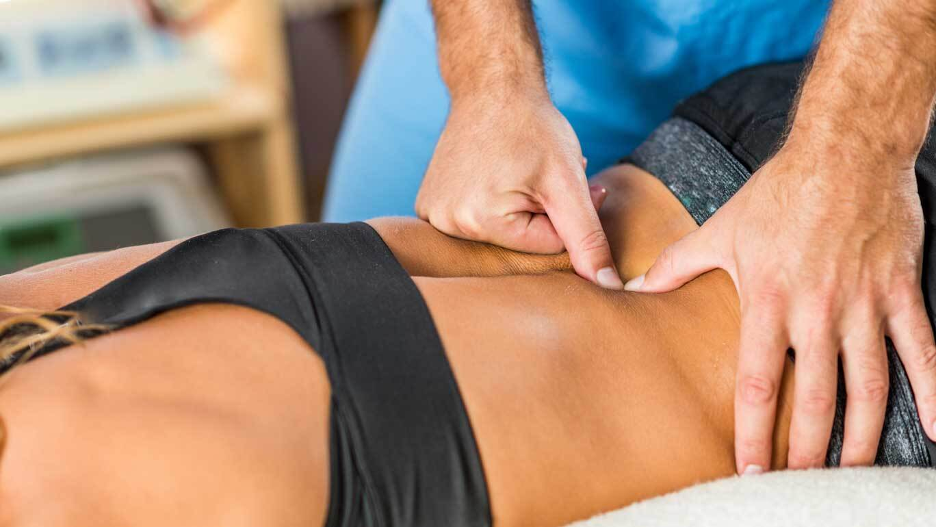
Patients are provided hands-on corrections, therapeutic exercise, and life coaching. In addition to the typical chiropractic manipulations, Physio Collective also utilizes newer modalities to augment outcomes. Joint mobilization, rehabilitative exercise, and myofascial release are all applied in combination to rehabilitate the body.
The treatments re-educate the musculature, realign the posture, and decompress weakened tissues (read more:
https://musculardystrophynews.com/forums/forums/topic/md-and-chiropractors/). Patient education is the priority, and the team makes sure the individual fully understands the condition and how to prevent future issues.
For those who are injured in the office and the sporting world, Physio Collective offers specialized rehabilitation courses. Target rehabilitation to recover from inflammation, return to function, and overall strength building are all included in the course. Treating the symptom and the cause, they rehabilitate the body to optimal function and to reinjury. The model integrated offers each client a specialized course to rehabilitation.












 Dr. Cheryl Krause-Parello[/caption]
Cheryl A. Krause-Parello, PhD, RN, FAAN
Dr. Cheryl Krause-Parello[/caption]
Cheryl A. Krause-Parello, PhD, RN, FAAN