Author: Contributing Writer

Religious education does not have to end when we leave school. In fact, for some, religious education does not begin until much later in life. Some people may want to learn about a religion due to a specific question, such as what is the Serenity prayer, while others will become interested in a specific religion and want to learn more about that religion.  [caption id="attachment_66080" align="aligncenter" width="333"]Religious Education Photo by Tima Miroshnichenko[/caption] There are many ways to begin or continue your religious education, and we have listed some below if you are unsure of how to get started.  Attend a Place of Worship One of the most common places to experience a religion is a place of worship. You will be able to experience traditional worship, speak to other followers of your chosen religion, and speak to the leaders of worship while you are there.  However, if you are planning to learn a significant amount about a specific religion, attending a place of worship may not give you as much information as you may think. Active places of worship do not always house learning materials regarding a religion.  However, an active place of worship is a great way to network with other followers and scholars of the religion. Conversing with those who are well-versed in a religion can be beneficial in allowing you to discuss open questions that you have and get a personal response from those who follow the religion you are interested in. 

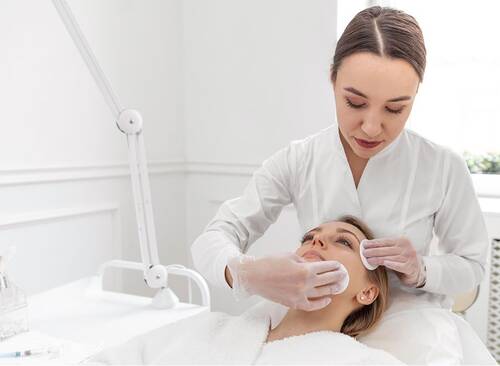
choosing-a-dermatologist.jpg   Your overall health depends greatly on the condition and look of your skin. Whether your skin issue is chronic, you require skincare advice, or you wish to investigate cosmetic treatments, selecting the correct dermatologist is vital. Skilled and experienced dermatologists can offer professional advice and treatment catered to your particular requirements. Researching and selecting the correct professional guarantees that you are investing in the health and well-being of your skin for many years to come. Experience and Certifications The expertise and credentials of a dermatologist are among the most crucial things to take into account during selection. Look for certificates from reputable companies, such as the American Board of Dermatology, since they show their dedication to upholding strict criteria of treatment. In addition to official credentials, consider their area of competence. Many times, dermatologists focus on particular disciplines like
  • Pediatric Dermatology
  • Cosmetic dermatology or dermatopathology
When searching dermatologists near me online, evaluate their academic history, published studies, or professional associations to better understand their experience.

  [caption id="attachment_66072" align="aligncenter" width="500"]four-types-car-accidents Image Source[/caption] Every time we step into a car, we trust the roads, other drivers, and the vehicles we rely on. While many journeys end safely, some result in devastating accidents with life-altering consequences. Certain types of collisions carry a higher risk of severe injury, leaving victims to face physical, emotional, and financial challenges. However, when such accidents occur, seeking help from car accident attorneys can make all the difference in rebuilding a shattered life, offering a glimmer of hope in the face of adversity. This article talks about the four common types of car accidents known for their potential to cause significant harm.

[caption id="attachment_66055" align="aligncenter" width="500"]dental-smile Photo By: Kaboompics.com[/caption]

Table of Contents

  • Introduction to Dental Implants
  • Why Choose Dental Implants?
  • Benefits for Overall Oral Health
  • Longevity and Durability of Implants
  • Improving Self-Confidence
  • Cost-Effective in the Long Run
  • Minimal Ongoing Maintenance
  • The Psychological Impact of Restored Teeth
 

Introduction to Dental Implants

In the area of dental restoration, dental implants in Rochester Hills have become a dependable and practical option for those experiencing tooth loss. These implants are crafted to imitate real teeth natural look and functionality, making them a respected choice among patients and dental professionals. Dental implants are surgically inserted into the jawbone. They are constructed from high-quality titanium, well-known for its compatibility with human bone. Over time, these implants undergo osseointegration, which involves fusing with the bone to create a solid foundation that enhances their strength and efficacy. This leads to a dental solution that boosts a smile's aesthetic appeal and supports overall oral health and functionality, significantly improving patients' quality of life.

There are many helpful options on the path to addiction recovery. The right rehab can make all the difference, but with so many options, it’s easy to feel overwhelmed. Do you stay close to home or venture to a new state? Commit full-time or ease into recovery with a flexible program? Each choice depends on your unique needs and circumstances. Let's look at the main types of rehabs and offer tips to help you choose the one that’s best for you. [caption id="attachment_59830" align="aligncenter" width="333"]overdose-drugs-opioids-fentanyl Photo by MART PRODUCTION: [/caption] Inpatient Rehab for the Reset You Need For many struggling with addiction, removing themselves from their everyday environment is the first and most crucial step. Inpatient rehab for addiction is a structured program where patients live at a treatment facility, focusing solely on their recovery without distractions. This type of rehab is ideal for people who have severe addictions, co-occurring mental health conditions, or unstable home environments. Inpatient rehab offers a full immersion into recovery, combining therapy, medical supervision, and peer support in a controlled setting. It’s an opportunity to step away from triggers and focus entirely on healing. If you feel like your daily life is full of temptations or your addiction has spiraled out of control, this could be the game-changer you need. To find a good inpatient program, look for facilities that align with your personal values, offer comprehensive therapy options, and provide strong aftercare support to help you transition back to everyday life.

technological-advances-spine-care.jpg


Spine care has significantly improved over the years, thanks to new technology. From better surgery techniques to tools that help doctors see the spine more clearly, these changes are making it easier to treat back problems. Dr. Brent Felix, a well-known spine surgeon, is helping lead this progress. He has spent years learning and practicing advanced ways to help patients with spine issues, and his work is making a big difference.

Minimally Invasive Surgery

Minimally invasive surgery uses smaller cuts and special tools to treat spine problems. Unlike traditional surgery, it causes less damage to the body. Patients experience less pain, smaller scars, and faster recovery times. Dr. Brent Felix explains that minimally invasive techniques allow doctors to fix problems like herniated discs and spinal stenosis with much less risk. Surgeons can perform these procedures accurately using small cameras and advanced instruments.

  [caption id="attachment_66040" align="aligncenter" width="468"]fitness-routine-with-electrical-stimulation.jpg Image Source: Pexels[/caption] In recent years, fitness enthusiasts and athletes have been exploring innovative ways to improve their performance and maximize the efficiency of their workouts. One of the groundbreaking trends taking the fitness world by storm is Electrical Muscle Stimulation (EMS). Once reserved for rehabilitation and professional athletes, this technology has become accessible to a broader audience, offering a new perspective on fitness training. EMS might be the game-changer you need if you’re looking to transform your routine and achieve faster results. What is Electrical Muscle Stimulation? Electrical Muscle Stimulation, or EMS, involves using low-frequency electrical impulses to contract muscles. These impulses mimic the natural signals the nervous system sends during physical activity. EMS enhances muscle engagement by targeting specific muscle groups, making workouts more intense and efficient. The technique has been widely used in physical therapy for years, helping individuals recover from injuries by maintaining muscle mass and strength. Now, it's making waves in gyms and fitness centers for its ability to amplify workout results.

Recent years have witnessed groundbreaking advancements in dental chair design, combining science, engineering, and patient-centered care to enhance comfort and accessibility. With nearly 36% of the global population reporting some degree of dental anxiety, according to the World Health Organization (WHO), these innovations are poised to improve the experience for both patients and dental professionals alike. [caption id="attachment_66029" align="aligncenter" width="376"]dental-chair-ergonomics Source Unsplash[/caption]

Addressing Patient Comfort

Modern dental chairs are now equipped with features designed to alleviate patient discomfort during procedures. Traditional dental chairs often lacked adequate lumbar support and adjustability, which could lead to prolonged discomfort during lengthy treatments. However, ergonomic designs have redefined these standards. Memory Foam and Contoured Padding: Today’s dental chairs often feature memory foam cushioning that conforms to the patient’s body, reducing pressure points. Contoured padding supports the natural curves of the spine, ensuring that patients remain comfortable even during extended procedures. Dynamic Adjustability: Adjustable headrests, armrests, and seat angles now come standard in many chairs, allowing for customized positioning. This flexibility not only improves patient comfort but also accommodates individuals of varying sizes and mobility levels. Noise Reduction Technology: A subtle but significant improvement in some models is the incorporation of noise-reduction mechanisms. By minimizing motor sounds during chair adjustments, manufacturers aim to reduce anxiety triggers for patients.

Home care jobs are more than just a career—they’re about building relationships, making someone’s life easier, and genuinely caring for others. But what makes someone great at this job? It’s not just about showing up or ticking boxes. Success in home care comes down to mastering certain skills that let you provide the best support possible while keeping your own experience positive and fulfilling. [caption id="attachment_66026" align="aligncenter" width="500"]home-care-workers Photo by Antoni Shkraba[/caption]

Communication: Building Trust, One Conversation at a Time

How do you connect with someone who might be feeling vulnerable or frustrated? Communication is the first step when excelling in Philadelphia home care jobs. Whether you're chatting about their favorite meals or discussing something more serious like medication schedules, clear and compassionate communication is essential. It’s not just about talking—it’s about listening. Clients want to feel heard. They might be dealing with challenges that are tough to talk about, and your ability to patiently listen can make a world of difference. Struggling to improve your communication? Try small changes: rephrase what your client says to show you’re paying attention, ask open-ended questions, and notice their body language. A warm, respectful approach will help them trust you, and trust is everything in this job.

science-Teeth whitening Teeth whitening has become a sought-after cosmetic dental procedure in recent years. Understanding the science and safety behind it is crucial for achieving desirable results. This guide aims to educate both patients and dentists on making informed choices about teeth whitening. As the demand for brighter smiles grows, so does the variety of teeth whitening options available. It's essential to grasp the underlying scientific principles and potential safety concerns associated with these treatments. By consulting with a dentist in edina mn, you can ensure that your choice in teeth whitening is both effective and safe.

[caption id="attachment_65999" align="aligncenter" width="468"]consistency-healthy-habits Source[/caption] Healthy habits are essential for a balanced and fulfilling life, but developing them often feels overwhelming. Many people get stuck on the idea that they have to be perfect in their efforts, whether it’s eating clean every meal, exercising daily without fail, or avoiding every unhealthy snack. This mindset can make the process feel rigid and stressful, leading to frustration or giving up entirely. Focusing on consistency instead of perfection shifts the approach from unattainable ideals to realistic, manageable steps. It’s about making small, repeated efforts over time, even when things aren’t perfect. These steady actions create meaningful changes, which in turn makes healthy habits more sustainable and easier to integrate into daily life.  

Power of Consistency in Daily Health Practices

Consistency is the secret ingredient to lasting success when it comes to health and wellness. Rather than making dramatic changes overnight, small, repeated efforts build momentum over time. For example, walking for 20 minutes every day, choosing water over sugary drinks at lunch, or practicing mindfulness for five minutes each evening are all simple actions that, when done regularly, create a noticeable impact. The key is sticking with these habits even on days when motivation is low. The same goes for nutritional needs; consistent behavior, whether following a balanced diet or using supplements, can often yield positive results. This philosophy is reflected in the approach of wellness leaders like USANA, who have supported healthier lifestyles for over three decades. They emphasize building sustainable habits with reliable nutritional solutions that fit into everyday routines. Millions worldwide trust their products to support their health and the well-being of their families because they focus on consistency, not unrealistic ideals. It’s these small, regular steps that pave the way for long-term success.

Regular health checkups are another vital aspect of maintaining consistency in daily health practices. Scheduling routine visits with healthcare professionals ensures that potential health issues are detected early, allowing for timely intervention and preventive care. According to this professional dentist in Springfileld VA, just like maintaining a balanced diet or staying active, regular screenings, dental checkups, and wellness exams contribute to overall well-being. By integrating these checkups into your routine, you reinforce the habit of prioritizing your health, making it easier to stay on track with your wellness goals.

Considering Botox but unsure what to expect? Whether you're exploring it to smooth wrinkles or for medical reasons, understanding the process can make your journey easier and stress-free. This guide will walk you through the duration, expectations, and recovery process so you can feel confident and informed.   botox-journey.jpg

What Is Botox?

The Science Behind Botox
Botox is a purified protein derived from the bacterium Clostridium botulinum. When injected in small, controlled doses, it temporarily blocks nerve signals to targeted muscles, causing them to relax. This relaxation smooths wrinkles and fine lines, making Botox a popular anti-aging solution. Beyond aesthetics, it’s also used for medical conditions like migraines and excessive sweating.
Common Uses for Botox
Botox is widely known for its ability to reduce forehead lines, crow’s feet, and frown lines. However, it’s also effective for treating muscle spasms, overactive bladder, excessive sweating and even lazy eye. Its versatility makes it a go-to solution for a variety of issues. Always choose a reputable provider, such as Injection Gal.

Thyroid issues are among the most misunderstood health conditions today. Many people are unaware of how critical the thyroid gland is to overall health and often fall victim to myths and misinformation. This can lead to delayed diagnosis, improper treatment, and worsening symptoms. This article emphasize the importance of expert diagnosis, and explore effective treatments for thyroid disorders. thyroid-gland-exam.jpg

Understanding the Thyroid Gland

What Is the Thyroid Gland?

The thyroid gland is a butterfly-shaped organ located at the base of the neck. Small but mighty, it produces hormones that regulate metabolism, energy production, and numerous bodily functions. Despite its significance, this gland often goes unnoticed until problems arise.

Role of the Thyroid in Overall Health

The thyroid controls key processes, including heart rate, digestion, and temperature regulation. When it functions abnormally, it can throw the entire body out of balance. Disorders like hypothyroidism or hyperthyroidism can significantly affect physical and mental well-being, emphasizing the need for awareness.

  [caption id="attachment_65980" align="aligncenter" width="500"]social-security-claim.jpg Photo by Accuray on Unsplash[/caption] Many people assume that they’ll automatically be approved for Social Security Disability benefits if their doctor says they can’t work. In reality, it’s not so straightforward. The Social Security Administration (SSA) requires a lot more objective medical evidence before deciding if you qualify. When it comes to proving a disability claim, certain medical tests carry much more weight than others. In this article, we’ll look at five categories of tests that could potentially make or break your case.

Why Medical Tests Matter for Social Security Disability

Social Security doesn’t just take your word (or even your doctor’s word) that you can’t work. They rely on hard medical evidence to back up your condition. While your medical records and treatment history are one piece of the puzzle, they’re not always enough to get a claim approved. That often comes down to specific diagnostic tests. A Social Security disability lawyer can make sure you’ve got the medical evidence you need before applying. This gives you the best chance of approval on your first application. Without it, you may be denied, even if you have a serious health condition.

Are you struggling with chronic pain? You're not alone. Approximately 21% of Americans have experienced chronic pain in the last year. Of those, 1 in 5 will be prescribed pain medications. For those seeking relief, exploring options like physical therapy near Troy can be a great alternative to medications. [caption id="attachment_65971" align="aligncenter" width="500"]physical-therapy-pain-management Photo Credit: Freepik [/caption] Commonly prescribed Pain medications include NSAIDS, Opioids, Anticonvulsants, and corticosteroids. Most of these drugs have side effects that can range from stomach aches to addiction and death. On top of this, most drugs only treat the symptoms without addressing the root cause of the problem. This means many patients do not recover completely.

Let’s be real—running a private practice has changed. The days of doing things “the way they’ve always been done” are long gone. Patients expect more. Providers are juggling tighter margins, growing admin work, and tech that’s supposed to help—but often just clogs up the flow. You’re working harder to deliver quality care, but what about the business side? If your practice is still operating like it’s 2019, you’re leaving opportunities—and possibly revenue—on the table. [caption id="attachment_65949" align="aligncenter" width="500"]medical-office Photo by Pavel Danilyuk[/caption] Rethink Your Digital Front Door If you’re thinking, “We have a website; we’re good,” you’re already behind. Patients aren’t just stumbling onto your practice anymore—they’re shopping for care like they shop for shoes: scrolling through reviews, comparing options, and judging whether you’re worth their time (and money) before they even pick up the phone. Your digital presence is your front door, and it’s not just about looking professional—it’s about feeling approachable. Think user-friendly scheduling where no one has to dig through four menus just to find an open slot. Think virtual check-in that cuts out that awkward clipboard shuffle in the waiting room. Think SEO that makes your practice pop up when someone searches for “best pediatrician near me” at 2 a.m. Every friction point—every glitchy “Contact Us” form or slow-to-load page—is sending patients straight to the next provider in their search results. Digital-first convenience isn’t a luxury anymore. It’s a dealbreaker.

nursing-career-path.jpg   Career planning refers to creating a ‘roadmap’ for your professional life, with personal and work-related goals and steps for achieving them. The goal is to map out your professional journey so you can navigate its stages and challenges and achieve long-term success and satisfaction. This article will explain how to help chart a career plan as a nurse and highlight some of the main benefits of career planning for nurses. 

What is a career plan?

A career plan is a structured and strategic roadmap that focuses on our professional goals, the steps we need to take to attain them, and the approximate timeframes within which we must achieve certain milestones. Creating plans of this kind can help ambitious nursing professionals map out their career trajectories, goals, and aspirations, and also supports and assists them in understanding exactly what they’ll need to do to succeed in their profession. Career plans can also provide nurses with structure and meaning in the daily pursuit of their professional goals, as well as ensuring they don’t lose sight of their end objectives.  Admittedly, it can be easy to lose momentum and motivation when we are constantly working towards and seemingly endlessly chasing long-term goals — especially if we are not seeing results or rewards for our hard work and efforts right away. But ultimately, career plans help keep us on our paths toward success, keeping us on track even when certain elements of our plan go awry. 

Pets and Mental Health   Since the day that early dogs first worked out that they might be able to snag a bone or two and maybe even a spot by the fire if they hung around early man’s caves, warding off predators and scavengers (although this is hard to believe, when you look at some of the handbag dogs of today - chihuahuas), we as humans have had a special relationship with the domesticable animal. These days the title of “man’s best friend” is contested firmly between increasingly diverse strands of nature’s great tapestry - although according to the American Veterinary Medical Association, dogs remain the most commonplace pet in American households - the role that pets in general can play as a bulwark for your mental health is becoming increasingly clear, as this study by the American Psychiatric Association (APA) suggests.

“Overwhelming Positive Mental Health Impact”

As anyone with a psychiatry or mental health counseling masters online degree knows, mental health can be affected by many different factors, and the ways we look after our mental health can differ greatly from person to person. In a recent survey by the APA entitled the “Healthy Minds Monthly Poll,” psychiatrists found that the vast majority of pet owners considered their four-legged (or otherwise) friends a massive boon to their well-being; among cat and dog owners, for example, the proportion of those polled who agreed with this sentiment was 86-87%. 

According to Florida law, you can only use cannabis for medical purposes, such as pain relief or anxiety. If you have a medical diagnosis, obtaining a permit is fairly simple. You need to see a certified doctor and pay a fee. However, it is important to be aware of this...

Diabetes is one of the most prevalent chronic conditions globally, affecting millions of people. Whether it's Type 1 or Type 2 diabetes, managing blood sugar levels effectively is crucial to preventing complications and maintaining a high quality of life. With advancements in medical science, the landscape of diabetes management has evolved significantly, offering patients more options than ever before.  [caption id="attachment_65918" align="aligncenter" width="333"]diabetes-medications-types.jpg Photo by Nataliya Vaitkevich[/caption]

Understanding Type 1 and Type 2 Diabetes

Before diving into modern medications, it's essential to understand the fundamental differences between Type 1 and Type 2 diabetes, as these differences often dictate the type of treatment required.

Type 1 Diabetes

Type 1 diabetes is an autoimmune condition where the body mistakenly attacks and destroys the insulin-producing beta cells in the pancreas. This results in little or no insulin production, making individuals with Type 1 diabetes reliant on insulin therapy to regulate their blood glucose levels. It usually manifests early in life, although it can develop at any age. Managing Type 1 diabetes requires careful monitoring and adjusting of insulin doses, often with the help of advanced tools like insulin pumps and continuous glucose monitors (CGMs). For those using tubeless insulin pump systems, staying stocked with supplies is essential, and some individuals choose to sell Omnipod pods they no longer need to help others access affordable diabetes management resources.

Type 2 Diabetes

Type 2 diabetes, on the other hand, is primarily characterized by insulin resistance, where the body does not respond to insulin as effectively as it should. Over time, the pancreas may struggle to produce enough insulin to overcome this resistance, leading to elevated blood glucose levels. Type 2 diabetes is more common in adults, though increasing rates are now being observed in younger populations due to lifestyle factors like poor diet and lack of exercise. In addition to lifestyle changes, medications are often required to help manage the condition. Understanding these distinctions is crucial because it helps in determining the most appropriate medications and treatment plans for each type of diabetes.

biomimetric dentristy
X ray of teeth Biomimetic dentistry, a progressive approach to oral care, is gaining traction in locales such as Newport Beach, California. This method, which emphasizes the replication of natural tooth structure and function, has proven advantageous regarding durability and patient satisfaction. With the application of advanced materials like composite resins and ceramics, the approach minimizes invasiveness and prioritizes the preservation of natural teeth. A closer inspection of the practices in Newport Beach reveals a compelling story of innovation and success in dental healthcare. The question arises: How exactly does this trend contribute to the enhancement of oral health and patient experience?

Understanding Biomimetic Dentistry

Biomimetic Dentistry, a term derived from the sciences of biology and mimicry, is gaining considerable recognition within the dental profession. This innovative approach is centered on the usage of biomimetic materials to create dental solutions that mimic the natural structure and function of teeth, promoting dental aesthetics and overall oral health. Biomimetic Dentistry represents a paradigm shift from the traditional restorative dentistry. It capitalizes on the advanced biomimetic materials, including ceramics and composite resin, which are akin to the natural dental tissues regarding their mechanical properties and appearance. These materials are used to restore the damaged or decayed teeth, emulating their original structure and function, thereby enhancing dental aesthetics. This methodology is more than just a cosmetic solution; it aims to replicate the natural biologic processes and biomechanics of the oral cavity. It accommodates the dynamic nature of the oral environment, focusing on preserving the tooth structure, preventing tooth decay, and reducing the need for root canals and crowns. The goal is to create restorations that work harmoniously with the existing dental structure, ensuring long-term oral health and aesthetic satisfaction.

Behavior technicians, often referred to as behavior techs, play a pivotal role in the field of behavioral health. These professionals work closely with individuals who have various behavioral challenges, particularly those diagnosed with Autism Spectrum Disorder (ASD). They are the front-line workers who implement behavioral interventions designed to improve the quality of life for their clients. If you're interested in pursuing a career that makes a meaningful difference, consider enrolling in a behavior tech course to get started. behavior-techician

What Does a Behavior Technician Do?

Behavior technicians are responsible for carrying out behavior intervention plans (BIPs) under the supervision of a Board Certified Behavior Analyst (BCBA). Their duties include observing and recording client behavior, implementing interventions, and providing feedback to supervisors. The primary goal of a behavior technician is to help clients develop skills and behaviors that enable them to function more effectively in their daily lives.

Planning for retirement is a multifaceted process, but it becomes even more complex when living with a disability. The intersection of health and financial planning is crucial for ensuring stability, independence, and a fulfilling retirement. By addressing unique challenges and leveraging available resources, individuals with disabilities can develop a comprehensive strategy that meets their long-term needs. [caption id="attachment_65859" align="aligncenter" width="500"]disability-retirement Photo by Malcolm Hill[/caption]

Understanding the Unique Challenges

Retiring with a disability introduces distinct considerations that differ from traditional retirement planning. Some of the key challenges include:
  • Increased Healthcare Costs: Chronic conditions or disabilities often require ongoing medical care, adaptive equipment, and specialized services, which can lead to higher out-of-pocket expenses.
  • Limited Work History or Income: Disabilities may reduce the ability to work consistently, potentially impacting Social Security benefits or retirement savings.
  • Access to Benefits: Navigating disability-related benefits, such as Social Security Disability Insurance (SSDI) or Supplemental Security Income (SSI), requires careful planning to avoid potential reductions when transitioning to retirement benefits.
  • Housing and Accessibility Needs: Creating a living environment that accommodates a disability often involves modifications or choosing specialized housing options, which can be costly.
Understanding these challenges helps in creating a retirement plan that accounts for both immediate and long-term needs.