Posted at 17:39h
in
Nursing
There is a massive nursing shortage being faced by countries all around the world. The ever-increasing population means more resources and professionals in the healthcare sector are needed. Though healthcare as a whole suffers from massive shortages, the shortage is felt most keenly within nursing.
Nurses make up for
half the global healthcare workforce. Globally it is estimated that there will be a shortage of between 7 million and 13 million.
A global shortage indicates a global issue. Many professionals believe that to offset this shortage, and finally make headway with improving healthcare as a whole, a global solution is necessary.
The Nursing Shortage and Its Complications
Globally it is estimated that by 2030 there will be a shortage of 7 million to 13 million nurses. This includes the current shortage of 6 million nurses we are currently facing around the world.
Many experts believe
a global solution is essential when the issue spans across borders. Though the issue is a global one, the current method that many developed countries are using is no longer working. In the past, the solution was simply to hire nurses from abroad to work here. On average, it is estimated that 16% of nurses are foreign-born.
The nursing shortage is nothing new. There has
been a shortage of nurses in the United States since the 1930s. Immigration requirements have eased and encouraged international nurses to move to the United States to work there since the 1950s.
While immigration itself is not a problem, looking only for solutions outside of home soil does cause international issues. Hiring talented healthcare workers from other countries often leaves the healthcare situation in their home country in a worse situation. Jamaica, for example, has lost 29% of its critical care nurses to migration.
Hiring from other countries is not a long-term solution. Nor is it a solution that works on a global scale. Improving working conditions, education conditions, and the work/life balance of nurses is a must.
There is a pervasive view that nurses are overworked and underpaid. Addressing the cause of this view, and the view itself, can help transition nursing from a vocation to a vied-for career.
One of the most critical issues that exacerbate the nursing shortage is the fast turnaround of nurses. Thomas Jordan, an American Hospital Association spokesperson, claims that up to
33% of new nurses will leave the workforce within two years.



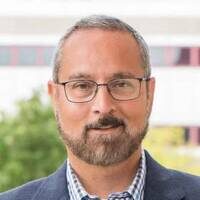 Dr. LaMonte[/caption]
Michael J. LaMonte, PhD, MPH
Research Professor (epidemiology)
Department of Epidemiology and Environmental Health
School of Public Health and Health Professions
Women’s Health Initiative Northeast Regional Center
University at Buffalo – SUNY
Buffalo, NY 14214
MedicalResearch.com: What is the background for this study? What are the main findings?
Dr. LaMonte: The rationale for this study was based on existing study results showing

 Dr. Stingone[/caption]
Jeanette Stingone PhD
Assistant Professor, Epidemiology
Mailman School of Public Health
Columbia University
MedicalResearch.com: What is the background for this study? What are the main findings?
Response: Lead is a well-established neurotoxin, particularly when exposure occurs early in life and in childhood. Associations between elevated blood lead levels and lower scores on tests of neurodevelopment and cognition are seen consistently across studies, even when examining lower levels of exposure.
While reducing exposure to lead is the primary intervention to prevent these adverse outcomes, there aren’t many interventions designed to support the neurodevelopment of children who have been exposed to lead. Some municipalities consider elevated blood lead levels as a criteria for inclusion in Early Intervention programs. Early Intervention programs are mandated under the Individuals with Disabilities Education Act and provide services for children younger than 3 years old with disabilities or developmental delays.
The objective of this study was to compare 3rd grade standardized test scores among children who had elevated blood lead levels early in life to see if children who had received Early Intervention services performed better on these tests than those who did not receive services. Using matching methods and an existing administrative data linkage of children who were born and attended public school in New York City, we observed that children exposed to lead who received Early Intervention services scored higher on standardized tests in both math and English Language arts than children exposed to lead who did not receive services.




 Dr. Chan[/caption]
Edmond S. Chan MD, FRCPC, FCSACI, FAAAAI
Head | Division of Allergy & Immunology | Department of Pediatrics, Faculty of Medicine
Clinical Professor, The University of British Columbia
Clinical Investigator, BC Children's Hospital Research Institute
BC Children's Hospital, Allergy Clinic
Vancouver, BC Canada
Treasurer, CSACI (Canadian Society of Allergy & Clinical Immunology)
MedicalResearch.com: What prompted you to look at the safety of peanut oral immunotherapy specifically in this patient population?
Response: Our previous research has investigated the overall safety of peanut oral immunotherapy (OIT) in preschool populations. However, we have not investigated the relationship between specific patient characteristics and the safety of OIT. Previous literature has shown that patient factors, such as age, gender, baseline sIgE levels, and atopic comorbidities have been shown to impact the safety of OIT for other food allergies and in older patients. However, no data exist on which factors predict safety of peanut OIT in preschool populations.

 Dr. Chen[/caption]
Chih-Shan Jason Chen, MD, PhD
Director, Dermatologic and Mohs Micrographic Surgery Unit
Memorial Sloan Kettering Skin Cancer Center at Hauppauge
Attending Mohs Surgeon, Dermatology Service
Memorial Sloan Kettering Cancer Center
Chief, Dermatologic Surgery Northport VA Medical Center
Associate Professor of Clinical Dermatology
Renaissance School of Medicine at Stony Brook University
MedicalResearch.com: What is the background for this study?
Response: Managing a surgical wound on the lower leg can be a challenge. Often, higher wound tension, atrophic skin, edema, and compromised circulation result in higher risks of wound dehiscence and infection, and significantly limit the capacity of wound closure post-surgically. Therefore, healing by secondary intention is a practical option for many lower leg Mohs defects. However, a secondary intention wound on the lower leg is expected to take a longer time to heal. Certain factors such as older age and health conditions of the host may adversely affect healing time.
Timolol is a nonselective beta-adrenergic receptor antagonist that has FDA approval for the treatment of glaucoma. In addition to this FDA-approved indication, topical timolol has several off-label uses in dermatology, such as for the treatment of infantile hemangiomas, venous stasis ulcers, and refractory wounds. Although timolol solution has been used in chronic wounds, knowledges of the efficacy and utility of timolol in an acute post-surgical wound setting is lacking.

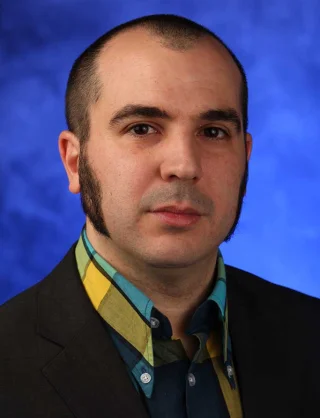
 Dr. Fernandez-Mendoza[/caption]
Julio Fernandez-Mendoza, PhD, CBSM, DBSM
Associate Professor of Psychiatry & Behavioral Health
Sleep Research & Treatment Center
Director, Behavioral Sleep Medicine Program
Penn State Health Milton S. Hershey Medical Center
MedicalResearch.com: What is the background for this study? Is insomnia familial?
Response: Consistent research has shown that about 25% of school-age children have insomnia symptoms consisting of difficulties initiating or maintaining sleep. However, what has remained unknown is to what extent those insomnia symptoms persist all the way into adulthood, or whether they developmentally remit (go away with age) as the child grows into adolescence or young adulthood. This is the question that our study focused on.

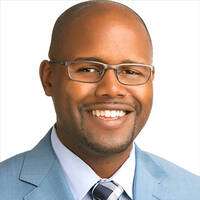
 Johonniuss Chemweno
CEO of VIPStarNetwork
MedicalResearch.com: What is the mission of VIP StarNetwork?
Response: VIP StarNetwork’s mission is to expand access to healthcare services and information, especially in underserved and underprivileged communities. Our comprehensive group of health experts, leading physicians, and healthcare executives are working to create a meaningful and safe environment to ensure that patients have equitable and streamlined access to vaccines and other forms of care.