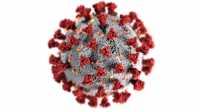

 Prof Anderson[/caption]
Prof. Diana Anderson
Established Chair in Biomedical Sciences
The University of Bradford Richmond Road Bradford West Yorkshire
MedicalResearch.com: What is the background for this study?
Response: I have worked in this field for over 40 years both as a research scientist in industry and as a university-based researcher. It has always been my ambition to develop a relatively simple and affordable test to predict if a person is sensitive to cancer. In fact, in 1974, I was appointed as Head of Mutagenesis Studies at ICI’s Central Toxicology Laboratory in Manchester, UK, and I was looking at developing a short-term test to predict cancer even back then.
Our ‘universal’ cancer test is different from other ‘universal’ tests being developed, because ours is not looking for a specific biomarker or mutation. Ours is a generic test for cancer in an individual, regardless of any underlying mechanism that’s causing their cancer.
It is known that levels of damage to the DNA in the cellular genome can correlate with cancer and this is what we set out to investigate with the Comet assay.
Of the available tests to detect damage to the genome the Comet assay is very straightforward. This assay was primarily developed as a method to measure DNA damage. Briefly, cells are embedded in agarose on a microscope slide and lysed to remove membranes leaving supercoiled DNA loops, breaks in which after alkaline treatment and alkaline electrophoresis move towards a positive charge. The DNA is stained with a fluorescent dye and visualised by fluorescent microscopy. The image is like Haley‘s comet and the greater number of breaks the greater is the migration to the anode and the greater the damage.
Prof Anderson[/caption]
Prof. Diana Anderson
Established Chair in Biomedical Sciences
The University of Bradford Richmond Road Bradford West Yorkshire
MedicalResearch.com: What is the background for this study?
Response: I have worked in this field for over 40 years both as a research scientist in industry and as a university-based researcher. It has always been my ambition to develop a relatively simple and affordable test to predict if a person is sensitive to cancer. In fact, in 1974, I was appointed as Head of Mutagenesis Studies at ICI’s Central Toxicology Laboratory in Manchester, UK, and I was looking at developing a short-term test to predict cancer even back then.
Our ‘universal’ cancer test is different from other ‘universal’ tests being developed, because ours is not looking for a specific biomarker or mutation. Ours is a generic test for cancer in an individual, regardless of any underlying mechanism that’s causing their cancer.
It is known that levels of damage to the DNA in the cellular genome can correlate with cancer and this is what we set out to investigate with the Comet assay.
Of the available tests to detect damage to the genome the Comet assay is very straightforward. This assay was primarily developed as a method to measure DNA damage. Briefly, cells are embedded in agarose on a microscope slide and lysed to remove membranes leaving supercoiled DNA loops, breaks in which after alkaline treatment and alkaline electrophoresis move towards a positive charge. The DNA is stained with a fluorescent dye and visualised by fluorescent microscopy. The image is like Haley‘s comet and the greater number of breaks the greater is the migration to the anode and the greater the damage.
 Dr. Carlos Simón[/caption]
Carlos Simón, M.D., Ph. D.
Professor of Obstetrics & Gynecology. Valencia University, Spain
Scientific Director, Igenomix SL.
Adjunct Clinical Professor, Department of Ob/Gyn, Stanford University, CA
Adjunct Professor, Department of Ob/Gyn, Baylor College of Medicine, TX
MedicalResearch.com: What is the background for this study? What are the main findings?
Response: The main findings of this study reside in the concept that the uterine cavity, which has been classically considered as a sterile organ, possess its own microbiome and that the composition of this uterine microbiome have a functional impact on the reproductive outcome of IVF patients.
Dr. Carlos Simón[/caption]
Carlos Simón, M.D., Ph. D.
Professor of Obstetrics & Gynecology. Valencia University, Spain
Scientific Director, Igenomix SL.
Adjunct Clinical Professor, Department of Ob/Gyn, Stanford University, CA
Adjunct Professor, Department of Ob/Gyn, Baylor College of Medicine, TX
MedicalResearch.com: What is the background for this study? What are the main findings?
Response: The main findings of this study reside in the concept that the uterine cavity, which has been classically considered as a sterile organ, possess its own microbiome and that the composition of this uterine microbiome have a functional impact on the reproductive outcome of IVF patients.
 Dr Nicholas Kirkby[/caption]
Dr Nicholas Kirkby
BHF Intermediate Fellow | Vascular Biology
National Heart & Lung Institute | Imperial College London
London
MedicalResearch.com: What is the background for this study? What are the main findings?
Response: We know drugs like ibuprofen, called ‘non-steroidal anti-inflammatory drugs’ cause an increase in the risk of heart attacks. These side effects cause very real concerns for the many millions of people who rely on them. They are also the reason why there are no new drugs in this class and why they have been withdrawn (2011) for use as a preventative treatment for colon cancer. Previous research from our group suggests that L-arginine supplements may prevent the cardiovascular side effects caused by these drugs. Our findings here suggest that a particular formulations of ibuprofen, called ibuprofen arginate, which is already available in many parts of the world, can act like an L-arginine supplement and that this could potentially protect the cardiovascular system.
Dr Nicholas Kirkby[/caption]
Dr Nicholas Kirkby
BHF Intermediate Fellow | Vascular Biology
National Heart & Lung Institute | Imperial College London
London
MedicalResearch.com: What is the background for this study? What are the main findings?
Response: We know drugs like ibuprofen, called ‘non-steroidal anti-inflammatory drugs’ cause an increase in the risk of heart attacks. These side effects cause very real concerns for the many millions of people who rely on them. They are also the reason why there are no new drugs in this class and why they have been withdrawn (2011) for use as a preventative treatment for colon cancer. Previous research from our group suggests that L-arginine supplements may prevent the cardiovascular side effects caused by these drugs. Our findings here suggest that a particular formulations of ibuprofen, called ibuprofen arginate, which is already available in many parts of the world, can act like an L-arginine supplement and that this could potentially protect the cardiovascular system.
 Dr. Paola Grimaldi[/caption]
Paola Grimaldi, PhD
Associate Professor of Anatomy
Department of Biomedicine and Prevention,
School of Medicine, University of Rome Tor Vergata
Rome, Italy
MedicalResearch.com: What is the background for this study? What are the main findings?
Dr. Grimaldi: Our previous studies reported that mouse mitotic germ cells, spermatogonia, express type 2 cannabinoid receptor (CB2) and its stimulation promoted differentiation and meiotic entry of these cells in vitro. In this study we demonstrate that CB2 plays a role of in regulating the correct progression of spermatogenesis in vivo and we found that the use of exogenous agonist or antagonist of this receptor disrupts the normal differentiation of germ cells. This suggests that a basal and finely regulated level of endocannabinoids in male germ cells activate CB2, thus maintaining the homeostasis of spermatogenesis.
Another important novelty of our study is that CB2 activation in developing germ cells determines the appearance of modifications in DNA-bound proteins, which are known to impact on gene expression and inheritance of specific traits in developing germ cells. An exciting idea could be that these modifications might be maintained in the mature spermatozoa and transmitted to the offspring.
Dr. Paola Grimaldi[/caption]
Paola Grimaldi, PhD
Associate Professor of Anatomy
Department of Biomedicine and Prevention,
School of Medicine, University of Rome Tor Vergata
Rome, Italy
MedicalResearch.com: What is the background for this study? What are the main findings?
Dr. Grimaldi: Our previous studies reported that mouse mitotic germ cells, spermatogonia, express type 2 cannabinoid receptor (CB2) and its stimulation promoted differentiation and meiotic entry of these cells in vitro. In this study we demonstrate that CB2 plays a role of in regulating the correct progression of spermatogenesis in vivo and we found that the use of exogenous agonist or antagonist of this receptor disrupts the normal differentiation of germ cells. This suggests that a basal and finely regulated level of endocannabinoids in male germ cells activate CB2, thus maintaining the homeostasis of spermatogenesis.
Another important novelty of our study is that CB2 activation in developing germ cells determines the appearance of modifications in DNA-bound proteins, which are known to impact on gene expression and inheritance of specific traits in developing germ cells. An exciting idea could be that these modifications might be maintained in the mature spermatozoa and transmitted to the offspring.
 Dr. David Katz[/caption]
MedicalResearch.com Interview with:
David L. Katz, MD, MPH, FACPM, FACP, FACLM
Director, Yale University Prevention Research Center
Griffin Hospital
President, American College of Lifestyle Medicine
Founder, True Health Initiative
Medical Research: What is the background for this study? What are the main findings?
Dr. Katz: the evidence that nuts in general, and walnuts in particular, have health promoting properties is vast and conclusive. In our own prior research, we have shown that daily ingestion of walnuts ameliorates overall cardiac risk in type 2 diabetics (http://www.ncbi.nlm.nih.gov/pubmed/19880586) and that the same intervention improves cardiac risk and body composition in adults at risk for diabetes (http://www.ncbi.nlm.nih.gov/pubmed/23756586). Our prior studies, and work by others, suggest that despite their energy density, walnuts may exert a favorable influence on calorie intake and weight, because of their very high satiety factor. We also know that walnuts are highly nutritious overall, and suspect that those who add walnuts to their diets are apt to 'bump' something less nutritious out, thereby improving the overall quality of their diets as measured objectively.
Accordingly, we designed the new study to look at the effects of daily walnut ingestion on diet quality, weight, and cardiac risk measures in a larger cohort of adults at risk for type 2 diabetes (ie, central obesity, indications of insulin resistance) over a longer period of time. We also wondered whether the addition of some 350 daily calories from walnuts would result in the displacement of a comparable number of calories from other sources, so we compared the effects of the intervention with, and without, counseling to help people 'make room' for the walnut calories.
We found again that walnuts improved overall cardiac risk status, as measured by endothelial function- essentially, a direct measure of blood vessel health and blood flow. We also found that adding walnuts to the diet significantly improved overall diet quality, and did not lead to weight gain. Walnuts also improved the lipid profile. When walnut intake was combined with counseling for overall calorie intake, there was a significant decline in waist circumference.
Dr. David Katz[/caption]
MedicalResearch.com Interview with:
David L. Katz, MD, MPH, FACPM, FACP, FACLM
Director, Yale University Prevention Research Center
Griffin Hospital
President, American College of Lifestyle Medicine
Founder, True Health Initiative
Medical Research: What is the background for this study? What are the main findings?
Dr. Katz: the evidence that nuts in general, and walnuts in particular, have health promoting properties is vast and conclusive. In our own prior research, we have shown that daily ingestion of walnuts ameliorates overall cardiac risk in type 2 diabetics (http://www.ncbi.nlm.nih.gov/pubmed/19880586) and that the same intervention improves cardiac risk and body composition in adults at risk for diabetes (http://www.ncbi.nlm.nih.gov/pubmed/23756586). Our prior studies, and work by others, suggest that despite their energy density, walnuts may exert a favorable influence on calorie intake and weight, because of their very high satiety factor. We also know that walnuts are highly nutritious overall, and suspect that those who add walnuts to their diets are apt to 'bump' something less nutritious out, thereby improving the overall quality of their diets as measured objectively.
Accordingly, we designed the new study to look at the effects of daily walnut ingestion on diet quality, weight, and cardiac risk measures in a larger cohort of adults at risk for type 2 diabetes (ie, central obesity, indications of insulin resistance) over a longer period of time. We also wondered whether the addition of some 350 daily calories from walnuts would result in the displacement of a comparable number of calories from other sources, so we compared the effects of the intervention with, and without, counseling to help people 'make room' for the walnut calories.
We found again that walnuts improved overall cardiac risk status, as measured by endothelial function- essentially, a direct measure of blood vessel health and blood flow. We also found that adding walnuts to the diet significantly improved overall diet quality, and did not lead to weight gain. Walnuts also improved the lipid profile. When walnut intake was combined with counseling for overall calorie intake, there was a significant decline in waist circumference.
 Dr. Wopereis[/caption]
MedicalResearch.com Interview with:
Suzan Wopereis, Ph.D.
TNO, Microbiology and Systems Biology Group
Zeist, The Netherlands
Medical Research: What is the background for this study? What are the main findings?
Dr. Wopereis: For the first time we could demonstrate the very subtle start of negative health effects caused by a high calorie snack diet in healthy men. We already knew about the negative consequences of such diets from so called epidemiologic studies. In such studies, scientists compare large populations (thousands of people) to better understand disease development. For example, by comparing obese populations to a lean population, scientists could define various steps in the disease development related to obesity, like high cholesterol, onset of inflammation, high blood pressure, high glucose, etc. Yet, the early deviations from health were difficult to study because human metabolism (the way we digest and metabolize our meals from a biochemical viewpoint) is very flexible and able to efficiently deal with all kinds of daily stressors, such as a meal or intensive exercise. So, at TNO we decided to exploit this flexibility by giving our healthy volunteers a ‘challenge test’, in the form of a high-fat milkshake. Next, we studied how multiple aspects of their metabolism react to such a challenge test. We showed that a snack diet for 4 weeks reduced many aspects of flexibility of our healthy men, thus indicating very early changes in health. Both the high-fat challenge test and the integral study of many different outcomes form a novel approach of what “healthy” really means.
In the study we used two groups of male volunteers. One group of 10 healthy male volunteers and one group of 9 male volunteers with Metabolic Syndrome, who had a combination of 2 or more risk factors that raises your risk for heart disease and other health problems (unhealthy cholesterol levels, high blood pressure, high blood sugar, high blood lipids, and abdominal fat). In other words, subjects with Metabolic Syndrome have a suboptimal health condition. Both groups received a high-fat milk-shake, and before and up to 8 hours after consumption of this metabolic challenge-test, blood samples were taken. In these blood samples, 61 different biomarkers were measured, such as cholesterol and blood sugar. These 61 biomarkers were used for a thorough health assessment of these 2 groups in response to the challenge test. We noted that biochemical processes related to sugar metabolism, fat metabolism and inflammation function abnormal in subjects with Metabolic Syndrome. The next step was to provide the 10 healthy male volunteers with a snack diet for 4 weeks. On top of their normal diet they had to consume an additional 1300 kcal per day, in the form of sweets and savory products such as candy bars, tarts, peanuts, and crisps. After these 4 weeks the response of the same 61 biomarkers to the challenge test was evaluated. Here, we observed that signaling molecules such as hormones regulating the control of sugar and fat metabolism and inflammation were changed, resembling the very subtle start of negative health effects. Without the use of the challenge test, we would not have been able to observe that even this short period of overfeeding induces changes in the metabolism of healthy people that resemble what happens in people with metabolic syndrome.
Dr. Wopereis[/caption]
MedicalResearch.com Interview with:
Suzan Wopereis, Ph.D.
TNO, Microbiology and Systems Biology Group
Zeist, The Netherlands
Medical Research: What is the background for this study? What are the main findings?
Dr. Wopereis: For the first time we could demonstrate the very subtle start of negative health effects caused by a high calorie snack diet in healthy men. We already knew about the negative consequences of such diets from so called epidemiologic studies. In such studies, scientists compare large populations (thousands of people) to better understand disease development. For example, by comparing obese populations to a lean population, scientists could define various steps in the disease development related to obesity, like high cholesterol, onset of inflammation, high blood pressure, high glucose, etc. Yet, the early deviations from health were difficult to study because human metabolism (the way we digest and metabolize our meals from a biochemical viewpoint) is very flexible and able to efficiently deal with all kinds of daily stressors, such as a meal or intensive exercise. So, at TNO we decided to exploit this flexibility by giving our healthy volunteers a ‘challenge test’, in the form of a high-fat milkshake. Next, we studied how multiple aspects of their metabolism react to such a challenge test. We showed that a snack diet for 4 weeks reduced many aspects of flexibility of our healthy men, thus indicating very early changes in health. Both the high-fat challenge test and the integral study of many different outcomes form a novel approach of what “healthy” really means.
In the study we used two groups of male volunteers. One group of 10 healthy male volunteers and one group of 9 male volunteers with Metabolic Syndrome, who had a combination of 2 or more risk factors that raises your risk for heart disease and other health problems (unhealthy cholesterol levels, high blood pressure, high blood sugar, high blood lipids, and abdominal fat). In other words, subjects with Metabolic Syndrome have a suboptimal health condition. Both groups received a high-fat milk-shake, and before and up to 8 hours after consumption of this metabolic challenge-test, blood samples were taken. In these blood samples, 61 different biomarkers were measured, such as cholesterol and blood sugar. These 61 biomarkers were used for a thorough health assessment of these 2 groups in response to the challenge test. We noted that biochemical processes related to sugar metabolism, fat metabolism and inflammation function abnormal in subjects with Metabolic Syndrome. The next step was to provide the 10 healthy male volunteers with a snack diet for 4 weeks. On top of their normal diet they had to consume an additional 1300 kcal per day, in the form of sweets and savory products such as candy bars, tarts, peanuts, and crisps. After these 4 weeks the response of the same 61 biomarkers to the challenge test was evaluated. Here, we observed that signaling molecules such as hormones regulating the control of sugar and fat metabolism and inflammation were changed, resembling the very subtle start of negative health effects. Without the use of the challenge test, we would not have been able to observe that even this short period of overfeeding induces changes in the metabolism of healthy people that resemble what happens in people with metabolic syndrome.
 MedicalResearch.com Interview with:
Milan Fiala, M.D.
Research Professor, UCLA Department of Surgery
Los Angeles, CA
Medical Research: What is the background for this study? What are the main findings?
Dr. Fiala: Omega-3 fatty acid supplementation is well-known to public for its health benefits in cardiovascular diseases and putative benefits against “Minor Cognitive Impairment” reported in other studies . This study shows that omega-3 protected against oxidation and resveratrol improves the immune system against amyloid-beta in the brain, probably by increasing its clearance from the brain by the immune system. Overall the patients taking the drink seemed to preserve their memory better for up to 2 years than expected based on previous studies. However, our study was small and not controlled by a placebo, which may present a bias.
MedicalResearch.com Interview with:
Milan Fiala, M.D.
Research Professor, UCLA Department of Surgery
Los Angeles, CA
Medical Research: What is the background for this study? What are the main findings?
Dr. Fiala: Omega-3 fatty acid supplementation is well-known to public for its health benefits in cardiovascular diseases and putative benefits against “Minor Cognitive Impairment” reported in other studies . This study shows that omega-3 protected against oxidation and resveratrol improves the immune system against amyloid-beta in the brain, probably by increasing its clearance from the brain by the immune system. Overall the patients taking the drink seemed to preserve their memory better for up to 2 years than expected based on previous studies. However, our study was small and not controlled by a placebo, which may present a bias.
 MedicalResearch.com Interview with:
Professor Jane A. Mitchell
Head of Vascular Biology Section
Head of Cardiothoracic Pharmacology
National Heart and Lung Institute,
Institute of Cardiovascular Medicine & Science,
Imperial College, London
Medical Research: What is the background for this study? What are the main findings?
Response: In 2006 a drug called TGN1412 was given to 6 healthy male volunteers as a final test for safety. The drug had passed all of the preclinical tests and showed no problem when it was given to laboratory animals. However when it was given to people it caused a catastrophic side effect known as a ‘cytokine storm response’. All 6 volunteers became sick very quickly and needed immediate hospital treatment, they nearly died and remain at risk of immune problems still. We found a way to mimic the effects of TGN1412 in the laboratory using stem cell technology to engineer two different types of cells from the same donor to be grown and mixed together in a dish. Our test is better than the current tests used because it mimics better the human body and uses cells from one individual donor.
MedicalResearch.com Interview with:
Professor Jane A. Mitchell
Head of Vascular Biology Section
Head of Cardiothoracic Pharmacology
National Heart and Lung Institute,
Institute of Cardiovascular Medicine & Science,
Imperial College, London
Medical Research: What is the background for this study? What are the main findings?
Response: In 2006 a drug called TGN1412 was given to 6 healthy male volunteers as a final test for safety. The drug had passed all of the preclinical tests and showed no problem when it was given to laboratory animals. However when it was given to people it caused a catastrophic side effect known as a ‘cytokine storm response’. All 6 volunteers became sick very quickly and needed immediate hospital treatment, they nearly died and remain at risk of immune problems still. We found a way to mimic the effects of TGN1412 in the laboratory using stem cell technology to engineer two different types of cells from the same donor to be grown and mixed together in a dish. Our test is better than the current tests used because it mimics better the human body and uses cells from one individual donor.
 MedicalResearch.com Interview with:
Dr. Jean-Pol Frippiat
Stress, Immunity and Pathogens Laboratory
Lorraine University
Vandoeuvre-lès-Nancy, France
What is the background for this study? What are the main findings?
Dr. Frippiat: Osteoporosis is associated to spaceflight. Consequently, we wondered whether changes in bone micro-structure induced by a ground-based model of spaceflight, hindlimb unloading (HU) that simulates some of the effects of spaceflight on mice, induces changes in B lymphocyte production in the bone marrow.
To this end, we analyzed both bone parameters and the frequency of cells of the B lineage in the bone marrow of young, old and HU mice. We found that HU leads to a decrease in both bone micro-structure and the frequency of B cell progenitors in the bone marrow. A major block at the pro-B to pre-B cell transition was observed indicating a decrease in the formation of B cells in the bone marrow. Interestingly, the modifications in B cell production were similar to those observed in aged mice.
These findings demonstrate that mechanical unloading, to which astronauts are subjected during spaceflight, results in a decrease in B cell differentiation that resemble age-related modifications in B lymphopoiesis.
MedicalResearch.com Interview with:
Dr. Jean-Pol Frippiat
Stress, Immunity and Pathogens Laboratory
Lorraine University
Vandoeuvre-lès-Nancy, France
What is the background for this study? What are the main findings?
Dr. Frippiat: Osteoporosis is associated to spaceflight. Consequently, we wondered whether changes in bone micro-structure induced by a ground-based model of spaceflight, hindlimb unloading (HU) that simulates some of the effects of spaceflight on mice, induces changes in B lymphocyte production in the bone marrow.
To this end, we analyzed both bone parameters and the frequency of cells of the B lineage in the bone marrow of young, old and HU mice. We found that HU leads to a decrease in both bone micro-structure and the frequency of B cell progenitors in the bone marrow. A major block at the pro-B to pre-B cell transition was observed indicating a decrease in the formation of B cells in the bone marrow. Interestingly, the modifications in B cell production were similar to those observed in aged mice.
These findings demonstrate that mechanical unloading, to which astronauts are subjected during spaceflight, results in a decrease in B cell differentiation that resemble age-related modifications in B lymphopoiesis.
 MedicalResearch.com Interview with:
Dr. John Ramunas PhD
Baxter Laboratory for Stem Cell Biology, Department of Microbiology and Immunology, Institute for Stem Cell Biology and Regenerative Medicine, Clinical Sciences Research Center, Stanford University School of Medicine, Stanford, California
Medical Research: What is the background for this study?
Dr. Ramunas: Telomeres comprise repetitive DNA sequences at the ends of chromosomes. Telomeres protect the ends of chromosomes, but become shorter with each cell division and due to oxidative damage. Critically short telomeres are implicated in diseases of aging and devastating genetic disorders of insufficient telomere maintenance .
Medical Research: What are the main findings?
Dr. Ramunas: Our main finding is that telomeres in human cells can be lengthened by a new method with therapeutic potential. We delivered modified mRNA encoding TERT, the protein component of telomerase, the enzyme that increases the length of telomeres by adding DNA repeats. The protein TERT is usually the rate limiting component of the enzyme. In this study, we used four groups of cells. The first group received modified mRNA encoding TERT, and the other three groups were controls that received either mRNA encoding an inactive form of TERT, the solution in which TERT is delivered, or no treatment. The telomeres of the first group (telomere extending treatment group) were extended rapidly over a period of a few days, whereas the telomeres of the three control groups were not extended. The first group was also able to undergo more cell divisions, whereas the controls were not. Importantly for the potential safety of our approach, the telomeres of the first group resumed shortening after they were extended. This is important because it shows that due to the short, transient treatment, the cells were not immortalized, ie. not tumorigenic. Further, all of the cell populations treated to date eventually stopped dividing, further indicating that they were not immortalized. We have tested the approach on cell types including fibroblasts and myoblasts and are now testing it on stem cells. A surprising and exciting finding was that we could treat the cells several times with enhanced effects on the capacity of cells to divide. For instance, after a first treatment, we saw an increase of 50,000-fold in cell numbers before cells stopped dividing, compared to untreated cells. If we waited a few weeks and repeated this treatment, we saw a similar gain in cell division and number. Since the increase in numbers is compounded with each treatment, a small sample of cells, for example from a small biopsy, can be amplified to very large numbers.
MedicalResearch.com Interview with:
Dr. John Ramunas PhD
Baxter Laboratory for Stem Cell Biology, Department of Microbiology and Immunology, Institute for Stem Cell Biology and Regenerative Medicine, Clinical Sciences Research Center, Stanford University School of Medicine, Stanford, California
Medical Research: What is the background for this study?
Dr. Ramunas: Telomeres comprise repetitive DNA sequences at the ends of chromosomes. Telomeres protect the ends of chromosomes, but become shorter with each cell division and due to oxidative damage. Critically short telomeres are implicated in diseases of aging and devastating genetic disorders of insufficient telomere maintenance .
Medical Research: What are the main findings?
Dr. Ramunas: Our main finding is that telomeres in human cells can be lengthened by a new method with therapeutic potential. We delivered modified mRNA encoding TERT, the protein component of telomerase, the enzyme that increases the length of telomeres by adding DNA repeats. The protein TERT is usually the rate limiting component of the enzyme. In this study, we used four groups of cells. The first group received modified mRNA encoding TERT, and the other three groups were controls that received either mRNA encoding an inactive form of TERT, the solution in which TERT is delivered, or no treatment. The telomeres of the first group (telomere extending treatment group) were extended rapidly over a period of a few days, whereas the telomeres of the three control groups were not extended. The first group was also able to undergo more cell divisions, whereas the controls were not. Importantly for the potential safety of our approach, the telomeres of the first group resumed shortening after they were extended. This is important because it shows that due to the short, transient treatment, the cells were not immortalized, ie. not tumorigenic. Further, all of the cell populations treated to date eventually stopped dividing, further indicating that they were not immortalized. We have tested the approach on cell types including fibroblasts and myoblasts and are now testing it on stem cells. A surprising and exciting finding was that we could treat the cells several times with enhanced effects on the capacity of cells to divide. For instance, after a first treatment, we saw an increase of 50,000-fold in cell numbers before cells stopped dividing, compared to untreated cells. If we waited a few weeks and repeated this treatment, we saw a similar gain in cell division and number. Since the increase in numbers is compounded with each treatment, a small sample of cells, for example from a small biopsy, can be amplified to very large numbers.
 MedicalResearch.com Interview with:
Dr. Richard Phipps PhD
Department of Environmental Medicine and Flaum Eye Institute,
School of Medicine and Dentistry, University of Rochester, Rochester, New York
Medical Research: What is the background for this study? What are the main findings?
Response: Obesity has risen dramatically over the past 30 years in the United States and throughout the world. Obesity increases morbidity and mortality by increasing health problems such as Type 2 diabetes, cardiovascular disease and cancer. Thus, obesity is one of our greatest challenges worldwide. Our laboratory has been studying a protein called Thy-1 for several decades. Until now its’ true function was unknown. The main finding from our research is that when cells express this protein on their surface, they are inhibited from becoming fat cells. We show in a mouse model system that mice, which lack Thy-1, and given a high fat diet, increase weight much faster than mice that express Thy-1. These mice that lack Thy-1, also have increased levels of many proinflammatory mediators in their blood. In human cells, those that express high levels of Thy-1 are blocked in their ability to become fat cells, unlike the human cells from different tissues that do not express Thy-1. Thus, the main finding is that learning how to manipulate Thy-1 expression could lead to reduced fat cells and reduced fat production. Not only is this an important finding for obesity, but there are many human diseases that are caused by excess fat production in organs, such as, the orbit of the eye, the liver, and the bone marrow.
MedicalResearch.com Interview with:
Dr. Richard Phipps PhD
Department of Environmental Medicine and Flaum Eye Institute,
School of Medicine and Dentistry, University of Rochester, Rochester, New York
Medical Research: What is the background for this study? What are the main findings?
Response: Obesity has risen dramatically over the past 30 years in the United States and throughout the world. Obesity increases morbidity and mortality by increasing health problems such as Type 2 diabetes, cardiovascular disease and cancer. Thus, obesity is one of our greatest challenges worldwide. Our laboratory has been studying a protein called Thy-1 for several decades. Until now its’ true function was unknown. The main finding from our research is that when cells express this protein on their surface, they are inhibited from becoming fat cells. We show in a mouse model system that mice, which lack Thy-1, and given a high fat diet, increase weight much faster than mice that express Thy-1. These mice that lack Thy-1, also have increased levels of many proinflammatory mediators in their blood. In human cells, those that express high levels of Thy-1 are blocked in their ability to become fat cells, unlike the human cells from different tissues that do not express Thy-1. Thus, the main finding is that learning how to manipulate Thy-1 expression could lead to reduced fat cells and reduced fat production. Not only is this an important finding for obesity, but there are many human diseases that are caused by excess fat production in organs, such as, the orbit of the eye, the liver, and the bone marrow.
 MedicalResearch.com Interview with:
David L. Katz, MD, MPH, FACPM, FACP
Director, Yale University Prevention Research Center
Griffin Hospital
Medical Research: What are the main findings of the study?
Dr. Katz: We did not see any adverse effects of short-term, daily egg ingestion in adults with established coronary artery disease.
Medical Research: What was most surprising about the results?
Dr. Katz: Eggs are routinely banned from 'heart healthy diets.' in particular eggs are always absent from cardiac care units, with egg beaters substituting. However, these same units routinely serve products with refined starch and added sugar. The scientific basis for excluding eggs from diets to improve cardiac health has long been suspect. Here, we show that in the short term at least, there are no discernible harms of daily egg ingestion even in adults with heart disease.
MedicalResearch.com Interview with:
David L. Katz, MD, MPH, FACPM, FACP
Director, Yale University Prevention Research Center
Griffin Hospital
Medical Research: What are the main findings of the study?
Dr. Katz: We did not see any adverse effects of short-term, daily egg ingestion in adults with established coronary artery disease.
Medical Research: What was most surprising about the results?
Dr. Katz: Eggs are routinely banned from 'heart healthy diets.' in particular eggs are always absent from cardiac care units, with egg beaters substituting. However, these same units routinely serve products with refined starch and added sugar. The scientific basis for excluding eggs from diets to improve cardiac health has long been suspect. Here, we show that in the short term at least, there are no discernible harms of daily egg ingestion even in adults with heart disease.
 MedicalResearch.com Interview with:
Antonio E. Frias, MD
Associate Professor | Division of Maternal Fetal Medicine
Oregon Health & Science University
Director, Diabetes and Pregnancy Program
Assistant Scientist | Oregon National Primate Research Center
Portland, Oregon 97239
MedicalResearch: What are the main findings of the study?
Dr. Frias: Resveratrol supplementation in pregnant nonhuman primates fed a Western-style diet improved maternal metabolism, restored placental blood flow, reduced placental inflammation and improved lipid deposition in the fetal liver. However, there was an unexpected disruption of fetal pancreatic development that is very concerning.
MedicalResearch.com Interview with:
Antonio E. Frias, MD
Associate Professor | Division of Maternal Fetal Medicine
Oregon Health & Science University
Director, Diabetes and Pregnancy Program
Assistant Scientist | Oregon National Primate Research Center
Portland, Oregon 97239
MedicalResearch: What are the main findings of the study?
Dr. Frias: Resveratrol supplementation in pregnant nonhuman primates fed a Western-style diet improved maternal metabolism, restored placental blood flow, reduced placental inflammation and improved lipid deposition in the fetal liver. However, there was an unexpected disruption of fetal pancreatic development that is very concerning.