MedicalResearch.com Interview with:
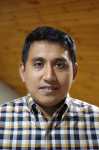
[caption id="attachment_53396" align="alignleft" width="121"]

Dr. Aquino[/caption]
Marcella Aquino, M.D.
Hasbro Children's Hospital
Department of Pediatrics
Division of Allergy & Immunology
Associate Professor of Pediatrics
[caption id="attachment_53397" align="alignleft" width="107"]

Dr. Koinis-Mitchell[/caption]
Daphne Koinis-Mitchell PhD
Professor (Research) in the Departments of Psychiatry and
Human Behavior and Pediatrics
Warren Alpert Medical School of Brown University
Providence, Rhode Island 02903
MedicalResearch.com: What is the background for this study?
Response: Urban minority children with asthma are at increased risk for sleep loss and poorer sleep quality secondary to socio-contextual stressors (poverty, stressors of urban living) and the underlying challenges related to following possibly complex asthma treatment regimens. Atopic dermatitis (AD) is very frequently seen in children with asthma and increases the risk for poor quality sleep, for example difficulty falling asleep, awakenings during the night, difficulty awakening in the morning, and/or daytime sleepiness.

 Kalli Koukounas[/caption]
Kalli Koukounas, MPH
Ph.D. Student, Health Services Research
Brown University School of Public Health
Providence, RI
MedicalResearch.com: What is the background for this study?
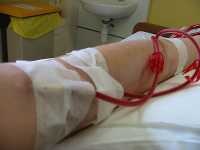
Response: On Jan. 1st, 2021, the Centers for Medicare and Medicaid Services (CMS) implemented the End-Stage Renal Disease Treatment Choices (ETC) Model, one of the largest randomized tests of pay-for-performance incentives ever conducted in the US.
The goal of the model was to enhance the use of home dialysis and kidney transplant or waitlisting among kidney failure patients in traditional Medicare. The model randomly assigned approximately 30% of US dialysis facilities and nephrologists to receive financial incentives, ranging from bonuses of 4% to penalties of 5%, based on their patients’ use of home dialysis and kidney transplant/waitlisiting. The payment adjustments apply to all Medicare-based reimbursement for dialysis services. Prior research has demonstrated that dialysis facilities that disproportionately serve populations with high social risk have lower use of home dialysis and kidney transplant, raising concerns that these sites may fare poorly in the payment model. Using data released by CMS, we examined the first year of ETC model performance and financial penalties across dialysis facilities, stratified by the measured social risk of the facilities’ incident patients.
Kalli Koukounas[/caption]
Kalli Koukounas, MPH
Ph.D. Student, Health Services Research
Brown University School of Public Health
Providence, RI
MedicalResearch.com: What is the background for this study?
Response: On Jan. 1st, 2021, the Centers for Medicare and Medicaid Services (CMS) implemented the End-Stage Renal Disease Treatment Choices (ETC) Model, one of the largest randomized tests of pay-for-performance incentives ever conducted in the US.
The goal of the model was to enhance the use of home dialysis and kidney transplant or waitlisting among kidney failure patients in traditional Medicare. The model randomly assigned approximately 30% of US dialysis facilities and nephrologists to receive financial incentives, ranging from bonuses of 4% to penalties of 5%, based on their patients’ use of home dialysis and kidney transplant/waitlisiting. The payment adjustments apply to all Medicare-based reimbursement for dialysis services. Prior research has demonstrated that dialysis facilities that disproportionately serve populations with high social risk have lower use of home dialysis and kidney transplant, raising concerns that these sites may fare poorly in the payment model. Using data released by CMS, we examined the first year of ETC model performance and financial penalties across dialysis facilities, stratified by the measured social risk of the facilities’ incident patients.

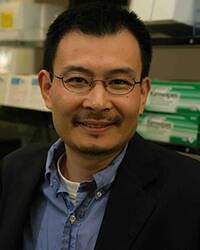 Dr. Simin Liu[/caption]
Simin Liu MD MPH ScD
Professor of Epidemiology at the School of Public Health,
Professor of Medicine (Endocrinology) and
Professor of Surgery at the Alpert School of Medicine
Brown University
MedicalResearch.com: What is the background for this study?
Response: Our research team has been researching the roles of environmental and genetic determinants of chronic diseases for nearly three decades, with special emphasis on evaluating micronutrients, minerals, and trace elements in relation to cardiometabolic outcomes, and findings of which have contributed to the design of several large, randomized trials of dietary supplements in the US (Liu JAMA 1999; 2011; Diabetes Care 2005a,b; Diabetes 2006). Several large intervention trials have consistently shown beneficial effects on clinical cardiometabolic outcomes of a diet pattern rich in micronutrients, although research on micronutrient supplementation has mainly focused on the health effects of a single or a few vitamins and minerals.
We decided to take a comprehensive and systematic approach to evaluate all the publicly available/accessible studies reporting all micronutrients including phytochemicals and antioxidant supplements and their effects on cardiovascular risk factors as well as multiple CVDs.
Dr. Simin Liu[/caption]
Simin Liu MD MPH ScD
Professor of Epidemiology at the School of Public Health,
Professor of Medicine (Endocrinology) and
Professor of Surgery at the Alpert School of Medicine
Brown University
MedicalResearch.com: What is the background for this study?
Response: Our research team has been researching the roles of environmental and genetic determinants of chronic diseases for nearly three decades, with special emphasis on evaluating micronutrients, minerals, and trace elements in relation to cardiometabolic outcomes, and findings of which have contributed to the design of several large, randomized trials of dietary supplements in the US (Liu JAMA 1999; 2011; Diabetes Care 2005a,b; Diabetes 2006). Several large intervention trials have consistently shown beneficial effects on clinical cardiometabolic outcomes of a diet pattern rich in micronutrients, although research on micronutrient supplementation has mainly focused on the health effects of a single or a few vitamins and minerals.
We decided to take a comprehensive and systematic approach to evaluate all the publicly available/accessible studies reporting all micronutrients including phytochemicals and antioxidant supplements and their effects on cardiovascular risk factors as well as multiple CVDs.