MedicalResearch.com Interview with:
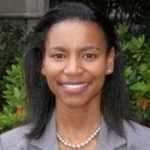
[caption id="attachment_59080" align="alignleft" width="100"]

Dr. Vashi[/caption]
Dr. Neelam Vashi MD
Director of the Boston University Center for Ethnic Skin
Dermatologist at Boston Medical Center, and
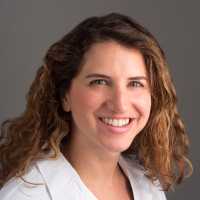
[caption id="attachment_59079" align="alignleft" width="100"]

Dr. De La Garza[/caption]
Dr. Henriette De La Garza MD
Research fellow
Boston University School of Medicine
MedicalResearch.com: What is the background for this study?
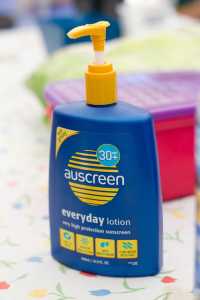
Response: The COVID-19 pandemic abruptly shifted many of our daily activities to an online world, dramatically increasing the use of electronic devices. Although visible light exposure from screens is small compared with the amount of exposure from the sun, there is concern about the long-term effects of excessive screen time. Recent studies have demonstrated that exposure to light emitted from electronic devices, even for as little as 1 hour, may cause reactive oxygen species generation, apoptosis, collagen degradation, and necrosis of skin cells. Visible light increases tyrosinase activity and induces immediate erythema in light-skinned individuals and long-lasting pigmentation in dark-skinned individuals. In recent years, tinted sunscreens have been rising in popularity because they are an effective and convenient way to protect against high-energy visible light while providing cosmetic benefits. The purpose of this analysis was to study current available options and product factors that may influence consumer preference when choosing a tinted sunscreen so dermatologists can improve their familiarity with available products and tailor their recommendations to patients with all skin tones.


 Dr. Sinha[/caption]
Pranay Sinha, MD
Section of Infectious Diseases
Boston University School of Medicine
MedicalResearch.com: What is the background for this study?
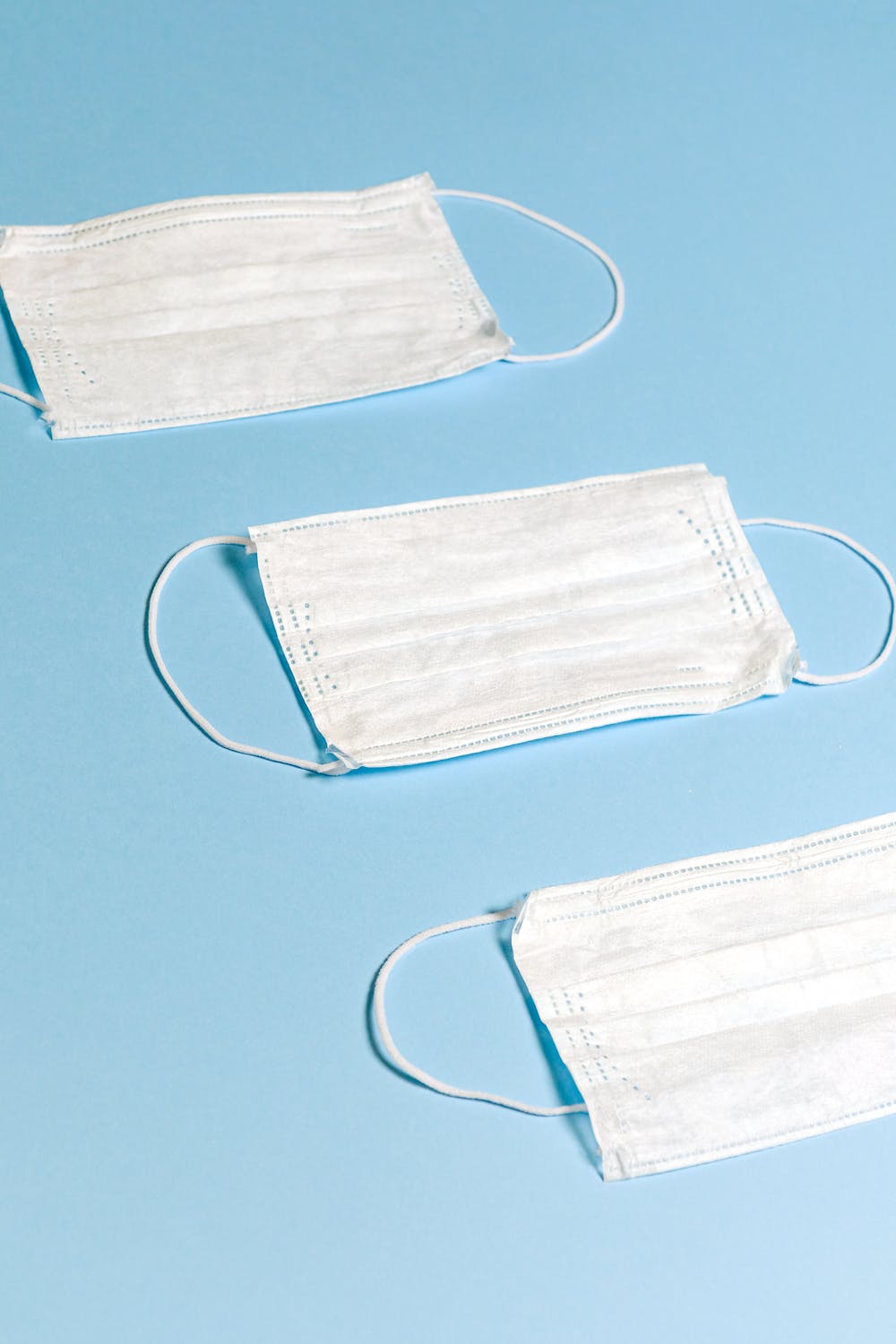
Response: We hypothesized that mitigation measures such as physical distancing and mask wearing instituted in Boston would reduce transmission of common respiratory viruses such as influenza, Rhinovirus, and Parainfluenzavirus. We compared the rate of detection of such viruses at Boston Medical Center on comprehensive respiratory panels in the ambulatory, emergency room, and hospital settings in 2020 to rates in the previous five years.
Dr. Sinha[/caption]
Pranay Sinha, MD
Section of Infectious Diseases
Boston University School of Medicine
MedicalResearch.com: What is the background for this study?
Response: We hypothesized that mitigation measures such as physical distancing and mask wearing instituted in Boston would reduce transmission of common respiratory viruses such as influenza, Rhinovirus, and Parainfluenzavirus. We compared the rate of detection of such viruses at Boston Medical Center on comprehensive respiratory panels in the ambulatory, emergency room, and hospital settings in 2020 to rates in the previous five years.
 Dr. Sinha[/caption]
Pranay Sinha, MD
Research Fellow
Section of Infectious Diseases
Boston University School of Medicine
MedicalResearch.com: What is the background for this study?
Response: In the early days of the COVID-19 pandemic there were no evidence-based treatments for severely ill patients infected with this virus. We formed an interdisciplinary group of physicians from departments of adult and pediatric infectious diseases, rheumatology, and pulmonary/critical care as well as clinical pharmacy specialists. Given some promising data from China, we instituted treatment with off-label IL-6 receptor inhibitors (tocilizumab and sarilumab). The rationale was to mitigate the exuberant immune response observed in some patients infected with SARS-CoV-2 (also called cytokine storm or cytokine release syndrome).
Quite quickly, we started noticing that giving the drug to our sickest patients wasn’t eliciting dramatic improvement. We reasoned that by the time patients were severely ill and requiring ventilators, the damage to their lungs from the cytokine storm had already taken place. It was like closing the barn door after the horse had already bolted.
Dr. Sinha[/caption]
Pranay Sinha, MD
Research Fellow
Section of Infectious Diseases
Boston University School of Medicine
MedicalResearch.com: What is the background for this study?
Response: In the early days of the COVID-19 pandemic there were no evidence-based treatments for severely ill patients infected with this virus. We formed an interdisciplinary group of physicians from departments of adult and pediatric infectious diseases, rheumatology, and pulmonary/critical care as well as clinical pharmacy specialists. Given some promising data from China, we instituted treatment with off-label IL-6 receptor inhibitors (tocilizumab and sarilumab). The rationale was to mitigate the exuberant immune response observed in some patients infected with SARS-CoV-2 (also called cytokine storm or cytokine release syndrome).
Quite quickly, we started noticing that giving the drug to our sickest patients wasn’t eliciting dramatic improvement. We reasoned that by the time patients were severely ill and requiring ventilators, the damage to their lungs from the cytokine storm had already taken place. It was like closing the barn door after the horse had already bolted.