20 Dec Diabetes: Racial, Ethnic, and Socioeconomic Inequities in GLP-1 RA Drug Use
Posted at 23:07h
in Author Interviews, Diabetes, JAMA, Race/Ethnic Diversity, University of Pennsylvania
MedicalResearch.com Interview with:
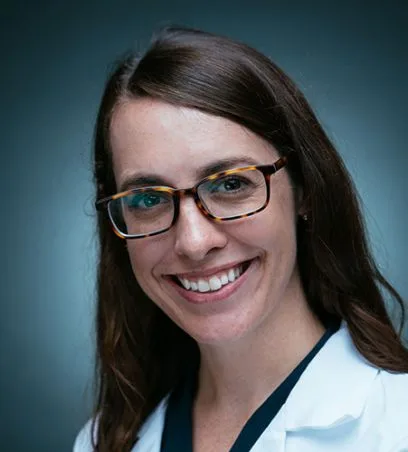
[caption id="attachment_58583" align="alignleft" width="125"] Dr. Eberly[/caption]
Lauren A. Eberly, MD, MPH
Clinical Fellow, Cardiovascular Medicine
Perelman School of Medicine
Cardiovascular Division, Perelman School of Medicine
Center for Cardiovascular Outcomes, Quality, and Evaluative Research,
Cardiovascular Center for Health Equity and Social Justice,
Leonard Davis Institute of Health Economics
University of Pennsylvania, Philadelphia
MedicalResearch.com: What is the background for this study?
Response: Racial inequities are pervasive in our country, and cardiovascular therapeutics with proven benefit have been shown to be underutilized among Black and Latinx patients.
Glucagon-like peptide-1 receptor agonists (GLP-1 RAs), a recommended treatment option for glycemic control in patients with diabetes, have recently emerged as a cardioprotective therapy as multiple large randomized clinical trials have shown they prevent cardiovascular events among patients with Type 2 Diabetes (T2D), particularly patients with established atherosclerotic cardiovascular disease (ASCVD). Given this, they are now recommended therapy for patients with diabetes and established or high risk of ASCVD.
Given the known inequitable utilization of other therapies, along with the known higher burden of diabetes and cardiovascular disease among Black patients, the aim of this study was to evaluate the uptake of GLP-1 RA as well as for inequities in utilization.
Dr. Eberly[/caption]
Lauren A. Eberly, MD, MPH
Clinical Fellow, Cardiovascular Medicine
Perelman School of Medicine
Cardiovascular Division, Perelman School of Medicine
Center for Cardiovascular Outcomes, Quality, and Evaluative Research,
Cardiovascular Center for Health Equity and Social Justice,
Leonard Davis Institute of Health Economics
University of Pennsylvania, Philadelphia
MedicalResearch.com: What is the background for this study?
Response: Racial inequities are pervasive in our country, and cardiovascular therapeutics with proven benefit have been shown to be underutilized among Black and Latinx patients.
Glucagon-like peptide-1 receptor agonists (GLP-1 RAs), a recommended treatment option for glycemic control in patients with diabetes, have recently emerged as a cardioprotective therapy as multiple large randomized clinical trials have shown they prevent cardiovascular events among patients with Type 2 Diabetes (T2D), particularly patients with established atherosclerotic cardiovascular disease (ASCVD). Given this, they are now recommended therapy for patients with diabetes and established or high risk of ASCVD.
Given the known inequitable utilization of other therapies, along with the known higher burden of diabetes and cardiovascular disease among Black patients, the aim of this study was to evaluate the uptake of GLP-1 RA as well as for inequities in utilization.

 Dr. Thakrar[/caption]
Ashish Thakrar, MD
Internal Medicine & Addiction Medicine
National Clinician Scholars Program
University of Pennsylvania
MedicalResearch.com: What is the background for this study?
Response: About 1.8 million Americans are currently incarcerated, more than any other country in the world per capita. Of those 1.8 million, about 1 in 7 suffers from opioid addiction, putting them at high risk of overdose and death, particularly in the weeks following release.
Opioid use disorder is a treatable condition, particularly with the medications buprenorphine or methadone, but historically, prisons and jails have not offered treatment. Over the past five years, a few states and municipalities have enacted policies to provide access for OUD treatment. We examined whether these policies were actually improving access to treatment.
Dr. Thakrar[/caption]
Ashish Thakrar, MD
Internal Medicine & Addiction Medicine
National Clinician Scholars Program
University of Pennsylvania
MedicalResearch.com: What is the background for this study?
Response: About 1.8 million Americans are currently incarcerated, more than any other country in the world per capita. Of those 1.8 million, about 1 in 7 suffers from opioid addiction, putting them at high risk of overdose and death, particularly in the weeks following release.
Opioid use disorder is a treatable condition, particularly with the medications buprenorphine or methadone, but historically, prisons and jails have not offered treatment. Over the past five years, a few states and municipalities have enacted policies to provide access for OUD treatment. We examined whether these policies were actually improving access to treatment. 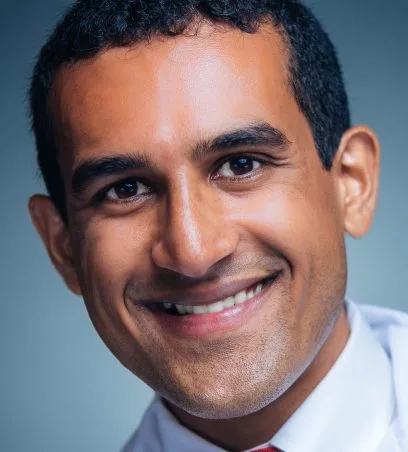
 Dr. Ashwin Nathan[/caption]
Ashwin Nathan, MD, MSHP
Assistant Professor, Medicine, Perelman School of Medicine
Interventional Cardiologist
Hospital of the University of Pennsylvania and at the
Corporal Michael C. Crescenz VA Medical Center in Philadelphia
Penn Cardiovascular Outcomes, Quality & Evaluative Research Center
MedicalResearch.com: What is the background for this study? What are the main findings?
Response: We found that the rates of TAVR were lower in areas with higher proportions of Black, Hispanic and socioeconomically disadvantaged patients. Inequities in access in areas with higher proportions of Black and Hispanic patients existed despite adjusting for socioeconomic status.
Dr. Ashwin Nathan[/caption]
Ashwin Nathan, MD, MSHP
Assistant Professor, Medicine, Perelman School of Medicine
Interventional Cardiologist
Hospital of the University of Pennsylvania and at the
Corporal Michael C. Crescenz VA Medical Center in Philadelphia
Penn Cardiovascular Outcomes, Quality & Evaluative Research Center
MedicalResearch.com: What is the background for this study? What are the main findings?
Response: We found that the rates of TAVR were lower in areas with higher proportions of Black, Hispanic and socioeconomically disadvantaged patients. Inequities in access in areas with higher proportions of Black and Hispanic patients existed despite adjusting for socioeconomic status.


 Dr. Desai[/caption]
Nimesh D. Desai, MD, PhD
Director, Thoracic Aortic Surgery Research Program
Associate Professor of Surgery
Hospital of the University of Pennsylvania
MedicalResearch.com: What is the background for this study?
Dr. Chase Brown: Opioid use in the United States is a public health emergency. We know that opioids prescribed after general surgery operations to patients who never received them within the year prior to their surgery are at increased risk for continuing to take opioids months later. However, this has not been studied in patients undergoing cardiac surgery, who often times have more severe post-operative pain.
Our goal in this study was to determine how many patients after cardiac surgery and are opioid naive are continuing to take opioids within 90-180 days after their surgery.
Dr. Desai[/caption]
Nimesh D. Desai, MD, PhD
Director, Thoracic Aortic Surgery Research Program
Associate Professor of Surgery
Hospital of the University of Pennsylvania
MedicalResearch.com: What is the background for this study?
Dr. Chase Brown: Opioid use in the United States is a public health emergency. We know that opioids prescribed after general surgery operations to patients who never received them within the year prior to their surgery are at increased risk for continuing to take opioids months later. However, this has not been studied in patients undergoing cardiac surgery, who often times have more severe post-operative pain.
Our goal in this study was to determine how many patients after cardiac surgery and are opioid naive are continuing to take opioids within 90-180 days after their surgery.