
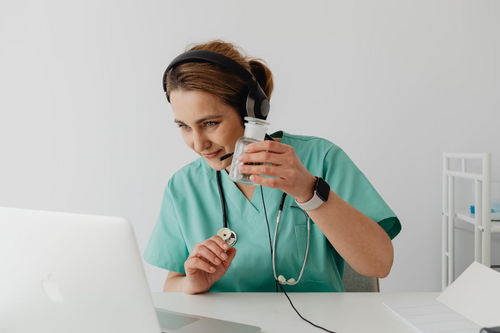
15 May Hospital Systems Recognizing Importance of Emotional Wellness Support
How Modern Healthcare Is Redefining Emotional Wellness Support
Modern healthcare is finally starting to acknowledge something people have quietly felt for years. Emotional wellness cannot realistically be handled through rushed appointments and short-term crisis conversations alone. Stress, burnout, anxiety, emotional fatigue, and long-term mental strain rarely disappear after one visit or one difficult week. People carry pressure from work, family routines, financial concerns, social expectations, and nonstop digital stimulation every single day, which means emotional wellness support now needs to function much more consistently within healthcare systems instead of appearing only during emergencies. The conversation around mental wellness changed because people increasingly want support that feels ongoing, practical, and connected to everyday life rather than isolated treatment moments separated by long gaps in care.
Healthcare systems are adapting because emotional wellness has become impossible to separate from long-term physical health, work performance, sleep quality, relationships, and overall daily functioning. Hospitals, clinics, wellness programs, and healthcare providers are creating models focused more heavily on communication, consistency, and patient support over time.
Growing Demand for Professionals Trained in Mental Wellness
Healthcare systems are expanding emotional wellness services rapidly because demand keeps growing across almost every age group and community environment. Clinics, hospitals, schools, community programs, and healthcare networks all increasingly need professionals capable of supporting long-term emotional wellness care instead of focusing only on short-term intervention. Mental wellness support now involves ongoing communication, behavioral understanding, patient trust, and consistent follow-up care spread across months or years, rather than isolated appointments reacting only after situations become severe. Healthcare providers are recognizing that emotional wellness requires people trained specifically to navigate these long-term support systems effectively.
This growing need is one reason psych NP programs continue attracting attention from students interested in healthcare careers connected to emotional wellness and behavioral support. These programs help prepare professionals for specialized roles focused on communication, patient care, emotional wellness planning, and long-term behavioral health support across different populations. Many students are drawn toward these programs because the field offers meaningful career opportunities while still providing flexibility through learning paths that make balancing education with work or family life much more manageable. Affordability concerns also became less intimidating for many students because flexible program structures, like those offered by the cheapest psych NP programs, are making access to this type of healthcare training feel far more realistic than it once did. As healthcare systems continue prioritizing emotional wellness support, professionals trained in these areas are becoming increasingly important within modern patient care environments.
Long-Term Wellness Management
Mental wellness conversations inside healthcare systems used to revolve heavily around crisis management. Patients often received attention once situations reached severe emotional breaking points, but long-term emotional maintenance rarely received the same level of consistent focus. That approach started changing once providers recognized how many people quietly struggle with ongoing stress, emotional exhaustion, burnout, sleep disruption, and anxiety patterns that slowly build over time instead of appearing suddenly all at once.
Emotional wellness management increasingly includes regular check-ins, lifestyle conversations, stress discussions, and long-term planning connected to routines people actually live with daily. Healthcare systems are realizing that emotional wellness works much more effectively once support feels continuous and approachable rather than distant and reactive. Patients are also becoming more comfortable discussing emotional wellness earlier because the conversation itself feels more normalized in modern healthcare environments.
Communication and Patient Trust
One of the biggest changes happening inside modern healthcare is the growing recognition that communication strongly affects emotional wellness care itself. Patients are far more likely to openly discuss emotional struggles once healthcare environments feel calm, supportive, and genuinely attentive instead of rushed or emotionally disconnected. Trust became especially important in long-term mental wellness support because emotional care often depends on patients feeling comfortable enough to discuss stress, routines, fears, burnout, or personal challenges honestly without feeling judged or dismissed during appointments.
Healthcare providers are adapting by placing more emphasis on listening skills, patient comfort, and steady communication across long-term care relationships. Small things matter much more now. Explaining treatment clearly, maintaining respectful conversations, following up consistently, and allowing patients to feel heard all strongly influence whether emotional wellness care feels approachable or intimidating. Patients increasingly expect healthcare experiences that feel collaborative instead of overly clinical or emotionally distant.
Support for Younger Adults
Healthcare systems are paying much closer attention to younger adults because long-term emotional fatigue and burnout patterns are appearing earlier than many providers expected. Academic pressure, career uncertainty, nonstop online comparison, financial stress, social expectations, and digital overload all combine into environments where younger adults often feel emotionally exhausted while still trying to appear productive constantly. Healthcare providers are increasingly recognizing that younger populations are dealing with emotional strain that does not always look dramatic outwardly but still affects sleep, motivation, focus, relationships, and long-term wellness significantly over time.
This growing awareness is pushing healthcare systems to expand mental wellness resources designed specifically for younger adults and modern lifestyle pressures. Emotional wellness discussions now happen more often around work-life balance, social media habits, stress management, burnout prevention, and realistic emotional coping strategies connected to everyday routines. Younger adults are also generally more open about discussing emotional wellness than previous generations, which is changing how healthcare providers approach long-term support conversations overall.
Workplace Burnout
Workplace burnout stopped being viewed as simply part of adult life once healthcare systems began seeing how strongly emotional exhaustion affects long-term wellness. People are carrying work stress far beyond office hours now because phones, messaging platforms, remote work expectations, and nonstop digital communication keep many employees mentally connected to work almost constantly. Emotional fatigue builds quietly through pressure to stay productive, available, and emotionally composed all the time, even when people are already overwhelmed. Healthcare providers increasingly recognize that burnout is not only about disliking a job. It affects sleep, focus, energy levels, emotional stability, physical health routines, and long-term wellness patterns across daily life.
This growing awareness is changing how healthcare systems discuss emotional wellness with patients. Providers now ask more questions connected to stress levels, work routines, recovery habits, emotional fatigue, and overall lifestyle balance instead of focusing only on isolated symptoms. Workplace burnout conversations also expanded because emotional exhaustion now affects people across very different industries and age groups, not only high-pressure executive roles. Younger professionals, remote workers, healthcare staff, teachers, service employees, and office workers all experience emotional fatigue differently, which means healthcare support systems increasingly need more flexible approaches connected to long-term stress management rather than short-term recovery alone.
Modern healthcare is changing because emotional wellness can no longer be separated from long-term daily health, routines, relationships, and overall quality of life. Healthcare systems increasingly focus on communication and ongoing support structures that help patients manage emotional wellness realistically over time.
Last Updated on May 15, 2026 by Marie Benz MD FAAD