
17 Oct 5 Common Medical Procedures for Treating Burns
Burn Safety Notice: For immediate first aid, cool a burn under cool (not ice-cold) running water for about 20 minutes, remove rings or tight items nearby, and cover it loosely with a clean, non-stick dressing. Do not apply ice, butter, oils or toothpaste, and do not break blisters. Call 911 or go to the emergency room for burns that are large, deep, white, leathery or charred; burns to the face, hands, feet, genitals or major joints; chemical or electrical burns; burns with smoke inhalation or difficulty breathing; and burns in infants, young children or older adults. Treatments described here are performed or prescribed by healthcare professionals. This post is for general information only. Providers linked in this post are not warranted or endorsed by MedicalResearch.com or Eminent Domains Inc.
Burns are among the most common types of injuries, as people are likely to sustain them anywhere. Exposure to flames or hot liquids in the kitchen, chemical substances at work, or extreme radiation can result in a burn injury. Most times, these events are unexpected and often cause severe bodily harm when multiple layers of the skin are affected.
Depending on the impact of the accident and severity of the injury, one can suffer a first, second, third, or fourth degree burn. The extent of damage mostly determines the treatment method that healthcare professionals use. Keep reading to learn about 5 effective medical procedures for treating burns.
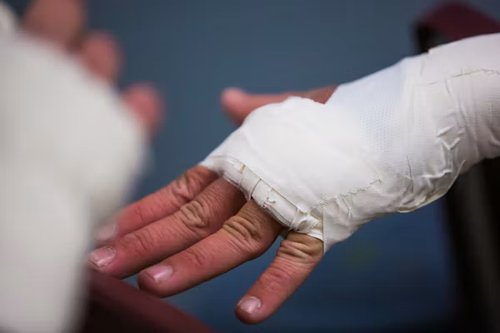
Photo courtesy of Unsplash
1. Burn Cleansing and Dressing
Skin is the body’s primary protective barrier, preventing dirt, germs, debris, and harmful microorganisms from entering the body. Heat damage to the skin can create an open wound, increasing the risk of infection and inflammation. As a preventive measure, healthcare providers clean burn injuries with water, mild soap, saline, or antiseptic solutions.
If foreign particles are present in the wound, the clinician removes them before applying protective coverings. Dressings then protect the wound and keep it moist so the underlying tissues don’t dry out. Depending on the burn’s depth and location, doctors may use gauze, hydrocolloid, or other specialized dressings.
2. Topical Creams or Gel Application
Even after contact with a heat source ends, the affected area can remain painful and irritated, and an open burn is vulnerable to infection. Depending on the burn, clinicians may prescribe topical antimicrobial creams or other wound treatments, such as:
- Silver sulfadiazine or other silver-based products
- Antibiotic ointments, such as gentamicin, in selected cases
- Curcumin gel, which has been studied experimentally but is not a standard burn treatment
For minor burns that are healing, a gentle, fragrance-free moisturizer can help relieve dryness and itching. Ask a healthcare provider before applying any cream to an open or blistered burn.
3. Intravenous (IV) Fluid Therapy
Extensive burns that cover a large area or affect multiple body parts require more advanced interventions. After such severe burns, the body loses large amounts of fluid, which can lower blood pressure, affect circulation, cause swelling, or damage organs.
To manage burn complications resulting from fluid loss, specialists insert an IV line into a vein. The IV line connects to a fluid bag, allowing steady inflow. Doctors monitor the infusion rate and the patient’s urine output to prevent insufficient or excessive fluid delivery.
4. Skin Grafting
Doctors perform skin grafts for deep second degree (deep partial-thickness) and third degree (full-thickness) burns. Because these burns destroy much or all of the skin’s layers, the skin cannot regenerate well on its own, so surgeons transplant healthy skin to the site. Superficial second degree burns usually heal without grafting.
The procedure requires surgical excision, a more advanced form of wound debridement, as part of the preparation. When successful, it helps close large wounds that might otherwise heal slowly. The transplanted skin merges with underlying tissue, aiding blood flow and healing.
5. Hyperbaric Oxygen Therapy
HBOT Notice: Hyperbaric oxygen therapy is an FDA-approved medical treatment for specific conditions, including decompression sickness, carbon monoxide poisoning, and certain non-healing wounds. However, many elective and wellness uses of HBOT have not been evaluated or approved by the FDA, and evidence for these applications varies significantly. HBOT is not appropriate for everyone. Contraindications may include certain lung conditions, untreated pneumothorax, recent ear surgery, claustrophobia, pregnancy, and some medications. Always consult a licensed physician before beginning any hyperbaric oxygen therapy, particularly if you have an existing health condition, take prescription medications, or are considering HBOT as part of a treatment plan. This content is for informational and educational purposes only and does not constitute medical advice or a recommendation to pursue HBOT for any specific condition.
For some severe burns, specialized burn centers may add hyperbaric oxygen therapy (HBOT) to standard care. During HBOT, the patient breathes pure oxygen inside a pressurized chamber, which raises the amount of oxygen carried in the blood. This is different from routine supplemental oxygen delivered through a face mask or nasal cannula at normal pressure.
Higher oxygen levels may help white blood cells fight bacteria and support new blood vessel formation and collagen production, aiding tissue repair. HBOT is an adjunct rather than a replacement for wound care and surgery, and evidence for its use in burns is still mixed, so it is used selectively.
Endnote
Burns have different levels of severity. Depending on how deep the damage goes, treatment can include cleansing, dressing, and applying topical treatments. For deeper or more extensive burns, doctors use advanced procedures like fluid replacement, skin grafting, and, in selected cases, hyperbaric oxygen therapy. These methods support skin regeneration and healing.
For a broader overview of wound care, see this MedicalResearch.com overview of wound care.
The information on MedicalResearch.com is provided for educational purposes only, and is in no way intended to diagnose, cure, or treat any medical or other condition. Some links are sponsored. MedicalResearch.com and Eminent Domains Inc. do not warrant or endorse products or claims made by third party links. Always seek the advice of your physician or other qualified health provider and ask your doctor any questions you may have regarding a medical condition. In addition to all other limitations and disclaimers in this agreement, service provider and its third party providers disclaim any liability or loss in connection with the content provided on this website.
Last Updated on October 17, 2026 by Marie Benz MD FAAD