Posted at 17:31h
in
Accidents & Violence
[caption id="attachment_67296" align="aligncenter" width="500"]
 Photo by cottonbro studio
[/caption]
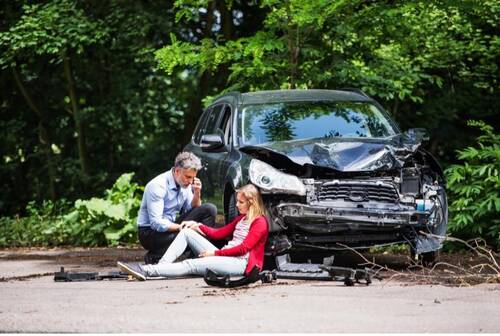
Pedestrian accidents are among the most devastating events on the road, often resulting in life-altering injuries. Unfortunately, these accidents are frequent in bustling cities like Phoenix, where pedestrian traffic is common.
To increase awareness and promote safety, it is essential to comprehend the different kinds of injuries that might happen. With its sprawling urban landscape and high traffic volume, Phoenix sees its fair share of pedestrian accidents. The city's warm climate encourages walking but also raises the possibility of collisions, particularly in places with a lot of traffic.
Serious injuries can result from such events, and they frequently need long-term care and intensive medical attention. In these situations, consulting a
pedestrian accident lawyer in Phoenix can be essential to navigate the legal intricacies and secure compensation for the victim.
Let's look at some of the most common catastrophic injuries that can occur in pedestrian accidents:
Traumatic Brain Injuries (TBIs)
One of the most common and fatal injuries sustained in pedestrian accidents is traumatic brain injury. When a pedestrian is struck by a car, their head often hits the ground or another object, which can cause
brain injury.
TBIs, which can range from minor concussions to significant brain injury, can have a negative influence on
motor skills, memory, and cognitive function. Some victims require lifelong care, and recovery can be costly and time-consuming.


 Photo by Kindel Media[/caption]
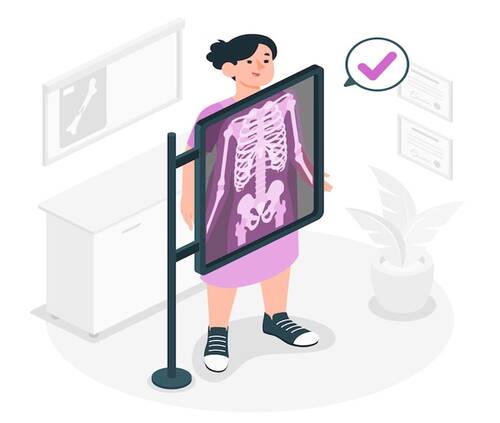
The arm and elbow sustain injuries in car crashes through two primary mechanisms: direct impact against the door, console, or window structure during the crash sequence, and the bracing mechanism in which the outstretched arm absorbs the force of impact. Each mechanism produces a characteristic injury pattern, and distinguishing between them matters for both medical management and any legal claim, because the nature, severity, and prognosis of the injury directly determine the damages available.
Understanding these injury types — and their long-term functional consequences — is essential for patients, clinicians, and legal professionals navigating the aftermath of a serious collision.
Photo by Kindel Media[/caption]
The arm and elbow sustain injuries in car crashes through two primary mechanisms: direct impact against the door, console, or window structure during the crash sequence, and the bracing mechanism in which the outstretched arm absorbs the force of impact. Each mechanism produces a characteristic injury pattern, and distinguishing between them matters for both medical management and any legal claim, because the nature, severity, and prognosis of the injury directly determine the damages available.
Understanding these injury types — and their long-term functional consequences — is essential for patients, clinicians, and legal professionals navigating the aftermath of a serious collision.








 Dr. Conner[/caption]
Christopher Conner, MD, PhD
Neurosurgery resident
McGovern Medical School
The University of Texas Health Science Center at Houston
MedicalResearch.com: What is the background for this study?
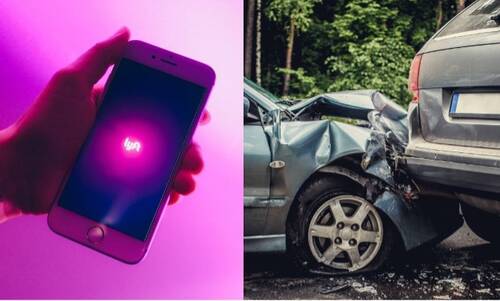
Response: There has been a growing understanding in medicine that the incidence of motor vehicle trauma is changing. We have watched as Friday and Saturday night emergencies have declined without a good explanation. Several other studies have investigated this, but the results were not conclusive.
We think that is due to a lack of data from the rideshare companies and hospitals directly
Dr. Conner[/caption]
Christopher Conner, MD, PhD
Neurosurgery resident
McGovern Medical School
The University of Texas Health Science Center at Houston
MedicalResearch.com: What is the background for this study?
Response: There has been a growing understanding in medicine that the incidence of motor vehicle trauma is changing. We have watched as Friday and Saturday night emergencies have declined without a good explanation. Several other studies have investigated this, but the results were not conclusive.
We think that is due to a lack of data from the rideshare companies and hospitals directly