
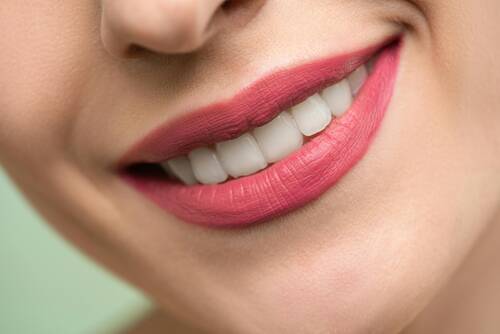
25 Nov Nine Tips for Optimum Dental Health and Hygiene
Posted at 20:50h
in Dental Research
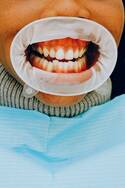
[caption id="attachment_65069" align="aligncenter" width="500"] Image source[/caption]
Dental health is more than just a bright smile—it’s a gateway to your overall well-being. Poor oral hygiene can lead to serious health complications, including heart disease, diabetes, and even respiratory infections. While regular dental visits are essential, they’re not always affordable or convenient. Therefore, adopting effective daily habits is the best way to maintain healthy teeth and gums while minimizing costly interventions.
So, let’s explore nine tips that can help you achieve optimal dental health.
1. Floss Daily: The Missing Step in Many Routines
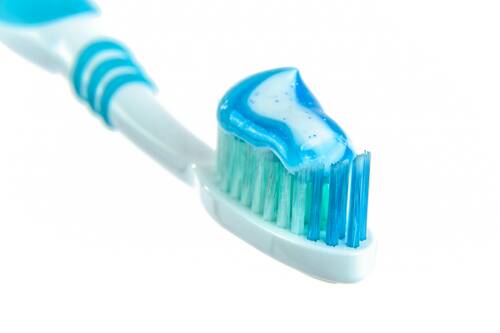
Most people just brush their teeth and think it’s enough, but even the best toothbrush can’t reach every nook and cranny of your mouth. That’s where flossing comes in. This simple practice removes food particles and plaque from between your teeth and under the gumline—areas where decay and gum disease often begin.
Daily flossing can reduce the risk of cavities and gingivitis while keeping your breath fresh. If you find it difficult to use traditional floss, try alternatives like floss picks or water flossers. Incorporating this step into your routine takes only a few minutes but yields significant benefits for your oral health.





 I
I




 Table of Contents






 Dr. LaMonte[/caption]
Michael J. LaMonte, PhD, MPH
Research Professor (epidemiology)
Department of Epidemiology and Environmental Health
School of Public Health and Health Professions
Women’s Health Initiative Northeast Regional Center
University at Buffalo – SUNY
Buffalo, NY 14214
MedicalResearch.com: What is the background for this study? What are the main findings?
Dr. LaMonte: The rationale for this study was based on existing study results showing
Dr. LaMonte[/caption]
Michael J. LaMonte, PhD, MPH
Research Professor (epidemiology)
Department of Epidemiology and Environmental Health
School of Public Health and Health Professions
Women’s Health Initiative Northeast Regional Center
University at Buffalo – SUNY
Buffalo, NY 14214
MedicalResearch.com: What is the background for this study? What are the main findings?
Dr. LaMonte: The rationale for this study was based on existing study results showing

 Dr. Hwang[/caption]
Geelsu Hwang, Ph.D.
Assistant Professor
Department of Preventive and Restorative Sciences
Center for Innovation and Precision Dentistry (CiPD)
School of Dental Medicine
University of Pennsylvania
MedicalResearch.com: What is the background for this study? What is the significance of this oral biofilm?
Response: Dental caries is one of the most common and costly biofilm-dependent diseases that afflict children and adults worldwide. Particularly, Early Childhood Caries (ECC) is a hyper-virulent type of chronic tooth decay that most frequently afflicts underprivileged preschool children. The onset and progression of carious lesions in ECC are rapid and aggressive, causing rampant destruction of the smooth surfaces of teeth.
ECC is painful and often requires surgical procedure under general anesthesia, while current treatment modalities are inefficient and recurrence of ECC is common. Notably, interactions between a fungus, Candida albicans, and a bacterium, Streptococcus mutans, have been known to play important roles in the pathogenesis of dental caries.
Thus, we attempted to strategically develop a targeted measure to effectively prevent cross-kingdom interactions and subsequent biofilm development.
Dr. Hwang[/caption]
Geelsu Hwang, Ph.D.
Assistant Professor
Department of Preventive and Restorative Sciences
Center for Innovation and Precision Dentistry (CiPD)
School of Dental Medicine
University of Pennsylvania
MedicalResearch.com: What is the background for this study? What is the significance of this oral biofilm?
Response: Dental caries is one of the most common and costly biofilm-dependent diseases that afflict children and adults worldwide. Particularly, Early Childhood Caries (ECC) is a hyper-virulent type of chronic tooth decay that most frequently afflicts underprivileged preschool children. The onset and progression of carious lesions in ECC are rapid and aggressive, causing rampant destruction of the smooth surfaces of teeth.
ECC is painful and often requires surgical procedure under general anesthesia, while current treatment modalities are inefficient and recurrence of ECC is common. Notably, interactions between a fungus, Candida albicans, and a bacterium, Streptococcus mutans, have been known to play important roles in the pathogenesis of dental caries.
Thus, we attempted to strategically develop a targeted measure to effectively prevent cross-kingdom interactions and subsequent biofilm development.