Legal-Malpractice

Navigating the complex world of senior healthcare can feel overwhelming, especially when managing prescription drug regimens in long-term care settings where medication errors in nursing homes pose serious risks. As our loved ones age, their bodies process pharmaceuticals differently, turning standard treatments into potential hazards. Understanding how high-risk medications impact older adults is essential for family members, caregivers, and medical advocates alike. By arming ourselves with the right knowledge, we can help ensure safety, dignity, and optimal health outcomes in nursing homes and assisted living facilities.

Research published through MedicalResearch.com on adverse drug events in nursing home residents confirms that older adults in long-term care are at significantly elevated risk — and that many of these events are preventable. The American Geriatrics Society's Beers Criteria for Potentially Inappropriate Medication Use in Older Adults provides clinicians and caregivers with an evidence-based reference for identifying the highest-risk drugs in this population.

[caption id="attachment_75239" align="aligncenter" width="500"]long-term-care-medication-pexels Photo by Yaroslav Shuraev:[/caption]
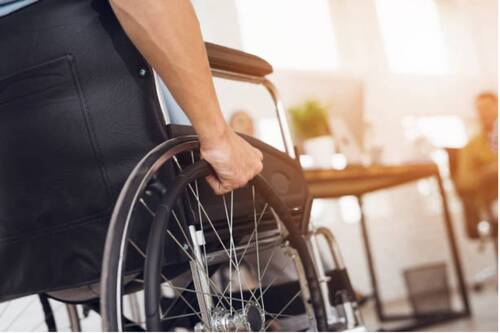
A car accident can cause disabilities that last for months, years, or a lifetime, depending on the severity of the injury and how the body responds to treatment. Common long-term outcomes include brain injuries, spinal cord damage, chronic pain, and limb loss.

Recognizing the signs of car accident disability early can help a person get the right treatment before symptoms become permanent and harder to manage. Some injuries look mild at first but develop into lasting impairments weeks or months later. This guide covers the injuries most likely to cause lasting disability, from mobility loss to cognitive and emotional changes.

[caption id="attachment_75095" align="aligncenter" width="500"]disabilities_that_may_follow_a_car_accident Source[/caption]
A fractured sternum is a serious injury that can occur after a car accident, particularly when the chest strikes a seat belt or steering wheel during the collision. Recognizing the symptoms early and seeking prompt medical attention can help prevent complications and support a smoother recovery.

The force generated in a car crash can cause injuries that are not immediately obvious. While cuts and bruises may be visible, injuries to the chest often develop symptoms over the following hours or days. Knowing the symptoms of a fractured sternum can help you recognize when medical evaluation is necessary and reduce the risk of untreated complications. Research published in peer-reviewed literature confirms that traumatic sternal fractures occur in up to 8% of blunt chest trauma cases, with motor vehicle collisions accounting for the majority. For more on the causes, symptoms, and compensation considerations, see this overview of fractured sternum: causes, symptoms, and compensation.

signs_you_may_have_a_fractured_sternum_

Motorcycle crash injuries in Jacksonville can have lasting effects that reach far beyond the first hospital visit. They may lead to chronic pain, reduced mobility, emotional stress, and ongoing medical care, making recovery a long-term challenge for many riders.

Because of how busy the highways, bridges, and riding conditions are in Jacksonville all year round, motorcycles share the road with heavy traffic. Riders are often injured in a few seconds of a serious crash, and that injury could take months or even years to treat. By recognizing the common injuries, it's possible to better understand why some individuals suffer physical and financial problems long after the accident, even if there appear to be no visible injuries. For a closer look at what brain injuries from motorcycle accidents involve medically, see this overview of understanding the symptoms of brain injuries after a motorcycle accident.

[caption id="attachment_75087" align="aligncenter" width="500"]long-term_effects_of_motorcycle_crash_injuries_ Image Source : unsplash[/caption]

Ever wondered why two people with seemingly similar back injuries can end up with completely different settlement outcomes? The answer almost always comes down to documentation, not the injury itself.

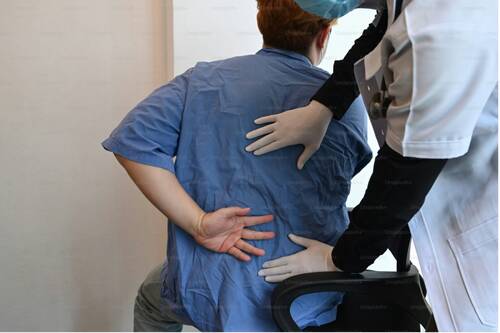
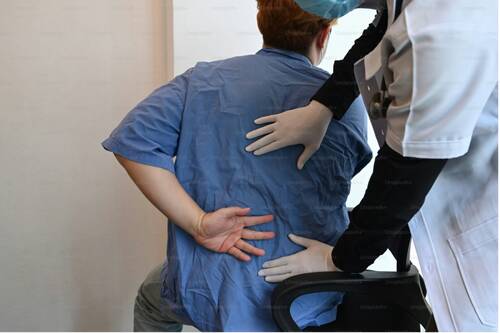
Back injuries can be especially challenging to prove because pain, reduced mobility, and other symptoms aren't always obvious. Without clear medical evidence, insurance companies may question the severity of the injury or whether it was actually caused by the accident. A back injury lawyer uses medical records to establish a clear link between the accident and the injury, show how that injury affects daily life, and build the evidence needed to pursue fair compensation. Understanding how that process works helps explain why strong medical documentation is often the foundation of a successful claim.

[caption id="attachment_75050" align="aligncenter" width="267"]back injury lawyer Pexels image[/caption]

A catastrophic injury changes every part of a person's life in an instant. The physical impact can be severe and the emotional strain can last for years. Many people face long recovery periods and sudden challenges they never expected. Medical needs can grow quickly and put a lot of pressure on families. During this time, support from the attorneys at Ellis Law Corporation can help people take steady steps toward getting their lives back on track. With steady help the path forward can feel more secure and easier to navigate.

For context on how medical complexity and delayed recovery timelines affect legal claims involving serious injuries, see this overview of handling a serious spine or neurological case without getting steamrolled.

[caption id="attachment_75025" align="aligncenter" width="500"]lawyer-after-catatrophic-injury-pexels Photo by RDNE Stock project[/caption]

Families often notice small changes before they notice a serious problem. A parent seems quieter than usual. A bruise appears without a clear explanation. Clothes are not as clean as they used to be, or meals are left untouched. Each issue may seem minor on its own, but together they can point to something much bigger.

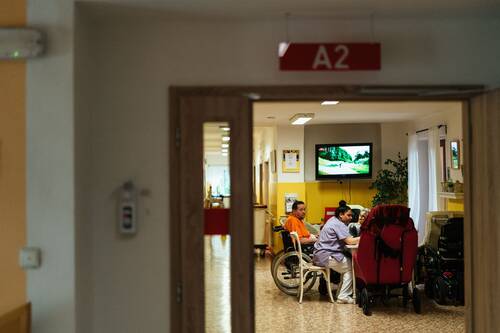
In Las Vegas and many other communities, more families are asking where the line is between care that simply falls short and care that becomes neglect. Research offers useful answers. Nursing home neglect is not about expecting perfect care. It is about whether a resident's basic needs are being met in a way that protects their health, safety, and dignity. For context on what quality home and facility-based elder care should look like, see this overview of why professional elder care and daily support matter for aging adults. Here are five signs that help explain where that line is drawn.

[caption id="attachment_75015" align="aligncenter" width="500"]nursing-home-neglect-pexels Photo by Jsme MILA [/caption]

Missing a diagnosis rarely looks like a dramatic emergency room failure. The deadliest errors happen quietly, buried in unread laboratory reports or dismissed patient complaints. When doctors fail to identify a condition immediately, they steal the one resource a patient cannot replace: time.

A disease that responds to routine treatment on a Monday can turn into an untreatable crisis by Friday. This gap between the onset of symptoms and the accurate identification of the disease transforms manageable illnesses into fatal cascades.

[caption id="attachment_74987" align="aligncenter" width="500"]delayed-diagnosis-wrongful-death-2.jpg istock[/caption]

An accident with a commercial truck can leave victims facing devastating injuries and fearing a long road to recovery, often with many different questions running through their heads. Unlike a typical car crash, these cases may involve trucking companies, maintenance providers, insurers, and complex federal safety regulations.

In North Carolina, strict fault rules and the fast-moving nature of trucking evidence make prompt action especially important. Many people consult a North Carolina commercial truck accident attorney early to understand how a strong claim is built and what evidence should be preserved from the start. Knowing how attorneys investigate and prepare these cases can help injured victims protect their rights and pursue compensation with greater confidence.

commercial-truck-accidents-nc-lawyers

Medical science treats neurological trauma as a dynamic cellular event rather than a static wound. Emergency department physicians diagnose immediate life threats, yet those same practitioners cannot forecast exactly how a neural pathway heals over an extended timeline. Injured individuals constantly expect a clear timetable for returning to work or driving a vehicle.

Physicians refuse to provide one because neural networks repair themselves asynchronously. This clinical hesitation creates severe friction in personal injury claims. Claims adjusters demand strict recovery deadlines to close files cheaply. When medical professionals refuse to commit to a firm prognosis, claims representatives interpret that caution as a full recovery. That discrepancy destroys countless legal cases.

[caption id="attachment_74933" align="aligncenter" width="500"]doctors-cant-predict-brain-injury istock[/caption]

Opening a practice in New Jersey requires not only clinical expertise. Even if a provider is well-prepared to provide care to patients, they would also need to set up everything else properly from the standpoint of legal aspects, licensing, insurance, staffing, billing procedures, contract negotiations, and compliance requirements.

The earlier the above-mentioned aspects are taken into account, the more chances there are to avoid additional problems and expenses. The practice may be located ideally and staffed superbly, but face problems if the processes of crediting, cost estimates, or insurance considerations are neglected.

[caption id="attachment_74790" align="aligncenter" width="500"]starting-medical-practice-nj-pexels Photo by Pavel Danilyuk[/caption]

The vast majority of births proceed safely, but childbirth is a complex medical event, and occasionally something goes wrong. When a baby or mother is harmed during pregnancy, labor, or delivery, the result is called a birth injury, and the experience can be frightening and bewildering for families. Understanding what birth injuries are, how they happen, and when they raise legitimate questions about the care provided can help parents make sense of a difficult situation.

Birth injuries cover a wide range of conditions, from minor and temporary to serious and lasting. Some resolve on their own with little intervention; others have profound, lifelong implications that can influence a child's healthcare and longevity for years to come. What they have in common is that they raise a natural and important question for affected families: was this harm an unavoidable risk of childbirth, or did something about the care fall short of what it should have been? Answering that question is rarely simple, but understanding the landscape helps families know what to ask.

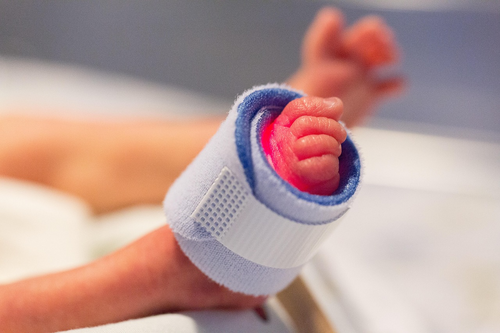
parents_holding_their_newborn_baby_at_home

Common medical procedures are generally safe and beneficial, but mistakes or complications during routine treatments can sometimes cause serious and lasting injuries. One example is intravenous (IV) therapy, a frequently used procedure that delivers fluids, medications, or nutrients directly into a patient's bloodstream. When an IV is not placed or monitored properly, it can result in tissue damage, infections, nerve injuries, and other long-term health problems. Many patients do not realize the potential consequences of IV infiltration until symptoms begin to appear after treatment. IV infiltration happens when fluid leaks out of the vein and enters the surrounding tissue instead of flowing correctly through the bloodstream. Although some cases are minor and heal quickly, severe cases can lead to complications that require extensive medical care. [caption id="attachment_74682" align="aligncenter" width="500"]how_a_common_medical_procedure_can_cause_lasting_injuries Image source : pexels[/caption] Understanding how a common procedure like IV therapy can cause lasting injuries helps patients recognize warning signs and seek medical attention before the damage becomes more serious.

Applying for Social Security Disability benefits is one of the most frustrating processes a person can go through. You are dealing with a serious health condition that prevents you from working, and instead of support, you get a denial letter. It happens to the majority of applicants on their first attempt, and it happens even when the disability is real and severe. What most people do not realize is that the outcome is not just about the condition itself. It is about how the case is built, what evidence is submitted, and whether someone who understands the system is fighting for you. An SSD law firm does not change your condition. It changes what the SSA sees when they evaluate your claim. [caption id="attachment_74621" align="aligncenter" width="500"]ssd-law-firm-nevada-pexels Photo by SHVETS production[/caption]

When a loved one develops a bedsore in a nursing home, the instinct is to focus on treatment. Families often miss a second and equally urgent reality: the injury is usually preventable, federal law requires facilities to prevent it, and missing the window to act legally can permanently close the door to accountability. Bedsores, also known as pressure ulcers or pressure injuries, are one of the most common signs that something might be off in nursing homes and long-term care places. They can be an indicator of potential neglect, even if no one says it out loud. nursing-home-bedsores-legal-rights Despite an estimated 4.5% of long-term nursing home patients in the United States, the recent historical records from the Centers for Disease Control and Prevention show that about 11% of nursing home patients had pressure ulcers, totaling approximately 159,000 patients in the whole nation. When a loved one enters a nursing home, family members expect their loved one to be taken care of. Unfortunately, according to Morgantown nursing home abuse lawyer Edmund L. Wagoner, Esq., due to systemic understaffing issues and stigma surrounding the level of care for elders, many face abuse and neglect in their daily lives. Understanding the law's requirements for nursing facilities and what your family can do when they are violated changes what is possible from here.

Securing disability benefits for neuropathy requires more than proving you have nerve damage. Approval typically depends on medical evidence, documented functional limitations, and the ability to show that the condition prevents you from working. Many claims are denied because of insufficient documentation or a lack of objective medical findings. Filing a successful claim requires a clear understanding of the eligibility requirements. Many people may wonder, "Is neuropathy considered a disability? Does it qualify for monthly benefits?" Yes, but strong medical records often play a key role in the outcome of a claim. The Social Security Administration evaluates neuropathy using specific medical and functional criteria. Applicants must provide evidence demonstrating significant limitations caused by their condition. Supporting documentation from specialists, diagnostic testing, and treatment records can strengthen a disability application. factors_that_decide_neuropathy_disability_claims

[caption id="attachment_74435" align="aligncenter" width="500"]What the Numbers Reveal About Medical Malpractice Claims Source: magnific[/caption] Medical Malpractice Statistics: What the Data Actually Shows

The numbers reveal that medical malpractice claims are less common than many people assume, but when they do occur, they often involve serious injuries, high financial payouts, and complex legal challenges. Most claims arise from preventable medical errors such as misdiagnosis, surgical mistakes, medication errors, and delayed treatment.

While not every poor medical outcome is malpractice, data helps separate perception from reality. A closer look at medical malpractice statistics shows clear patterns in how often these cases are filed, what types of errors are most common, and how they typically resolve. These numbers also highlight how difficult it can be for patients to pursue successful claims, even when negligence is involved.

[caption id="attachment_74204" align="aligncenter" width="500"]car-accident-injury-claims-discussed.png Unsplash[/caption] Just been in a car accident? You're likely stressed, sore, and looking at bills from doctors you never chose. The insurance company is already calling you. And no one is explaining to you what you can actually do. Here's the truth: Nine times out of ten, folks settle their car accident injury claim for much, much less than they're entitled to. It's not because the law is out to get them... It's because they don't know their rights. This guide breaks it down in plain English. Here's what's covered: What Counts As A Car Accident Injury Claim? Your Legal Rights After A Crash How Car Accident Compensation Actually Works Steps To Take Right After An Accident When To Bring In A Lawyer

driving-rain-night-pexels.jpg Driving in the middle of a torrential downpour is stressful enough on its own. When you throw total darkness into the mix, a routine drive home can quickly turn into a high-stakes guessing game. Your visibility plummets, your tires lose their grip on the asphalt, and your brain gets hit with a massive wave of sensory overload. If things go wrong, you might need to view accident attorneys to help sort out the aftermath of a sudden collision. Understanding exactly why these conditions are so dangerous is the first step toward staying safe when the weather turns ugly.

[caption id="attachment_73991" align="aligncenter" width="500"]itemized medical bills Source[/caption] Want to get the most out of your injury compensation claim? The majority of injury victims make the same expensive error. They give the insurance company sloppy paperwork and hope they play nice. Spoiler: they don't. Your itemized medical bill is your most powerful negotiating tool. It's the difference between a lowball demand and the full amount you should receive. The good news is that your medical bill already exists, sitting in your provider's office right now. Here's what's coming up: Why Itemized Medical Bills Matter So Much What An Itemized Bill Actually Includes How Documentation Boosts Your Settlement Don't Miss Your Filing Deadline

  [caption id="attachment_73988" align="aligncenter" width="500"]Injuries After a Truck Accident Source[/caption] Truck accidents often cause serious injuries because of the massive size and weight of commercial vehicles. The most common injuries after a truck accident include head injuries, spinal cord injuries, broken bones, burns, internal injuries, neck injuries, and emotional trauma. These injuries can lead to long recovery periods, expensive medical treatment, and lasting physical pain. It is also important to understand the types of accidents trucks can cause. Collisions such as rollovers, jackknife accidents, rear-end crashes, and underride accidents can all result in severe harm to drivers and passengers in smaller vehicles. Knowing the most common truck accident injuries can help victims recognize symptoms early and seek proper medical care.

[caption id="attachment_73985" align="aligncenter" width="500"]Impact of Hospital Negligence Source[/caption] Hospital negligence can have devastating financial and emotional consequences for patients and their families. When hospitals or medical staff fail to provide proper care, patients may suffer serious injuries, long-term health complications, permanent disabilities, or even wrongful death. These situations often create overwhelming medical expenses, emotional trauma, and major disruptions to daily life. Many people associate hospital malpractice with surgical mistakes or misdiagnosis, but negligence can happen in many different forms inside healthcare facilities. For victims, the impact goes far beyond the initial injury. A single medical error can affect a person's physical health, career, emotional well-being, and financial stability for years. Families are often left trying to manage expensive treatments, emotional stress, and uncertainty about the future.

  [caption id="attachment_73982" align="aligncenter" width="500"]What Is an Anesthesia Error Source[/caption] An anesthesia error happens when a medical professional makes a mistake before, during, or after administering anesthesia. These mistakes can lead to serious health complications, long-term injuries, or even death in severe cases. Every year, hospitals and surgical centers across the United States perform millions of procedures that involve anesthesia errors. Although modern medicine has improved patient safety, anesthesia errors still occur when healthcare providers fail to follow proper medical standards or monitoring procedures. Patients who suffer harm from anesthesia errors often face physical pain, emotional stress, and expensive medical treatment. Because of this, medical malpractice laws provide legal protections that allow injured patients to seek compensation when negligence causes harm.

Rehabilitation Therapies Support Children.png Has your child suffered an injury during birth? It's every parents nightmare. One second you're meeting your newborn baby... The next you find yourself in a doctors office hearing words you never want to hear. The good news? Kids are resilient. With proper rehab therapy, many children born with a birth injury will flourish in life. Therapy won't erase the challenges immediately. However, it can greatly impact a child's mobility, communication, and autonomy. Here's the hard part though... Recovery is a long process. It takes time, patience and money. Lots of money. When birth injury is caused by a preventable error, families often seek medical negligence compensation to help pay for years of treatment. In fact, filing for compensation for a birth injury is one of the most common methods of paying for the road of therapy ahead. Medical negligence compensation can mean the difference between your child receiving limited care and everything they need to thrive. So let's break down exactly how rehabilitation therapies help. Here's What You'll Discover: What Birth Trauma Actually Means The Main Rehabilitation Therapies That Help Why Early Treatment Matters So Much How Families Afford Long-Term Care

[caption id="attachment_73943" align="aligncenter" width="500"]personal-injury-claim-process.png Unsplash[/caption] Been in an accident and don't know what to do next? Filing a personal injury claim is stressful. There's the medical bills, the insurance phone calls and trying to heal all at once. Here's the good news: It's actually much simpler than most believe. All you have to do is know what to expect each step of the way. Exactly how to file your personal injury claim. Follow this step-by-step guide to the 6x stages of the personal injury claims process from filing through to recovery of your settlement. Let's jump in! Quick rundown of what's inside: What Is a Personal Injury Claim? The 6x Steps of the Personal Injury Claim Process Why Hiring a Lawyer Matters Common Mistakes That Hurt Your Claim

[caption id="attachment_73610" align="aligncenter" width="500"]Tracking Nursing Home Abuse Pexels[/caption]

A look at the landmark reports, federal reforms, and persistent measurement gaps that have shaped how the United States counts abuse in long-term care.

In 1986, the Institute of Medicine (now the National Academy of Medicine) published a study that would reshape American long-term care policy for a generation. Commissioned by Congress, "Improving the Quality of Care in Nursing Homes" concluded that quality of care and quality of life in many U.S. nursing homes were not satisfactory and that abuse and neglect were common in facilities receiving Medicare and Medicaid funds. That report led directly to the 1987 Omnibus Budget Reconciliation Act, which contained the Federal Nursing Home Reform Act, the most significant overhaul of nursing home regulation since the creation of Medicare itself in 1965. Forty years on, the historical data tells a more complicated story than a clean before-and-after. The reforms changed what facilities are required to do. They also changed what gets measured, how it gets measured, and what we now know is being missed.

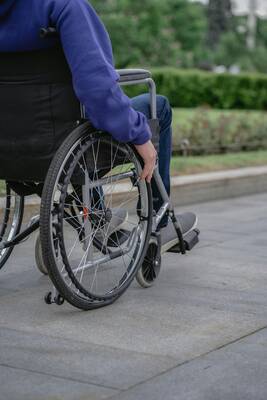
[caption id="attachment_73205" align="aligncenter" width="267"]spinal-cord-injury-free-pexels-image.jpg Photo by SHVETS production[/caption] Spinal cord injury cases are unique in personal injury law because the damages are not primarily about what happened in the past but about what the rest of the injured person's life will require. The medical bills from the acute hospitalisation, the rehabilitation facility stay, and the first year of outpatient therapy are significant — but they are typically the smallest component of the lifetime damages picture for a seriously injured SCI survivor. The largest components are the future ones: the attendant care that becomes more intensive as the survivor ages and as family caregivers are no longer able to provide the physical support the injury requires; the medical monitoring and treatment for the secondary complications that SCI consistently produces over decades; and the adaptive equipment and home modification costs that must be updated as technology changes and as the survivor's functional needs evolve. Getting the lifetime cost calculation right is the most financially consequential legal work in an SCI case — and it requires a specific team of experts that most personal injury law firms do not maintain.