MedicalResearch.com Interview with:
[caption id="attachment_50377" align="alignleft" width="168"]
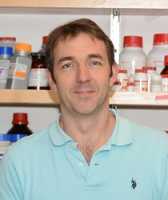
Dr. Abbott[/caption]
Geoffrey W. Abbott PhD
Department of Physiology and Biophysics,
Bioelectricity Laboratory, School of Medicine,
University of California
MedicalResearch.com: What is the background for this study?
Response: The main focus of my laboratory is the study of potassium ion channels - proteins that coordinate electrical activity in all organisms. When human potassium channels do not function properly, it can result in pathologically discordant electrical activity, and diseases such as cardiac arrhythmia, myotonia, and epilepsy - depending on whether the affected potassium channel is in the heart, skeletal muscle or brain, for example. T
here are existing drugs that directly regulate ion channels for therapeutic benefits, including one - retigabine - that opens neuronal potassium channels in the KCNQ family, to treat epilepsy. Retigabine causes side effects including turning the skin blue, and was withdrawn from clinical use in 2017. Retigabine may make a comeback because a form of epilepsy was recently discovered, arising from mutations in the KCNQ2 gene, that is associated with severe developmental delay and seizures. In my lab, we are interested in discovering new therapeutic agents that might more safely fix dysfunction in KCNQ2 and other potassium channels.
We turned to plants as a possible source of compounds. We are interested both in explaining the underlying mechanism of traditional botanical medicines, and also discovering unanticipated therapeutic chemicals synthesized naturally by plants.



 Prof. Leon[/caption]
Michael Leon, Professor emeritus
Prof. Leon[/caption]
Michael Leon, Professor emeritus
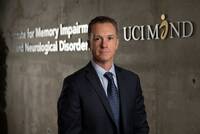




 Dr. Thompson[/caption]
Rebecca R. Thompson, Ph.D.
Postdoctoral Scholar
Department of Psychological Science
University of California, Irvine
MedicalResearch.com: What is the background for this study?
Response: Our research team has been interested in how people respond to the repeated threat of disaster exposure for many years. We recently published a review of the literature on evacuation from natural disasters, and one of our main findings was that there have been no studies that include assessments of individuals’ intentions, perceptions, and psychological states assessed prior to an approaching storm’s landfall – all prior research has been retrospective, and recall is undoubtedly biased and unreliable. Our goal in undertaking this study was to fill this hole in the literature. We sought to assess individuals' responses to Hurricane Irma in the days leading up to and immediately after its landfall in the State of Florida.
Dr. Thompson[/caption]
Rebecca R. Thompson, Ph.D.
Postdoctoral Scholar
Department of Psychological Science
University of California, Irvine
MedicalResearch.com: What is the background for this study?
Response: Our research team has been interested in how people respond to the repeated threat of disaster exposure for many years. We recently published a review of the literature on evacuation from natural disasters, and one of our main findings was that there have been no studies that include assessments of individuals’ intentions, perceptions, and psychological states assessed prior to an approaching storm’s landfall – all prior research has been retrospective, and recall is undoubtedly biased and unreliable. Our goal in undertaking this study was to fill this hole in the literature. We sought to assess individuals' responses to Hurricane Irma in the days leading up to and immediately after its landfall in the State of Florida.