

08 Jul Ultrasound-Guided Carpal Tunnel Release Outperforms Endoscopic Approach in Largest Ever Prospective Registry Study
MedicalResearch.com Interview with:
[caption id="attachment_74870" align="alignleft" width="100"] Dr. Marwin[/caption]
Victor Marwin, M.D. Vero Orthopaedics 3955 Indian River Blvd, Vero Beach, FL 32960 Responses provided on behalf of Sonex Health (sonexhealth.com)
MedicalResearch.com: What is the background for this study? Would you briefly explain what are the symptoms and complications of carpal tunnel syndrome and who is more prone to developing this condition?
Dr. Marwin: The MISSION registry is the largest ever prospective, multicenter study that is collecting real-world outcomes of patients suffering from carpal tunnel syndrome (CTS). More specifically, it looks at patients with CTS who are treated with an ultrasound-guided carpal tunnel release (UGCTR) procedure using Sonex Health's commercially available device, UltraGuideCTR, endoscopic carpal tunnel release (ECTR), or open carpal tunnel release (OCTR) in routine clinical practice in the United States. The goal of the MISSION registry is to compare symptom relief, functional outcomes, pain, quality of life, and patient satisfaction among the different procedural approaches to treat carpal tunnel syndrome.
CTS is one of the most frequently reported occupational injuries and the second leading cause of lost work time. In fact, it typically leads to more lost days per claim than almost any other work-related injury. Common symptoms include severe wrist and/or hand pain, numbness and tingling, making simple tasks including typing or gripping tools nearly impossible without treatment. People who work in jobs requiring repetitive hand use, forceful gripping, and vibrating tools are at greatest risk, including those in manufacturing and assembly, construction and mechanical, office and tech, beauty and healthcare, and food service and processing. Related research on carpal tunnel procedures performed in the office setting has previously been covered on MedicalResearch.com.
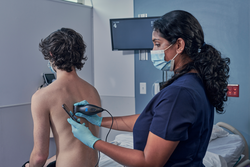
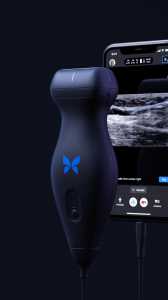 Response: Point-of-care ultrasound is one of the most significant advances in bedside patient care, and its use is expanding across nearly all fields of medicine. In order to best prepare medical students for residency and beyond, it is imperative to begin POCUS training as early as possible. At the Lewis Katz School of Medicine at Temple University, we introduced POCUS education over a decade ago and have expanded it since then.
By providing each student with a Butterfly iQ device, we can augment our curriculum significantly. In addition to our robust pre-clinical sessions, now we will expand into the clinical years highlighting the utility of POCUS with actual patients.
This gift was made possible by the incredible generosity of Dr. Ronald Salvitti, MD ’63.
Response: Point-of-care ultrasound is one of the most significant advances in bedside patient care, and its use is expanding across nearly all fields of medicine. In order to best prepare medical students for residency and beyond, it is imperative to begin POCUS training as early as possible. At the Lewis Katz School of Medicine at Temple University, we introduced POCUS education over a decade ago and have expanded it since then.
By providing each student with a Butterfly iQ device, we can augment our curriculum significantly. In addition to our robust pre-clinical sessions, now we will expand into the clinical years highlighting the utility of POCUS with actual patients.
This gift was made possible by the incredible generosity of Dr. Ronald Salvitti, MD ’63. 



 Dr. Dirk Timmerman[/caption]

