14 Jun From Clicks to Care: How Online Platforms Are Speeding Up Patient Service
Enhancing Patient Engagement Through Strategic Digital Integration
[caption id="attachment_61969" align="alignleft" width="200"] Photo from Pexels[/caption]
 Photo from Pexels[/caption]
 Dr. Woolhandler[/caption]
Steffie Woolhandler MD MPH, FACP
Professor of Public health and Health Policy
CUNY School of Public Health at Hunter College
Co-founder and board member
Physicians for a National Health Program
MedicalResearch.com: What is the background for this study? What are the main findings?
Response: We analzyed a national database of healthcare utilization. We found racial disparities exist in use of specialist MD services by Black- and Native-Americans relative to White-Americans, despite their greater needs. Hispanic- and Asian-Americans also receive specialist care at low rates.
Dr. Woolhandler[/caption]
Steffie Woolhandler MD MPH, FACP
Professor of Public health and Health Policy
CUNY School of Public Health at Hunter College
Co-founder and board member
Physicians for a National Health Program
MedicalResearch.com: What is the background for this study? What are the main findings?
Response: We analzyed a national database of healthcare utilization. We found racial disparities exist in use of specialist MD services by Black- and Native-Americans relative to White-Americans, despite their greater needs. Hispanic- and Asian-Americans also receive specialist care at low rates.
 Dr. Mattos[/caption]
Leonardo Mattos, PhD
Head of Biomedical Robotics Lab
Advanced Robotics Department
Istituto Italiano di Tecnologia
Genova, Italy
MedicalResearch.com: What is the background for this study? What are the main findings?
Response: We have been working on robotic microsurgery for several years, and have developed robotic technology for it that is getting ready for use on humans. Then, 5G started to become a reality here in Italy, and we wanted to test if it could be used to enable remote telesurgery. So we joined forces with Vodafone Italia to realize this study and proof of concept demonstration.
Telesurgery has been a dream for over 20 years, and has been demonstrated already back in 2001. However, the wide scale adoption of the technology has been limited by many factors, including the limited availability of surgical robots and the lack of a telecommunication network that is fast and reliable enough for such operation. Recent technological progress is changing this scenario, with surgical robots being used in hospitals around the world and high-performance telecommunications system becoming widely available. This study shows that telesurgery is now feasible using the newest 5G telecommunication networks, enabling us to consider a large scale adoption of the technology.
Dr. Mattos[/caption]
Leonardo Mattos, PhD
Head of Biomedical Robotics Lab
Advanced Robotics Department
Istituto Italiano di Tecnologia
Genova, Italy
MedicalResearch.com: What is the background for this study? What are the main findings?
Response: We have been working on robotic microsurgery for several years, and have developed robotic technology for it that is getting ready for use on humans. Then, 5G started to become a reality here in Italy, and we wanted to test if it could be used to enable remote telesurgery. So we joined forces with Vodafone Italia to realize this study and proof of concept demonstration.
Telesurgery has been a dream for over 20 years, and has been demonstrated already back in 2001. However, the wide scale adoption of the technology has been limited by many factors, including the limited availability of surgical robots and the lack of a telecommunication network that is fast and reliable enough for such operation. Recent technological progress is changing this scenario, with surgical robots being used in hospitals around the world and high-performance telecommunications system becoming widely available. This study shows that telesurgery is now feasible using the newest 5G telecommunication networks, enabling us to consider a large scale adoption of the technology.
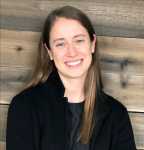
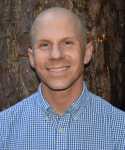 Dr. Crowley[/caption]
Matthew J. Crowley, MD
Core Investigator, Durham Center of Innovation to Accelerate Discovery and Practice Transformation (ADAPT)
Affiliated Investigator, VA Office of Rural Health
Staff Physician, Endocrinology Section, Durham VA Health Care System
[caption id="attachment_54583" align="alignleft" width="144"] Elizabeth Kobe[/caption]
Elizabeth Kobe, BS
Medical Student
Durham VA Health Care System
Duke University School of Medicine
MedicalResearch.com: What is the background for this study? With whom were the telehealth sessions performed? (MDs, PAs, Dieticians etc).
Response: Diabetes management in rural populations is especially challenging due to limited access to specialty care and self-management programs. Telehealth is a potential strategy for extending high-quality diabetes care to rural areas. The Veterans Health Administration (VHA) has a robust Home Telehealth (HT) system that is currently used for telemonitoring patient blood glucose values. In order to address the challenges of managing diabetes in rural areas in a clinically feasible manner, we strategically designed an intensive diabetes management intervention – Advanced Comprehensive Diabetes Care (ACDC) – for delivery using existing VHA HT infrastructure and clinical staffing. ACDC is a 6-month telehealth intervention that combines telemonitoring with module-based self-management support and medication management.
ACDC is delivered entirely by existing clinical staff (a clinical HT nurse and a medication manager (typically a PharmD)) through bimonthly, 30-minute calls. Our initial randomized controlled trial found that ACDC improved HbA1c by a clinically and statistically significant -1.0% relative to usual care at 6 months, while also improving blood pressure and diabetes self-care.
Our goal with the present work was to improve diabetes care in clinical practice for rural Veterans whose type 2 diabetes remained uncontrolled despite receiving available services. To this end, we partnered with the VA Office of Rural Health to implement ACDC into VA sites across the country with large rural populations.
Dr. Crowley[/caption]
Matthew J. Crowley, MD
Core Investigator, Durham Center of Innovation to Accelerate Discovery and Practice Transformation (ADAPT)
Affiliated Investigator, VA Office of Rural Health
Staff Physician, Endocrinology Section, Durham VA Health Care System
[caption id="attachment_54583" align="alignleft" width="144"] Elizabeth Kobe[/caption]
Elizabeth Kobe, BS
Medical Student
Durham VA Health Care System
Duke University School of Medicine
MedicalResearch.com: What is the background for this study? With whom were the telehealth sessions performed? (MDs, PAs, Dieticians etc).
Response: Diabetes management in rural populations is especially challenging due to limited access to specialty care and self-management programs. Telehealth is a potential strategy for extending high-quality diabetes care to rural areas. The Veterans Health Administration (VHA) has a robust Home Telehealth (HT) system that is currently used for telemonitoring patient blood glucose values. In order to address the challenges of managing diabetes in rural areas in a clinically feasible manner, we strategically designed an intensive diabetes management intervention – Advanced Comprehensive Diabetes Care (ACDC) – for delivery using existing VHA HT infrastructure and clinical staffing. ACDC is a 6-month telehealth intervention that combines telemonitoring with module-based self-management support and medication management.
ACDC is delivered entirely by existing clinical staff (a clinical HT nurse and a medication manager (typically a PharmD)) through bimonthly, 30-minute calls. Our initial randomized controlled trial found that ACDC improved HbA1c by a clinically and statistically significant -1.0% relative to usual care at 6 months, while also improving blood pressure and diabetes self-care.
Our goal with the present work was to improve diabetes care in clinical practice for rural Veterans whose type 2 diabetes remained uncontrolled despite receiving available services. To this end, we partnered with the VA Office of Rural Health to implement ACDC into VA sites across the country with large rural populations.
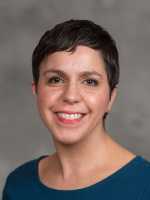
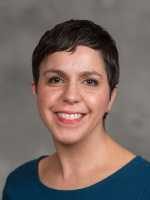 Dr Martinez[/caption]
Dr. Kathryn A. Martinez PhD MPH
CanSORT Cancer Surveillance and Outcomes Research Team
Cleveland Clinic
MedicalResearch.com: What is the background for this study? What are the main findings?
Response: Most upper respiratory infections are viral and therefore should not be treated with antibiotics. Despite this, physicians commonly prescribe them for these conditions. Patients often expect antibiotics for respiratory tract infections. As a result, physicians may find it easier to give patients what they want rather than explain to them why antibiotics aren’t needed.
We hypothesized it also might be more time consuming for physicians to explain to patients why they don’t need antibiotics, which creates a further incentive to prescribe them. To explore this potential phenomenon, we used data from a large direct to consumer telemedicine system to assess differences in medical encounter length by prescription outcome for patients diagnosed with respiratory tract infections.
We found that encounters resulting in antibiotics were 0.33 minutes shorter than those that resulted in no prescriptions, supporting our hypothesis that prescribing an antibiotic takes less time than prescribing nothing.
Dr Martinez[/caption]
Dr. Kathryn A. Martinez PhD MPH
CanSORT Cancer Surveillance and Outcomes Research Team
Cleveland Clinic
MedicalResearch.com: What is the background for this study? What are the main findings?
Response: Most upper respiratory infections are viral and therefore should not be treated with antibiotics. Despite this, physicians commonly prescribe them for these conditions. Patients often expect antibiotics for respiratory tract infections. As a result, physicians may find it easier to give patients what they want rather than explain to them why antibiotics aren’t needed.
We hypothesized it also might be more time consuming for physicians to explain to patients why they don’t need antibiotics, which creates a further incentive to prescribe them. To explore this potential phenomenon, we used data from a large direct to consumer telemedicine system to assess differences in medical encounter length by prescription outcome for patients diagnosed with respiratory tract infections.
We found that encounters resulting in antibiotics were 0.33 minutes shorter than those that resulted in no prescriptions, supporting our hypothesis that prescribing an antibiotic takes less time than prescribing nothing.
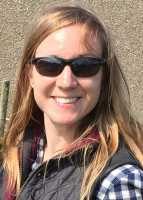 Abigail R.A. Aiken, MD, MPH, PhD
Assistant Professor
LBJ School of Public Affairs
Faculty Associate
Population Research Center
University of Texas at Austin
Austin, TX, 78713
MedicalResearch.com: What is the background for this study? What are the main findings?
Response: We've known for some time that women in Ireland and Northern Ireland self-source their own abortions using online telemedicine. In fact, this model has revolutionized abortion access for Irish women. Yet very little was previously known about the outcomes of those abortions. How safe and effective are they? We wanted to address that knowledge gap with this study.
What this research shows is that self-sourced medication abortion, conducted entirely outside the formal healthcare setting, can have high rates of effectiveness and low rates of adverse outcomes. Women can successfully manage their own abortions and recognize the symptoms of potential complications. Among the small number who experienced such a symptom, virtually all sought in-person medical attention as advised.
Abigail R.A. Aiken, MD, MPH, PhD
Assistant Professor
LBJ School of Public Affairs
Faculty Associate
Population Research Center
University of Texas at Austin
Austin, TX, 78713
MedicalResearch.com: What is the background for this study? What are the main findings?
Response: We've known for some time that women in Ireland and Northern Ireland self-source their own abortions using online telemedicine. In fact, this model has revolutionized abortion access for Irish women. Yet very little was previously known about the outcomes of those abortions. How safe and effective are they? We wanted to address that knowledge gap with this study.
What this research shows is that self-sourced medication abortion, conducted entirely outside the formal healthcare setting, can have high rates of effectiveness and low rates of adverse outcomes. Women can successfully manage their own abortions and recognize the symptoms of potential complications. Among the small number who experienced such a symptom, virtually all sought in-person medical attention as advised.
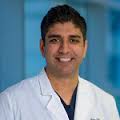 Dr. Rajiv Nijhawan[/caption]
Rajiv Nijhawan MD
Department of Dermatology
The University of Texas Southwestern Medical Center
Dallas
MedicalResearch.com: What is the background for this study? What are the main findings?
Response: From a healthcare perspective, we are constantly working to improve access to patients, and telemedicine has proved to be an excellent platform for this goal especially in the field of dermatology. In regards to surgical dermatology, the role of telemedicine has been limited. The ubiquity of smartphones with photograph capability has provided an opportunity for patients to take self-acquired photographs (selfies) easily. Our experience has been that few patients who call with post-operative concerns have major issues (e.g. infection, bleeding, etc.) while the majority of concerns are minor in nature, and patients are often seeking reassurance.
Our study shows that the majority of concerns can easily be triaged and managed through patient-directed photography without burdening the patient to take time off work for another appointment, find transportation/travel (many of our patients travel hours for their visits), wait to see the provider, etc. This option of triaging a post-operative concern essentially immediately through the use of patient-directed photographs provides the opportunity for immediate feedback on the patient’s concerns and likely reduces anxiety while making the process as patient-centered as possible. In addition, it allows the physician to be as efficient as possible by not having to overbook his/her schedule to accommodate these often non-urgent concerns.
Dr. Rajiv Nijhawan[/caption]
Rajiv Nijhawan MD
Department of Dermatology
The University of Texas Southwestern Medical Center
Dallas
MedicalResearch.com: What is the background for this study? What are the main findings?
Response: From a healthcare perspective, we are constantly working to improve access to patients, and telemedicine has proved to be an excellent platform for this goal especially in the field of dermatology. In regards to surgical dermatology, the role of telemedicine has been limited. The ubiquity of smartphones with photograph capability has provided an opportunity for patients to take self-acquired photographs (selfies) easily. Our experience has been that few patients who call with post-operative concerns have major issues (e.g. infection, bleeding, etc.) while the majority of concerns are minor in nature, and patients are often seeking reassurance.
Our study shows that the majority of concerns can easily be triaged and managed through patient-directed photography without burdening the patient to take time off work for another appointment, find transportation/travel (many of our patients travel hours for their visits), wait to see the provider, etc. This option of triaging a post-operative concern essentially immediately through the use of patient-directed photographs provides the opportunity for immediate feedback on the patient’s concerns and likely reduces anxiety while making the process as patient-centered as possible. In addition, it allows the physician to be as efficient as possible by not having to overbook his/her schedule to accommodate these often non-urgent concerns.
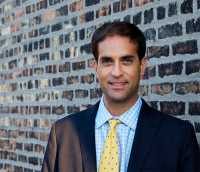 Dr. Dror Ben Zeev[/caption]
Dror Ben Zeev, PhD
Associate Professor of Psychiatry
Director, mHealth for Mental Health Program
Dartmouth College
Hanover, NH
MedicalResearch.com: What is the background for this study?
Response: We deployed a mobile phone intervention called FOCUS as part of a larger multi-component effort called Improving Care Reducing Costs (ICRC).
ICRC was the first technology-aided relapse prevention program of its kind for people with schizophrenia; a very exciting multi-state project funded by the Center for Medicare and Medicaid Innovation (CMMI) led by Dr. John Kane at the Zucker Hillside Hospital and a team of researchers from multiple institutions. Several other technological interventions were used in concert with mHealth, including a web intervention called Coping with Voices Developed by Dr. Jen Gottlieb and a Daily Support Website developed by Dr. Armando Rotondi. A truly multi-disciplinary effort designed to help prevent re-hospitalization in people with psychosis who were recently discharged from the hospital; this is a group that is at very high risk for relapse.
Dr. Dror Ben Zeev[/caption]
Dror Ben Zeev, PhD
Associate Professor of Psychiatry
Director, mHealth for Mental Health Program
Dartmouth College
Hanover, NH
MedicalResearch.com: What is the background for this study?
Response: We deployed a mobile phone intervention called FOCUS as part of a larger multi-component effort called Improving Care Reducing Costs (ICRC).
ICRC was the first technology-aided relapse prevention program of its kind for people with schizophrenia; a very exciting multi-state project funded by the Center for Medicare and Medicaid Innovation (CMMI) led by Dr. John Kane at the Zucker Hillside Hospital and a team of researchers from multiple institutions. Several other technological interventions were used in concert with mHealth, including a web intervention called Coping with Voices Developed by Dr. Jen Gottlieb and a Daily Support Website developed by Dr. Armando Rotondi. A truly multi-disciplinary effort designed to help prevent re-hospitalization in people with psychosis who were recently discharged from the hospital; this is a group that is at very high risk for relapse.
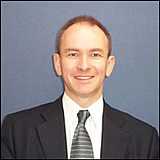 Brian McKinstry MD
Professor of primary care e-health and General practitioner
MacKenzie Medical Centre
Edinburgh
MedicalResearch.com: What is the background for this study?
Response: The prevalence of diabetes is rising as the population ages and becomes more obese. Clinical services are increasingly stretched, so much so that it will be difficult for doctors and nurses to continue to look after patients using the same service delivery they have used in the past. Increasingly patients are being asked to self-manage long-term illnesses, but particularly with type 2 diabetes they find this stressful. One solution is to encourage self-management but with monitoring at a distance through telehealth.
We performed a randomised controlled trial in family practices in four regions of the United Kingdom among 321 people with type 2 diabetes and glycated haemoglobin (HbA1c) ( a measure of control over the previous three months) >58 mmol/mol. The supported telemonitoring intervention involved self-measurement and transmission to a secure website of twice weekly morning and evening glucose for review by family practice clinicians. The control group received usual care, with at least annual review and more frequent reviews for people with poor glycaemic or blood pressure control in the context of incentives in family practice based on a sliding scale of financial rewards for achieving glycaemic and blood pressure control targets. HbA1c assessed at nine months was the primary outcome. Intention-to-treat analyses were performed.
Brian McKinstry MD
Professor of primary care e-health and General practitioner
MacKenzie Medical Centre
Edinburgh
MedicalResearch.com: What is the background for this study?
Response: The prevalence of diabetes is rising as the population ages and becomes more obese. Clinical services are increasingly stretched, so much so that it will be difficult for doctors and nurses to continue to look after patients using the same service delivery they have used in the past. Increasingly patients are being asked to self-manage long-term illnesses, but particularly with type 2 diabetes they find this stressful. One solution is to encourage self-management but with monitoring at a distance through telehealth.
We performed a randomised controlled trial in family practices in four regions of the United Kingdom among 321 people with type 2 diabetes and glycated haemoglobin (HbA1c) ( a measure of control over the previous three months) >58 mmol/mol. The supported telemonitoring intervention involved self-measurement and transmission to a secure website of twice weekly morning and evening glucose for review by family practice clinicians. The control group received usual care, with at least annual review and more frequent reviews for people with poor glycaemic or blood pressure control in the context of incentives in family practice based on a sliding scale of financial rewards for achieving glycaemic and blood pressure control targets. HbA1c assessed at nine months was the primary outcome. Intention-to-treat analyses were performed.
 Dr. Mima Becevic[/caption]
Mirna Becevic, PhD, MHA
Assistant Research Professor
University of Missouri - Department of Dermatology
Missouri Telehealth Network
MedicalResearch.com: What is the background for this study?
Response: Psychiatry is, by far, the biggest utilizer of telemedicine services on the Missouri Telehealth Network (MTN). MTN supports an average of 4000 tele-psychiatry appointments every month, and 10% of those are provided by the University of Missouri Department of Psychiatry. Since we are all aware of the ever-increasing demand for child and adolescent psychiatry, but also the stigma that goes along with it, we wanted to examine more closely the actual usage of those services at the University of Missouri.
Dr. Mima Becevic[/caption]
Mirna Becevic, PhD, MHA
Assistant Research Professor
University of Missouri - Department of Dermatology
Missouri Telehealth Network
MedicalResearch.com: What is the background for this study?
Response: Psychiatry is, by far, the biggest utilizer of telemedicine services on the Missouri Telehealth Network (MTN). MTN supports an average of 4000 tele-psychiatry appointments every month, and 10% of those are provided by the University of Missouri Department of Psychiatry. Since we are all aware of the ever-increasing demand for child and adolescent psychiatry, but also the stigma that goes along with it, we wanted to examine more closely the actual usage of those services at the University of Missouri.
 Dr. Susan McCurry[/caption]
Dr. Susan McCurry
Principal Investigator
Clinical psychologist and research professor
School of Nursing
University of Washington
MedicalResearch.com: What is the background for this study?
Dr. McCurry: Every woman goes through menopause. Most women experience nighttime hot flashes/sweats and problems sleeping at some point during the menopause transition. Poor sleep leads to daytime fatigue, negative mood, and reduced daytime productivity. When sleep problems become chronic – as they often do – there are also a host of negative physical consequences including increased risk for weight gain, diabetes, and cardiovascular disease. Many women do not want to use sleeping medications or hormonal therapies to treat their sleep problems because of concerns about side effect risks. For these reasons, having effective non-pharmacological options to offer them is important.
Dr. Susan McCurry[/caption]
Dr. Susan McCurry
Principal Investigator
Clinical psychologist and research professor
School of Nursing
University of Washington
MedicalResearch.com: What is the background for this study?
Dr. McCurry: Every woman goes through menopause. Most women experience nighttime hot flashes/sweats and problems sleeping at some point during the menopause transition. Poor sleep leads to daytime fatigue, negative mood, and reduced daytime productivity. When sleep problems become chronic – as they often do – there are also a host of negative physical consequences including increased risk for weight gain, diabetes, and cardiovascular disease. Many women do not want to use sleeping medications or hormonal therapies to treat their sleep problems because of concerns about side effect risks. For these reasons, having effective non-pharmacological options to offer them is important.
 Dr. Jack Resneck[/caption]
Jack Resneck, Jr, MD
Professor and Vice-Chair of Dermatology
Core Faculty, Philip R. Lee Institute for Health Policy Studies
UCSF School of Medicine
MedicalResearch.com: What is the background for this study?
What are the main findings?
Dr. Resneck: Telemedicine, when done right, can improve access and offer convenience to patients. We have seen proven high-quality care in telemedicine services where patients are using digital platforms to communicate with their existing doctors who know them, and where doctors are getting teleconsultations from other specialists about their patients. But our study shows major quality problems with the rapidly growing corporate direct-to-consumer services where patients send consults via the web or phone apps to clinicians they don’t know.
Most of these sites aren’t giving patients a choice of the clinician who will care for them or disclosing the credentials of those clinicians – patients should know whether their rash is being cared for by a board-certified dermatologist, a pain management specialist, or a nurse practitioner who usually works in an emergency department. Some of these sites are even using doctors who aren’t licensed in the US. We also found that these sites were regularly missing important diagnoses, and prescribing medications without discussing risks and side-effects, putting patients at risk. We observed that if you upload photos of a highly contagious syphilis rash but state that you think you have psoriasis, most clinicians working for these direct-to-consumer sites will just agree with your self-diagnosis and prescribe psoriasis medications, leaving you with a contagious STD.
Perhaps the biggest problem with many of these sites is the lack of coordinating care for patients – most of them didn’t offer to send records to a patient’s existing local doctors. And when patients end up needing in-person care if their condition worsens, or they have a medication side-effect, those distant clinicians often don’t have local contacts, and are unable to facilitate needed appointments.
Dr. Jack Resneck[/caption]
Jack Resneck, Jr, MD
Professor and Vice-Chair of Dermatology
Core Faculty, Philip R. Lee Institute for Health Policy Studies
UCSF School of Medicine
MedicalResearch.com: What is the background for this study?
What are the main findings?
Dr. Resneck: Telemedicine, when done right, can improve access and offer convenience to patients. We have seen proven high-quality care in telemedicine services where patients are using digital platforms to communicate with their existing doctors who know them, and where doctors are getting teleconsultations from other specialists about their patients. But our study shows major quality problems with the rapidly growing corporate direct-to-consumer services where patients send consults via the web or phone apps to clinicians they don’t know.
Most of these sites aren’t giving patients a choice of the clinician who will care for them or disclosing the credentials of those clinicians – patients should know whether their rash is being cared for by a board-certified dermatologist, a pain management specialist, or a nurse practitioner who usually works in an emergency department. Some of these sites are even using doctors who aren’t licensed in the US. We also found that these sites were regularly missing important diagnoses, and prescribing medications without discussing risks and side-effects, putting patients at risk. We observed that if you upload photos of a highly contagious syphilis rash but state that you think you have psoriasis, most clinicians working for these direct-to-consumer sites will just agree with your self-diagnosis and prescribe psoriasis medications, leaving you with a contagious STD.
Perhaps the biggest problem with many of these sites is the lack of coordinating care for patients – most of them didn’t offer to send records to a patient’s existing local doctors. And when patients end up needing in-person care if their condition worsens, or they have a medication side-effect, those distant clinicians often don’t have local contacts, and are unable to facilitate needed appointments.
 Dr. Uscher-Pines[/caption]
Lori Uscher-Pines, PhD
RAND Corporation
Arlington, Virginia
MedicalResearch.com: What is the background for this study? What are the main findings?
Response: Although many communities in the U.S. are underserved by dermatologists, access is particularly limited among Medicaid patients. Teledermatology may be one solution to improve access. Our goal with this study was to assess the effect of a novel teledermatology initiative on access to dermatologists among enrollees in a Medicaid Managed Care Plan in California’s Central Valley.
Among all patients who visited a dermatologist after the introduction of teledermatology from 2012-2014 (n=8614), 49% received care via teledermatology. Among patients newly enrolled in Medicaid following Medicaid expansion in 2014, 76% of those who visited a dermatologist received care via teledermatology. Patients of primary care practices that engaged in teledermatology had a 64% increase in the fraction of patients visiting a dermatologist (vs. 21% in other practices) (p<.01). Compared with in-person dermatology, teledermatology served more patients under age 17, male patients, nonwhite patients, and patients without comorbid conditions. Conditions managed across settings varied; teledermatology physicians were more likely to care for viral skin lesions and acne whereas in-person dermatologists were more likely to care for psoriasis and skin neoplasms.
Dr. Uscher-Pines[/caption]
Lori Uscher-Pines, PhD
RAND Corporation
Arlington, Virginia
MedicalResearch.com: What is the background for this study? What are the main findings?
Response: Although many communities in the U.S. are underserved by dermatologists, access is particularly limited among Medicaid patients. Teledermatology may be one solution to improve access. Our goal with this study was to assess the effect of a novel teledermatology initiative on access to dermatologists among enrollees in a Medicaid Managed Care Plan in California’s Central Valley.
Among all patients who visited a dermatologist after the introduction of teledermatology from 2012-2014 (n=8614), 49% received care via teledermatology. Among patients newly enrolled in Medicaid following Medicaid expansion in 2014, 76% of those who visited a dermatologist received care via teledermatology. Patients of primary care practices that engaged in teledermatology had a 64% increase in the fraction of patients visiting a dermatologist (vs. 21% in other practices) (p<.01). Compared with in-person dermatology, teledermatology served more patients under age 17, male patients, nonwhite patients, and patients without comorbid conditions. Conditions managed across settings varied; teledermatology physicians were more likely to care for viral skin lesions and acne whereas in-person dermatologists were more likely to care for psoriasis and skin neoplasms.
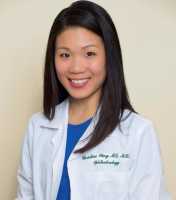 Dr. Christina Weng[/caption]
MedicalResearch.com Interview with:
Christina Y. Weng, MD, MBA
Assistant Professor-Vitreoretinal Diseases & Surgery
Baylor College of Medicine-Cullen Eye Institute
Medical Research: What is the background for this study? What are the main findings?
Dr. Weng: Telemedicine has been around for a long time, but only recently have technological advances solidified its utility as a reliable, effective, and cost-efficient method of healthcare provision. The application of telemedicine in the field of ophthalmology has been propelled by the development of high-quality non-mydriatic cameras, HIPAA-compliant servers for the storage and transfer of patient data, and the growing demand for ophthalmological care despite the relatively stagnant supply of eye care specialists. The global epidemic of diabetes mellitus has contributed significantly to this growing demand, as the majority of patients with diabetes will develop diabetic retinopathy in their lifetime.
Today, there are over 29 million Americans with diabetes, and diabetic retinopathy is the leading cause of blindness in working age adults in the United States. The American Academy of Ophthalmology’s and American Diabetes Association’s formal screening guidelines recommend that all diabetic patients receive an annual dilated funduscopic examination. Unfortunately, the compliance rate with this recommendation is quite dismal at an estimated 50-65%. It is even lower amongst minority populations which comprise the demographic majority of those served by the Harris Health System in Harris County, Texas, the third most populous county in the United States.
In 2013, the Harris Health System initiated a teleretinal screening program housed by eight of the district’s primary care clinics. In this system, patients with diabetes are identified by their primary care provider (PCP) during their appointments, immediately directed to receive funduscopic photographs by trained on-site personnel operating non-mydriatic cameras, and provided a follow-up recommendation (e.g., referral for in-clinic examination versus repeat imaging in 1 year) depending on the interpretation of their images. The images included in our study were interpreted via two different ways—once by the IRISTM (Intelligent Retinal Imaging Systems) proprietary auto-reader and then again by a trained ophthalmic specialist from the IRISTM reading center. The primary aim of this study was to evaluate the utility of the auto-reader by comparing its results to those of the reading center.
Data for 15,015 screened diabetic patients (30,030 eyes) were included. The sensitivity of the auto-reader in detecting severe non-proliferative diabetic retinopathy or worse, deemed sight threatening diabetic eye disease (STDED), compared to the reading center interpretation of the same images was 66.4% (95% confidence interval [CI] 62.8% - 69.9%) with a false negative rate of 2%. In a population where 15.8% of diabetics have STDED, the negative predictive value of the auto-reader was 97.8% (CI 96.8% - 98.6%).
Dr. Christina Weng[/caption]
MedicalResearch.com Interview with:
Christina Y. Weng, MD, MBA
Assistant Professor-Vitreoretinal Diseases & Surgery
Baylor College of Medicine-Cullen Eye Institute
Medical Research: What is the background for this study? What are the main findings?
Dr. Weng: Telemedicine has been around for a long time, but only recently have technological advances solidified its utility as a reliable, effective, and cost-efficient method of healthcare provision. The application of telemedicine in the field of ophthalmology has been propelled by the development of high-quality non-mydriatic cameras, HIPAA-compliant servers for the storage and transfer of patient data, and the growing demand for ophthalmological care despite the relatively stagnant supply of eye care specialists. The global epidemic of diabetes mellitus has contributed significantly to this growing demand, as the majority of patients with diabetes will develop diabetic retinopathy in their lifetime.
Today, there are over 29 million Americans with diabetes, and diabetic retinopathy is the leading cause of blindness in working age adults in the United States. The American Academy of Ophthalmology’s and American Diabetes Association’s formal screening guidelines recommend that all diabetic patients receive an annual dilated funduscopic examination. Unfortunately, the compliance rate with this recommendation is quite dismal at an estimated 50-65%. It is even lower amongst minority populations which comprise the demographic majority of those served by the Harris Health System in Harris County, Texas, the third most populous county in the United States.
In 2013, the Harris Health System initiated a teleretinal screening program housed by eight of the district’s primary care clinics. In this system, patients with diabetes are identified by their primary care provider (PCP) during their appointments, immediately directed to receive funduscopic photographs by trained on-site personnel operating non-mydriatic cameras, and provided a follow-up recommendation (e.g., referral for in-clinic examination versus repeat imaging in 1 year) depending on the interpretation of their images. The images included in our study were interpreted via two different ways—once by the IRISTM (Intelligent Retinal Imaging Systems) proprietary auto-reader and then again by a trained ophthalmic specialist from the IRISTM reading center. The primary aim of this study was to evaluate the utility of the auto-reader by comparing its results to those of the reading center.
Data for 15,015 screened diabetic patients (30,030 eyes) were included. The sensitivity of the auto-reader in detecting severe non-proliferative diabetic retinopathy or worse, deemed sight threatening diabetic eye disease (STDED), compared to the reading center interpretation of the same images was 66.4% (95% confidence interval [CI] 62.8% - 69.9%) with a false negative rate of 2%. In a population where 15.8% of diabetics have STDED, the negative predictive value of the auto-reader was 97.8% (CI 96.8% - 98.6%).
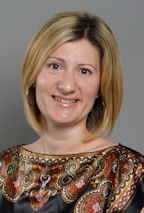 Dr. Becevic[/caption]
MedicalResearch.com Interview with:
Mirna Becevic, PhD, MHA
Assistant Research Professor of Telemedicine
University of Missouri - Department of Dermatology
Missouri Telehealth Network
Medical Research: What is the background for this study? What are the main findings?
Dr. Becevic: The Missouri Telehealth Network (MTN) at the University of Missouri has been providing outpatient clinical services to rural Missourians since 1995. Over 29 specialties and subspecialties have been utilized to assist patients in 69 counties. We have learned a lot along the way, what works well and what does not, in terms of telehealth protocols, trainings, best practices, etc.
The MTN holds bi-annual two day training conference for new sites to share these experiences and provide hands-on training in telemedicine. Our main goal with this study was to reach all telehealth users on the Missouri Telehealth Network (patients, providers, and telehealth coordinators-patient presenters) and learn about their perceptions of and opinions regarding this form of health care delivery. We also wanted to evaluate the overall accessibility and discernment of the MTN by telehealth coordinators, since we felt that they might need to have continuous support in order to successfully manage their telehealth programs.
Our main findings indicated that all three surveyed groups had high satisfaction with telemedicine. Patients were confident in their doctors’ medical skills, and lack of physical contact was not viewed as a barrier. Telehealth providers thought telehealth was an effective tool for providing care at a distance, but indicated that they did not prefer telehealth over in-person visits.
Dr. Becevic[/caption]
MedicalResearch.com Interview with:
Mirna Becevic, PhD, MHA
Assistant Research Professor of Telemedicine
University of Missouri - Department of Dermatology
Missouri Telehealth Network
Medical Research: What is the background for this study? What are the main findings?
Dr. Becevic: The Missouri Telehealth Network (MTN) at the University of Missouri has been providing outpatient clinical services to rural Missourians since 1995. Over 29 specialties and subspecialties have been utilized to assist patients in 69 counties. We have learned a lot along the way, what works well and what does not, in terms of telehealth protocols, trainings, best practices, etc.
The MTN holds bi-annual two day training conference for new sites to share these experiences and provide hands-on training in telemedicine. Our main goal with this study was to reach all telehealth users on the Missouri Telehealth Network (patients, providers, and telehealth coordinators-patient presenters) and learn about their perceptions of and opinions regarding this form of health care delivery. We also wanted to evaluate the overall accessibility and discernment of the MTN by telehealth coordinators, since we felt that they might need to have continuous support in order to successfully manage their telehealth programs.
Our main findings indicated that all three surveyed groups had high satisfaction with telemedicine. Patients were confident in their doctors’ medical skills, and lack of physical contact was not viewed as a barrier. Telehealth providers thought telehealth was an effective tool for providing care at a distance, but indicated that they did not prefer telehealth over in-person visits.
 Dr. Ken Uchino[/caption]
MedicalResearch.com Interview with:
Ken Uchino, MD FAHA FANA
Director, Vascular Neurology Fellowship
Research Director, Cerebrovascular Center, Cleveland Clinic
Associate Professor of Medicine (Neurology)
Cleveland Clinic
Lerner College of Medicine of CWRU
Cleveland, OH 44195
Medical Research: What is the background for this study? What are the main findings?
Dr. Uchino: Treatment for acute ischemic stroke is time dependent. Multiple studies have reported strategies to improve time to treatment after arrival in the hospital. Mimicking pre-hospital thrombolysis of acute myocardial infarction pioneered 30 years ago, two groups in Germany have implemented pre-hospital ischemic stroke thrombolysis using mobile stroke unit (“stroke ambulance”) that includes CT scan and laboratory capabilities. These units have been demonstrated to provide stroke treatment earlier than bringing patients to the emergency departments.
Our report extends the concept mobile stroke unit further by using telemedicine for remote physician presence. The other mobile stroke units were designed to have at least one physician on board. This allows potential multiple or geographically distant units to be supported by stroke specialists.
The study demonstrates that after patient arrival in the ambulance, the time to evaluation (CT scanning and blood testing) and to thrombolytic treatment is as quick or better as patient arrival in emergency department door. We are reporting the overall time efficiency after emergency medical service notification (911 call) in a separate paper.
Dr. Ken Uchino[/caption]
MedicalResearch.com Interview with:
Ken Uchino, MD FAHA FANA
Director, Vascular Neurology Fellowship
Research Director, Cerebrovascular Center, Cleveland Clinic
Associate Professor of Medicine (Neurology)
Cleveland Clinic
Lerner College of Medicine of CWRU
Cleveland, OH 44195
Medical Research: What is the background for this study? What are the main findings?
Dr. Uchino: Treatment for acute ischemic stroke is time dependent. Multiple studies have reported strategies to improve time to treatment after arrival in the hospital. Mimicking pre-hospital thrombolysis of acute myocardial infarction pioneered 30 years ago, two groups in Germany have implemented pre-hospital ischemic stroke thrombolysis using mobile stroke unit (“stroke ambulance”) that includes CT scan and laboratory capabilities. These units have been demonstrated to provide stroke treatment earlier than bringing patients to the emergency departments.
Our report extends the concept mobile stroke unit further by using telemedicine for remote physician presence. The other mobile stroke units were designed to have at least one physician on board. This allows potential multiple or geographically distant units to be supported by stroke specialists.
The study demonstrates that after patient arrival in the ambulance, the time to evaluation (CT scanning and blood testing) and to thrombolytic treatment is as quick or better as patient arrival in emergency department door. We are reporting the overall time efficiency after emergency medical service notification (911 call) in a separate paper.
 MedicalResearch.com Interview with:
Dr. Rashid Bashshur PhD
Director of Telemedicine
University of Michigan Health System
Emeritus Professor of Health Management and Policy
University of Michigan, School of Public Health
Medical Research: What is the background for this study? What are the main findings?
Dr. Bashshur: The impetus for this research derives from the confluence of several factors, including the increasing incidence and prevalence of chronic diseases, their associated morbidity and mortality and their high cost. The search for solutions has taken center stage in health policy. Patients must be engaged in in managing their health and health care, and they must assume greater responsibility for adopting and maintaining a healthy life style to reduce their dependence on the health system and to help themselves in maintaining an optimal level of health. The telemedicine intervention promises to address all these issues and concerns, while also providing ongoing monitoring and guidance for patients who suffer from serious chronic illness.
The preponderance of the evidence from robust scientific studies points to the beneficial effects of the telemedicine intervention (through telemonitoring and patient engagement) in terms of reduction in use of service (including hospital admissions/readmissions, length of hospital stay, and emergency department visits) as well as improved health outcomes. The single exception was reported in a study among frail elderly patients with co-morbidities who did not benefit from the telemedicine intervention.
There is an ever-growing and complex body of empirical evidence that attests to the potential of telemedicine for addressing the triad problems of limited access to care, uneven distribution of quality across communities, and cost inflation. Research demonstrates the effectiveness of the telemedicine intervention in addressing all three problems, especially when patients are engaged in managing their personal health and healthcare. The enabling technology can be used to promote healthy life styles, informed decision making, and prudent use of health resources.
Unintended consequences of delaying mortality for older adults may also increase the use of resources, especially in the long run, and society must decide on the ultimate values it chooses to promote.
MedicalResearch.com Interview with:
Dr. Rashid Bashshur PhD
Director of Telemedicine
University of Michigan Health System
Emeritus Professor of Health Management and Policy
University of Michigan, School of Public Health
Medical Research: What is the background for this study? What are the main findings?
Dr. Bashshur: The impetus for this research derives from the confluence of several factors, including the increasing incidence and prevalence of chronic diseases, their associated morbidity and mortality and their high cost. The search for solutions has taken center stage in health policy. Patients must be engaged in in managing their health and health care, and they must assume greater responsibility for adopting and maintaining a healthy life style to reduce their dependence on the health system and to help themselves in maintaining an optimal level of health. The telemedicine intervention promises to address all these issues and concerns, while also providing ongoing monitoring and guidance for patients who suffer from serious chronic illness.
The preponderance of the evidence from robust scientific studies points to the beneficial effects of the telemedicine intervention (through telemonitoring and patient engagement) in terms of reduction in use of service (including hospital admissions/readmissions, length of hospital stay, and emergency department visits) as well as improved health outcomes. The single exception was reported in a study among frail elderly patients with co-morbidities who did not benefit from the telemedicine intervention.
There is an ever-growing and complex body of empirical evidence that attests to the potential of telemedicine for addressing the triad problems of limited access to care, uneven distribution of quality across communities, and cost inflation. Research demonstrates the effectiveness of the telemedicine intervention in addressing all three problems, especially when patients are engaged in managing their personal health and healthcare. The enabling technology can be used to promote healthy life styles, informed decision making, and prudent use of health resources.
Unintended consequences of delaying mortality for older adults may also increase the use of resources, especially in the long run, and society must decide on the ultimate values it chooses to promote.
 MedicalResearch.com Interview with:
Rashid Bashshur, PhD
Senior Advisor for eHealth
Professor Emeritus, Department of Health Management and Policy
Executive Director, UMHS eHealth Center
University of Michigan Health System
Medical Research: What are the Main findings of the study?
Dr. Bashshur: The main findings can be summarized as follows:
MedicalResearch.com Interview with:
Rashid Bashshur, PhD
Senior Advisor for eHealth
Professor Emeritus, Department of Health Management and Policy
Executive Director, UMHS eHealth Center
University of Michigan Health System
Medical Research: What are the Main findings of the study?
Dr. Bashshur: The main findings can be summarized as follows:
 MedicalResearch.com Interview with:
Mary G. Lynch, MD
Professor of Ophthalmology
Atlanta Veterans Affairs Medical Center Decatur, Georgia.
Department of Ophthalmology, Emory University School of Medicine, Atlanta, Georgia
Medical Research: What are the main findings of the study?
Dr. Lynch:
MedicalResearch.com Interview with:
Mary G. Lynch, MD
Professor of Ophthalmology
Atlanta Veterans Affairs Medical Center Decatur, Georgia.
Department of Ophthalmology, Emory University School of Medicine, Atlanta, Georgia
Medical Research: What are the main findings of the study?
Dr. Lynch: