


 Dr. Jonathan Silverberg[/caption]
Dr. Jonathan L. Silverberg MD PhD MPH
Assistant Professor in Dermatology
Medical Social Sciences and Preventive Medicine
Northwestern, Chicago, Illinois
MedicalResearch.com: What is the background for this study? What are the main findings?
Response: Atopic Dermatitis is characterized by chronic and often severe and debilitating itch, skin pain, sleep disturbances, skin lesions and multiple comorbid health conditions. The signs, symptoms and comorbidities of atopic dermatitis can lead to significant psychosocial distress and mental health burden
We performed a cross-sectional, population-based study of 2893 US adults. We found that adults with atopic dermatitis had more severe symptoms scores for anxiety and depression (Hospital Anxiety and Depression anxiety). Adults with atopic dermatitis also had higher prevalences of anxiety and depression. Mean symptom scores and prevalences of anxiety and depression were even higher in adults with moderate and severe atopic dermatitis compared to those with mild atopic dermatitis. All respondents with severe PO-SCORAD, POEM and PO-SCORAD-itch scores had elevated anxiety and depression scores.
Many adults with atopic dermatitis that had elevated anxiety and depression scores reported no diagnosis of anxiety or depression.
Dr. Jonathan Silverberg[/caption]
Dr. Jonathan L. Silverberg MD PhD MPH
Assistant Professor in Dermatology
Medical Social Sciences and Preventive Medicine
Northwestern, Chicago, Illinois
MedicalResearch.com: What is the background for this study? What are the main findings?
Response: Atopic Dermatitis is characterized by chronic and often severe and debilitating itch, skin pain, sleep disturbances, skin lesions and multiple comorbid health conditions. The signs, symptoms and comorbidities of atopic dermatitis can lead to significant psychosocial distress and mental health burden
We performed a cross-sectional, population-based study of 2893 US adults. We found that adults with atopic dermatitis had more severe symptoms scores for anxiety and depression (Hospital Anxiety and Depression anxiety). Adults with atopic dermatitis also had higher prevalences of anxiety and depression. Mean symptom scores and prevalences of anxiety and depression were even higher in adults with moderate and severe atopic dermatitis compared to those with mild atopic dermatitis. All respondents with severe PO-SCORAD, POEM and PO-SCORAD-itch scores had elevated anxiety and depression scores.
Many adults with atopic dermatitis that had elevated anxiety and depression scores reported no diagnosis of anxiety or depression.
 Dr. Ingunn Olea Lund[/caption]
Dr. Ingunn Olea Lund, PhD
The Norwegian Institute of Public Health
Oslo, Norway
MedicalResearch.com: What is the background for this study?
Response: There are significant amounts of research on children of parents with alcohol use disorders – where the children are shown to be at risk of several adverse outcomes, including mental disorders, substance use disorders, suicide, impaired school performance, and employment problems. There is very little previous research on how other, more normal levels of parental drinking may influence child outcomes, such as mental health. This is a grave oversight, as there are vastly more parents with normal drinking patterns than there are parents who suffer from an alcohol use disorder. This means that there are potentially a lot more cases of adverse effect for children, and the number of children at risk may be higher than previously assumed.
In addition to parents' alcohol use, several other risk factors in the family that may affect child mental health outcomes, such as parents' mental health and socio-economic status. Researchers have tended to look at these risk factors separately, but as these risks tend to co-occur, it may be more informative to consider them together.
To our knowledge, this is the first study that examines possible harm from normal levels of parental drinking, alone or in combination with other parental risk factors, on children’s anxiety and depression.
The sample consists of more than 8700 triads: children and both their parents. We combined information from three health registries with survey data where both adolescents and their parents provided information about health and social conditions. The health registers include information about the children 's actual contact with the health care system; we used information about whether children received diagnoses and/or treatment for anxiety and/or depression.
Dr. Ingunn Olea Lund[/caption]
Dr. Ingunn Olea Lund, PhD
The Norwegian Institute of Public Health
Oslo, Norway
MedicalResearch.com: What is the background for this study?
Response: There are significant amounts of research on children of parents with alcohol use disorders – where the children are shown to be at risk of several adverse outcomes, including mental disorders, substance use disorders, suicide, impaired school performance, and employment problems. There is very little previous research on how other, more normal levels of parental drinking may influence child outcomes, such as mental health. This is a grave oversight, as there are vastly more parents with normal drinking patterns than there are parents who suffer from an alcohol use disorder. This means that there are potentially a lot more cases of adverse effect for children, and the number of children at risk may be higher than previously assumed.
In addition to parents' alcohol use, several other risk factors in the family that may affect child mental health outcomes, such as parents' mental health and socio-economic status. Researchers have tended to look at these risk factors separately, but as these risks tend to co-occur, it may be more informative to consider them together.
To our knowledge, this is the first study that examines possible harm from normal levels of parental drinking, alone or in combination with other parental risk factors, on children’s anxiety and depression.
The sample consists of more than 8700 triads: children and both their parents. We combined information from three health registries with survey data where both adolescents and their parents provided information about health and social conditions. The health registers include information about the children 's actual contact with the health care system; we used information about whether children received diagnoses and/or treatment for anxiety and/or depression.

 Yutaka MATSUOKA, MD, PhD
Division Chief of Health Care Research,
Behavioral Sciences and Survivorship Research Group,
Center for Public Health Sciences,
National Cancer Center Japan
MedicalResearch.com: What is the background for this study? What are the main findings?
Response: Anxiety is the most commonly experienced psychiatric symptom. We have now two major treatment options that include cognitive-behavioral therapy (CBT) and pharmacotherapy. However, CBT is time-consuming, costly, and limited in availability. And there is concern over potential side effects in pharmacotherapy. Evidence-based and safer treatment options are required. Omega-3 fatty acids have potential preventive and therapeutic effects on depression and anxiety. Clinical and preclinical studies support the effectiveness of omega-3 fatty acids as a treatment for anxiety disorders. Despite the largely positive findings of these trials, the clinical application of the findings is unfortunately limited by their small sample size.
Improvement in anxiety symptoms were associated with omega-3 fatty acids treatment compared with controls. The anxiolytic effects of omega-3 fatty acids were also stronger in patients with clinical conditions than in subclinical populations.
Yutaka MATSUOKA, MD, PhD
Division Chief of Health Care Research,
Behavioral Sciences and Survivorship Research Group,
Center for Public Health Sciences,
National Cancer Center Japan
MedicalResearch.com: What is the background for this study? What are the main findings?
Response: Anxiety is the most commonly experienced psychiatric symptom. We have now two major treatment options that include cognitive-behavioral therapy (CBT) and pharmacotherapy. However, CBT is time-consuming, costly, and limited in availability. And there is concern over potential side effects in pharmacotherapy. Evidence-based and safer treatment options are required. Omega-3 fatty acids have potential preventive and therapeutic effects on depression and anxiety. Clinical and preclinical studies support the effectiveness of omega-3 fatty acids as a treatment for anxiety disorders. Despite the largely positive findings of these trials, the clinical application of the findings is unfortunately limited by their small sample size.
Improvement in anxiety symptoms were associated with omega-3 fatty acids treatment compared with controls. The anxiolytic effects of omega-3 fatty acids were also stronger in patients with clinical conditions than in subclinical populations.
 Dr. Rouquette[/caption]
Dr Alexandra Rouquette MD PhD
Center for Research in Epidemiology and Population...
French Institute of Health and Medical Research
Paris
MedicalResearch.com: What is the background for this study? What are the main findings?
Response: There is a growing number of clues in the literature that suggest that the onset of adult psychopathologic disorders can be traced back to behavioral or emotional symptoms observed in childhood or adolescence. Targeting early childhood symptoms might thus be effective in preventing future mental disorders. However, these interventions are challenging to implement because we lack knowledge on which specific childhood symptoms have predictive associations with adult psychopathologic disorders. In our study, we used a novel methodologic approach, the network perspective, in which symptoms are conceptualized as distinct entities that can causally influence each other, be self-reinforcing and are thus part of causal chains which can culminate in disorders.
We investigated longitudinally the network structure among a broad range of emotional and behavioral symptoms (symptoms of attention deficit, symptoms of hyperactivity, disruptive symptoms, internalizing symptoms, prosocial symptoms) collected in elementary school girls (6-10 years) included in the Quebec Longitudinal Study of Kindergarten Children. We showed that symptoms “irritable”, “blames others”, “not liked by other children”, “often cries”, and “solitary” retained a distinctive position in the network because most of the direct relationships between the disruptive and internalizing symptom clusters transited through them. These symptoms have been termed bridge symptoms in the network perspective, as they constitute pathways that can connect different disorders.
We then investigated the relationships between this emotional and behavioral symptoms network in childhood and the occurrence of anxiety disorders at age 15 and 22 years. Importantly, the bridge symptoms (particularly “not liked by other children” and “irritable”) exhibited the strongest relationships with future anxiety disorders.
Dr. Rouquette[/caption]
Dr Alexandra Rouquette MD PhD
Center for Research in Epidemiology and Population...
French Institute of Health and Medical Research
Paris
MedicalResearch.com: What is the background for this study? What are the main findings?
Response: There is a growing number of clues in the literature that suggest that the onset of adult psychopathologic disorders can be traced back to behavioral or emotional symptoms observed in childhood or adolescence. Targeting early childhood symptoms might thus be effective in preventing future mental disorders. However, these interventions are challenging to implement because we lack knowledge on which specific childhood symptoms have predictive associations with adult psychopathologic disorders. In our study, we used a novel methodologic approach, the network perspective, in which symptoms are conceptualized as distinct entities that can causally influence each other, be self-reinforcing and are thus part of causal chains which can culminate in disorders.
We investigated longitudinally the network structure among a broad range of emotional and behavioral symptoms (symptoms of attention deficit, symptoms of hyperactivity, disruptive symptoms, internalizing symptoms, prosocial symptoms) collected in elementary school girls (6-10 years) included in the Quebec Longitudinal Study of Kindergarten Children. We showed that symptoms “irritable”, “blames others”, “not liked by other children”, “often cries”, and “solitary” retained a distinctive position in the network because most of the direct relationships between the disruptive and internalizing symptom clusters transited through them. These symptoms have been termed bridge symptoms in the network perspective, as they constitute pathways that can connect different disorders.
We then investigated the relationships between this emotional and behavioral symptoms network in childhood and the occurrence of anxiety disorders at age 15 and 22 years. Importantly, the bridge symptoms (particularly “not liked by other children” and “irritable”) exhibited the strongest relationships with future anxiety disorders.
 Dr. Pearson[/caption]
Rebecca Pearson, PhD
Lecturer in Psychiatric Epidemiology
Centre for Academic Mental Health
School of Social & Community Medicine
University of Bristol
MedicalResearch.com: What is the background for this study? What are the main findings?
Response: We know depression and anxiety are common in young women and during pregnancy when there are also implications for the developing child.
It is therefore important to investigate whether symptoms are rising given the pressures of modern life.
We found that compared to their mothers generation in the 1990s young pregnancy women today are more likely to be depressed. This was driven largely by symptoms of anxiety and feeling overwhelmed rather than feeling down.
Dr. Pearson[/caption]
Rebecca Pearson, PhD
Lecturer in Psychiatric Epidemiology
Centre for Academic Mental Health
School of Social & Community Medicine
University of Bristol
MedicalResearch.com: What is the background for this study? What are the main findings?
Response: We know depression and anxiety are common in young women and during pregnancy when there are also implications for the developing child.
It is therefore important to investigate whether symptoms are rising given the pressures of modern life.
We found that compared to their mothers generation in the 1990s young pregnancy women today are more likely to be depressed. This was driven largely by symptoms of anxiety and feeling overwhelmed rather than feeling down.
 Daniel Reis[/caption]
Daniel Reis MA
Graduate Student
Clinical Psychology
University of Kansas
MedicalResearch.com: What is the background for this study? What are the main findings?
Probiotics have generated considerable interest as a possible treatment for numerous forms of physical and mental illness. Preliminary evidence from both preclinical and clinical studies suggest that probiotics may be able to reduce anxiety. Our goal was to comprehensively review and summarize existing preclinical and clinical studies.
Overall, probiotic administration reduced anxiety-like behaviors in rodents, but only in those with some form of experimentally-induced disease (such as early-life stress or socieal defeat). Probiotics did not reduce anxiety in humans.
Daniel Reis[/caption]
Daniel Reis MA
Graduate Student
Clinical Psychology
University of Kansas
MedicalResearch.com: What is the background for this study? What are the main findings?
Probiotics have generated considerable interest as a possible treatment for numerous forms of physical and mental illness. Preliminary evidence from both preclinical and clinical studies suggest that probiotics may be able to reduce anxiety. Our goal was to comprehensively review and summarize existing preclinical and clinical studies.
Overall, probiotic administration reduced anxiety-like behaviors in rodents, but only in those with some form of experimentally-induced disease (such as early-life stress or socieal defeat). Probiotics did not reduce anxiety in humans.
 Teja Grömer PD Dr. med. Habil
Facharzt für Psychiatrie und Psychotherapie
Lehrbefugter der Universität Erlangen-Nürnberg im Fach Psychiatrie
Bamberg
MedicalResearch.com: What is the background for this study?
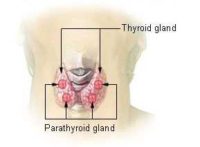
1) I had seen hundreds of clinical cases with combined depression and anxiety and noted end of 2015 that most (far more than 50%) from the subjective clinical impression were associated with autoimmune thyroiditis (AIT)
2) Autoimmune thyroiditis on the mental side leads to specific symptoms, exhaustion, tachycardia, restlessness.
3) I thus decided to do a systematic review and meta-analysis.
Teja Grömer PD Dr. med. Habil
Facharzt für Psychiatrie und Psychotherapie
Lehrbefugter der Universität Erlangen-Nürnberg im Fach Psychiatrie
Bamberg
MedicalResearch.com: What is the background for this study?
1) I had seen hundreds of clinical cases with combined depression and anxiety and noted end of 2015 that most (far more than 50%) from the subjective clinical impression were associated with autoimmune thyroiditis (AIT)
2) Autoimmune thyroiditis on the mental side leads to specific symptoms, exhaustion, tachycardia, restlessness.
3) I thus decided to do a systematic review and meta-analysis.
 Tamara Rosen[/caption]
Tamara Rosen
Graduate student in Clinical Psychology
Stony Brook University
MedicalResearch.com: What is the background for this study? What are the main findings?
Response: Approximately 40 percent of youth with autism spectrum disorder (ASD) are diagnosed with a co-occurring anxiety disorder. Social anxiety is a common presenting problem for these youth.
Youth with ASD and increased social anxiety have heightened threat sensitivity, particularly in relation to performance fears, as measured by a brain signal response called the error-related negativity (ERN), which measures response to errors. The threat sensitivity-performance fears association remained even after controlling for anxiety symptoms other than social fearfulness.
Tamara Rosen[/caption]
Tamara Rosen
Graduate student in Clinical Psychology
Stony Brook University
MedicalResearch.com: What is the background for this study? What are the main findings?
Response: Approximately 40 percent of youth with autism spectrum disorder (ASD) are diagnosed with a co-occurring anxiety disorder. Social anxiety is a common presenting problem for these youth.
Youth with ASD and increased social anxiety have heightened threat sensitivity, particularly in relation to performance fears, as measured by a brain signal response called the error-related negativity (ERN), which measures response to errors. The threat sensitivity-performance fears association remained even after controlling for anxiety symptoms other than social fearfulness.
 “Headache.” by Avenue G[/caption]
Fu-Chi Yang, M.D., Ph.D.Assistant Professor
Department of Neurology,
Tri-Service General Hospital
National Defense Medical Center
Taipei, Taiwan
MedicalResearch.com: What is the background for this study? What are the main findings?
Response: Migraineurs are likely to suffer from comorbid depression and anxiety. Furthermore, increased migraine frequency is associated with an increased risk of mood/anxiety disorders. It is not distinguished by grouping frequency of migraine attacks, whether it is associated with severity scores of depression and anxiety. Thus, we evaluated the relationship between severity of depression/anxiety and migraine frequency
We mainly found that the severity of depression (BDI and HADS-depression scores) and anxiety (HADS anxiety score) were related to migraine frequency, after adjusting confounding factors.
“Headache.” by Avenue G[/caption]
Fu-Chi Yang, M.D., Ph.D.Assistant Professor
Department of Neurology,
Tri-Service General Hospital
National Defense Medical Center
Taipei, Taiwan
MedicalResearch.com: What is the background for this study? What are the main findings?
Response: Migraineurs are likely to suffer from comorbid depression and anxiety. Furthermore, increased migraine frequency is associated with an increased risk of mood/anxiety disorders. It is not distinguished by grouping frequency of migraine attacks, whether it is associated with severity scores of depression and anxiety. Thus, we evaluated the relationship between severity of depression/anxiety and migraine frequency
We mainly found that the severity of depression (BDI and HADS-depression scores) and anxiety (HADS anxiety score) were related to migraine frequency, after adjusting confounding factors.
 Dr. Moreno-Peral[/caption]
Dr. Patricia Moreno-Peral, PhD
Research Unit, Primary Care District of Málaga-Guadalhorce
Prevention and Health Promotion Research Network
Institute of Biomedical Research in Málaga Málaga, Spain
MedicalResearch.com: What is the background for this study?
Response: No systematic reviews or meta-analyses have been performed on the effectiveness of preventive psychological and/or educational interventions for anxiety in varied populations. Previously, other systematic reviews have been focused on prevention efficacy in specific interventions (e.g. cognitive behavior interventions) or age groups (e.g. adolescents).
Dr. Moreno-Peral[/caption]
Dr. Patricia Moreno-Peral, PhD
Research Unit, Primary Care District of Málaga-Guadalhorce
Prevention and Health Promotion Research Network
Institute of Biomedical Research in Málaga Málaga, Spain
MedicalResearch.com: What is the background for this study?
Response: No systematic reviews or meta-analyses have been performed on the effectiveness of preventive psychological and/or educational interventions for anxiety in varied populations. Previously, other systematic reviews have been focused on prevention efficacy in specific interventions (e.g. cognitive behavior interventions) or age groups (e.g. adolescents).
 Dr.Yuanyuan Xie[/caption]
Yuanyuan Xie, PhD
Postdoctoral Researcher
Department of Neuroscience
University of Pennsylvania
Philadelphia, PA 19104
MedicalResearch.com: What is the background for this study? What are the main findings?
Response: I joined Dr. Richard Dorsky’s lab in mid 2013 after a lab switch toward the end of the fourth year in my PhD. By then, the Dorsky lab at the University of Utah had published zebrafish lef1 mutants with a hypothalamic neurogenesis phenotype. I was asked to perform an RNA-sequencing (RNA-seq) experiment to identify Lef1-dependent genes. In doing so, I also characterized the cellular phenotype in the hypothalamus of our zebrafish mutants in a greater detail.
The first transition of this project happened when I proposed in late 2013 to test whether Lef1’s function was conserved in the mouse hypothalamus. Dr. Dorsky liked that idea, but told me that I could only pursue that idea if there was a Lef1-flox mouse strain available, because he did not want me to delay my graduation after a lab switch by making a new mouse line. Fortunately, a quick google search located the right mouse line published from the group of Dr. Hai-Hui Xue, who was generous enough to share some mice with us. Because the Dorsky lab was a zebrafish lab by then, we collaborated with Dr. Edward Levine to maintain our mice under his animal protocol. I was initially trained by Dr. Levine and his lab specialist Anna Clark for general mouse colony management. After Dr. Levine moved to Vanderbilt University in early 2016, we began to maintain our mice under Dr. Camille Fung’s animal protocol. Dr. Dorsky also supported me in attending a 3-week Cold Spring Harbor Laboratory Course on Mouse Development, Stem Cells & Cancer in mid 2015, which made me much more confident in handling mouse work afterwards.
Dr.Yuanyuan Xie[/caption]
Yuanyuan Xie, PhD
Postdoctoral Researcher
Department of Neuroscience
University of Pennsylvania
Philadelphia, PA 19104
MedicalResearch.com: What is the background for this study? What are the main findings?
Response: I joined Dr. Richard Dorsky’s lab in mid 2013 after a lab switch toward the end of the fourth year in my PhD. By then, the Dorsky lab at the University of Utah had published zebrafish lef1 mutants with a hypothalamic neurogenesis phenotype. I was asked to perform an RNA-sequencing (RNA-seq) experiment to identify Lef1-dependent genes. In doing so, I also characterized the cellular phenotype in the hypothalamus of our zebrafish mutants in a greater detail.
The first transition of this project happened when I proposed in late 2013 to test whether Lef1’s function was conserved in the mouse hypothalamus. Dr. Dorsky liked that idea, but told me that I could only pursue that idea if there was a Lef1-flox mouse strain available, because he did not want me to delay my graduation after a lab switch by making a new mouse line. Fortunately, a quick google search located the right mouse line published from the group of Dr. Hai-Hui Xue, who was generous enough to share some mice with us. Because the Dorsky lab was a zebrafish lab by then, we collaborated with Dr. Edward Levine to maintain our mice under his animal protocol. I was initially trained by Dr. Levine and his lab specialist Anna Clark for general mouse colony management. After Dr. Levine moved to Vanderbilt University in early 2016, we began to maintain our mice under Dr. Camille Fung’s animal protocol. Dr. Dorsky also supported me in attending a 3-week Cold Spring Harbor Laboratory Course on Mouse Development, Stem Cells & Cancer in mid 2015, which made me much more confident in handling mouse work afterwards.
 Prof. Mataix-Cols[/caption]
MedicalResearch.com Interview with:
David Mataix-Cols PhD
Centre for Psychiatry Research, Department of Clinical Neuroscience, Karolinska Institutet, Stockholm Health Care Services, Stockholm County Council
Stockholm, Sweden
MedicalResearch.com: What is the background for this study?
Response: Exposure-based Cognitive Behavior Therapy (CBT) is the treatment of choice for patients with anxiety, obsessive compulsive disorder (OCD) and post-traumatic stress disorders. Some patients do not respond sufficiently to such treatment. This has led researchers to find ways to augment (enhance) CBT with pharmacological agents, such as D-cycloserine (DCS).
Because CBT is such a powerful treatment for most patients, we suspected that the effects of DCS would probably be small. This means that very large samples of patients are needed to show statistically significant differences between groups. Previous studies and meta-analyses were underpowered to detect such small effects. Combining the raw data from all available studies to date gave us the power we needed to address the question of whether DCS is an efficacious augmenting strategy, over and above CBT.
We also had a second research question. Previous research from our group had suggested that there may be undesirable interactions between DCS and antidepressants, whereby patients taking both types of drugs would have significantly worse outcomes (see Andersson et al JAMA Psychiatry. 2015 Jul;72(7):659-67.
doi: 10.1001/jamapsychiatry.2015.0546).
Prof. Mataix-Cols[/caption]
MedicalResearch.com Interview with:
David Mataix-Cols PhD
Centre for Psychiatry Research, Department of Clinical Neuroscience, Karolinska Institutet, Stockholm Health Care Services, Stockholm County Council
Stockholm, Sweden
MedicalResearch.com: What is the background for this study?
Response: Exposure-based Cognitive Behavior Therapy (CBT) is the treatment of choice for patients with anxiety, obsessive compulsive disorder (OCD) and post-traumatic stress disorders. Some patients do not respond sufficiently to such treatment. This has led researchers to find ways to augment (enhance) CBT with pharmacological agents, such as D-cycloserine (DCS).
Because CBT is such a powerful treatment for most patients, we suspected that the effects of DCS would probably be small. This means that very large samples of patients are needed to show statistically significant differences between groups. Previous studies and meta-analyses were underpowered to detect such small effects. Combining the raw data from all available studies to date gave us the power we needed to address the question of whether DCS is an efficacious augmenting strategy, over and above CBT.
We also had a second research question. Previous research from our group had suggested that there may be undesirable interactions between DCS and antidepressants, whereby patients taking both types of drugs would have significantly worse outcomes (see Andersson et al JAMA Psychiatry. 2015 Jul;72(7):659-67.
doi: 10.1001/jamapsychiatry.2015.0546).
 Dr. Elizabeth Bryda[/caption]
Elizabeth Bryda, PhD
Professor, Director, Rat Resource and Research Center
Veterinary Pathobiology
University of Missouri
Columbia, Missouri
MedicalResearch.com: What is the background for this study? What are the main findings?
Response: A number of groups have demonstrated the ability of probiotics to benefit digestive health and there is a growing body of evidence to suggest an association between mental health and “gut health”. We were interested to see if probiotic bacteria could decrease anxiety- or stress-related behavior in a controlled setting using zebrafish as our model organism of choice for these studies.
We were able to show that Lactobacillus plantarum decreased overall anxiety-related behavior and protected against stress-induced dysbiosis (microbial imbalance). The fact that administration of probiotic bacteria also protected other resident gut bacteria from the dramatic changes seen in “stressed” fish not receiving the probiotic was unexpected and suggested that these bacteria may be working at the level of the GI tract and the central nervous system.
Dr. Elizabeth Bryda[/caption]
Elizabeth Bryda, PhD
Professor, Director, Rat Resource and Research Center
Veterinary Pathobiology
University of Missouri
Columbia, Missouri
MedicalResearch.com: What is the background for this study? What are the main findings?
Response: A number of groups have demonstrated the ability of probiotics to benefit digestive health and there is a growing body of evidence to suggest an association between mental health and “gut health”. We were interested to see if probiotic bacteria could decrease anxiety- or stress-related behavior in a controlled setting using zebrafish as our model organism of choice for these studies.
We were able to show that Lactobacillus plantarum decreased overall anxiety-related behavior and protected against stress-induced dysbiosis (microbial imbalance). The fact that administration of probiotic bacteria also protected other resident gut bacteria from the dramatic changes seen in “stressed” fish not receiving the probiotic was unexpected and suggested that these bacteria may be working at the level of the GI tract and the central nervous system.
 Prof. Nicholas Talley[/caption]
Laureate Professor Nicholas J. Talley, MBBS (Hons.)(NSW), MD (NSW), PhD (Syd), MMedSci (Clin Epi)(Newc.), FRACP, FAFPHM, FAHMS, FRCP (Lond. & Edin.), FACP, FACG, AGAF, FAMS, FRCPI (Hon), GAICD
Pro Vice-Chancellor, Global Research,
University of Newcastle, Australia
Professor of Medicine, Faculty of Health and Medicine, University of Newcastle, Australia
President, Royal Australasian College of Physicians
Chair, Committee of Presidents of Medical Colleges
Hon. Treasurer, Australian Academy of Health and Medical Sciences
Editor-in-Chief, Medical Journal of Australia
Senior Staff Specialist, John Hunter Hospital, Newcastle, Australia
Professor of Medicine and Professor of Epidemiology, Joint Supplemental Consultant Gastroenterology and Health Sciences Research, Mayo Clinic, Rochester, MN, USA
MedicalResearch.com: What is the background for this study? What are the main findings?
Response: Functional gastrointestinal diseases (FGIDs) like the irritable bowl syndrome (IBS) are very common, cause major distress including pain and psychological dysfunction, impact on quality of life and drive high health care costs. We speculated that there are two distinct types of functional gastrointestinal disease that others have not recognized.
For example, IBS in a subgroup may first begin with gut symptoms (pain, diarrhea, constipation, bloating etc) in those free of psychological distress and only later does new onset anxiety or depression develop, implicating gut disease as the primary driver of the entire symptom complex (a gut-to-brain disease). On the other hand, we speculated there is another quite different subgroup where disease begins with anxiety or depression and only later do new onset gut symptoms develop, and this is likely primarily a central nervous system cause (probably through the stress system), or a brain-to-gut disease. This is exactly what we found, with gut disease occurring first followed by new onset psychological distress in about two thirds of people from the community over a one year follow-up.
Prof. Nicholas Talley[/caption]
Laureate Professor Nicholas J. Talley, MBBS (Hons.)(NSW), MD (NSW), PhD (Syd), MMedSci (Clin Epi)(Newc.), FRACP, FAFPHM, FAHMS, FRCP (Lond. & Edin.), FACP, FACG, AGAF, FAMS, FRCPI (Hon), GAICD
Pro Vice-Chancellor, Global Research,
University of Newcastle, Australia
Professor of Medicine, Faculty of Health and Medicine, University of Newcastle, Australia
President, Royal Australasian College of Physicians
Chair, Committee of Presidents of Medical Colleges
Hon. Treasurer, Australian Academy of Health and Medical Sciences
Editor-in-Chief, Medical Journal of Australia
Senior Staff Specialist, John Hunter Hospital, Newcastle, Australia
Professor of Medicine and Professor of Epidemiology, Joint Supplemental Consultant Gastroenterology and Health Sciences Research, Mayo Clinic, Rochester, MN, USA
MedicalResearch.com: What is the background for this study? What are the main findings?
Response: Functional gastrointestinal diseases (FGIDs) like the irritable bowl syndrome (IBS) are very common, cause major distress including pain and psychological dysfunction, impact on quality of life and drive high health care costs. We speculated that there are two distinct types of functional gastrointestinal disease that others have not recognized.
For example, IBS in a subgroup may first begin with gut symptoms (pain, diarrhea, constipation, bloating etc) in those free of psychological distress and only later does new onset anxiety or depression develop, implicating gut disease as the primary driver of the entire symptom complex (a gut-to-brain disease). On the other hand, we speculated there is another quite different subgroup where disease begins with anxiety or depression and only later do new onset gut symptoms develop, and this is likely primarily a central nervous system cause (probably through the stress system), or a brain-to-gut disease. This is exactly what we found, with gut disease occurring first followed by new onset psychological distress in about two thirds of people from the community over a one year follow-up.
 Dr. Boselli[/caption]
MedicalResearch.com Interview with:
Dr Emmanuel Boselli, MD, PhD
Anesthesiology and Intensive Care
University Claude Bernard Lyon I
University of Lyon
Lyon, France
Medical Research: What is the background for this study? What are the main findings?
Dr. Boselli: We hypothesized that the use of conversational hypnosis in patients undergoing regional anesthesia procedures for ambulatory upper limb surgery might provide better comfort than the use of oral premedication during the regional anesthesia procedure. We assessed the subjective effect of conversational hypnosis on a patient self-reported comfort scale ranging from 0 (no comfort) to 10 (maximal comfort), and the objective effect was assessed using the Analgesia/Nociception Index (ANI), a 0-100 index derived from heart rate variability reflecting the relative parasympathetic tone. In our study of 100 patients undergoing hand surgery in two different centers, 50 had conversational hypnosis while being given regional anesthesia (Saint-Grégoire hospital), and 50 were given of oral hydroxyzine 30 minutes to an hour before the regional anesthesia procedure (Lyon hospital). Patients having hypnosis measured an average ANI of 51 before and 78 after hypnosis, whereas those who had premedication averaged 63 before and 70 after. The average comfort scale of those who had received hypnosis was 6.7 before and 9.3 after, while patients who had medication averaged 7.8 before and 8.3 after. The main finding of this study is that conversational hypnosis induced greater increase in comfort scales and ANI values than oral premedication.
Medical Research: What is conversational hypnosis? What does it consist of?
Dr. Boselli: Conversational hypnosis consists of matching the patient's behavioral communication patterns, reflective listening, avoiding any negative suggestion (e.g. "Keep calm and quiet" instead of "Please don't move!") and focalizing the patient's attention on something else than the regional anesthesia procedure, such as the ultrasound machine screen.
Dr. Boselli[/caption]
MedicalResearch.com Interview with:
Dr Emmanuel Boselli, MD, PhD
Anesthesiology and Intensive Care
University Claude Bernard Lyon I
University of Lyon
Lyon, France
Medical Research: What is the background for this study? What are the main findings?
Dr. Boselli: We hypothesized that the use of conversational hypnosis in patients undergoing regional anesthesia procedures for ambulatory upper limb surgery might provide better comfort than the use of oral premedication during the regional anesthesia procedure. We assessed the subjective effect of conversational hypnosis on a patient self-reported comfort scale ranging from 0 (no comfort) to 10 (maximal comfort), and the objective effect was assessed using the Analgesia/Nociception Index (ANI), a 0-100 index derived from heart rate variability reflecting the relative parasympathetic tone. In our study of 100 patients undergoing hand surgery in two different centers, 50 had conversational hypnosis while being given regional anesthesia (Saint-Grégoire hospital), and 50 were given of oral hydroxyzine 30 minutes to an hour before the regional anesthesia procedure (Lyon hospital). Patients having hypnosis measured an average ANI of 51 before and 78 after hypnosis, whereas those who had premedication averaged 63 before and 70 after. The average comfort scale of those who had received hypnosis was 6.7 before and 9.3 after, while patients who had medication averaged 7.8 before and 8.3 after. The main finding of this study is that conversational hypnosis induced greater increase in comfort scales and ANI values than oral premedication.
Medical Research: What is conversational hypnosis? What does it consist of?
Dr. Boselli: Conversational hypnosis consists of matching the patient's behavioral communication patterns, reflective listening, avoiding any negative suggestion (e.g. "Keep calm and quiet" instead of "Please don't move!") and focalizing the patient's attention on something else than the regional anesthesia procedure, such as the ultrasound machine screen.
 MedicalResearch.com Interview with:
Melinda C Power, ScD
Post-Doctoral Research Fellow
Epidemiology Department, Johns Hopkins Bloomberg School of Public Health
Neurology Department, Johns Hopkins School of Medicine
Medical Research: What is the background for this study? What are the main findings?
Dr. Power: Air pollution may be related to mental health, particularly anxiety, through effects on oxidative stress and systemic inflammation or through promotion or aggravation of chronic diseases. However, there has been very little research on the relation between air pollution exposures and anxiety in people. Our study found that those with higher exposures to fine particulate matter, a type of air pollution, were more likely to experience elevated anxiety symptom levels. Our study also suggests that recent exposures to find particulate matter air pollution are potentially more relevant to anxiety symptom levels than long-term past exposures.
MedicalResearch.com Interview with:
Melinda C Power, ScD
Post-Doctoral Research Fellow
Epidemiology Department, Johns Hopkins Bloomberg School of Public Health
Neurology Department, Johns Hopkins School of Medicine
Medical Research: What is the background for this study? What are the main findings?
Dr. Power: Air pollution may be related to mental health, particularly anxiety, through effects on oxidative stress and systemic inflammation or through promotion or aggravation of chronic diseases. However, there has been very little research on the relation between air pollution exposures and anxiety in people. Our study found that those with higher exposures to fine particulate matter, a type of air pollution, were more likely to experience elevated anxiety symptom levels. Our study also suggests that recent exposures to find particulate matter air pollution are potentially more relevant to anxiety symptom levels than long-term past exposures.
 MedicalResearch.com Interview with:
Courtney Benjamin Wolk, Ph.D.
Postdoctoral Researcher
Center for Mental Health Policy and Services Research
Perelman School of Medicine Department of Psychiatry
University of Pennsylvania Philadelphia, PA 19104
Medical Research: What is the background for this study? What are the main findings?
Response: Previous research investigating the relationship between anxiety and suicidality has been mixed. An ongoing question in the field has been whether anxiety disorders independently increase risk for suicidal ideation and behavior or if the high co-occurrence of anxiety and mood symptoms or other shared demographic factors are driving relationships that have been observed between anxiety and suicidality.
We examined the relationship between response to treatment for an anxiety disorder in childhood and suicidal ideation, plans, and attempts 7 to 19 years after treatment with cognitive-behavioral therapy, more commonly referred to as CBT. Our results indicated that participants who responded favorably to cognitive-behavioral therapy during childhood had lower rates of lifetime, past month, and past two-week suicidal ideation endorsement than treatment non-responders. This was the case across both self-report and interview-report of suicidal ideation. Treatment response was not significantly associated with suicide plans or attempts, though plans and attempts were infrequently endorsed in our sample, limiting the ability to detect findings.
MedicalResearch.com Interview with:
Courtney Benjamin Wolk, Ph.D.
Postdoctoral Researcher
Center for Mental Health Policy and Services Research
Perelman School of Medicine Department of Psychiatry
University of Pennsylvania Philadelphia, PA 19104
Medical Research: What is the background for this study? What are the main findings?
Response: Previous research investigating the relationship between anxiety and suicidality has been mixed. An ongoing question in the field has been whether anxiety disorders independently increase risk for suicidal ideation and behavior or if the high co-occurrence of anxiety and mood symptoms or other shared demographic factors are driving relationships that have been observed between anxiety and suicidality.
We examined the relationship between response to treatment for an anxiety disorder in childhood and suicidal ideation, plans, and attempts 7 to 19 years after treatment with cognitive-behavioral therapy, more commonly referred to as CBT. Our results indicated that participants who responded favorably to cognitive-behavioral therapy during childhood had lower rates of lifetime, past month, and past two-week suicidal ideation endorsement than treatment non-responders. This was the case across both self-report and interview-report of suicidal ideation. Treatment response was not significantly associated with suicide plans or attempts, though plans and attempts were infrequently endorsed in our sample, limiting the ability to detect findings.
 MedicalResearch.com Interview with:
Lena Johansson, PhD, MSc, RN
Institute of Neuroscience and Physiology
Department of Psychiatry and Neurochemistry
Sahlgrenska Academy at Gothenburg University
Medical Research: What are the main findings of the study?
Dr. Johansson: We found that a higher degree of neuroticism in midlife was associated with increased risk of Alzheimer’s disease over 38 years. On the 24 point scale, the risk increased with 4% per each step. Women who score high on the neuroticism scale were more likely to experience feelings such as anxiety, nervousness, worry, and irritability, and they were more moodiness and stress-prone.
The association between neuroticism and Alzheimer’s disease diminished after adjusting for longstanding perceived distress symptoms, which suggest that the associations was at least partly depended on long-standing distress symptoms.
When the two personality dimensions were combined, women with high neuroticism/low extraversion had a double risk of Alzheimer’s disease compared to those with low neuroticism/high extraversion.
MedicalResearch.com Interview with:
Lena Johansson, PhD, MSc, RN
Institute of Neuroscience and Physiology
Department of Psychiatry and Neurochemistry
Sahlgrenska Academy at Gothenburg University
Medical Research: What are the main findings of the study?
Dr. Johansson: We found that a higher degree of neuroticism in midlife was associated with increased risk of Alzheimer’s disease over 38 years. On the 24 point scale, the risk increased with 4% per each step. Women who score high on the neuroticism scale were more likely to experience feelings such as anxiety, nervousness, worry, and irritability, and they were more moodiness and stress-prone.
The association between neuroticism and Alzheimer’s disease diminished after adjusting for longstanding perceived distress symptoms, which suggest that the associations was at least partly depended on long-standing distress symptoms.
When the two personality dimensions were combined, women with high neuroticism/low extraversion had a double risk of Alzheimer’s disease compared to those with low neuroticism/high extraversion.
 MedicalResearch.com Interview with:
Johanna Petzoldt
Institute of Clinical Psychology and Psychotherapy
Chemnitzer Straße
Dresden, Germany
MedicalResearch: What are the main findings of the study?
Answer: We investigated 286 mother-infant couples from the Maternal Anxiety in Relation to Infant Development (MARI) Study from Dresden (Germany) via standardized interview and questionnaire. We found a robust relation from maternal lifetime anxiety disorders as early as prior to pregnancy to excessive crying in the offspring. Also, the association increased when considering incident anxiety disorders during pregnancy and after delivery.
MedicalResearch.com Interview with:
Johanna Petzoldt
Institute of Clinical Psychology and Psychotherapy
Chemnitzer Straße
Dresden, Germany
MedicalResearch: What are the main findings of the study?
Answer: We investigated 286 mother-infant couples from the Maternal Anxiety in Relation to Infant Development (MARI) Study from Dresden (Germany) via standardized interview and questionnaire. We found a robust relation from maternal lifetime anxiety disorders as early as prior to pregnancy to excessive crying in the offspring. Also, the association increased when considering incident anxiety disorders during pregnancy and after delivery.
 MedicalResearch.com Interview with:
Monika Waszczuk
1+3 PhD Student
MRC SGDP Research Centre
Institute of Psychiatry, King's College London
DeCrespigny Park London UK
MedicalResearch: What are the main findings of the study?
Answer: Little is known about the genetic influences on the relationship between depression and anxiety disorders across development. We used two population-based prospective longitudinal twin and sibling studies to investigate phenotypic associations between the symptoms of these disorders, and tested genetic structures underlying these symptoms across three developmental stages: childhood, adolescence and early adulthood.
We found that depression and anxiety disorder symptoms are largely distinct in childhood and are influenced by largely independent genetic factors. Depression and anxiety symptoms become more associated and shared most of their genetic etiology from adolescence. An overarching internalizing genetic factor influencing depression and all anxiety subscales emerged in early adulthood. These results provide preliminary evidence for different phenotypic and genetic structures of internalizing disorder symptoms in childhood, adolescence and young adulthood, with depression and anxiety becoming more associated from adolescence.
MedicalResearch.com Interview with:
Monika Waszczuk
1+3 PhD Student
MRC SGDP Research Centre
Institute of Psychiatry, King's College London
DeCrespigny Park London UK
MedicalResearch: What are the main findings of the study?
Answer: Little is known about the genetic influences on the relationship between depression and anxiety disorders across development. We used two population-based prospective longitudinal twin and sibling studies to investigate phenotypic associations between the symptoms of these disorders, and tested genetic structures underlying these symptoms across three developmental stages: childhood, adolescence and early adulthood.
We found that depression and anxiety disorder symptoms are largely distinct in childhood and are influenced by largely independent genetic factors. Depression and anxiety symptoms become more associated and shared most of their genetic etiology from adolescence. An overarching internalizing genetic factor influencing depression and all anxiety subscales emerged in early adulthood. These results provide preliminary evidence for different phenotypic and genetic structures of internalizing disorder symptoms in childhood, adolescence and young adulthood, with depression and anxiety becoming more associated from adolescence.
 MedicalResearch.com Interview with:
Dr. Jeffery C. Huffman, M.D.
Harvard Medical School
Department of Psychiatry
Massachusetts General Hospital, Boston
MedicalResearch.com: What are the main findings of the study?
Dr. Huffman: Depression and anxiety in cardiac patients are associated with adverse cardiac outcomes. We completed a very low-intensity care management intervention to identify depression and anxiety disorders during a cardiac admission and then to assist in the monitoring and management of the condition over the next 24 weeks. There have been other care management trials in cardiac patients, but ours was the first to co-manage depression and anxiety, the first to initiate treatment in the hospital, the first to take a broad population of cardiac patients rather than a single diagnosis, and the first to use such a low-resource strategy with only a single part-time social worker to coordinate care.
We found that the care management intervention was associated with significant improvements in mental health treatment, mental health related quality of life, depression, and function at 24 weeks compared to enhanced treatment as usual. We did not find differences in anxiety, adherence, or cardiac readmissions.
MedicalResearch.com Interview with:
Dr. Jeffery C. Huffman, M.D.
Harvard Medical School
Department of Psychiatry
Massachusetts General Hospital, Boston
MedicalResearch.com: What are the main findings of the study?
Dr. Huffman: Depression and anxiety in cardiac patients are associated with adverse cardiac outcomes. We completed a very low-intensity care management intervention to identify depression and anxiety disorders during a cardiac admission and then to assist in the monitoring and management of the condition over the next 24 weeks. There have been other care management trials in cardiac patients, but ours was the first to co-manage depression and anxiety, the first to initiate treatment in the hospital, the first to take a broad population of cardiac patients rather than a single diagnosis, and the first to use such a low-resource strategy with only a single part-time social worker to coordinate care.
We found that the care management intervention was associated with significant improvements in mental health treatment, mental health related quality of life, depression, and function at 24 weeks compared to enhanced treatment as usual. We did not find differences in anxiety, adherence, or cardiac readmissions.