
breast cancer Tag
28 Feb Genetic Variant of p53 Gene May Explain Increased Breast Cancer Risk in African American Women
Posted at 18:27h
in Author Interviews, Biomarkers, Breast Cancer, Genetic Research, Race/Ethnic Diversity, Wistar
MedicalResearch.com Interview with:
[caption id="attachment_32490" align="alignleft" width="200"] Dr. Murphy[/caption]
Maureen E. Murphy, Ph.D.
Professor and Program Leader, Molecular and Cellular Oncogenesis Program
Associate Vice President for Faculty Affairs
Associate Director for Education and Career Development
The Wistar Institute
Philadelphia, PA 19104
MedicalResearch.com: What is the background for this study? What are the main findings?
Response: The Murphy group discovered a coding-region variant of the p53 tumor suppressor gene, called Pro47Ser, that exists in individuals of African descent. In previous studies this group reported that this amino acid change reduces the ability of p53 to function as a tumor suppressor.
In this study, African American women from two different large cohorts were assessed for the incidence of the Pro47Ser variant in pre-menopausal breast cancer. A modest but statistically significant association was found between Pro47Ser and pre-menopausal breast cancer.
Dr. Murphy[/caption]
Maureen E. Murphy, Ph.D.
Professor and Program Leader, Molecular and Cellular Oncogenesis Program
Associate Vice President for Faculty Affairs
Associate Director for Education and Career Development
The Wistar Institute
Philadelphia, PA 19104
MedicalResearch.com: What is the background for this study? What are the main findings?
Response: The Murphy group discovered a coding-region variant of the p53 tumor suppressor gene, called Pro47Ser, that exists in individuals of African descent. In previous studies this group reported that this amino acid change reduces the ability of p53 to function as a tumor suppressor.
In this study, African American women from two different large cohorts were assessed for the incidence of the Pro47Ser variant in pre-menopausal breast cancer. A modest but statistically significant association was found between Pro47Ser and pre-menopausal breast cancer.
24 Feb Precision Therapy In Early Stages For Triple Negative Breast Cancer
MedicalResearch.com Interview with: Eran Andrechek, PhD Associate Professor
Department of Physiology
Michigan State University
East Lansing, MI
MedicalResearch.com: What is the background for this study?
Response: Of the various types of breast cancer, triple negative breast cancer (lacking estrogen receptor, progesterone receptor and HER2) has the worst outcome and is largely limited to chemotherapy for treatment. Other types can be treated with personalized medicine, resulting in better outcome. For instance, a HER2+ve breast cancer can be treated with Herceptin, which targets HER2 itself. The fact that triple negative breast cancer lacks these sort of targeted treatments presents a clear need in breast cancer therapy.
The goal of this study was to bring together our computational work using large databases from breast cancer with research into therapeutic options. Essentially we wanted to ask if we could use patterns in what genes were being expressed to predict optimal therapy for triple negative breast cancer.
Associate Professor
Department of Physiology
Michigan State University
East Lansing, MI
MedicalResearch.com: What is the background for this study?
Response: Of the various types of breast cancer, triple negative breast cancer (lacking estrogen receptor, progesterone receptor and HER2) has the worst outcome and is largely limited to chemotherapy for treatment. Other types can be treated with personalized medicine, resulting in better outcome. For instance, a HER2+ve breast cancer can be treated with Herceptin, which targets HER2 itself. The fact that triple negative breast cancer lacks these sort of targeted treatments presents a clear need in breast cancer therapy.
The goal of this study was to bring together our computational work using large databases from breast cancer with research into therapeutic options. Essentially we wanted to ask if we could use patterns in what genes were being expressed to predict optimal therapy for triple negative breast cancer.
23 Feb Lifestyle Modifications May Improve Health and Prognosis in Breast Cancer Patients
MedicalResearch.com Interview with: Ellen Warner, MD, FRCPC, FACP, M.Sc. Affiliate scientist Sunnybrook Health Sciences Centre Toronto, ON MedicalResearch.com: What is the background for this review? Response: As a medical oncologist who has treated breast cancer patients for over 30 years, I have found that most of the women in my practice are desperately looking for things they can do beyond standard surgery, radiation, chemotherapy, etc. to increase their chance of cure. Unfortunately, many fall prey to false claims they read over the Internet or hear from well-meaning friends and relatives. As a result they turn to absurdly restrictive diets (eg. No meat, dairy or sugar) or to ‘supplements’ with unproven effectiveness or even safety. So I thought it would be helpful to review the literature to determine what evidence-based lifestyle changes these women could make that would at least improve their overall health and, ideally, reduce their risk of dying of recurrent breast cancer. For this review I thought it would be great to team up with Julia Hamer, a pre-med student with a degree in nutrition who just happens to also be an Olympic level athlete!17 Feb 21-Gene Expression Assay May Clarify Need For Chemotherapy in Early Breast Cancer
MedicalResearch.com Interview with: [caption id="attachment_32122" align="alignleft" width="114"] Dr. Carlos Barcenas[/caption]
Carlos H. Barcenas M.D., M.Sc.
Assistant Professor
Department of Breast Medical Oncology
MD Anderson Cancer Center
MedicalResearch.com: What is the background for this study? What are the main findings?
Response: Over the last decade we have realized that we were over-treating many early stage breast cancer patients. In addition to the chemotherapy’s obvious side effects, there are also long term complications for breast cancer survivors. Since 2005, we are using a 21-gene-expression assay that predicts the risk of distant recurrence among early stage breast cancer patients. In 2015, initial results from the international clinical trial, TAILORx, found that women with hormone receptor positive, HER2 and lymph node negative early stage disease that had a low recurrence score (RS) of 0-10 from this assay could have chemotherapy omitted altogether. While these findings changed care for women with a low RS, questions remain regarding the management of women with an intermediate RS, defined by this trial as a RS of 11-25. For our retrospective, single-institution study we identified 1,424 stage I and II breast cancer patients with hormone receptor positive, HER2 and lymph node negative treated between 2005 and 2011 who underwent the 21-gene expression assay. The RS distribution was: 297 (21 percent) scored 0–10; 894 (63 percent) scored 11-25; and 233 (16 percent) scored >25.
Of those groups, 1.7, 15 and 73.4 percent received chemotherapy, respectively. With a median follow up of 58 months, those with a RS of 11-25 had an invasive disease-free survival (IDFS) rate at five years of 92.6 percent, regardless if patients received chemotherapy or not. Among those patients who did not receive chemotherapy, the estimated rates of IDFS and overall survival was 93 percent and 98 percent, respectively, which was comparable to those who did receive chemotherapy.
Dr. Carlos Barcenas[/caption]
Carlos H. Barcenas M.D., M.Sc.
Assistant Professor
Department of Breast Medical Oncology
MD Anderson Cancer Center
MedicalResearch.com: What is the background for this study? What are the main findings?
Response: Over the last decade we have realized that we were over-treating many early stage breast cancer patients. In addition to the chemotherapy’s obvious side effects, there are also long term complications for breast cancer survivors. Since 2005, we are using a 21-gene-expression assay that predicts the risk of distant recurrence among early stage breast cancer patients. In 2015, initial results from the international clinical trial, TAILORx, found that women with hormone receptor positive, HER2 and lymph node negative early stage disease that had a low recurrence score (RS) of 0-10 from this assay could have chemotherapy omitted altogether. While these findings changed care for women with a low RS, questions remain regarding the management of women with an intermediate RS, defined by this trial as a RS of 11-25. For our retrospective, single-institution study we identified 1,424 stage I and II breast cancer patients with hormone receptor positive, HER2 and lymph node negative treated between 2005 and 2011 who underwent the 21-gene expression assay. The RS distribution was: 297 (21 percent) scored 0–10; 894 (63 percent) scored 11-25; and 233 (16 percent) scored >25.
Of those groups, 1.7, 15 and 73.4 percent received chemotherapy, respectively. With a median follow up of 58 months, those with a RS of 11-25 had an invasive disease-free survival (IDFS) rate at five years of 92.6 percent, regardless if patients received chemotherapy or not. Among those patients who did not receive chemotherapy, the estimated rates of IDFS and overall survival was 93 percent and 98 percent, respectively, which was comparable to those who did receive chemotherapy.
16 Feb For African American Women, Breast Cancer Symptoms Worsen During Initial Treatments
MedicalResearch.com Interview with:: [caption id="attachment_32079" align="alignleft" width="160"] Margaret Rosenzweig[/caption]
Margaret Q. Rosenzweig PhD, CRNP-C, AOCNP, FAAN
Acute and Tertiary Care Department
University of Pittsburgh School of Nursing
MedicalResearch.com: What is the background for this study?
Response: A significant survival disparity still exists between African American and non-Hispanic white women diagnosed with breast cancer. There is evidence that symptom incidence, associated distress, and overall cancer-related distress may be unexplored, important contributing factors. The current study was a secondary, exploratory aim from the Attitudes, Communication, Treatment, and Support (ACTS) Intervention to Reduce Breast Cancer Treatment Disparity study, which is a randomized controlled trial of a psychoeducational intervention to encourage acceptance and adherence to chemotherapy compared with usual care for African American women with breast cancer. The purpose of the current study was to:
1) describe and compare the number of chemotherapy-related symptoms and associated distress among AA women with breast cancer over the course of chemotherapy at 3 time points (at baseline before initiating chemotherapy, midpoint, and at the completion of chemotherapy); and
2) to describe the relationship between the number of chemotherapy-related symptoms and overall cancer distress compared with the ability to receive at least 85% of the prescribed chemotherapy within the prescribed timeframe.
Margaret Rosenzweig[/caption]
Margaret Q. Rosenzweig PhD, CRNP-C, AOCNP, FAAN
Acute and Tertiary Care Department
University of Pittsburgh School of Nursing
MedicalResearch.com: What is the background for this study?
Response: A significant survival disparity still exists between African American and non-Hispanic white women diagnosed with breast cancer. There is evidence that symptom incidence, associated distress, and overall cancer-related distress may be unexplored, important contributing factors. The current study was a secondary, exploratory aim from the Attitudes, Communication, Treatment, and Support (ACTS) Intervention to Reduce Breast Cancer Treatment Disparity study, which is a randomized controlled trial of a psychoeducational intervention to encourage acceptance and adherence to chemotherapy compared with usual care for African American women with breast cancer. The purpose of the current study was to:
1) describe and compare the number of chemotherapy-related symptoms and associated distress among AA women with breast cancer over the course of chemotherapy at 3 time points (at baseline before initiating chemotherapy, midpoint, and at the completion of chemotherapy); and
2) to describe the relationship between the number of chemotherapy-related symptoms and overall cancer distress compared with the ability to receive at least 85% of the prescribed chemotherapy within the prescribed timeframe.
16 Feb Mammaprint Profiling Improves Breast Cancer Adjuvant Treatment Decisions
MedicalResearch.com Interview with: [caption id="attachment_32075" align="alignleft" width="130"] Dr. Rachel Wuerstlein[/caption]
Dr. med. Rachel Würstlein
Senior Specialist
Clinic and Polyclinic for Obstetrics and Gynecology
Klinikum der Ludwig-Maximilians-Universität München • Campus Innenstadt
Munich
MedicalResearch.com: What is the background for this study?
Response: Gene expression profiles provide important information on the risk of recurrence, and subtyping in HR+ HER2- early breast cancer, in addition to conventional clinicopathological factors. The PRIMe study was performed by the West German Study Group (WSG) and prospectively investigated the impact of the gene expression tests MammaPrint, a 70-Gene Breast Cancer Recurrence Assay, and the corresponding 80-Gene Molecular Subtyping Assay, BluePrint, on adjuvant chemotherapy decisions for early-stage breast cancer patients.
To do this, a risk assessment (chemotherapy followed by endocrine therapy, versus endocrine therapy alone) for distant metastasis was performed in 452 patients from 27 study centers using conventional clinicopathological factors such as tumour size and grade first, then compared to the results of the gene expression tests MammaPrint and BluePrint. Doctors and patients then reviewed the results and made a decision on the optimal treatment plan, namely in deciding whether or not patients would benefit from, and should therefore be treated with adjuvant chemotherapy.
Dr. Rachel Wuerstlein[/caption]
Dr. med. Rachel Würstlein
Senior Specialist
Clinic and Polyclinic for Obstetrics and Gynecology
Klinikum der Ludwig-Maximilians-Universität München • Campus Innenstadt
Munich
MedicalResearch.com: What is the background for this study?
Response: Gene expression profiles provide important information on the risk of recurrence, and subtyping in HR+ HER2- early breast cancer, in addition to conventional clinicopathological factors. The PRIMe study was performed by the West German Study Group (WSG) and prospectively investigated the impact of the gene expression tests MammaPrint, a 70-Gene Breast Cancer Recurrence Assay, and the corresponding 80-Gene Molecular Subtyping Assay, BluePrint, on adjuvant chemotherapy decisions for early-stage breast cancer patients.
To do this, a risk assessment (chemotherapy followed by endocrine therapy, versus endocrine therapy alone) for distant metastasis was performed in 452 patients from 27 study centers using conventional clinicopathological factors such as tumour size and grade first, then compared to the results of the gene expression tests MammaPrint and BluePrint. Doctors and patients then reviewed the results and made a decision on the optimal treatment plan, namely in deciding whether or not patients would benefit from, and should therefore be treated with adjuvant chemotherapy.
15 Feb Cooling System Can Prevent Hair Loss During Chemotherapy
Posted at 13:40h
in Author Interviews, Baylor College of Medicine Houston, Breast Cancer, Dermatology, JAMA
MedicalResearch.com Interview with:
[caption id="attachment_31983" align="alignleft" width="225"] Dr. Julie Nangia[/caption]
Julie Rani Nangia, M.D.
Assistant Professor
Breast Center - Clinic
Baylor College of Medicine
Houston, TX, US
MedicalResearch.com: What is the background for this study? What are the main findings?
Response: This study was fueled by the feedback from women undergoing chemotherapy treatment for breast cancer. One of the most distressing side effects of their treatment is hair loss. It robs them of their anonymity and, for many, their femininity. Scalp cooling therapy has been available for a few years in the UK, but has faced obstacles in FDA clearance in the states. The makers of the scalp cooling device used in this study, Paxman Coolers Ltd., have a personal connection to breast cancer, as the company founder’s wife passed away from the disease.
This was the first randomized scalp cooling study, and it shows that the Paxman Hair Loss Prevention System is an effective therapy for reducing chemotherapy-induced alopecia. The results show a 50% increase in hair preservation of grade 0 or 1, meaning use of a scarf or wig is not necessary, in patients who received the scalp cooling therapy as opposed to those who did not.
Dr. Julie Nangia[/caption]
Julie Rani Nangia, M.D.
Assistant Professor
Breast Center - Clinic
Baylor College of Medicine
Houston, TX, US
MedicalResearch.com: What is the background for this study? What are the main findings?
Response: This study was fueled by the feedback from women undergoing chemotherapy treatment for breast cancer. One of the most distressing side effects of their treatment is hair loss. It robs them of their anonymity and, for many, their femininity. Scalp cooling therapy has been available for a few years in the UK, but has faced obstacles in FDA clearance in the states. The makers of the scalp cooling device used in this study, Paxman Coolers Ltd., have a personal connection to breast cancer, as the company founder’s wife passed away from the disease.
This was the first randomized scalp cooling study, and it shows that the Paxman Hair Loss Prevention System is an effective therapy for reducing chemotherapy-induced alopecia. The results show a 50% increase in hair preservation of grade 0 or 1, meaning use of a scarf or wig is not necessary, in patients who received the scalp cooling therapy as opposed to those who did not.
10 Feb False Positive Mammograms Can Lead Women To Delay or Skip Next Exam
MedicalResearch.com Interview with: [caption id="attachment_31912" align="alignleft" width="174"]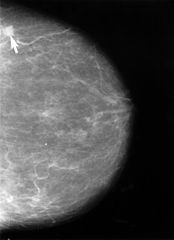 Mammogram showing small lesion
- Wikipedia[/caption] Firas Dabbous, PhD Manager, Patient Centered Outcomes Research Russell Institute for Research & Innovation Advocate Lutheran General Hospital Park Ridge, IL MedicalResearch.com: What is the background for this study? Response: When women are told that there is something abnormal on their screening mammogram that can cause stress and worry while undergoing additional testing, even when they are later told that there is nothing wrong. We wanted to know if receiving a false positive screening mammogram would cause women to think twice before getting their next screening mammogram, and maybe delay coming back for their next screen. This is important because patients who have a false positive experience may have higher chance to develop breast cancer at a later point in time. Therefore, it is important to understand their screening patterns to better educate and inform them about the importance of adhering to mammography guidelines and emphasize the importance of returning on schedule for their next screens.
07 Feb Link Between Soy Consumption and Breast Cancer Remains Complicated
MedicalResearch.com Interview with: Xiyuan Zhang PhD and Leena Hilakivi-Clarke, PhD Professor of Oncology Georgetown University Research Building, Room E407 Washington, DC 20057 MedicalResearch.com: What is the background for this study? What are the main findings? Response: Breast cancer is the most common cancer type in women and it also is the second leading cause of death by cancer in the United States. Every year, over 200,000 new cases of breast cancer are diagnosed in the US and this number reached over 1.5 million worldwide in 2012. Asian women exhibit much lower risk of breast cancer than Caucasian women, accounting for about one fifth of the breast cancer incidence in Western women. Therefore, researchers have been intensively studying and aiming to decipher the difference between these two populations. Results of previous research from our laboratory and by others, in animal models and humans, indicate that higher intake of soy foods or soy isoflavone genistein during childhood is associated with reduced breast cancer risk. However, findings done using human breast cancer cells indicate that soy isoflavones stimulate growth of breast cancer cells. Thus, there is an apparent controversy regarding soy isoflavones and breast cancer. 70% of all breast cancer cases are estrogen receptor positive (ER+) and are therefore treated with endocrine therapy, including with tamoxifen. Although these treatments effectively prevent recurrence in half of the ER+ breast cancer patients, the other half are resistant or develop resistance to the endocrine therapy and recur. Intriguingly, several studies done using human breast cancer cells in culture or in mice found that soy isoflavone genistein negates tamoxifen’s effects. However, observational studies in women suggest that those patients who consume most soy foods have the lowest risk of breast cancer recurrence. The present study was designed to address these conflicting findings using a preclinical animal model and to determine if lifetime isoflavone intake has different effect on tamoxifen’s ability to treat breast cancer than intake that starts when cancer is detected.06 Feb Better Means to Reduce Breast Density Needed To Decrease Breast Cancer Risk
MedicalResearch.com Interview with: [caption id="attachment_31761" align="alignleft" width="133"] Natalie Engmann[/caption]
Natalie Engmann, MSc
PhD Candidate, Epidemiology and Translational Science
Department of Epidemiology & Biostatistics
University of California, San Francisco
MedicalResearch.com: What is the background for this study?
Response: Breast density is well-established as a strong risk factor for breast cancer. Our study looked at what proportion of breast cancer cases in the entire population can be attributed to risk factors routinely collected in clinical practice, including breast density, measured using the clinical Breast Imaging and Reporting Scale (BI-RADS) categories.
Natalie Engmann[/caption]
Natalie Engmann, MSc
PhD Candidate, Epidemiology and Translational Science
Department of Epidemiology & Biostatistics
University of California, San Francisco
MedicalResearch.com: What is the background for this study?
Response: Breast density is well-established as a strong risk factor for breast cancer. Our study looked at what proportion of breast cancer cases in the entire population can be attributed to risk factors routinely collected in clinical practice, including breast density, measured using the clinical Breast Imaging and Reporting Scale (BI-RADS) categories.
14 Jan Gene Variant That Controls Tumor Metabolism Linked To Breast Cancer Risk
MedicalResearch.com Interview with: [caption id="attachment_31251" align="alignleft" width="150"] Dr. Ulrich Pfeffer[/caption]
Ulrich Pfeffer, PhD
Head of the Functional Genomics lab
IRCCS AOU San Martino - IST Istituto Nazionale per la Ricerca sul Cancro
Genova, Italy
MedicalResearch.com: What is the background for this study? What are the main findings?
Response: In recent years our knowledge on genetic variants that are associated with the risk to develop breast cancer has grown substantially. In addition to the two breast cancer genes, BRCA1 and BRCA2 we know approximately 100 other genes that are present in the population in two variants. In the presence of a single of these variants the breast cancer risk is slightly increased and several variants together determine a significant increase in risk. We also know that certain variants are associated with specific subtypes of breast cancer such as the estrogen receptor positive breast cancer.
We show in our work for the first time that some of these variants are more frequent in breast cancers that carry a specific somatic, non-inherited, mutation. In particular, we show this for the most frequent somatic mutation in breast cancer, PIK3CA, a gene involved in the control of tumor metabolism and many other aspects, a fundamental gene. The knowledge of this association tells us a lot on cancer biology. But most important, it might help to design specific prevention strategies. Since when you carry a germline allele that is associated with a specific somatic mutation you know your risk of a specific molecular type of breast cancer and eventually you can do something specific to prevent it.
Dr. Ulrich Pfeffer[/caption]
Ulrich Pfeffer, PhD
Head of the Functional Genomics lab
IRCCS AOU San Martino - IST Istituto Nazionale per la Ricerca sul Cancro
Genova, Italy
MedicalResearch.com: What is the background for this study? What are the main findings?
Response: In recent years our knowledge on genetic variants that are associated with the risk to develop breast cancer has grown substantially. In addition to the two breast cancer genes, BRCA1 and BRCA2 we know approximately 100 other genes that are present in the population in two variants. In the presence of a single of these variants the breast cancer risk is slightly increased and several variants together determine a significant increase in risk. We also know that certain variants are associated with specific subtypes of breast cancer such as the estrogen receptor positive breast cancer.
We show in our work for the first time that some of these variants are more frequent in breast cancers that carry a specific somatic, non-inherited, mutation. In particular, we show this for the most frequent somatic mutation in breast cancer, PIK3CA, a gene involved in the control of tumor metabolism and many other aspects, a fundamental gene. The knowledge of this association tells us a lot on cancer biology. But most important, it might help to design specific prevention strategies. Since when you carry a germline allele that is associated with a specific somatic mutation you know your risk of a specific molecular type of breast cancer and eventually you can do something specific to prevent it.
13 Jan Breast and Prostate Cancer Screenings Have Similar Potential for OverDiagnosis
Posted at 00:20h
in Annals Internal Medicine, Author Interviews, Breast Cancer, Cancer Research, Prostate Cancer
MedicalResearch.com Interview with:
Karsten Juhl Jørgensen, MD, Dr. MedSci
The Nordic Cochrane Centre
Rigshospitalet, Copenhagen
MedicalResearch.com: What is the background for this study? What are the main findings?
Response: Our systematic Cochrane review of the original randomised breast screening trials showed substantial conflict between their estimates of the benefit. Some trials showed a large benefit, others none or a small benefit. This difference was related to the design of the trials.
The most optimistic trials were those with suboptimal randomisation.
The main findings of our current study support those of the most rigorously performed randomised trials: breast screening does not fulfill its fundamental premise, which is to reduce the occurrence of late stage disease. This means a mortality reduction is unlikely and that use of less invasive surgery due to breast screening is also unlikely.
However, we did find very substantial increases in early stage breast cancer, which persisted over our 17 year observation period. This means that breast screening likely leads to substantial overdiagnosis of breast cancers that would otherwise not have caused health problems during a woman’s lifetime. We estimate that 1 in 3 breast cancers detected in a screened population is likely overdiagnosed.
06 Jan Cancer Deaths Drop 25% in Less Than 25 Years
MedicalResearch.com Interview with: [caption id="attachment_31023" align="alignleft" width="175"] Rebecca Siegel[/caption]
Rebecca Siegel, MPH
Strategic Director, Surveillance Information Services
American Cancer Society, Inc.
250 Williams St.
Atlanta, GA 30303
MedicalResearch.com: What is the bottom line for incidence and mortality trends?
Response: The bottom line for cancer mortality is that in contrast to many other major causes of death, cancer death rates continue to decline, dropping by 25% from 1991 to 2014. This translates to about 2 million fewer cancer deaths over this time period than would be expected if cancer death rates had remained at their peak. Death rates are the best measure of progress against disease.
Cancer incidence rates also dropped in men over the past decade of data, whereas in women they are flat. The drop in men is because of large declines for the top 3 cancers (prostate, lung, and colorectum), which account for more than 40% of cancers diagnosed in men. The stable trend in women is largely because declines in lung and colorectal cancers are offset by a flat trend for both breast and uterine corpus (i.e., endometrial) cancers, which combined account for almost 40% of cases in women, as well as rapid increases for thyroid cancer over the past decade -- increasing by almost 5% annually. Importantly, thyroid incidence rates have stabilized in the past few data years because of modifications in diagnostic criteria.
Rebecca Siegel[/caption]
Rebecca Siegel, MPH
Strategic Director, Surveillance Information Services
American Cancer Society, Inc.
250 Williams St.
Atlanta, GA 30303
MedicalResearch.com: What is the bottom line for incidence and mortality trends?
Response: The bottom line for cancer mortality is that in contrast to many other major causes of death, cancer death rates continue to decline, dropping by 25% from 1991 to 2014. This translates to about 2 million fewer cancer deaths over this time period than would be expected if cancer death rates had remained at their peak. Death rates are the best measure of progress against disease.
Cancer incidence rates also dropped in men over the past decade of data, whereas in women they are flat. The drop in men is because of large declines for the top 3 cancers (prostate, lung, and colorectum), which account for more than 40% of cancers diagnosed in men. The stable trend in women is largely because declines in lung and colorectal cancers are offset by a flat trend for both breast and uterine corpus (i.e., endometrial) cancers, which combined account for almost 40% of cases in women, as well as rapid increases for thyroid cancer over the past decade -- increasing by almost 5% annually. Importantly, thyroid incidence rates have stabilized in the past few data years because of modifications in diagnostic criteria.
26 Dec ER-beta May Identify Breast Cancer Patients For Whom Chemotherapy is Sufficient
MedicalResearch.com Interview with: Helena Jernström, PhD Associate Professor in Experimental Oncology Study Coordinator for Graduate studies Division of Oncology and Pathology Coordinator of the programmes in statistics and epidemiology for doctoral students at the Medical Faculty, Lund University Division of Oncology and Pathology, Department of Clinical Sciences, Lund Lund University Cancer Center/Kamprad Lund, Sweden MedicalResearch.com: What is the background for this study? Response: There is a need for better predictive markers to guide selection of therapy in breast cancer patients. Estrogen receptor beta (ER-beta) may confer prognostic information beyond what is currently obtained by the established clinical markers, including ER-alpha, which is routinely evaluated.22 Dec First-line ribociclib + letrozole in patients with de novo HR+, HER2- Advanced Breast Cancer
MedicalResearch.com Interview with: [caption id="attachment_30737" align="alignleft" width="125"] Dr. Joyce O'Shaughnessy[/caption]
Joyce O'Shaughnessy, MD
Co-Chair, Breast Cancer Research
Texas Oncology-Baylor Charles A. Sammons Cancer Center
MedicalResearch.com: What is the background for this study? What are the main findings?
Response: The MONALEESA-2 trial is a Phase III, randomized, double-blind, international study of LEE011 in combination with letrozole vs. letrozole alone, in postmenopausal women with HR+/HER2- advanced breast cancer who had received no prior systemic therapy for advanced disease.
Because de novo disease has not been previously treated with systemic treatment for early-stage breast cancer, tumors may exhibit a different disease biology, which could result in varied responses compared to patients who experience recurrence of their initial breast cancer. We analyzed a pre-defined subgroup of women with de novo HR+/HER2- advanced breast cancer to better understand the response of LEE011 plus letrozole in this patient population.
In the de novo advanced breast cancer patient sub-group, progression free survival was significantly prolonged; LEE011 plus letrozole reduced the risk of disease progression or death by 55% over letrozole alone (HR=0.448 [95% CI: 0.267–0.750]). The 12-month PFS rate was 82% in the LEE011 plus letrozole arm compared to 66% with letrozole alone.
Most adverse events were mild to moderate in severity, identified early through routine monitoring, and generally managed through dose interruption and reduction. The most common all-grade adverse events (≥30% of patients with de novo advanced breast cancer) in the LEE011 plus letrozole arm were neutropenia (70.2%), nausea (48.2%), fatigue (42.1%), alopecia (39.5%), and leukopenia (31.6%).
Dr. Joyce O'Shaughnessy[/caption]
Joyce O'Shaughnessy, MD
Co-Chair, Breast Cancer Research
Texas Oncology-Baylor Charles A. Sammons Cancer Center
MedicalResearch.com: What is the background for this study? What are the main findings?
Response: The MONALEESA-2 trial is a Phase III, randomized, double-blind, international study of LEE011 in combination with letrozole vs. letrozole alone, in postmenopausal women with HR+/HER2- advanced breast cancer who had received no prior systemic therapy for advanced disease.
Because de novo disease has not been previously treated with systemic treatment for early-stage breast cancer, tumors may exhibit a different disease biology, which could result in varied responses compared to patients who experience recurrence of their initial breast cancer. We analyzed a pre-defined subgroup of women with de novo HR+/HER2- advanced breast cancer to better understand the response of LEE011 plus letrozole in this patient population.
In the de novo advanced breast cancer patient sub-group, progression free survival was significantly prolonged; LEE011 plus letrozole reduced the risk of disease progression or death by 55% over letrozole alone (HR=0.448 [95% CI: 0.267–0.750]). The 12-month PFS rate was 82% in the LEE011 plus letrozole arm compared to 66% with letrozole alone.
Most adverse events were mild to moderate in severity, identified early through routine monitoring, and generally managed through dose interruption and reduction. The most common all-grade adverse events (≥30% of patients with de novo advanced breast cancer) in the LEE011 plus letrozole arm were neutropenia (70.2%), nausea (48.2%), fatigue (42.1%), alopecia (39.5%), and leukopenia (31.6%).
15 Dec Predictors of Chemosensitivity in Triple Negative Breast Cancer
MedicalResearch.com Interview with: [caption id="attachment_30354" align="alignleft" width="133"] Dr. Christos Hatzis,[/caption] Christos Hatzis, PhD Assistant Professor of Medicine Director of Bioinformatics, Breast Medical Oncology Yale Comprehensive Cancer Center Yale School of Medicine New Haven, CT MedicalResearch.com: What is the background for this study? What are the main findings? Response: Triple negative breast cancer (TNBC) is a highly heterogeneous and aggressive...
12 Dec Image-Guided Biopsies May Reduce Need For Surgery in Breast Cancer Patients Who Respond to Chemotherapy
Posted at 21:52h
in Author Interviews, Breast Cancer, Chemotherapy, Mammograms, MD Anderson, Surgical Research
MedicalResearch.com Interview with:
[caption id="attachment_30458" align="alignleft" width="175"] Dr. Henry M. Kuerer[/caption]
Henry M. Kuerer, MD, PhD, FACS
Executive Director, Breast Network Programs
MD Anderson Cancer Network
PH and Fay Etta Robinson Distinguished Professor in Research
Department of Breast Surgical Oncology
Director, Breast Surgical Oncology Training Program
MedicalResearch.com: What is the background for this study?
Response: Worldwide, triple negative and HER2 positive breast cancers, combined, account for about 370,000 women diagnosed annually. With recent advances in neoadjuvant systemic therapy (NST, chemotherapy and targeted therapy given before surgery) for both subsets, the pCR (pathologic complete response- when no residual cancer is found) rates found at the time of surgery in these populations can be as high as 60 percent. This high rate of pCR naturally raises the question of whether surgery is required for all patients, particularly those who will receive adjuvant radiation.
We believe surgery may potentially be redundant – at least for these two subtypes of breast cancer – because of such a high chance for no evidence of disease at the time of pathological review. If there’s no cancer left after the patient has received chemotherapy and the patient is going to receive local radiation therapy, is surgery actually needed?
The challenge has been that standard breast imaging methods cannot accurately predict residual disease after NST. However, by doing the same image-guided percutaneous needle biopsies after neoadjuvant systemic therapy that we do at time of diagnosis, our preliminary research reveals that we may be able to accurately predict which women will have cancer or not.
Dr. Henry M. Kuerer[/caption]
Henry M. Kuerer, MD, PhD, FACS
Executive Director, Breast Network Programs
MD Anderson Cancer Network
PH and Fay Etta Robinson Distinguished Professor in Research
Department of Breast Surgical Oncology
Director, Breast Surgical Oncology Training Program
MedicalResearch.com: What is the background for this study?
Response: Worldwide, triple negative and HER2 positive breast cancers, combined, account for about 370,000 women diagnosed annually. With recent advances in neoadjuvant systemic therapy (NST, chemotherapy and targeted therapy given before surgery) for both subsets, the pCR (pathologic complete response- when no residual cancer is found) rates found at the time of surgery in these populations can be as high as 60 percent. This high rate of pCR naturally raises the question of whether surgery is required for all patients, particularly those who will receive adjuvant radiation.
We believe surgery may potentially be redundant – at least for these two subtypes of breast cancer – because of such a high chance for no evidence of disease at the time of pathological review. If there’s no cancer left after the patient has received chemotherapy and the patient is going to receive local radiation therapy, is surgery actually needed?
The challenge has been that standard breast imaging methods cannot accurately predict residual disease after NST. However, by doing the same image-guided percutaneous needle biopsies after neoadjuvant systemic therapy that we do at time of diagnosis, our preliminary research reveals that we may be able to accurately predict which women will have cancer or not.
12 Dec Breast Cancer Brain Mets Harbor Molecular Changes Which May Be Therapeutic Targets
MedicalResearch.com Interview with: [caption id="attachment_30290" align="alignleft" width="160"] Dr. Adrian Lee[/caption]
Dr. Adrian Lee PhD
Professor, Department of Pharmacology and Chemical Biology
Director, Women's Cancer Research Center
University of Pittsburgh Cancer Institute
MedicalResearch.com: What is the background for this study? What are the main findings?
Response: The goal of this study was to understand molecular changes which occur when breast cancers metastasize to the brain, with the eventual of identifying new therapeutic strategies. Brain metastases occur in 10-15% of patients with metastatic breast cancer and are a major clinical challenge. Limited therapeutic options exist for patients with brain metastases. We analyzed molecular changes in pairs of patient-matched primary breast cancers and brain metastases. We found that brain metastases tended to have the same intrinsic subtype as the primary breast cancer, however, there were many genes which changes in gene expression and may represent therapeutic targets.
The most common change was an increase in ErbB2/HER2 which can be targeted clinically.
Dr. Adrian Lee[/caption]
Dr. Adrian Lee PhD
Professor, Department of Pharmacology and Chemical Biology
Director, Women's Cancer Research Center
University of Pittsburgh Cancer Institute
MedicalResearch.com: What is the background for this study? What are the main findings?
Response: The goal of this study was to understand molecular changes which occur when breast cancers metastasize to the brain, with the eventual of identifying new therapeutic strategies. Brain metastases occur in 10-15% of patients with metastatic breast cancer and are a major clinical challenge. Limited therapeutic options exist for patients with brain metastases. We analyzed molecular changes in pairs of patient-matched primary breast cancers and brain metastases. We found that brain metastases tended to have the same intrinsic subtype as the primary breast cancer, however, there were many genes which changes in gene expression and may represent therapeutic targets.
The most common change was an increase in ErbB2/HER2 which can be targeted clinically.
11 Dec Breast Cancer: 21-gene assay Can Help Choose Neoadjuvant Therapy
MedicalResearch.com Interview with: [caption id="attachment_30440" align="alignleft" width="133"] Dr. Harry Bear[/caption] Harry D. Bear, MD, PhD Walter Lawrence, Jr. Distinguished Professor of Oncology; Chair, Division of Surgical Oncology, Department of Surgery; Professor, Departments of Surgery, Microbiology & Immunology, VCU School of Medicine; Director, Breast Health Center, VCU Massey Cancer Center; Medical Director Massey Cancer Center Clinical Trials Office Virginia Commonwealth...
09 Dec Breast Cancer: PARP Inhibitor Veliparib Has Potential To Enhance Platinum Chemotherapy in Recurrent or Metastatic Disease
MedicalResearch.com Interview with: Vince Giranda, M.D., PH.D. Project Director AbbVie Oncology Development MedicalResearch.com: What is the background for this study? What are the main findings? Response: In this Phase 2 study, called BROCADE 2, veliparib combined with the platinum chemotherapy regimen carboplatin and paclitaxel showed positive trends in overall survival (OS) and progression-free survival (PFS), although these were not statistically significant. Importantly there were no meaningful increase in side effects with the addition of veliparib to carboplatin and paclitaxel. The veliparib combination regimen also demonstrated a significantly higher objective response rate.23 Nov Adjuvant Radiotherapy May Benefit Elderly ER- Breast Cancer Patients
MedicalResearch.com Interview with: Emily C. Daugherty, MD Upstate Medical University Radiation Oncology Resident, PGY-4 MedicalResearch.com: What is the background for this study? Response: Adjuvant radiation following breast conserving surgery has been well established in the management of early-stage breast cancer as it has been shown to decrease the incidence of ipsilateral breast tumor recurrences and also reduce breast cancer mortality. Large prospective trials have shown for elderly patients with favorable, ER positive pathology, omission of radiation after lumpectomy can be considered. However, women with ER negative disease were typically not included in these trials and given their higher risk for relapse as well as lack of effective endocrine therapy, we hypothesized that adjuvant radiation would benefit women over 70 years with early-stage, ER negative tumors.20 Nov Breast Cancer Cells Become Chemotherapy Resistant By Eating Surrounding Stem Cells
MedicalResearch.com Interview with: [caption id="attachment_29824" align="alignleft" width="144"] Dr. Thomas Bartosh Jr,[/caption]
Thomas Bartosh Jr, Ph.D.
Assistant Professor Medical Physiology
Texas A&M Health Science Center
MedicalResearch.com: What is the background for this study? What are the main findings?
Response: One mysterious and devastating aspect of breast cancer is that it can reemerge abruptly, often as metastatic disease, in patients many years after an apparent eradication of the primary tumor. The sudden reappearance of cancer has been termed relapse and is thought to occur because a minimal number of resilient tumor cells are able to evade frontline therapies and linger in an undetectable/dormant state somewhere in the body for an unpredictable amount of time. Then, for reasons that remain unclear, these same dormant cells awaken and rapidly grow, and produce almost invariably fatal cancerous lesions. The therapeutic challenges of tumor dormancy and need to decode the underlying mechanisms involved are apparent.
Cancer cell behavior is strongly influenced by various non-malignant cell types that are found within the tumor mass itself and that help make up the tumor microenvironment (TME). In particular, bone marrow-derived mesenchymal stem/stromal cells (MSCs), which are actively recruited into the tumor stroma, directly interact with carcinoma cells and significantly impact cancer progression, although the role of MSCs in tumor dormancy remains ill-defined.
Dr. Thomas Bartosh Jr,[/caption]
Thomas Bartosh Jr, Ph.D.
Assistant Professor Medical Physiology
Texas A&M Health Science Center
MedicalResearch.com: What is the background for this study? What are the main findings?
Response: One mysterious and devastating aspect of breast cancer is that it can reemerge abruptly, often as metastatic disease, in patients many years after an apparent eradication of the primary tumor. The sudden reappearance of cancer has been termed relapse and is thought to occur because a minimal number of resilient tumor cells are able to evade frontline therapies and linger in an undetectable/dormant state somewhere in the body for an unpredictable amount of time. Then, for reasons that remain unclear, these same dormant cells awaken and rapidly grow, and produce almost invariably fatal cancerous lesions. The therapeutic challenges of tumor dormancy and need to decode the underlying mechanisms involved are apparent.
Cancer cell behavior is strongly influenced by various non-malignant cell types that are found within the tumor mass itself and that help make up the tumor microenvironment (TME). In particular, bone marrow-derived mesenchymal stem/stromal cells (MSCs), which are actively recruited into the tumor stroma, directly interact with carcinoma cells and significantly impact cancer progression, although the role of MSCs in tumor dormancy remains ill-defined.
09 Nov How Does Tailoring Chemotherapy Affect Breast Cancer Survival?
MedicalResearch.com Interview with: Jonas Bergh M.D, Ph.D. F.R.C.P. (London, UK) Professor of Oncology (Mimi Althainz´donation) Director Strategic Research Program in Cancer Karolinska Institutet Radiumhemmet, Karolinska University Hospital Stockholm, Swede MedicalResearch.com: What is the background for this study? Response: Present standard dosing of chemotherapy is aiming at a similar dose for each individual (similar effects and side-effects) , by calculating the dose per mg/m2 based on a formula originally established by du Bois (1916), based on body surface calculations by measuring height and weight. As I recall it, this was done on nine individuals… However, the body surface has very little to do with how you cytotoxic drugs are metabolized and excreted… in practice this means that chemotherapy dosing based on body surface area will result in under- or overdosing of quite a proposition of the patients… Please Google/run a PubMed research on H. Gurney in Australia, he and other have really expressed their concerns with our present chemotherapy dosing strategies. In our prospective adjuvant chemotherapy study of high risk breast cancer patients we tested a very well established standard chemotherapy regimen given every third week (FEC100 mg/m2 x 3+ docetaxel 100 mg/m2 x3) vs. our experimental arm given very second week in a dose dense fashion. We also tried to optimize the dosing, aiming at avoiding overdosing some patients at the first course and increase the dose for those without predefined toxicities. Therapy duration was similar in both groups, 15 weeks. Please see the end of the discussion in JAMA for the shortcomings with our study.30 Oct First Steps Toward Breast Cancer Vaccine Using HER-2 Mimotope
MedicalResearch.com Interview with: [caption id="attachment_29263" align="alignleft" width="140"] Dr. Josef Singer[/caption]
Josef Singer MD, PhD Comparative Medicine
Messerli Research Institute of the University of Veterinary Medicine
Medical University Vienna
University Vienna, Austria & Department for Comparative Immunology and Oncology Institute of Pathophysiology and Allergy Research Medical University
Department of Internal Medicine II University Hospital Krems Karl Landsteiner
University of Health Sciences Krems, Austria
MedicalResearch.com: What is the background for this study? What are the main findings?
Response: Immunotherapy of cancer has gained increasing interest in treatment of oncologic patients. Especially passive immunotherapy with monoclonal antibodies against tumor-associated antigens has been very successful due to good response rates with relatively moderate side effects compared to conventional chemotherapy.
Trastuzumab, an antibody against the human epidermal growth-factor receptor-2 (HER-2), is widely applied for the treatment of metastatic breast cancer. Trastuzumab leads to longer progression-free and overall survival in patients with HER-2 positive disease. However, monoclonal antibody therapies have to be repetitively applied, which represents a risk for infusion-related side effects and, due to the high costs, a massive burden for social security systems.
Our aim was to replace the passive immunotherapy by a vaccine actively inducing patients´ own antibodies with the same specificity as trastuzumab. A novel mimotope library platform enabled the development of a HER2-specific cancer vaccine: Mimotopes are small peptides that are able to mimic antibody epitopes on tumor-associated antigens, in our case the trastuzumab antigen on HER-2.
We use Adeno-associated-viruses (AAV) as carriers for our HER2 vaccine as they are highly immunogenic and safe. We could demonstrate that this HER-2 mimotope AAV-vaccine induced antibodies against human HER- 2 similar to the clinically used trastuzumab. In a mouse tumor model the HER-2 mimotope AAV vaccine was able to delay the growth of tumors significantly.
Dr. Josef Singer[/caption]
Josef Singer MD, PhD Comparative Medicine
Messerli Research Institute of the University of Veterinary Medicine
Medical University Vienna
University Vienna, Austria & Department for Comparative Immunology and Oncology Institute of Pathophysiology and Allergy Research Medical University
Department of Internal Medicine II University Hospital Krems Karl Landsteiner
University of Health Sciences Krems, Austria
MedicalResearch.com: What is the background for this study? What are the main findings?
Response: Immunotherapy of cancer has gained increasing interest in treatment of oncologic patients. Especially passive immunotherapy with monoclonal antibodies against tumor-associated antigens has been very successful due to good response rates with relatively moderate side effects compared to conventional chemotherapy.
Trastuzumab, an antibody against the human epidermal growth-factor receptor-2 (HER-2), is widely applied for the treatment of metastatic breast cancer. Trastuzumab leads to longer progression-free and overall survival in patients with HER-2 positive disease. However, monoclonal antibody therapies have to be repetitively applied, which represents a risk for infusion-related side effects and, due to the high costs, a massive burden for social security systems.
Our aim was to replace the passive immunotherapy by a vaccine actively inducing patients´ own antibodies with the same specificity as trastuzumab. A novel mimotope library platform enabled the development of a HER2-specific cancer vaccine: Mimotopes are small peptides that are able to mimic antibody epitopes on tumor-associated antigens, in our case the trastuzumab antigen on HER-2.
We use Adeno-associated-viruses (AAV) as carriers for our HER2 vaccine as they are highly immunogenic and safe. We could demonstrate that this HER-2 mimotope AAV-vaccine induced antibodies against human HER- 2 similar to the clinically used trastuzumab. In a mouse tumor model the HER-2 mimotope AAV vaccine was able to delay the growth of tumors significantly.
18 Oct Abraxane Demonstrates Benefit Over Paclitaxel in Metastatic Breast Cancer
MedicalResearch.com Interview with: [caption id="attachment_28991" align="alignleft" width="200"] Dr. Corey Pelletier[/caption]
Corey Pelletier PhD
Director, Health Economics & Outcomes Research
Celgene Corporation
Summit, NJ
MedicalResearch.com: What is the background for this study? What are the main findings?
Response: In a phase III clinical trial, ABRAXANE demonstrated significant improvement in ORR vs paclitaxel in patients with metastatic breast cancer. Celgene initiated this study because limited data exist on the comparative effectiveness of ABRAXANE vs paclitaxel for patients with metastatic breast cancer, including HR+/HER2- and triple negative (TN) metastatic breast cancer (MBC), in a real-world setting. This study used a U.S. based electronic medical record (EMR) dataset to evaluate the real-world comparative effectiveness of second-line ABRAXANE vs paclitaxel in patients with MBC and included patients with HR+/HER2- or TN MBC. This study also assessed adverse events and use of supportive care in this patient population.
The median time to treatment discontinuation (TTD) for ABRAXANE vs paclitaxel was 4.50 vs 2.83 months (adjusted P<0.0001*) in all patients. Patients with HR+/HER2- or TN MBC had similar TTD. The median time to next treatment (TTNT) in all patients was 5.9 vs 4.2 months (adjusted P=0.2140*) for ABRAXANE vs paclitaxel, respectively. Patients receiving ABRAXANE had less fatigue, neuropathy, and anemia compared to patients receiving paclitaxel. Patients treated with ABRAXANE also used less antiemetics, and had fewer treatments for hydration or allergic reaction compared to those treated with paclitaxel. Patients treated with paclitaxel used less GCSF and had fewer treatments for bone loss compared to those treated with ABRAXANE.
*TTD and TTNT were adjusted for age, number of metastases, targeted agent use, adjunctive chemotherapy, HER2 status, TN status, and CCI score without age.
Dr. Corey Pelletier[/caption]
Corey Pelletier PhD
Director, Health Economics & Outcomes Research
Celgene Corporation
Summit, NJ
MedicalResearch.com: What is the background for this study? What are the main findings?
Response: In a phase III clinical trial, ABRAXANE demonstrated significant improvement in ORR vs paclitaxel in patients with metastatic breast cancer. Celgene initiated this study because limited data exist on the comparative effectiveness of ABRAXANE vs paclitaxel for patients with metastatic breast cancer, including HR+/HER2- and triple negative (TN) metastatic breast cancer (MBC), in a real-world setting. This study used a U.S. based electronic medical record (EMR) dataset to evaluate the real-world comparative effectiveness of second-line ABRAXANE vs paclitaxel in patients with MBC and included patients with HR+/HER2- or TN MBC. This study also assessed adverse events and use of supportive care in this patient population.
The median time to treatment discontinuation (TTD) for ABRAXANE vs paclitaxel was 4.50 vs 2.83 months (adjusted P<0.0001*) in all patients. Patients with HR+/HER2- or TN MBC had similar TTD. The median time to next treatment (TTNT) in all patients was 5.9 vs 4.2 months (adjusted P=0.2140*) for ABRAXANE vs paclitaxel, respectively. Patients receiving ABRAXANE had less fatigue, neuropathy, and anemia compared to patients receiving paclitaxel. Patients treated with ABRAXANE also used less antiemetics, and had fewer treatments for hydration or allergic reaction compared to those treated with paclitaxel. Patients treated with paclitaxel used less GCSF and had fewer treatments for bone loss compared to those treated with ABRAXANE.
*TTD and TTNT were adjusted for age, number of metastases, targeted agent use, adjunctive chemotherapy, HER2 status, TN status, and CCI score without age.
17 Oct Combination Everolimus/Exemestane For ER+|HER2- Advanced Breast Cancer
MedicalResearch.com Interview with: [caption id="attachment_28949" align="alignleft" width="150"] Dr. Melanie Royce[/caption]
Melanie Royce, MD, PhD
Professor of Medicine
University of New Mexico School of Medicine
Director of the Breast Multidisciplinary Clinic and Program
UNM Cancer Center.
Albuquerque, NM
MedicalResearch.com: What is the background for this study? What are the main findings?
Response: BOLERO-4 is an open label, single-arm, Phase II study that evaluates the combination of everolimus plus letrozole as a first-line treatment for hormone receptor (HR)-positive/HER2-negative advanced breast cancer patients, as well as the use of everolimus plus exemestane beyond initial progression.
Results of the Phase II BOLERO-4 clinical trial, presented as an oral presentation at the 2016 European Society for Medical Oncology (ESMO) annual meeting, show preliminary evidence that everolimus in combination with letrozole is effective in treating women with HR-positive/HER2-negative advanced breast cancer in the first-line setting. With follow up of 17.5 months, the median progression-free survival (PFS) is not yet reached. At six months, 83.6% (95% CI: 77.3-88.2%) of women taking everolimus plus letrozole in the first-line setting were without disease progression, and 71.4% (95% CI: 64.0%-77.5%) did not have disease progression at twelve months.
Safety findings from BOLERO-4 are consistent with previous studies of everolimus in advanced breast cancer, with the most common adverse events being stomatitis (67.8%), weight loss (42.6%) and diarrhea (36.1%). These adverse events were mostly grade 1 or 2 in severity1.
Dr. Melanie Royce[/caption]
Melanie Royce, MD, PhD
Professor of Medicine
University of New Mexico School of Medicine
Director of the Breast Multidisciplinary Clinic and Program
UNM Cancer Center.
Albuquerque, NM
MedicalResearch.com: What is the background for this study? What are the main findings?
Response: BOLERO-4 is an open label, single-arm, Phase II study that evaluates the combination of everolimus plus letrozole as a first-line treatment for hormone receptor (HR)-positive/HER2-negative advanced breast cancer patients, as well as the use of everolimus plus exemestane beyond initial progression.
Results of the Phase II BOLERO-4 clinical trial, presented as an oral presentation at the 2016 European Society for Medical Oncology (ESMO) annual meeting, show preliminary evidence that everolimus in combination with letrozole is effective in treating women with HR-positive/HER2-negative advanced breast cancer in the first-line setting. With follow up of 17.5 months, the median progression-free survival (PFS) is not yet reached. At six months, 83.6% (95% CI: 77.3-88.2%) of women taking everolimus plus letrozole in the first-line setting were without disease progression, and 71.4% (95% CI: 64.0%-77.5%) did not have disease progression at twelve months.
Safety findings from BOLERO-4 are consistent with previous studies of everolimus in advanced breast cancer, with the most common adverse events being stomatitis (67.8%), weight loss (42.6%) and diarrhea (36.1%). These adverse events were mostly grade 1 or 2 in severity1.
12 Oct Significant Cardiovascular Mortality Following Early-Stage Breast Cancer
MedicalResearch.com Interview with: [caption id="attachment_28867" align="alignleft" width="200"] Dr. Husam Abdel-Qadir[/caption]
Husam Abdel-Qadir, MD, FRCPC, DABIM
(Cardiology and Internal Medicine)
Graduate student, Clinical Epidemiology and Health Care Research
Elliot Philipson Clinician Scientist Training Program
University of Toronto
MedicalResearch.com: What is the background for this study?
Response: Breast cancer is the most common malignancy among North American women. The successes of screening and treatment have led to a marked increase in the number of breast cancer survivors, whose cardiovascular health is becoming of prime concern. Many recent publications have raised alarm about the incidence of cardiovascular abnormalities after breast cancer treatment. However, there is a paucity of data about the frequency of death from cardiovascular disease rather than breast cancer. Contemporary estimates of the incidence of competing risks like cardiovascular disease are important to guide discussions about prognosis, subsequent follow-up, and survivorship plans. It is important that such incidence estimates are generated using methodology that appropriately accounts for competing risks to avoid providing results that are biased upwards.
Dr. Husam Abdel-Qadir[/caption]
Husam Abdel-Qadir, MD, FRCPC, DABIM
(Cardiology and Internal Medicine)
Graduate student, Clinical Epidemiology and Health Care Research
Elliot Philipson Clinician Scientist Training Program
University of Toronto
MedicalResearch.com: What is the background for this study?
Response: Breast cancer is the most common malignancy among North American women. The successes of screening and treatment have led to a marked increase in the number of breast cancer survivors, whose cardiovascular health is becoming of prime concern. Many recent publications have raised alarm about the incidence of cardiovascular abnormalities after breast cancer treatment. However, there is a paucity of data about the frequency of death from cardiovascular disease rather than breast cancer. Contemporary estimates of the incidence of competing risks like cardiovascular disease are important to guide discussions about prognosis, subsequent follow-up, and survivorship plans. It is important that such incidence estimates are generated using methodology that appropriately accounts for competing risks to avoid providing results that are biased upwards.
12 Oct Anti-Tumor Activity of PM01183 (lurbinectedin) in BRCA1/ 2-associated Metastatic Breast Cancer Patients
MedicalResearch.com Interview with: [caption id="attachment_28758" align="alignleft" width="200"] Dr. Judith Balmaña[/caption]
Judith Balmaña MD
Medical Oncology
Hospital Vall d’Hebron and
Vall d’Hebron Institute of Oncology
Barcelona, Spain
MedicalResearch.com: What is the background for this study? What are the main findings?
Response: Tumors with brca1 or brca2 mutations share homologous recombination repair deficiency, which confers sensitivity to different types of dna damaging agents. An understanding of the role of brca1 and brca2 in the repair of double-stranded dna damage opened a window of opportunity for treating brca mutation–associated cancers with targeted therapies.
Lurbinectedin is a trabectedin analog that specifically binds to cg-rich motifs with a selective mechanism of action: in living cells, lurbinectedin inhibits active transcription by degradation of elongating rna polymerase ii. This process occurs specifically on activated genes and is associated with the formation of double strand dna breaks and the collapse of replication forks. In addition, lurbinectedin exerts some antitumoral effect in the microenvironment by inhibiting the transcription of selected cytokines by tumor-associated macrophages, abrogating their protumoral properties. Observations that lurbinectedin was active against homologous-recombination-deficient cell lines led us to test it in patients with metastatic breast cancer having deleterious germline brca mutations.
Dr. Judith Balmaña[/caption]
Judith Balmaña MD
Medical Oncology
Hospital Vall d’Hebron and
Vall d’Hebron Institute of Oncology
Barcelona, Spain
MedicalResearch.com: What is the background for this study? What are the main findings?
Response: Tumors with brca1 or brca2 mutations share homologous recombination repair deficiency, which confers sensitivity to different types of dna damaging agents. An understanding of the role of brca1 and brca2 in the repair of double-stranded dna damage opened a window of opportunity for treating brca mutation–associated cancers with targeted therapies.
Lurbinectedin is a trabectedin analog that specifically binds to cg-rich motifs with a selective mechanism of action: in living cells, lurbinectedin inhibits active transcription by degradation of elongating rna polymerase ii. This process occurs specifically on activated genes and is associated with the formation of double strand dna breaks and the collapse of replication forks. In addition, lurbinectedin exerts some antitumoral effect in the microenvironment by inhibiting the transcription of selected cytokines by tumor-associated macrophages, abrogating their protumoral properties. Observations that lurbinectedin was active against homologous-recombination-deficient cell lines led us to test it in patients with metastatic breast cancer having deleterious germline brca mutations.
10 Oct Ribociclib and Letrozole May Represent Paradigm Shift in Treating HR+ Advanced Breast Cancer
MedicalResearch.com Interview with: [caption id="attachment_28705" align="alignleft" width="170"] Prof. Gabriel N. Hortobagyi[/caption]
Gabriel N. Hortobagyi, MD, FACP, F.A.S.C.O.
Professor of Medicine
Nellie B. Connally Chair in Breast Cancer
Department of Breast Oncology
Co-Director, Multidisciplinary Breast Cancer Research Program
University of Texas MD Anderson Cancer Center
Houston, Texas
MedicalResearch.com: What is the background for this study? What are the main findings?
Response: MONALEESA-2 is a Phase III randomized, double blind, placebo controlled, multicenter global registration trial to evaluate the safety and efficacy of LEE011 in combination with letrozole compared to letrozole alone in postmenopausal women with HR+/HER2- advanced breast cancer who received no prior therapy for their advanced breast cancer.
The primary efficacy results from the pivotal MONALEESA-2 study show LEE011 (ribociclib) plus letrozole significantly extended progression-free survival (PFS) compared to a standard of care, letrozole, as a first-line treatment in postmenopausal women with hormone receptor positive, human epidermal growth factor receptor-2 negative (HR+/HER2-) advanced or metastatic breast cancer (HR= 0.556; 95% CI: 0.429-0.720; p=0.00000329)1.
The results demonstrate that LEE011 plus letrozole reduced the risk of death or progression by 44% over letrozole alone, significantly extending PFS across all patient subgroups. More than half of women with measurable disease taking LEE011 plus letrozole saw their tumor size shrink by at least 30% during treatment (overall response rate (ORR) in patients with measurable disease = 53% vs 37%, p=0.00028)1.
Prof. Gabriel N. Hortobagyi[/caption]
Gabriel N. Hortobagyi, MD, FACP, F.A.S.C.O.
Professor of Medicine
Nellie B. Connally Chair in Breast Cancer
Department of Breast Oncology
Co-Director, Multidisciplinary Breast Cancer Research Program
University of Texas MD Anderson Cancer Center
Houston, Texas
MedicalResearch.com: What is the background for this study? What are the main findings?
Response: MONALEESA-2 is a Phase III randomized, double blind, placebo controlled, multicenter global registration trial to evaluate the safety and efficacy of LEE011 in combination with letrozole compared to letrozole alone in postmenopausal women with HR+/HER2- advanced breast cancer who received no prior therapy for their advanced breast cancer.
The primary efficacy results from the pivotal MONALEESA-2 study show LEE011 (ribociclib) plus letrozole significantly extended progression-free survival (PFS) compared to a standard of care, letrozole, as a first-line treatment in postmenopausal women with hormone receptor positive, human epidermal growth factor receptor-2 negative (HR+/HER2-) advanced or metastatic breast cancer (HR= 0.556; 95% CI: 0.429-0.720; p=0.00000329)1.
The results demonstrate that LEE011 plus letrozole reduced the risk of death or progression by 44% over letrozole alone, significantly extending PFS across all patient subgroups. More than half of women with measurable disease taking LEE011 plus letrozole saw their tumor size shrink by at least 30% during treatment (overall response rate (ORR) in patients with measurable disease = 53% vs 37%, p=0.00028)1.