Essential oils, with their potential to enhance health and well-being, have become increasingly popular. These natural extracts are not limited to a single application, but are used in a variety of ways, from aromatherapy to skincare. Their therapeutic benefits have been revered for centuries, making them a versatile and interesting tool for improving well-being.
This article will explore how essential oils can improve your well-being, focusing on their history, benefits, and practical uses.
What Are Essential Oils?
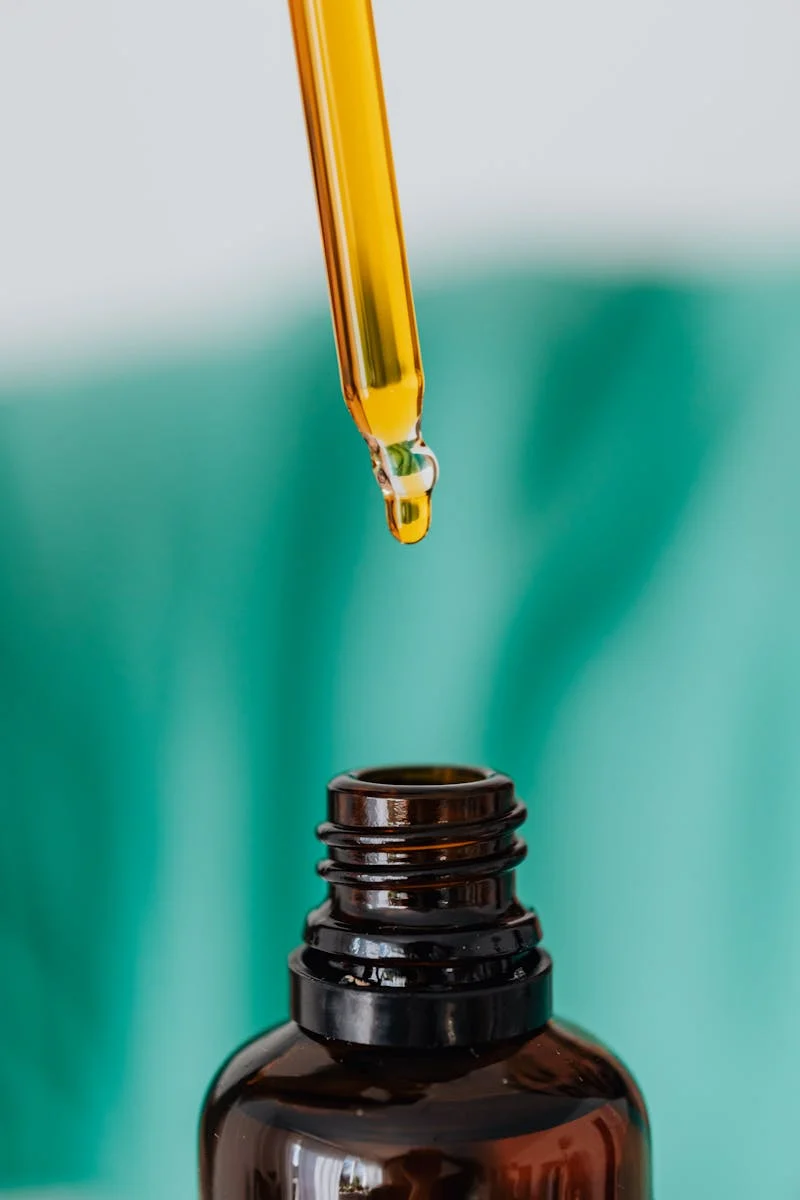
Essential oils are concentrated extracts from plants that preserve their natural aroma and beneficial properties. They are derived from different parts of plants, including flowers, leaves, stems, and roots, through processes such as cold pressing, steam distillation, or solvent extraction. Unlike synthetic fragrances, which are created from artificial compounds, essential oils are entirely natural and contain the essence of the plant's fragrance and medicinal properties.
Essential oils, being highly potent, require careful handling. They typically need to be diluted with a carrier oil, such as coconut, jojoba, or almond oil, before application to the skin. Essential oils can be used in a variety of ways, including inhalation, topical application, and, in some cases, ingestion. However, it’s crucial to use them correctly to avoid adverse reactions and to ensure their effectiveness. This caution and responsibility in usage is key to reaping the benefits of essential oils. Allergic reactions to essential oils can also develop.
(more…)









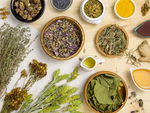
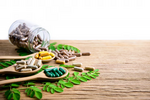 In recent years, the interest in herbal supplements has surged. Many people are turning to these natural alternatives to improve their health and well-being. But what role do herbal supplements play in modern medicine? Are they truly effective, or just a trend? In this article, we'll explore the intersection of herbal supplements and modern medicine, uncovering the benefits, risks, and scientific perspectives on this growing phenomenon.
Please remember most herbal medications and supplements are not FDA approved or tested. Many have side effects especially in combination with other medications or supplements. Please consult with your health care provider before taking any supplements you are considering taking and be aware of potential side effects. Supplements should not be used during pregnancy or while nursing without the express permission of your health care provider.
In recent years, the interest in herbal supplements has surged. Many people are turning to these natural alternatives to improve their health and well-being. But what role do herbal supplements play in modern medicine? Are they truly effective, or just a trend? In this article, we'll explore the intersection of herbal supplements and modern medicine, uncovering the benefits, risks, and scientific perspectives on this growing phenomenon.
Please remember most herbal medications and supplements are not FDA approved or tested. Many have side effects especially in combination with other medications or supplements. Please consult with your health care provider before taking any supplements you are considering taking and be aware of potential side effects. Supplements should not be used during pregnancy or while nursing without the express permission of your health care provider.