
 Dr. Furukawa[/caption]
Dr. Nathan Furukawa, MD, MPH
Medical officer, Division of HIV/AIDS Prevention
CDC
MedicalResearch.com: What is the background for this study?
Response: The cost of the PrEP medication is the largest driver of the cost of providing PrEP care. Most patients need insurance or help from a medication assistance program to cover the large costs of the PrEP medication. We wanted to describe how these costs were paid by patients (out-of-pocket payments) and insurers (third-party payments) nationally.
MedicalResearch.com: What are the main findings?
Response: The study found that the cost for a month of the PrEP medication tenofovir disoproxil fumarate/emtricitabine increased from $1350 to $1638 from 2014 to 2018, an average annual increase of 5%. Out-of-pocket costs increased faster from $54 to $94, an average annual increase of 14.9%. In 2018, at least $2 billion was spent paying for the PrEP medication, and this covered 18% of people that had an indication for PrEP.
Dr. Furukawa[/caption]
Dr. Nathan Furukawa, MD, MPH
Medical officer, Division of HIV/AIDS Prevention
CDC
MedicalResearch.com: What is the background for this study?
Response: The cost of the PrEP medication is the largest driver of the cost of providing PrEP care. Most patients need insurance or help from a medication assistance program to cover the large costs of the PrEP medication. We wanted to describe how these costs were paid by patients (out-of-pocket payments) and insurers (third-party payments) nationally.
MedicalResearch.com: What are the main findings?
Response: The study found that the cost for a month of the PrEP medication tenofovir disoproxil fumarate/emtricitabine increased from $1350 to $1638 from 2014 to 2018, an average annual increase of 5%. Out-of-pocket costs increased faster from $54 to $94, an average annual increase of 14.9%. In 2018, at least $2 billion was spent paying for the PrEP medication, and this covered 18% of people that had an indication for PrEP.
 Dr. Segal[/caption]
Dr. Gadi Segal
Director of the Internal Medicine Department
Sheba Medical Center
MedicalResearch.com: What is the background for this study? What are the main findings?
Response: The background is the need to learn about COVID-19 pathophysiology in order to better stratify patients according to current and future severity. Such classification will enable better triage in times of pandemic and health-care-system over-load.
Dr. Segal[/caption]
Dr. Gadi Segal
Director of the Internal Medicine Department
Sheba Medical Center
MedicalResearch.com: What is the background for this study? What are the main findings?
Response: The background is the need to learn about COVID-19 pathophysiology in order to better stratify patients according to current and future severity. Such classification will enable better triage in times of pandemic and health-care-system over-load.
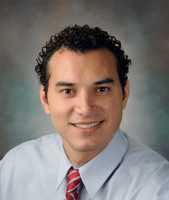 Dr. Moreira[/caption]
Alvaro Moreira, MD
Assistant Professor, Department of Pediatrics
Co-Director Neonatal Nutrition and Bone Institute
UT Health San Antonio
MedicalResearch.com: What is the background for this study?
Response: Multisystem inflammatory syndrome in children (MIS-C), also known as pediatric inflammatory multisystem syndrome, is a new dangerous childhood disease that is temporally associated with coronavirus disease 2019 (COVID-19).
We conducted a systematic review to communicate the typical presentation and outcomes of children diagnosed with this hyperinflammatory condition.
Dr. Moreira[/caption]
Alvaro Moreira, MD
Assistant Professor, Department of Pediatrics
Co-Director Neonatal Nutrition and Bone Institute
UT Health San Antonio
MedicalResearch.com: What is the background for this study?
Response: Multisystem inflammatory syndrome in children (MIS-C), also known as pediatric inflammatory multisystem syndrome, is a new dangerous childhood disease that is temporally associated with coronavirus disease 2019 (COVID-19).
We conducted a systematic review to communicate the typical presentation and outcomes of children diagnosed with this hyperinflammatory condition.

 Dr. Auger[/caption]
Katherine A. S. Auger, MD, MSc
Division of Hospital Medicine
James M. Anderson Center for Health Systems Excellence,
Cincinnati Children’s Hospital Medical Center
Department of Pediatrics, University of Cincinnati College of Medicine
Pediatric Research in Inpatient Settings Network
Cincinnati, Ohio
MedicalResearch.com: What is the background for this study? What are the main findings?
Response: All states closed schools in the spring of 2020 to try to mitigate the spread of COVID-19. Our study demonstrated a large, significant association between school closure and fewer COVID-19 cases and deaths even when accounting for other state policies.
Dr. Auger[/caption]
Katherine A. S. Auger, MD, MSc
Division of Hospital Medicine
James M. Anderson Center for Health Systems Excellence,
Cincinnati Children’s Hospital Medical Center
Department of Pediatrics, University of Cincinnati College of Medicine
Pediatric Research in Inpatient Settings Network
Cincinnati, Ohio
MedicalResearch.com: What is the background for this study? What are the main findings?
Response: All states closed schools in the spring of 2020 to try to mitigate the spread of COVID-19. Our study demonstrated a large, significant association between school closure and fewer COVID-19 cases and deaths even when accounting for other state policies.
 Dr. Glicksberg[/caption]
Benjamin Glicksberg, PhD
Assistant Professor of Genetics and Genomic Sciences
Member of the Mount Sinai COVID Informatics Center
Member of the Hasso Plattner Institute for Digital Healt
Icahn School of Medicine at Mount Sinai
MedicalResearch.com: What is the background for this study?
Response: Reports from health systems that detailed the clinical characteristics and outcomes of their COVID-19 patients were instrumental in helping other health systems rapidly adapt and know what to expect. There are few studies, however, that assess what happens to these patients after they were discharged from the hospital.
In our work, we address this gap by determining both how many individuals re-present to the hospital within 14 days, and what clinical characteristics of these patients differ from those who do not. Such information is critical in order to continue to refine optimal treatment plans and discharge decisions for patients of all backgrounds and clinical profiles. To provide more context to the question, we also determined if and how these factors changed between initial presentation and readmission to the hospital.
Dr. Francesco Venturelli
Servizio di Epidemiologia
Direzione Sanitaria - Azienda USL-IRCCS di Reggio Emilia
Padiglione Ziccardi, Via Amendola
MedicalResearch.com: What is the background for this study?
Response: Contact tracing and isolation for people testing positive for SARS-CoV-2 are two of the main strategies to limit the viral spread and contain the current pandemic. Long persistence of viral RNA detected by RT-PCR on nasopharyngeal swabs is commonly reported, while its correlation to virus viability is still debated.
MedicalResearch.com: What are the main findings?
Response: The study showed that in people with COVID-19, the median time between symptoms onset and viral clearance at RT-PCR was 36 days. Moreover, an overall 20% risk of “false negative” results at RT-PCR was observed, decreasing with time from diagnosis.
Dr. Glicksberg[/caption]
Benjamin Glicksberg, PhD
Assistant Professor of Genetics and Genomic Sciences
Member of the Mount Sinai COVID Informatics Center
Member of the Hasso Plattner Institute for Digital Healt
Icahn School of Medicine at Mount Sinai
MedicalResearch.com: What is the background for this study?
Response: Reports from health systems that detailed the clinical characteristics and outcomes of their COVID-19 patients were instrumental in helping other health systems rapidly adapt and know what to expect. There are few studies, however, that assess what happens to these patients after they were discharged from the hospital.
In our work, we address this gap by determining both how many individuals re-present to the hospital within 14 days, and what clinical characteristics of these patients differ from those who do not. Such information is critical in order to continue to refine optimal treatment plans and discharge decisions for patients of all backgrounds and clinical profiles. To provide more context to the question, we also determined if and how these factors changed between initial presentation and readmission to the hospital.
Dr. Francesco Venturelli
Servizio di Epidemiologia
Direzione Sanitaria - Azienda USL-IRCCS di Reggio Emilia
Padiglione Ziccardi, Via Amendola
MedicalResearch.com: What is the background for this study?
Response: Contact tracing and isolation for people testing positive for SARS-CoV-2 are two of the main strategies to limit the viral spread and contain the current pandemic. Long persistence of viral RNA detected by RT-PCR on nasopharyngeal swabs is commonly reported, while its correlation to virus viability is still debated.
MedicalResearch.com: What are the main findings?
Response: The study showed that in people with COVID-19, the median time between symptoms onset and viral clearance at RT-PCR was 36 days. Moreover, an overall 20% risk of “false negative” results at RT-PCR was observed, decreasing with time from diagnosis.
 Dr. Lemieux[/caption]
Joanne Lemieux, Ph.D.
Professor, Director, Membrane Protein Disease Research Group
Department of Biochemistry
Faculty of Medicine & Dentistry
University of Alberta
Edmonton AB Canada
MedicalResearch.com: What is the background for this study?
Response: Labs at the University of Alberta developed and studied inhibitors directed against the main protease of coronavirus virus back in 2003 during the initial SARS outbreak. These inhibitors were subsequently developed by other labs to treat a fatal form of coromavisus infection in cats.
Dr. Lemieux[/caption]
Joanne Lemieux, Ph.D.
Professor, Director, Membrane Protein Disease Research Group
Department of Biochemistry
Faculty of Medicine & Dentistry
University of Alberta
Edmonton AB Canada
MedicalResearch.com: What is the background for this study?
Response: Labs at the University of Alberta developed and studied inhibitors directed against the main protease of coronavirus virus back in 2003 during the initial SARS outbreak. These inhibitors were subsequently developed by other labs to treat a fatal form of coromavisus infection in cats.
 Dr. Haffty[/caption]
Bruce G. Haffty, MD FACR FASTRO FASCO
Associate Vice Chancellor Cancer Programs
Rutgers Biomedical and Health Sciences
Professor and Chair, Dept. Radiation Oncology
Rutgers Robert Wood Johnson and New Jersey Medical Schools
Rutgers Cancer Institute of New Jersey
MedicalResearch.com: What is the background for this study? : What are the main findings?
Response: That at peak times of COVID in NJ, in a tertiary care hospital with lots of COVID patients, where cancer patients still need to get treated, there was no evidence of surface COVID contamination, which should be reassuring to patients requiring radiation treatment in a busy hospital with a high in patient population of COVID patients.
It should be noted that patients and staff were routinely mask wearing, observing social distancing and routinely hand washing as well as screening patients as they came in to the department with temperature checks and questions regarding symptoms.
Dr. Haffty[/caption]
Bruce G. Haffty, MD FACR FASTRO FASCO
Associate Vice Chancellor Cancer Programs
Rutgers Biomedical and Health Sciences
Professor and Chair, Dept. Radiation Oncology
Rutgers Robert Wood Johnson and New Jersey Medical Schools
Rutgers Cancer Institute of New Jersey
MedicalResearch.com: What is the background for this study? : What are the main findings?
Response: That at peak times of COVID in NJ, in a tertiary care hospital with lots of COVID patients, where cancer patients still need to get treated, there was no evidence of surface COVID contamination, which should be reassuring to patients requiring radiation treatment in a busy hospital with a high in patient population of COVID patients.
It should be noted that patients and staff were routinely mask wearing, observing social distancing and routinely hand washing as well as screening patients as they came in to the department with temperature checks and questions regarding symptoms.
 Dr. Gnjatic[/caption]
Sacha Gnjatic, PhD
Associate Director of the Human Immune Monitoring Center
Associate Professor of Medicine, Oncological Sciences and Pathology
Icahn School of Medicine at Mount Sinai
Member of the Precision Immunology Institute and The Tisch Cancer Institute
Mount Sinai
MedicalResearch.com: What is the background for this study? Would you explain what is meant by cytokine/cytokines?
Response: COVID-19 is a disease where inflammation is suspected to play a large role in pathogenicity, possibly more so than the tissue damage created by the virus alone. Cytokines are small soluble proteins that are produced by both immune cells and cells from tissues, and many play a role in signaling such inflammation, to alert of tissue damage or infection. Among these cytokines, interleukin-6 (IL-6), IL-8, IL-1beta, and Tumor Necrosis Factor alpha (TNF-a) have been well established as important markers of pathogenic inflammation. Drugs that counteract these cytokines are routinely use in various inflammatory disease, from rheumatoid arthritis to plaque psoriasis and Crohn’s disease. When the initial wave of SARS-CoV-2 infection hit our hospitals in New York, we therefore wondered whether these cytokines were associated with COVID-19 disease severity and outcome, and hoped that a rapid test to detect them in blood could be useful to make clinical decisions about treatment. We were able to analyze a very large number of patient samples (>1400) in a period of one month, and confirmed our findings in a second smaller cohort.
Dr. Gnjatic[/caption]
Sacha Gnjatic, PhD
Associate Director of the Human Immune Monitoring Center
Associate Professor of Medicine, Oncological Sciences and Pathology
Icahn School of Medicine at Mount Sinai
Member of the Precision Immunology Institute and The Tisch Cancer Institute
Mount Sinai
MedicalResearch.com: What is the background for this study? Would you explain what is meant by cytokine/cytokines?
Response: COVID-19 is a disease where inflammation is suspected to play a large role in pathogenicity, possibly more so than the tissue damage created by the virus alone. Cytokines are small soluble proteins that are produced by both immune cells and cells from tissues, and many play a role in signaling such inflammation, to alert of tissue damage or infection. Among these cytokines, interleukin-6 (IL-6), IL-8, IL-1beta, and Tumor Necrosis Factor alpha (TNF-a) have been well established as important markers of pathogenic inflammation. Drugs that counteract these cytokines are routinely use in various inflammatory disease, from rheumatoid arthritis to plaque psoriasis and Crohn’s disease. When the initial wave of SARS-CoV-2 infection hit our hospitals in New York, we therefore wondered whether these cytokines were associated with COVID-19 disease severity and outcome, and hoped that a rapid test to detect them in blood could be useful to make clinical decisions about treatment. We were able to analyze a very large number of patient samples (>1400) in a period of one month, and confirmed our findings in a second smaller cohort.
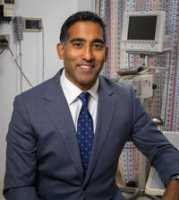 Dr. Trindade[/caption]
Dr. Arvind J. Trindade, MD
Director of Endoscopy
Long Island Jewish Medical Center
Associate professor at Feinstein Institutes for Medical Research
Division of Gastroenterology, Zucker School of Medicine
Hofstra/Northwell, Northwell Health System
New Hyde Park, NY
MedicalResearch.com: What is the background for this study?
Response: Although most patients with COVID-19 present with respiratory symptoms, gastrointestinal (GI) symptoms have also been reported in up to 25% of patients. Some case reports have shown acute pancreatitis as the initial presentation in patients with COVID-19, however the literature supporting this is limited. Our study aimed to report the point prevalence, risk factors, and outcomes of hospitalized patients with COVID-19 presenting with acute pancreatitis in a large health system and to compare outcomes of pancreatitis in patients without COVID-19.
Dr. Trindade[/caption]
Dr. Arvind J. Trindade, MD
Director of Endoscopy
Long Island Jewish Medical Center
Associate professor at Feinstein Institutes for Medical Research
Division of Gastroenterology, Zucker School of Medicine
Hofstra/Northwell, Northwell Health System
New Hyde Park, NY
MedicalResearch.com: What is the background for this study?
Response: Although most patients with COVID-19 present with respiratory symptoms, gastrointestinal (GI) symptoms have also been reported in up to 25% of patients. Some case reports have shown acute pancreatitis as the initial presentation in patients with COVID-19, however the literature supporting this is limited. Our study aimed to report the point prevalence, risk factors, and outcomes of hospitalized patients with COVID-19 presenting with acute pancreatitis in a large health system and to compare outcomes of pancreatitis in patients without COVID-19.
 Ruth Fernandez-Ruiz, MD
Post-Doctoral Fellow
Department of Rheumatology
NYU Langone Heath
MedicalResearch.com: What is the background for this study?
Response: Patients with systemic lupus erythematosus (SLE) represent a unique population in considering risk for COVID-19 with biologic, genetic, demographic, clinical and treatment issues at play. By the nature of their chronic inflammatory autoimmune condition, the presence of comorbidities, and regular use of immunosuppressants, these individuals would traditionally be considered at high risk of contracting SARS-CoV-2 and possibly having worse outcomes from the viral infection.
However, it might be speculated that inherently elevated type I Interferon, characteristic of the majority of patients with SLE, confers a protective effect as a first line anti-viral defense. Additionally, hydroxychloroquine, which was suggested as a potential therapeutic agent for COVID-19 early on, is used in most patients with SLE. Accordingly, we initiated this study to provide critical data needed to address the frequency and severity of COVID-19 in patients with SLE.
Ruth Fernandez-Ruiz, MD
Post-Doctoral Fellow
Department of Rheumatology
NYU Langone Heath
MedicalResearch.com: What is the background for this study?
Response: Patients with systemic lupus erythematosus (SLE) represent a unique population in considering risk for COVID-19 with biologic, genetic, demographic, clinical and treatment issues at play. By the nature of their chronic inflammatory autoimmune condition, the presence of comorbidities, and regular use of immunosuppressants, these individuals would traditionally be considered at high risk of contracting SARS-CoV-2 and possibly having worse outcomes from the viral infection.
However, it might be speculated that inherently elevated type I Interferon, characteristic of the majority of patients with SLE, confers a protective effect as a first line anti-viral defense. Additionally, hydroxychloroquine, which was suggested as a potential therapeutic agent for COVID-19 early on, is used in most patients with SLE. Accordingly, we initiated this study to provide critical data needed to address the frequency and severity of COVID-19 in patients with SLE.
 Dr. Eric Chow[/caption]
Eric J. Chow, MD, MS, MPH
Epidemic Intelligence Service Officer (completed in 2020);
Influenza Division.
Centers for Disease Control and Prevention
MedicalResearch.com: What is the background for this study? What are the main findings?
Dr. Eric Chow[/caption]
Eric J. Chow, MD, MS, MPH
Epidemic Intelligence Service Officer (completed in 2020);
Influenza Division.
Centers for Disease Control and Prevention
MedicalResearch.com: What is the background for this study? What are the main findings?
 Dr. Pawloski[/caption]
Lisa Pawloski PhD
Associate Dean for International Programs
Professor of Anthropology
College of Arts and Sciences
The University of Alabama
Tuscaloosa, AL 35487
MedicalResearch.com: What is the background for this study? What are the main findings?
Response: This exploratory research uses the currently available data on COVID-19 cases and mortality, along with estimates of the morbidly obese populations in the United States by county to examine the association between morbid obesity and deaths from COVID-19 and to identify potential coincident spatial clusters of morbid obesity and COVID-19 deaths. Results indicate statistically significant positive correlation between population adjusted COVID-19 deaths and cases and the estimated population with a BMI>=40. Clustering analyses show there is a predominant similarity in the distribution of COVID-19 deaths and obesity.
Our findings suggest it is critical to include an awareness of obesity when developing infectious disease control measures and point to a greater need to focus resources towards obesity education and policy initiatives.
Dr. Pawloski[/caption]
Lisa Pawloski PhD
Associate Dean for International Programs
Professor of Anthropology
College of Arts and Sciences
The University of Alabama
Tuscaloosa, AL 35487
MedicalResearch.com: What is the background for this study? What are the main findings?
Response: This exploratory research uses the currently available data on COVID-19 cases and mortality, along with estimates of the morbidly obese populations in the United States by county to examine the association between morbid obesity and deaths from COVID-19 and to identify potential coincident spatial clusters of morbid obesity and COVID-19 deaths. Results indicate statistically significant positive correlation between population adjusted COVID-19 deaths and cases and the estimated population with a BMI>=40. Clustering analyses show there is a predominant similarity in the distribution of COVID-19 deaths and obesity.
Our findings suggest it is critical to include an awareness of obesity when developing infectious disease control measures and point to a greater need to focus resources towards obesity education and policy initiatives.


 Dr. Yonker[/caption]
Lael Yonker, MD
Pediatric Pulmonology
Director, MGH Cystic Fibrosis Center
Principal Investigator, Pediatric COVID biorepository
Mucosal Immunology and Biology Research Center
Massachusetts General Hospital
MedicalResearch.com: What is the background for this study? What are the main findings?
Response: Children were initially felt to be spared from the COVID-19 pandemic. Here, we show that children can become sick from SARS-CoV-2 infection, and even if the initial illness is mild, some go on to develop a severe inflammatory illness after the initial illness. We also show that children can carry very high levels of virus early in the course of infection, suggesting they may play a larger role in spreading the virus than previously thought.
Dr. Yonker[/caption]
Lael Yonker, MD
Pediatric Pulmonology
Director, MGH Cystic Fibrosis Center
Principal Investigator, Pediatric COVID biorepository
Mucosal Immunology and Biology Research Center
Massachusetts General Hospital
MedicalResearch.com: What is the background for this study? What are the main findings?
Response: Children were initially felt to be spared from the COVID-19 pandemic. Here, we show that children can become sick from SARS-CoV-2 infection, and even if the initial illness is mild, some go on to develop a severe inflammatory illness after the initial illness. We also show that children can carry very high levels of virus early in the course of infection, suggesting they may play a larger role in spreading the virus than previously thought.

 Dr. Jimenez[/caption]
Monik Carmen Jimenez, Sc.D
Assistant Professor of Medicine
Brigham and Women's Hospital
MedicalResearch.com: What is the background for this study?
Response: We wanted to get a comprehensive picture of the epidemiology of COVID-19 in carceral facilities that included jails and was not restricted solely to prisons. We utilized publicly available data collected in Massachusetts, pursuant to a court order. These data included prison and jail systems and were used to calculate rates of confirmed cases of COVID-19 and testing rates among incarcerated individuals. We were also able to compare those to changes in the population size within each system.
Dr. Jimenez[/caption]
Monik Carmen Jimenez, Sc.D
Assistant Professor of Medicine
Brigham and Women's Hospital
MedicalResearch.com: What is the background for this study?
Response: We wanted to get a comprehensive picture of the epidemiology of COVID-19 in carceral facilities that included jails and was not restricted solely to prisons. We utilized publicly available data collected in Massachusetts, pursuant to a court order. These data included prison and jail systems and were used to calculate rates of confirmed cases of COVID-19 and testing rates among incarcerated individuals. We were also able to compare those to changes in the population size within each system.
 Dr. Faust[/caption]
Jeremy Samuel Faust, M.D., M.S., M.A., FACEP
Brigham & Women's Hospital Department of Emergency Medicine
Division of Health Policy and Public Health
Instructor, Harvard Medical School
President, Roomful of Teeth Vocal Arts Project (www.roomfulofteeth.org)
MedicalResearch.com: What is the background for this study? What are the main findings?
Response: We sought to compare the initial covid-19 outbreak in NYC to the peak of the 1918 H1N1 pandemic in that same city. We found that the covid-19 pandemic was associated with more than 70% as many deaths per capita (monthly) as 1918 H1N1 was. But because baseline mortality rates are about 1/2 of what they were a century ago, death rates were over 400% of usual rates in March and April of this year compared to recent years, while 1918 was "merely" over 280% of usual death rates from prior years leading up to it.
Dr. Faust[/caption]
Jeremy Samuel Faust, M.D., M.S., M.A., FACEP
Brigham & Women's Hospital Department of Emergency Medicine
Division of Health Policy and Public Health
Instructor, Harvard Medical School
President, Roomful of Teeth Vocal Arts Project (www.roomfulofteeth.org)
MedicalResearch.com: What is the background for this study? What are the main findings?
Response: We sought to compare the initial covid-19 outbreak in NYC to the peak of the 1918 H1N1 pandemic in that same city. We found that the covid-19 pandemic was associated with more than 70% as many deaths per capita (monthly) as 1918 H1N1 was. But because baseline mortality rates are about 1/2 of what they were a century ago, death rates were over 400% of usual rates in March and April of this year compared to recent years, while 1918 was "merely" over 280% of usual death rates from prior years leading up to it.
 Dr. Karaca Mandic[/caption]
Pinar Karaca-Mandic, PhD
Professor, Finance Department
Arthur Williams Jr. Professor of Healthcare Risk Management
Academic Director, Medical Industry Leadership Institute (MILI)
Carlson School of Management
University of Minnesota
MedicalResearch.com: What is the background for this study?
Response: Several studies have highlighted disparities in COVID-19 infection rates and deaths. Less is known about disparities in hospitalizations. Reports from the Centers for Disease Control showed that in the nation overall, non-Hispanic Blacks, Hispanics and American Indian Alaska Native persons have substantially higher rates of COVID-19 hospitalization. Our study extends this work by providing a state-by-state analysis of race/ethnic prevalence of cumulative COVID-19 hospitalizations and comparing this prevalence to ethnic/racial composition of each state’s population.
Through our University of Minnesota Covid-19 hospitalization tracking project (https://carlsonschool.umn.edu/mili-misrc-covid19-tracking-project) we collect data every day from state department of health websites, and we started collecting information on race/ethnicity breakdown of the hospitalizations as soon as states started reporting such data. During our study period, between April 30 and June 24, 12 states reported cumulative hospitalizations by race/ethnicity. By the end of our study, our data from these 12 states represented almost 50,000 hospitalizations.
Dr. Karaca Mandic[/caption]
Pinar Karaca-Mandic, PhD
Professor, Finance Department
Arthur Williams Jr. Professor of Healthcare Risk Management
Academic Director, Medical Industry Leadership Institute (MILI)
Carlson School of Management
University of Minnesota
MedicalResearch.com: What is the background for this study?
Response: Several studies have highlighted disparities in COVID-19 infection rates and deaths. Less is known about disparities in hospitalizations. Reports from the Centers for Disease Control showed that in the nation overall, non-Hispanic Blacks, Hispanics and American Indian Alaska Native persons have substantially higher rates of COVID-19 hospitalization. Our study extends this work by providing a state-by-state analysis of race/ethnic prevalence of cumulative COVID-19 hospitalizations and comparing this prevalence to ethnic/racial composition of each state’s population.
Through our University of Minnesota Covid-19 hospitalization tracking project (https://carlsonschool.umn.edu/mili-misrc-covid19-tracking-project) we collect data every day from state department of health websites, and we started collecting information on race/ethnicity breakdown of the hospitalizations as soon as states started reporting such data. During our study period, between April 30 and June 24, 12 states reported cumulative hospitalizations by race/ethnicity. By the end of our study, our data from these 12 states represented almost 50,000 hospitalizations.
 Dr. Reyes Gil[/caption]
Morayma Reyes Gil M.D., Ph.D.
Director of hematology and Coagulation Labs
Associate Professor, Pathology
Montefiore Medical Center and Albert Einstein School of Medicine
Bronx, NY 10467
MedicalResearch.com: What is the background for this study? What are the main findings?
Response: Antiphospholipid Syndrome is an entity caused by autoantibodies that cause arterial and venous thrombosis as well as miscarriages. During the COVID-19 pandemic, we tested 187 patients for Lupus anticoagulant (LA); 68 turned out to be COVID positive. 30 of the 68 COVID-positive patients were found to be positive for LA by the DRVVT test, and 17 of them were also determined to be positive by the hexagonal phospholipid neutralization STACLOT-LA test. Importantly, of the 30 patients who were LA positive, 19 had documented thrombosis (arterial and venous), an event rate of 63%, as compared with a rate of 34% (p = .03) for LA-negative patients.
We also checked CRP, an inflammatory marker known to affect the hexagonal phospholipid neutralization STACLOT-LA test. Although the mean CRP level was higher in patients testing positive for LA by DRVVT (14.4 vs 7.5 mg/dL; P < .01), patients with thrombosis did not have significantly higher CRP levels than those with no thrombosis. Hence, we adjusted for CRP, and LA was found to be independently associated with thrombosis (odds ratio, 4.39; 95% CI, 1.45-14.57; p= .01). No statistically significant difference was found by anticoagulation at the time of thrombosis, gender, race, ethnicity, ventilation, and mortality between patients who tested LA positive vs. negative.
Dr. Reyes Gil[/caption]
Morayma Reyes Gil M.D., Ph.D.
Director of hematology and Coagulation Labs
Associate Professor, Pathology
Montefiore Medical Center and Albert Einstein School of Medicine
Bronx, NY 10467
MedicalResearch.com: What is the background for this study? What are the main findings?
Response: Antiphospholipid Syndrome is an entity caused by autoantibodies that cause arterial and venous thrombosis as well as miscarriages. During the COVID-19 pandemic, we tested 187 patients for Lupus anticoagulant (LA); 68 turned out to be COVID positive. 30 of the 68 COVID-positive patients were found to be positive for LA by the DRVVT test, and 17 of them were also determined to be positive by the hexagonal phospholipid neutralization STACLOT-LA test. Importantly, of the 30 patients who were LA positive, 19 had documented thrombosis (arterial and venous), an event rate of 63%, as compared with a rate of 34% (p = .03) for LA-negative patients.
We also checked CRP, an inflammatory marker known to affect the hexagonal phospholipid neutralization STACLOT-LA test. Although the mean CRP level was higher in patients testing positive for LA by DRVVT (14.4 vs 7.5 mg/dL; P < .01), patients with thrombosis did not have significantly higher CRP levels than those with no thrombosis. Hence, we adjusted for CRP, and LA was found to be independently associated with thrombosis (odds ratio, 4.39; 95% CI, 1.45-14.57; p= .01). No statistically significant difference was found by anticoagulation at the time of thrombosis, gender, race, ethnicity, ventilation, and mortality between patients who tested LA positive vs. negative.
 Dr. Davidson[/caption]
Karina W. Davidson, PhD, MA
Senior Vice President of Research, Northwell Health
Director, Center for Personalized Health, Feinstein Institutes for Medical Research
Dean of Academic Affairs & Professor, Feinstein Institutes for Medical Research
Donald and Barbara Zucker Professor in Health Outcomes, Department of Medicine, Donald and Barbara Zucker School of Medicine at Hofstra/Northwell
MedicalResearch.com: What is the background for this study? What are the main findings?
Response: New York was epicenter for COVID-19 at the height of the pandemic, and Northwell Health, the largest health system in New York, did everything in its power to care for our sick community members but also care for and protect our frontline health care providers (HCPs) and 72,000 employees. We were fortunate enough to have not run out of PPE – from masks to gowns. Through our employee health team we were able to offer free antibody screenings and through the Northwell Health Research Consortium and the Feinstein Institutes for Medical Research we looked to use the data collected from our consented employees to determine the prevalence of antibodies.
We designed the study to not only identify the presence of antibodies but also key factors like demographics, in what capacity our providers worked on the frontlines and if they suspected infection. Our data helped identify the best practices Northwell Health – from PPE to care procedures - and others nationwide would need to do to keep our frontline workers safe.
Key takeaways from the research show that from April 20 to June 23, of the final consented sample of health care providers (40,329), 13 percent (5,523) tested positive for antibodies. The positive sample pool included 28.4 percent (11,468) nurses and 9.3 percent (3,746) physicians.
Dr. Davidson[/caption]
Karina W. Davidson, PhD, MA
Senior Vice President of Research, Northwell Health
Director, Center for Personalized Health, Feinstein Institutes for Medical Research
Dean of Academic Affairs & Professor, Feinstein Institutes for Medical Research
Donald and Barbara Zucker Professor in Health Outcomes, Department of Medicine, Donald and Barbara Zucker School of Medicine at Hofstra/Northwell
MedicalResearch.com: What is the background for this study? What are the main findings?
Response: New York was epicenter for COVID-19 at the height of the pandemic, and Northwell Health, the largest health system in New York, did everything in its power to care for our sick community members but also care for and protect our frontline health care providers (HCPs) and 72,000 employees. We were fortunate enough to have not run out of PPE – from masks to gowns. Through our employee health team we were able to offer free antibody screenings and through the Northwell Health Research Consortium and the Feinstein Institutes for Medical Research we looked to use the data collected from our consented employees to determine the prevalence of antibodies.
We designed the study to not only identify the presence of antibodies but also key factors like demographics, in what capacity our providers worked on the frontlines and if they suspected infection. Our data helped identify the best practices Northwell Health – from PPE to care procedures - and others nationwide would need to do to keep our frontline workers safe.
Key takeaways from the research show that from April 20 to June 23, of the final consented sample of health care providers (40,329), 13 percent (5,523) tested positive for antibodies. The positive sample pool included 28.4 percent (11,468) nurses and 9.3 percent (3,746) physicians.
 Dr. Gluckman[/caption]
Ty J. Gluckman, M.D., FACC
Providence St Joseph Health
Portland, Oregon
MedicalResearch.com: What is the background for this study?
Response: In spite of significant decreases in the incidence of coronary artery disease, an estimated 800,000 Americans are expected to be diagnosed with an acute myocardial infarction (AMI) this year. For large numbers of these patients, substantial benefit is afforded by early diagnosis and treatment. Accordingly, multiple campaigns have been launched over time to increase public awareness about the symptoms and signs of AMI and the need to seek immediate medical attention.
The COVID-19 pandemic has profoundly changed health care delivery worldwide. While early attention was disproportionately focused on efforts to “flatten the curve”, recent reports have revealed a disturbing finding—a substantial decrease in the hospitalization rate for AMI. Most worrisome among potential reasons for this has been reluctance of patients with an AMI to seek medical attention out of fear that they become infected with SARS-CoV-2.
To better understand the impacts associated with this, we performed a retrospective, cross-sectional study of all AMI hospitalizations in a large multistate health care system (Providence St. Joseph Health). We sought to define changes in AMI case rates, patient demographics, cardiovascular comorbidities, treatment approaches and in-hospital outcomes during the pandemic.
Dr. Gluckman[/caption]
Ty J. Gluckman, M.D., FACC
Providence St Joseph Health
Portland, Oregon
MedicalResearch.com: What is the background for this study?
Response: In spite of significant decreases in the incidence of coronary artery disease, an estimated 800,000 Americans are expected to be diagnosed with an acute myocardial infarction (AMI) this year. For large numbers of these patients, substantial benefit is afforded by early diagnosis and treatment. Accordingly, multiple campaigns have been launched over time to increase public awareness about the symptoms and signs of AMI and the need to seek immediate medical attention.
The COVID-19 pandemic has profoundly changed health care delivery worldwide. While early attention was disproportionately focused on efforts to “flatten the curve”, recent reports have revealed a disturbing finding—a substantial decrease in the hospitalization rate for AMI. Most worrisome among potential reasons for this has been reluctance of patients with an AMI to seek medical attention out of fear that they become infected with SARS-CoV-2.
To better understand the impacts associated with this, we performed a retrospective, cross-sectional study of all AMI hospitalizations in a large multistate health care system (Providence St. Joseph Health). We sought to define changes in AMI case rates, patient demographics, cardiovascular comorbidities, treatment approaches and in-hospital outcomes during the pandemic.
 Dr. Heald-Sargent[/caption]
Taylor Heald-Sargent, M.D., Ph.D.
Ann & Robert H. Lurie Children’s Hospital
Chicago
MedicalResearch.com: What is the background for this study?
Response: Given the ongoing debate around the ability of children to transmit SARS-CoV-2, we noticed that our clinical data could address one of the prevalent assumptions. Some people postulated that the reason children have less severe infections with SARS-CoV-2 is because they are not able to replicate virus as much as adults and therefore may not transmit as readily.
Dr. Heald-Sargent[/caption]
Taylor Heald-Sargent, M.D., Ph.D.
Ann & Robert H. Lurie Children’s Hospital
Chicago
MedicalResearch.com: What is the background for this study?
Response: Given the ongoing debate around the ability of children to transmit SARS-CoV-2, we noticed that our clinical data could address one of the prevalent assumptions. Some people postulated that the reason children have less severe infections with SARS-CoV-2 is because they are not able to replicate virus as much as adults and therefore may not transmit as readily.
 Dr. Sinha[/caption]
Pranay Sinha, MD
Research Fellow
Section of Infectious Diseases
Boston University School of Medicine
MedicalResearch.com: What is the background for this study?
Response: In the early days of the COVID-19 pandemic there were no evidence-based treatments for severely ill patients infected with this virus. We formed an interdisciplinary group of physicians from departments of adult and pediatric infectious diseases, rheumatology, and pulmonary/critical care as well as clinical pharmacy specialists. Given some promising data from China, we instituted treatment with off-label IL-6 receptor inhibitors (tocilizumab and sarilumab). The rationale was to mitigate the exuberant immune response observed in some patients infected with SARS-CoV-2 (also called cytokine storm or cytokine release syndrome).
Quite quickly, we started noticing that giving the drug to our sickest patients wasn’t eliciting dramatic improvement. We reasoned that by the time patients were severely ill and requiring ventilators, the damage to their lungs from the cytokine storm had already taken place. It was like closing the barn door after the horse had already bolted.
Dr. Sinha[/caption]
Pranay Sinha, MD
Research Fellow
Section of Infectious Diseases
Boston University School of Medicine
MedicalResearch.com: What is the background for this study?
Response: In the early days of the COVID-19 pandemic there were no evidence-based treatments for severely ill patients infected with this virus. We formed an interdisciplinary group of physicians from departments of adult and pediatric infectious diseases, rheumatology, and pulmonary/critical care as well as clinical pharmacy specialists. Given some promising data from China, we instituted treatment with off-label IL-6 receptor inhibitors (tocilizumab and sarilumab). The rationale was to mitigate the exuberant immune response observed in some patients infected with SARS-CoV-2 (also called cytokine storm or cytokine release syndrome).
Quite quickly, we started noticing that giving the drug to our sickest patients wasn’t eliciting dramatic improvement. We reasoned that by the time patients were severely ill and requiring ventilators, the damage to their lungs from the cytokine storm had already taken place. It was like closing the barn door after the horse had already bolted.
 Harvey Kaufman[/caption]
Harvey W. Kaufman, MD, MBA, FCAP
Senior Medical Director, Medical Informatics
Quest Diagnostics
Needham, MA
MedicalResearch.com: What is the background for this study?
Response: The COVID-19 pandemic has disrupted routine healthcare and in particular cancer screenings. We documented the impact on patients who were newly identified by cancer in the early months of the pandemic by analysis of Quest Diagnostics data.
MedicalResearch.com: What are the main findings?
Response: We saw a 46% decline in newly identified patients with six common types of cancer. In accordance to healthcare recommendations, many patients didn’t receive mammograms, colonoscopies, low-dose CT scans, and avoided physician visits for minor complaints. When these patients return, some will present with more advanced stages of cancer than they would have without the disruption of the pandemic.
Harvey Kaufman[/caption]
Harvey W. Kaufman, MD, MBA, FCAP
Senior Medical Director, Medical Informatics
Quest Diagnostics
Needham, MA
MedicalResearch.com: What is the background for this study?
Response: The COVID-19 pandemic has disrupted routine healthcare and in particular cancer screenings. We documented the impact on patients who were newly identified by cancer in the early months of the pandemic by analysis of Quest Diagnostics data.
MedicalResearch.com: What are the main findings?
Response: We saw a 46% decline in newly identified patients with six common types of cancer. In accordance to healthcare recommendations, many patients didn’t receive mammograms, colonoscopies, low-dose CT scans, and avoided physician visits for minor complaints. When these patients return, some will present with more advanced stages of cancer than they would have without the disruption of the pandemic.
 Dr. Puntmann[/caption]
Assoc. Prof. Dr. Valentina Puntmann, MD, PhD, FRCP
Deputy Head
Goethe CVI Fellowship Programme Lead
Consultant Physician, Cardiologist and Clinical Pharmacologist
Institute for Experimental and Translational Cardiovascular Imaging
DZHK Centre for Cardiovascular Imaging - Goethe CVI
Department of Cardiology, Division of Internal Medicine
University Hospital Frankfurt, Germany
MedicalResearch.com: What is the background for this study?
Response: Patients who recently recovered from COVID19 have been identified through the testing centre and invited to be screened for cardiac involvement with MRI. Importantly, they have not come to us because of having heart problems. In fact, none of them thought that they had had anything wrong with the heart. They were mostly healthy, sporty and well prior to their illness. A considerable proportion had been infected while on skiing vacations.
Dr. Puntmann[/caption]
Assoc. Prof. Dr. Valentina Puntmann, MD, PhD, FRCP
Deputy Head
Goethe CVI Fellowship Programme Lead
Consultant Physician, Cardiologist and Clinical Pharmacologist
Institute for Experimental and Translational Cardiovascular Imaging
DZHK Centre for Cardiovascular Imaging - Goethe CVI
Department of Cardiology, Division of Internal Medicine
University Hospital Frankfurt, Germany
MedicalResearch.com: What is the background for this study?
Response: Patients who recently recovered from COVID19 have been identified through the testing centre and invited to be screened for cardiac involvement with MRI. Importantly, they have not come to us because of having heart problems. In fact, none of them thought that they had had anything wrong with the heart. They were mostly healthy, sporty and well prior to their illness. A considerable proportion had been infected while on skiing vacations.
 Dr. Jonathan Li[/caption]
Jonathan Li, MD MMSc
Assistant Professor of Medicine
Harvard Medical School
Division of Infectious Diseases
Brigham and Women’s Hospital
MedicalResearch.com: Why did you do this study?
Response: The accurate diagnosis of COVID-19 is critical for our patients in order to receive appropriate care, and for infection control and public health. In the US, the gold standard for COVID diagnosis is sampling through a nasopharyngeal swab (NP) but is that really the best way to diagnose COVID? As many of your viewers may have experienced first hand, nasopharyngeal swabs require inserting a long swab into the back of the nose, which is incredibly uncomfortable for the patient, technically-challenging for the health care worker, and requires equipment and reagents that are in short supply. There are also alternative sampling methods for COVID diagnosis.
In Asia, oropharyngeal sampling(OP), or swabbing the back of the mouth, are commonly used and in my hospital, the Brigham and Women’s Hospital, we frequently test sputum as well for inpatients. But there’s a lot of confusion in the field about which of these methods is the most sensitive?
We undertook this study to try to bring some clarity to this question of what is the most sensitive way to diagnose COVID and detect SARS-CoV-2?
Dr. Jonathan Li[/caption]
Jonathan Li, MD MMSc
Assistant Professor of Medicine
Harvard Medical School
Division of Infectious Diseases
Brigham and Women’s Hospital
MedicalResearch.com: Why did you do this study?
Response: The accurate diagnosis of COVID-19 is critical for our patients in order to receive appropriate care, and for infection control and public health. In the US, the gold standard for COVID diagnosis is sampling through a nasopharyngeal swab (NP) but is that really the best way to diagnose COVID? As many of your viewers may have experienced first hand, nasopharyngeal swabs require inserting a long swab into the back of the nose, which is incredibly uncomfortable for the patient, technically-challenging for the health care worker, and requires equipment and reagents that are in short supply. There are also alternative sampling methods for COVID diagnosis.
In Asia, oropharyngeal sampling(OP), or swabbing the back of the mouth, are commonly used and in my hospital, the Brigham and Women’s Hospital, we frequently test sputum as well for inpatients. But there’s a lot of confusion in the field about which of these methods is the most sensitive?
We undertook this study to try to bring some clarity to this question of what is the most sensitive way to diagnose COVID and detect SARS-CoV-2?

 Prof. Garnier[/caption]
Gil Garnier PhD
Director and Professor
Bioresource Processing Research Institute of Australia (BioPRIA)
PALS ARC Industry Transformation Research Hub
Department of Chemical Engineering
Monash University
MedicalResearch.com: What is the background for this study?
Response: We wanted to develop a test that would be:
1) Reliable and fast to perform,
2) Easy and fast to manufacture,
3) Easy and fast to distribute and be adopted by the Health care community.
We also wanted to capitalize on our vast expertise and experience from developing novel blood typing tests. Our strategy was to develop a serology COVID test using the current Gel card technology available in most hospital and blood laboratories throughout the world. Equipment and expertise are already available from point of care setting to high throughput/automated systems measuring 100-200 test/ h. Also, these cards are currently produced by many companies all over and these can be shipped all international.
Prof. Garnier[/caption]
Gil Garnier PhD
Director and Professor
Bioresource Processing Research Institute of Australia (BioPRIA)
PALS ARC Industry Transformation Research Hub
Department of Chemical Engineering
Monash University
MedicalResearch.com: What is the background for this study?
Response: We wanted to develop a test that would be:
1) Reliable and fast to perform,
2) Easy and fast to manufacture,
3) Easy and fast to distribute and be adopted by the Health care community.
We also wanted to capitalize on our vast expertise and experience from developing novel blood typing tests. Our strategy was to develop a serology COVID test using the current Gel card technology available in most hospital and blood laboratories throughout the world. Equipment and expertise are already available from point of care setting to high throughput/automated systems measuring 100-200 test/ h. Also, these cards are currently produced by many companies all over and these can be shipped all international.