Posted at 13:18h
in
Insurance
[caption id="attachment_72926" align="aligncenter" width="500"]
 Freepix
[/caption]
Innovation is at the heart of the life sciences industry. Whether developing new medicines, producing advanced medical devices, or driving progress in biotechnology and digital health, organisations in this space play a critical role in improving and extending lives.
However, the impact of these products also means the risks are significant. If a product fails—due to a defect, contamination, incorrect instructions or a systems error—the consequences can be severe. Businesses may face claims involving patient injury, financial losses, regulatory intervention and lasting reputational harm.
For this reason, product liability life science insurance is a key consideration for companies operating across the life sciences sector. Below, we explore what it covers, who should consider it, and the wider risk landscape.
Understanding Product Liability in Life Sciences
Product liability insurance is designed to protect businesses when a product they manufacture, supply or distribute causes harm or damage.
Within life sciences, the nature of these risks is often more complex than in other sectors. Potential causes of claims include:
- Flaws in product design
- Errors during manufacturing
- Insufficient instructions or safety warnings
- Software or system failures in medical technologies
- Contamination during production or storage
- Weaknesses in quality assurance processes
Given the strict regulatory environment in the UK and beyond, any failure can quickly escalate. Claims may involve substantial compensation payments, legal costs and scrutiny from regulatory authorities.

















 Searching for addiction treatment in Southern California can quickly become overwhelming. Families often begin with one practical question before anything else. Is there a high quality rehab near Ventura or Thousand Oaks that actually accepts insurance and helps navigate the process. The answer increasingly leads people toward Camarillo, where Altitude Recovery has built a reputation for offering residential care that balances clinical structure with real world accessibility.
The conversation around treatment has shifted over the past decade. People want privacy, evidence based therapy, and a program that feels supportive rather than institutional. At the same time, insurance coverage matters. Treatment becomes far more attainable when a center actively works with insurance carriers and helps families understand their options. Altitude Recovery sits at the intersection of those needs, offering a residential program near Ventura County that combines professional treatment with insurance guidance.
Searching for addiction treatment in Southern California can quickly become overwhelming. Families often begin with one practical question before anything else. Is there a high quality rehab near Ventura or Thousand Oaks that actually accepts insurance and helps navigate the process. The answer increasingly leads people toward Camarillo, where Altitude Recovery has built a reputation for offering residential care that balances clinical structure with real world accessibility.
The conversation around treatment has shifted over the past decade. People want privacy, evidence based therapy, and a program that feels supportive rather than institutional. At the same time, insurance coverage matters. Treatment becomes far more attainable when a center actively works with insurance carriers and helps families understand their options. Altitude Recovery sits at the intersection of those needs, offering a residential program near Ventura County that combines professional treatment with insurance guidance.

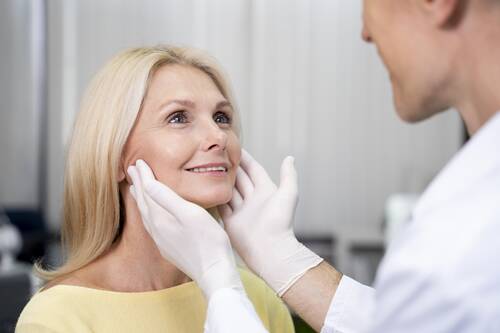
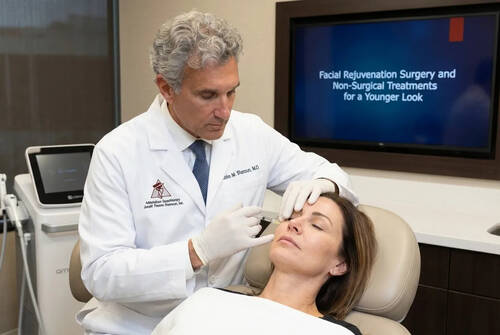 The appearance of youthfulness in a face requires symmetrical eyebrows and unblemished skin at the forehead area. The appearance of an individual changes with age because their eyebrows start to droop and they develop deep forehead wrinkles and their overall youthful appearance begins to fade. The shifts in facial features result in a heavy brow which creates an unintended serious expression.
Patients who visit
The appearance of youthfulness in a face requires symmetrical eyebrows and unblemished skin at the forehead area. The appearance of an individual changes with age because their eyebrows start to droop and they develop deep forehead wrinkles and their overall youthful appearance begins to fade. The shifts in facial features result in a heavy brow which creates an unintended serious expression.
Patients who visit