[caption id="attachment_73388" align="aligncenter" width="500"]
 SOURCE: IMAGE
[/caption]
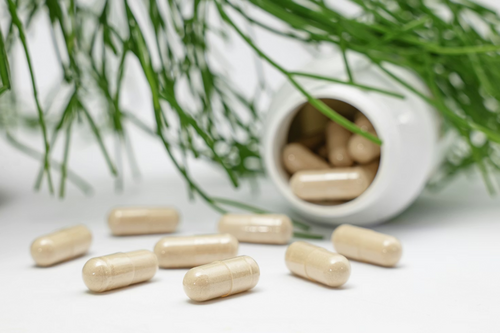
Editor's note: Cannabis and THCA/Hemp CBD products should have an active ingredient list on the container and a Certificate of Analysis (COA). Discuss your use of THC, cannabis, or CBD products with your health care provider. Dosing of cannabis products is variable, especially since they are not FDA regulated. Cannabis/CBD may interfere with other medications and should not be used in individuals with certain health conditions, including liver issues. CBD skin care products can be absorbed through the skin and have similar effects. Do not use cannabis products including edibles, drinks, and CBD if you are pregnant, nursing, or may become pregnant. Do not use cannabis products if driving or operating difficult or dangerous machinery. Children should not be exposed to cannabis or CBD products.
A question that comes up constantly in cannabis research is one that patients have been asking for years: why does CBD ease anxiety in one person and make another feel worse? For a long time, the honest answer was that nobody fully knew. A landmark study out of McGill University changedthat, and the findings reveal something that most consumer guides on CBD have never properly explained.
The answer is not about product quality, dosage form, or brand. It comes down to how cannabis interacts with serotonin — and specifically why that interaction is not the same at every dose.