Posted at 15:05h
in
Quality and Safety
How Better Team Preparation Leads To Safer Patient Care
Picture a Monday morning at a busy Australian GP clinic. Phones are ringing, a febrile child arrives at reception, and an elderly patient faints in the waiting area. The difference between a near miss and a smooth response comes down to one thing — a prepared team.
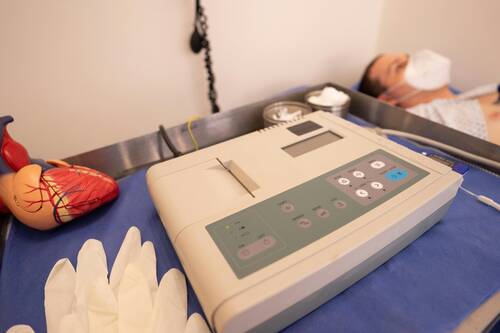
When the GP, nurse, and medical practice assistant each know their role, chaos turns into coordinated care. The assistant starts observations, sets up the ECG, opens the emergency trolley, and records each step clearly.
I've seen structured, standards-aligned preparation turn stressed clinics into safer ones. The strongest practices map tasks to Australian safety standards, set clear supervision, and review results every quarter.
Key Takeaways
Clear roles, supervision, and repeatable drills reduce avoidable risk.
- Formal MPA preparation supports safety in daily work. Certificate IV content covers clinical measurements, ECG, first aid, infection prevention, and equipment reprocessing so assistants can work safely under supervision and reduce routine risk.
- Standards alignment removes guesswork. Tie competencies directly to the National Safety and Quality Primary and Community Healthcare Standards and Royal Australian College of General Practitioners (RACGP) indicators to meet accreditation evidence needs.
- CPR and first aid currency protect patients and practices. The Australian Resuscitation Council (ARC) recommends annual CPR updates, and RACGP requires documented CPR at least every three years for all team members.
- Simulation and micro-drills drive retention. Short, scenario-based refreshers improve team behaviours and time to task in a real emergency.
- Measure impact quarterly. Track five signals: time to first observations, reprocessing log completeness, documentation errors, stock discrepancies, and CPR currency rate.
What The Role Covers
Clear scope and supervision prevent risky workarounds.
A medical practice assistant, or MPA, supports GPs with clinical and administrative work under direct or indirect supervision. The role can include taking observations, setting up an electrocardiogram (ECG), assisting with procedures, handling specimens, processing reusable instruments, and keeping accurate records.
Supervision matters. A GP or registered nurse can oversee MPA work, but enrolled nurses cannot supervise the role. The HLT47715 qualification has no licensing requirement, yet practices still need clear supervision, documented limits, and
work health and safety (WHS) controls.
That may sound strict, but it protects staff as well as patients. Clear limits stop people from slowly taking on tasks they have not been signed off to perform.
Why This Matters For Patient Safety
Research from Macquarie University shows that primary care incidents are commonly linked to organisational processes and communication, not gaps in clinical knowledge alone. Preparation that hard-wires intake checks, identity confirmation, documentation discipline, and infection-control steps removes common failure points before they reach the patient.
Patient safety in Australia is a shared job. The Australian Commission on Safety and Quality in Health Care leads national standards and accreditation frameworks across Clinical Governance, Partnering with Consumers, and Clinical Safety.
That structure matters at the front desk and in the treatment room. When an assistant spots a new allergy, a low oxygen level, or a missing result early, the GP starts with better information.
Three Big Ways Better Preparation Protects Patients
Consistent routine steps catch risk earlier and reduce preventable mistakes.
This is not about pushing assistants beyond scope. It is about making routine work reliable so the right clinician gets the right signal fast.
Reliable Intake And Early Detection
A trained MPA uses the same intake sequence each time: confirm identity, check allergies, record vital signs, note pain, and flag red-flag cues for escalation. A Situation, Background, Assessment, Recommendation (SBAR) handover card helps the GP see urgent issues fast, such as chest pain, fainting, or a new irregular pulse.
Strong Infection Prevention And Safe Reprocessing
MPA preparation covers correct cleaning, packaging, sterilisation cycles, storage, and traceability for reusable instruments. A single reprocessing log with batch numbers, cycle printouts, and shift sign-offs lowers cross-contamination risk and creates a clear audit trail if an incident is reviewed.
Fewer Administrative Errors That Create Clinical Risk
Documentation mistakes create clinical risk more than most clinics expect. Strong skills in medical terminology, recalls, results chasing, and medication stock control reduce wrong-patient notes, delayed follow-up, and stockouts that disrupt care.
Build A Clear Pathway
A simple pathway turns good intent into measured competence.
A useful pathway shows what staff learn in week 1, month 1, and quarter 1. It also shows who signs off each skill and when a refresher is due.
Map Standards To Tasks
Link each Primary and Community Healthcare Standard to a daily task. Clinical Safety maps to reprocessing and escalation, while Partnering with Consumers maps to teach-back, where the patient repeats instructions in their own words, and to plain-language explanations.
Define Competencies And Choose Delivery
Draft a skills matrix from Novice to Proficient to Trainer across observations, ECG setup, instrument processing, results recall, and documentation. Blend self-paced modules, supervised shadowing, simulation, and external registered training organisation (RTO) units, then assess with observed checklists and clear pass criteria.
Choose A Nationally Recognised Qualification
For practices that want a formal, nationally recognised route, staff need a qualification that builds supervised clinical support skills and fits day-to-day primary care work. The qualification includes 23 units covering ECG, clinical measurements, infection prevention, first aid, WHS, and medical records, and practices comparing options can review Adept Training's
IV certificate in medical practice assisting for a pathway that supports specimen handling, patient communication, and Australian primary care safety standards.
Schedule Refreshers And Document Supervision
Record the supervising GP or RN for each competency and set clear escalation thresholds. Schedule annual CPR and infection-control refreshers, six-monthly reprocessing audits, and quarterly simulations, then keep certificates, manikin assessment sheets, automated external defibrillator (AED) practice logs, and competency checklists in one accreditation folder or shared register.
Where To Embed New Skills
Skills stick when they show up in onboarding, huddles, and simulations.
If your clinic is short on time, build learning into room setup, handover, and close-down tasks instead of relying on long classroom sessions.

Use Onboarding And Micro-Drills
Give new staff two to four weeks to complete mandatory modules, policy reviews, and supervised sign-offs. Then run 10-minute weekly huddles, such as a manikin CPR refresh, a reprocessing spot check, or a role-play on sorting incoming results by urgency. Do not let a new starter handle reprocessing or results follow-up alone until sign-off is complete.
Run Quarterly Simulation
Run a half-day scenario every quarter. Test a collapse in the waiting room, a chest pain presentation, a sharp injury, or a cold-chain breach, where vaccine storage temperature goes out of range, then use an After-Action Review — a short debrief on what worked, what failed, and what changes now. Safe Work Australia advises adequate numbers of trained first aiders, annual CPR refreshers, and first aid renewal every three years.
Keep CPR And First Aid Current
For general practice accreditation, CPR training must be completed at least every three years by GPs, clinical staff, and non-clinical staff. ARC recommends annual updates, and training must include assessed CPR on a manikin plus AED use, because online-only study is not accepted. South Australian practices scheduling a team update this quarter can use First Aid Certification and Training to
find a first aid course in Adelaide that meets ARC-aligned content and RACGP documentation requirements.
How To Measure Safety Gains
A short dashboard shows whether new habits are turning into safer care.
Choose measures your team can collect without extra software. Five signals are enough for most clinics.

- Clinical response: Median minutes from patient arrival to first observations.
- Infection prevention: Percentage of reprocessing cycles with complete records and hand-hygiene spot-check compliance.
- Documentation: Percentage of records with two patient identifiers and results actioned within policy timeframe.
- Stock safety: Fridge temperature excursions per month and expired items found.
- Training compliance: Percentage of team with in-date CPR at 95% or above and first aid certificates within three years.
Give one person ownership of each measure and review trends at each quarterly meeting. If your practice uses paper checks now, start there. Consistent manual tracking is more useful than a digital dashboard that no one updates.
Make The Plan Work In Daily Practice
Start with your highest-risk tasks, then build a routine your team can keep.
You do not need to rebuild the whole practice in one week. Start small, keep the process visible, and let the data guide the next step in ways staff can sustain. South Australian practices scheduling a team CPR update this quarter can use First Aid Certification and Training locally to
find a first aid course in Adelaide that meets ARC-aligned content and RACGP documentation requirements.
This month: Run a 60-minute risk walk-through to find your top three safety failure points. Schedule a
CPR and AED refresher and assign a reprocessing audit.
Next 30 days: Launch your MPA skills matrix, confirm supervision arrangements, and begin weekly micro-drills.
By 90 days: Complete a half-day simulation, close two documented safety gaps, and present the dashboard at a practice meeting.
Safer patient care does not rely on one heroic person. It comes from a prepared team using a reliable system, every day. Start building that system this week.
FAQ
What Can This Role Do And Not Do In Australia?
An MPA can take observations, perform ECGs, process reusable instruments, handle specimens, manage recalls, and maintain records under GP or RN supervision. They cannot administer medications, give injections, or make independent clinical decisions. Enrolled nurses are not permitted to supervise MPA work.
How Often Should Our Team Renew CPR And First Aid?
ARC recommends annual CPR updates. RACGP requires documented CPR at least every three years for all staff, including non-clinical team members. Training must include physical manikin practice and AED use. Keep certificates, manikin assessment sheets, and AED training logs as accreditation evidence.
How Does The Certificate IV Support Accreditation?
The 23 units in HLT47715 cover ECG, clinical measurements, infection prevention, reprocessing, first aid, WHS, and medical records. These competencies align directly with the Primary and Community Healthcare Standards across Clinical Governance, Clinical Safety, and Partnering with Consumers, plus RACGP indicators for training and clinical safety.
Which Measures Show That Safety Is Improving?
Track five measures quarterly: time from arrival to first observations, reprocessing log completeness at 100%, documentation errors returned from external providers, medication stock discrepancies, and CPR currency rate at 95% or above. Present trends at practice meetings to maintain accountability and momentum.



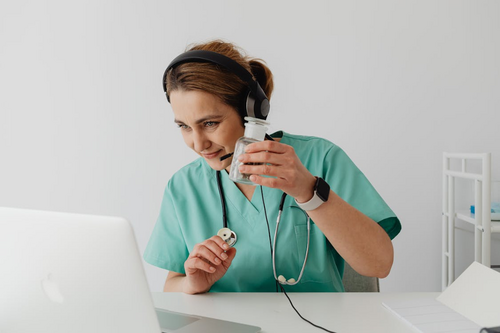




 The healthcare system generates an extraordinary volume of structured data. The United States alone produces approximately 1.2 billion clinical care documents annually. Managing that volume has become one of the most significant operational challenges in modern medicine, consuming physician time at a rate that directly affects patient care quality.
AI and automation are increasingly positioned as the most scalable solution. The question is no longer whether technology will reshape clinical documentation workflows, but how rapidly health systems can implement it responsibly.