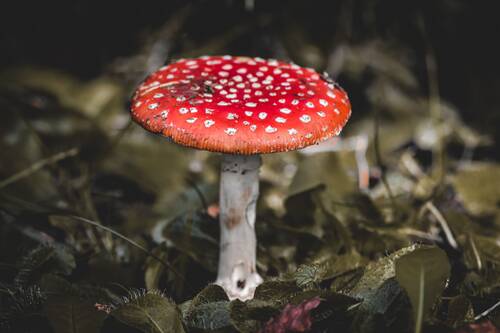
30 Jul What Informed Consent Looks Like in a Psychedelic Research Study
Psychedelic Substance Notice: Psilocybin, MDMA, and other psychedelic substances are Schedule I controlled substances in the United States and are not FDA-approved for any medical use outside of specific clinical trials. They carry serious risks including psychological distress, heightened vulnerability, and in some cases adverse cardiac or psychiatric events. This article is for informational and educational purposes only and does not constitute medical advice or a recommendation to pursue psychedelic therapy or participate in a clinical trial. Always consult a qualified physician before considering any treatment involving psychoactive substances.
You sign a form. You initial a few boxes. A staff member asks if you have questions, and you say no because you are not sure what to ask yet. That version of consent works fine for a blood draw. It falls apart the moment a study asks you to take a substance that can reshape how you see time, your own memories, and the people in the room. Real consent for this kind of work looks nothing like a signature at a desk.
In a psychedelic research study, informed consent is a conversation that keeps going, not a one-time form. You should learn exactly what the substance may do to your perception and judgment, how long those effects last, what physical touch will and will not happen, and how you can pause or stop. Good clinical trials treat consent as a relationship, and the same standard should guide any serious retreat setting. For broader context on how psychedelic medicine is being studied for addiction and mental health, see this overview of psychedelic medicine explored for addiction and mental health issues.
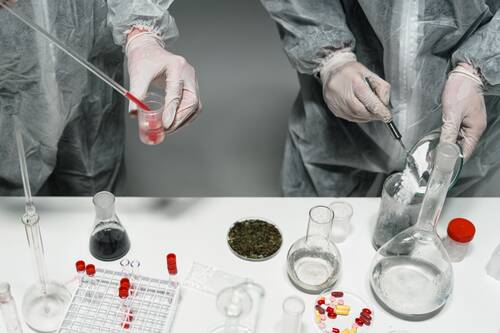
[caption id="attachment_75327" align="aligncenter" width="500"] Pexels image[/caption]


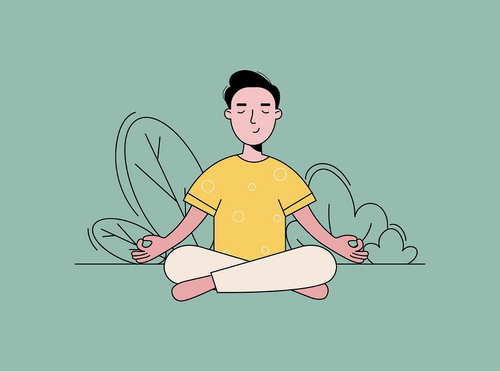



















![Mental Health Notice: If you are experiencing a mental health crisis or thoughts of self-harm, please seek help immediately. Call or text 988 (Suicide & Crisis Lifeline, 24/7), text HOME to 741741 (Crisis Text Line), or call 911 in an emergency. Cannabis and CBD Product Notice: Cannabis and CBD products are not FDA-monitored or approved for the treatment of anxiety, depression, or any other mental health condition. Effects vary significantly between individuals. Do not use if you are pregnant, nursing, or may become pregnant. Keep out of reach of children. Children and pets should not be exposed to these products. Cannabis and CBD products may interact with prescription medications. Always consult your physician or qualified healthcare provider before using any cannabinoid product, especially if you have an existing health condition or take other medications. Feeling low or having anxious thoughts occasionally is quite normal, as life is unpredictable. But depressing thoughts can start to affect your quality of life if left unaddressed. So you must identify the root cause or take appropriate interventions. People who tackle life's struggles with a resilient mindset stay happy and contented. The fact is, minor lifestyle adjustments in the form of stress management make you less reactive to routine stressors. Here, explore some simple strategies to reduce anxiety and boost your mood for mental health support. For a deeper look at how cannabidiol specifically may interact with anxiety pathways, see this recent MedicalResearch.com report on why CBD affects anxiety differently in each person. [IMAGE GOES HERE] 5 Coping Strategies for Optimal Mental Wellness Life comes with ups and downs, and you often face hurtful moments. But if you fail to overcome the negative emotions, they can ruin your health with chronic issues. Have a look at some practical strategies to regain your inner peace amid chaos. 1. Breathing Exercises During stressful situations, our nervous system goes into fight-or-flight mode. We experience rapid breathing, a rapid heart rate, and palpitations. To get back to a relaxed state, different breathing exercises work effectively. Slowly inhaling and exhaling signals the brain about safety and a peaceful atmosphere. To achieve this, you can try box breathing, diaphragmatic breathing, resonant breathing, and similar techniques. Try to pick the one that you find most convenient to perform amid chaos. 2. Natural Stress Relievers With a stressed mind, it feels overwhelming to do any workout, breathing exercises, or even journaling. So, you need some natural stress relievers, like calming herbal teas or therapeutic cannabinoid products like edibles. Lavender and chamomile are two popular herbal teas known for their relaxing, soothing effects. Having them before bed also promotes sleep hygiene by helping you successfully wind down. Before using any natural stress relievers, consult your healthcare provider to avoid any side effects. 3. Moderate to Low-Impact Workouts Having regular physical activity of low to moderate intensity is an effective way to tackle anxiety and mood swings. Based on research, jogging, swimming, and walking for 15 to 30 minutes, when performed three times a week, boost mood. Exercise stimulates the production of endorphins, the feel-good neurotransmitters. You become less reactive in stressful situations and stay composed, making rational decisions. On the other hand, a sedentary lifestyle is a known risk factor for developing many mental health issues. So be physically active to support both physical and mental fitness. 4. Gratitude Journaling Writing about all the little good things happening in your life and appreciating them wholeheartedly comes with many positive effects. You can shift your mind away from unpleasant events and redirect it towards good things you are grateful for. Research also supports the role of various acts of gratitude in positive moods, emotion regulation, and life satisfaction. This habit also promotes positive thinking, making you more optimistic in the long run. 5. Laughter Therapy Laughter therapy is a quick fix for a depressed mood. Laughing intentionally, even if you don't feel like it, has positive effects on mental health. Laughing promotes the secretion of endorphins, dopamine, and serotonin, the feel-good hormones, boosting your mood shortly. It may sound silly to laugh in a bad situation, but it truly works. So, when you feel sad, try watching some funny videos or remembering a funny incident from your past. This helps you have a good laugh and supports your mental resilience. Bottom Line Mental relaxation is achievable, irrespective of uncontrollable life factors, through a healthy lifestyle. Stress coping strategies, such as breathing exercises, laughter, workouts, or CBD edibles, help reduce anxious thoughts, mood swings, and similar issues. However, these therapies work effectively only with medications for intense or chronic issues. So, be proactive and take care of your mental health with preventive measures. Disclaimer: The information on MedicalResearch.com is provided for educational purposes only, and is in no way intended to diagnose, cure, or treat any medical or other condition. Some links are sponsored. Products, services and providers are not warranted or endorsed by MedicalResearch.com or Eminent Domains Inc. Always seek the advice of your physician or other qualified health provider and ask your doctor any questions you may have regarding a medical condition. In addition to all other limitations and disclaimers in this agreement, service provider and its third party providers disclaim any liability or loss in connection with the content provided on this website.](https://medicalresearch.com/wp-content/uploads/2026/07/tips_to_reduce_anxiety_and_boost_your_mood.jpg)