Posted at 14:42h
in
Prevention-Screening
Wellness Screening Notice: This article includes information and statements provided by Vascuscreen. Wellness screenings are not diagnostic tests and do not replace a medical evaluation or established cardiovascular risk assessment, such as blood pressure, cholesterol, and blood sugar testing. A normal screening result does not rule out heart or blood vessel disease, and an abnormal result should be reviewed with a licensed healthcare professional. Anyone with chest pain, shortness of breath, fainting, palpitations, or other concerning symptoms should seek medical care promptly rather than relying on a wellness screening.
The biohacking and health optimization community has never been short on data. Wearables track sleep cycles, continuous glucose monitors trace metabolic patterns, and blood panels map dozens of biomarkers across multiple body systems. Robert Mascarelli, President of Vascuscreen, has observed that despite this abundance of tracking tools, serious self-optimizers consistently hit the same wall: the data available to them remains largely surface-level, capturing how the body responds to external conditions without revealing much about the vascular and autonomic systems that influence long-term physiologic health.
That gap is what Vascuscreen says it is built to address.
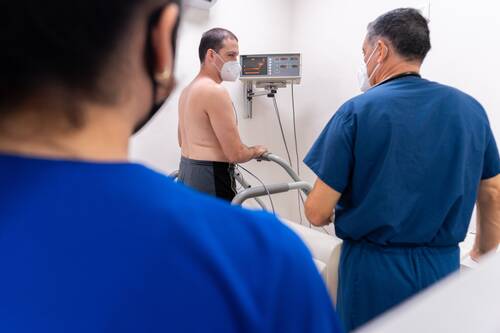
Preventive health screening that looks beneath the surface, evaluating vascular compliance, microvascular blood flow, cardiac autonomic variability, and nervous system balance through a ten-minute, non-invasive assessment, offers a different type of physiologic insight than most consumer tools. For health optimization practices serving clients who already use wearables and routine lab testing, Vascuscreen positions its system as an additional layer of information.
[caption id="attachment_76419" align="aligncenter" width="500"]
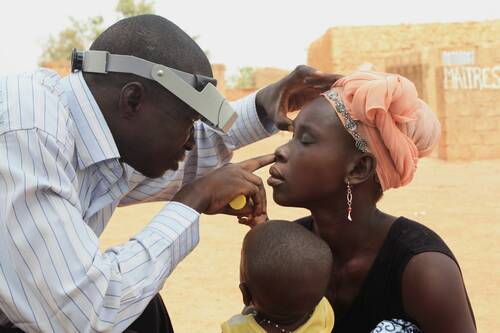
 Photo by Pexels
[/caption]